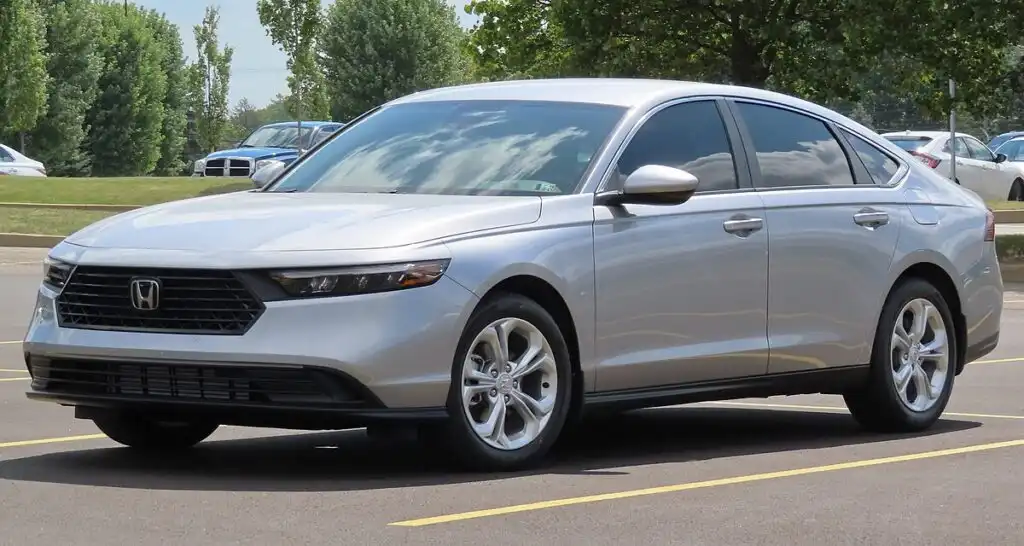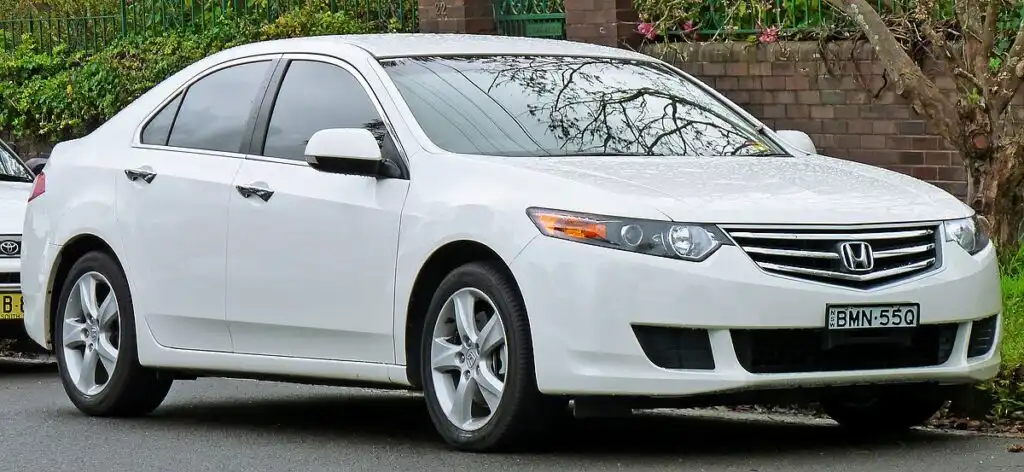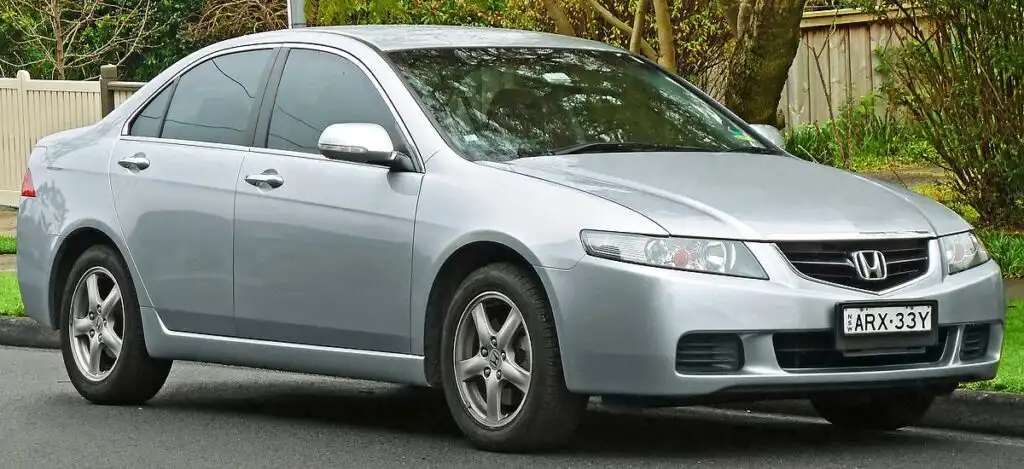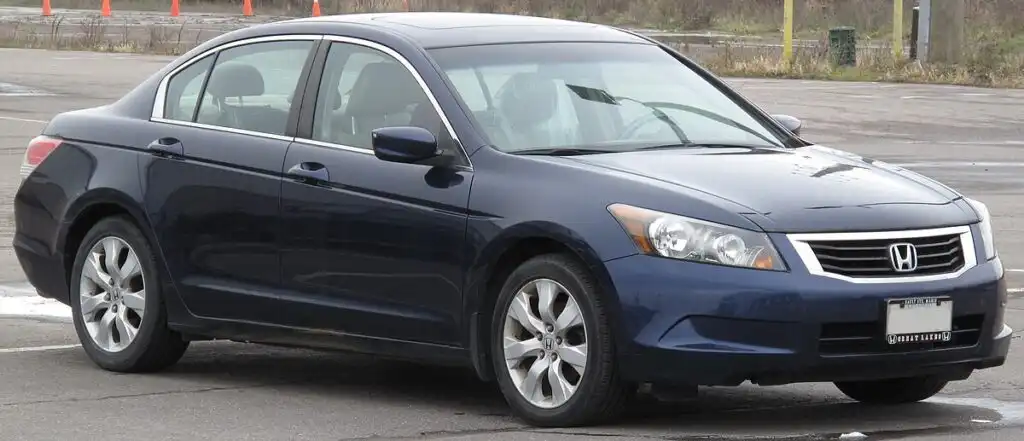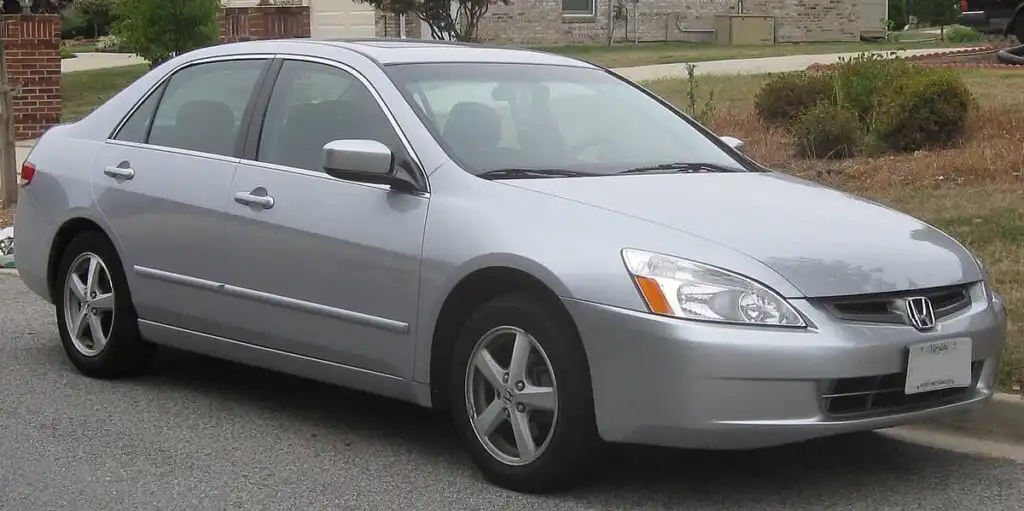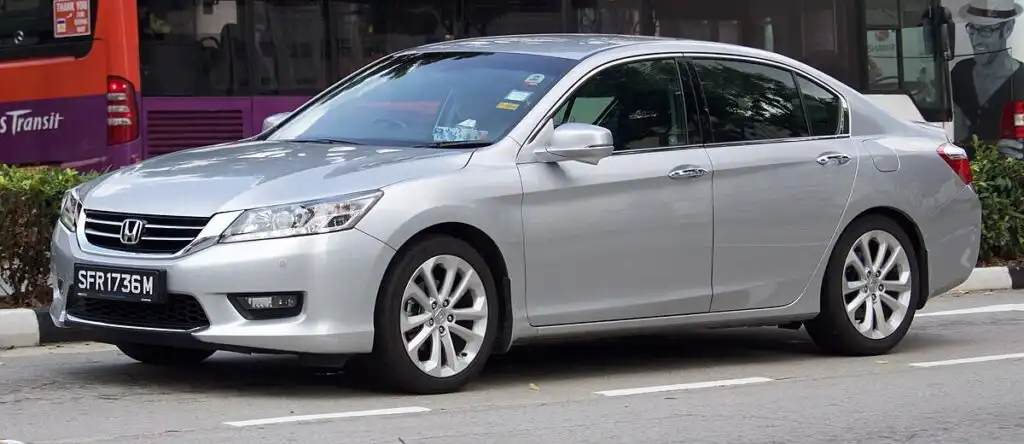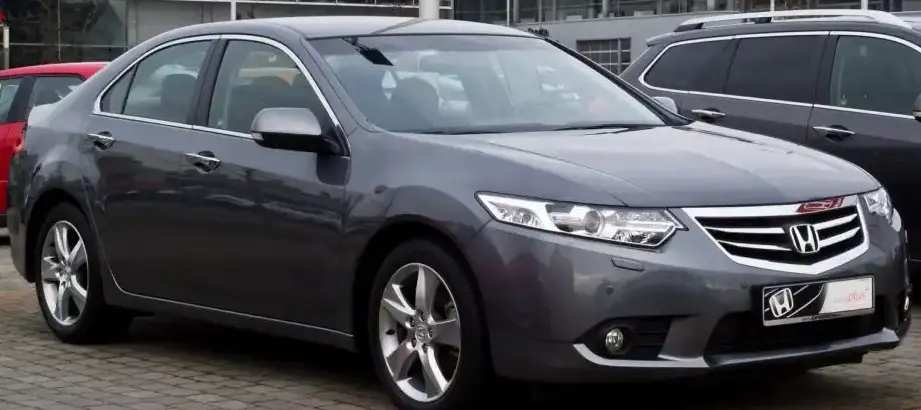
The Honda Accord VIII, specifically the facelifted model released in 2011, represented a significant evolution of Honda’s mid-size sedan. The 2.0 i-VTEC variant with an automatic transmission, produced from 2011 to 2012, occupied a key position in the Accord lineup, offering a balance between fuel efficiency and acceptable performance for the average commuter. This generation Accord (produced 2008-2012) was designed to appeal to a broader audience than its predecessor, with a focus on refinement, interior space, and modern technology. The 2011 facelift brought revised styling, improved fuel economy, and enhanced features. This particular 2.0L automatic configuration was aimed at buyers prioritizing comfort and ease of use over outright sporty driving dynamics.
Technical Specifications
| Brand | Honda |
| Model | Accord |
| Generation | Accord VIII (facelift 2011) |
| Type (Engine) | 2.0 i-VTEC (156 Hp) Automatic |
| Start of production | 2011 |
| End of production | 2012 |
| Powertrain Architecture | Internal Combustion engine |
| Body type | Sedan |
| Seats | 5 |
| Doors | 4 |
| Fuel consumption (urban) | 10.1 l/100 km (23.3 US mpg, 28 UK mpg, 9.9 km/l) |
| Fuel consumption (extra urban) | 5.6 l/100 km (42 US mpg, 50.4 UK mpg, 17.9 km/l) |
| Fuel consumption (combined) | 7.3 l/100 km (32.2 US mpg, 38.7 UK mpg, 13.7 km/l) |
| Fuel Type | Petrol (Gasoline) |
| Acceleration 0 – 100 km/h | 10.8 sec |
| Acceleration 0 – 62 mph | 10.8 sec |
| Acceleration 0 – 60 mph | 10.3 sec |
| Maximum speed | 212 km/h (131.73 mph) |
| Emission standard | Euro 5 |
| Weight-to-power ratio | 10 kg/Hp, 100.1 Hp/tonne |
| Weight-to-torque ratio | 8.1 kg/Nm, 123.2 Nm/tonne |
| Power | 156 Hp @ 5300 rpm |
| Power per litre | 78.1 Hp/l |
| Torque | 192 Nm @ 4100 rpm (141.61 lb.-ft. @ 4100 rpm) |
| Engine layout | Front, Transverse |
| Engine Model/Code | R20A3 |
| Engine displacement | 1997 cm3 (121.86 cu. in.) |
| Number of cylinders | 4 |
| Engine configuration | Inline |
| Compression ratio | 10.6:1 |
| Number of valves per cylinder | 4 |
| Fuel injection system | Multi-port manifold injection |
| Engine aspiration | Naturally aspirated engine |
| Engine oil capacity | 3.7 l (3.91 US qt, 3.26 UK qt) |
| Coolant capacity | 5.4 l (5.71 US qt, 4.75 UK qt) |
| Kerb Weight | 1558 kg (3434.8 lbs) |
| Trunk (boot) space – minimum | 467 l (16.49 cu. ft) |
| Fuel tank capacity | 65 l (17.17 US gal, 14.3 UK gal) |
| Length | 4725 mm (186.02 in) |
| Width | 1840 mm (72.44 in) |
| Height | 1470 mm (57.87 in) |
| Wheelbase | 2705 mm (106.5 in) |
| Minimum turning circle | 11.7 m (38.39 ft) |
| Drivetrain Architecture | Front wheel drive |
| Number of gears and type of gearbox | 5 gears, automatic transmission |
| Rear suspension | Independent multi-link spring suspension with stabilizer |
| Front brakes | Ventilated discs |
| Rear brakes | Disc |
| Steering type | Steering rack and pinion |
| Tires size | 205/60 R16 |
| Wheel rims size | 16 |
Introduction
The 2011-2012 Honda Accord 2.0 i-VTEC Automatic represented a mainstream offering within the eighth-generation Accord range (2008-2012). Positioned as an accessible entry point to the Accord family, it catered to buyers seeking a reliable, comfortable, and fuel-efficient sedan. The facelift brought subtle but noticeable improvements to the exterior styling, including a revised front grille and headlights, as well as interior enhancements focused on material quality and technology integration. Built on the Honda Accord platform, it shared its basic architecture with the Acura TSX in North America, demonstrating Honda’s commitment to engineering commonality across its brands.
Powertrain & Engine Architecture
At the heart of the 2.0 i-VTEC Automatic was the R20A3 engine, a 1.997-liter inline-four cylinder powerplant. This engine utilized Honda’s intelligent Variable Valve Timing and Lift Electronic Control (i-VTEC) system, which optimized valve timing and lift based on engine speed and load, improving both fuel efficiency and performance. The R20A3 featured multi-point fuel injection and a compression ratio of 10.6:1. Paired with this engine was a five-speed automatic transmission, chosen for its smooth operation and ease of use. This transmission wasn’t known for being particularly sporty, prioritizing comfort and fuel economy over rapid shifts. The automatic transmission featured Honda’s Grade Logic Control, which adjusted shift points based on road incline and vehicle load.
Driving Characteristics
The 2.0 i-VTEC Automatic Accord delivered a comfortable and predictable driving experience. With 156 horsepower and 192 Nm (141.61 lb-ft) of torque, acceleration was adequate for everyday driving, with a 0-60 mph time of around 10.3 seconds. However, it wasn’t a particularly quick car, and overtaking maneuvers required planning. The automatic transmission’s gear ratios were tuned for fuel efficiency, resulting in a somewhat relaxed feel. Compared to the more powerful 2.4-liter i-VTEC or the available manual transmission options, the 2.0L automatic felt less responsive. The suspension provided a comfortable ride, absorbing bumps and imperfections in the road well, but didn’t offer the same level of handling precision as sportier trims.
Equipment & Trim Levels
The 2.0 i-VTEC Automatic typically came standard with features such as air conditioning, power windows and locks, a basic audio system with CD player, and alloy wheels. Higher trim levels, such as the EX and EX-L, added features like a sunroof, leather upholstery, heated front seats, and a more advanced audio system with Bluetooth connectivity. Optional extras included navigation systems and upgraded sound systems. Interior upholstery was typically cloth on the base models, with leather available on higher trims. The dashboard layout was functional and user-friendly, with clearly labeled controls.
Chassis & Braking
The Accord VIII utilized a MacPherson strut front suspension and an independent multi-link rear suspension. This setup provided a good balance between ride comfort and handling. The 2.0 i-VTEC Automatic models typically featured ventilated disc brakes in the front and solid disc brakes in the rear. Anti-lock Braking System (ABS) was standard. Stabilizer bars were fitted to both the front and rear suspensions to reduce body roll during cornering. The steering was a rack-and-pinion system, providing precise and responsive steering feel.
Market Reception & Comparison
The 2.0 i-VTEC Automatic Accord was generally well-received by critics as a practical and reliable family sedan. It was praised for its spacious interior, comfortable ride, and good fuel economy. However, some reviewers noted that the engine lacked the punch of the larger 2.4-liter engine, and the automatic transmission wasn’t as engaging as a manual. Compared to competitors like the Toyota Camry and Nissan Altima, the Accord offered a more refined driving experience and a reputation for long-term reliability. Fuel economy was competitive within its class, making it an attractive option for budget-conscious buyers.
Legacy
The Honda Accord VIII, including the 2.0 i-VTEC Automatic variant, has proven to be a remarkably durable and reliable vehicle. The R20A3 engine is known for its longevity and relatively low maintenance costs. In the used car market, these Accords continue to be popular choices due to their reputation for dependability and affordability. While not a performance standout, the 2.0L automatic remains a sensible and practical option for those seeking a comfortable and reliable mid-size sedan. Common issues are relatively minor, often relating to routine maintenance items like oxygen sensors and catalytic converters as the vehicles age.