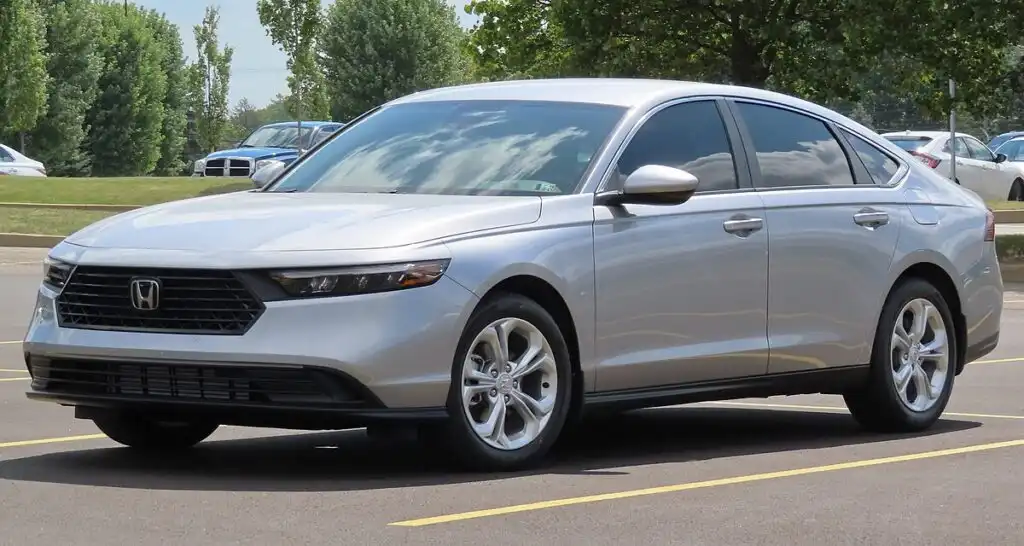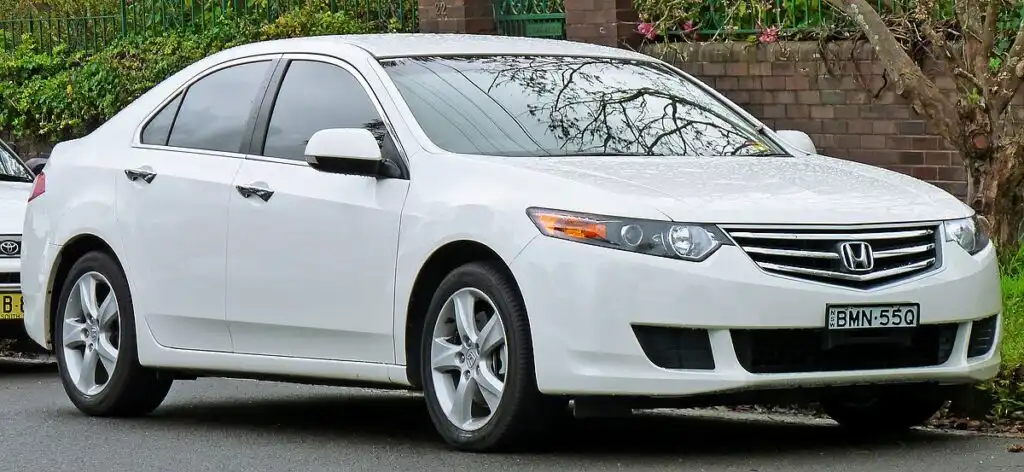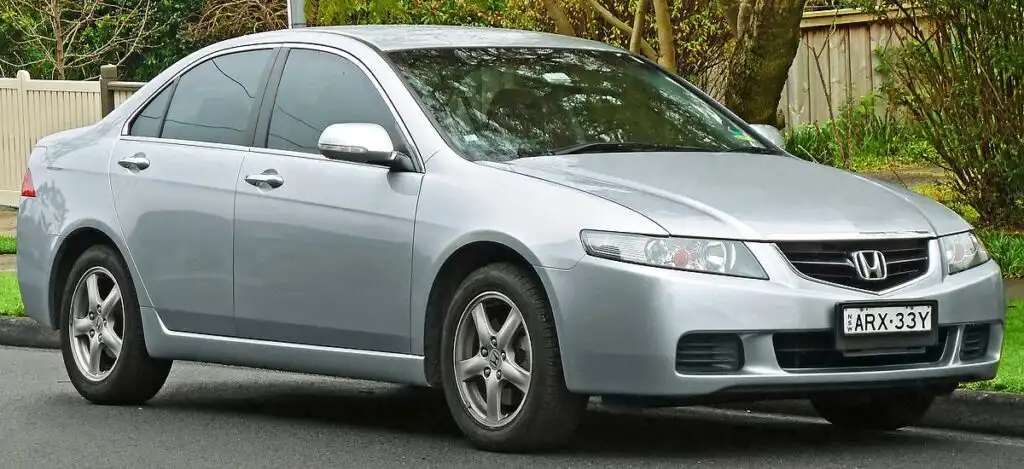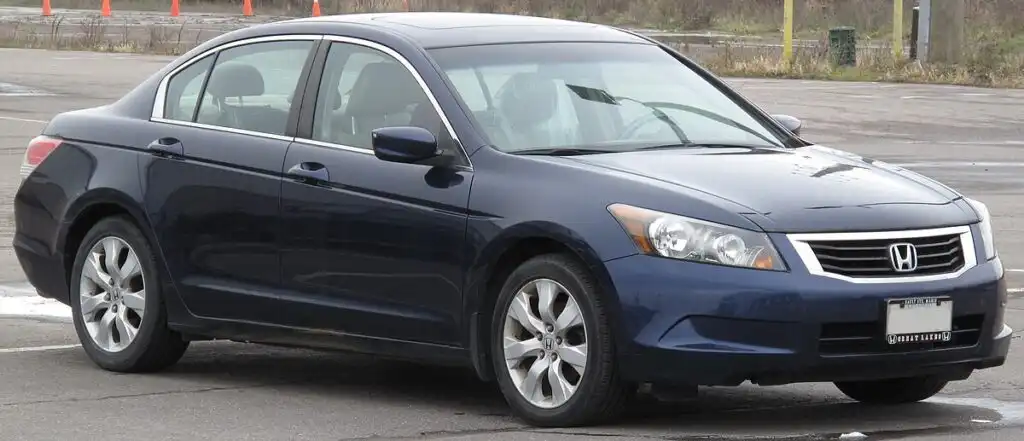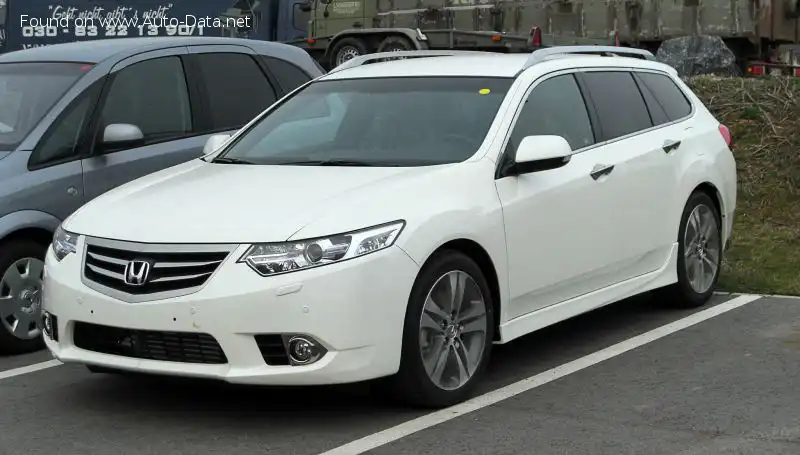
The Honda Accord VIII facelift wagon, specifically the 2.2 i-DTEC variant introduced in 2011, represented a significant offering in the European market. Produced through 2012, this model combined the practicality of a station wagon (estate) body style with a fuel-efficient diesel engine. It sat within the broader eighth-generation Accord lineup (2008-2015), which aimed to balance comfort, reliability, and modern features. This particular trim level was positioned as a sensible choice for buyers prioritizing fuel economy and space, rather than outright performance. While the Accord was never a huge seller in the US market, the European-market wagons offered a body style not typically available to American consumers.
Technical Specifications
| Brand | Honda |
| Model | Accord |
| Generation | Accord VIII (facelift 2011) Wagon |
| Type (Engine) | 2.2 i-DTEC (150 Hp) |
| Start of production | 2011 |
| End of production | 2012 |
| Powertrain Architecture | Internal Combustion engine |
| Body type | Station wagon (estate) |
| Seats | 5 |
| Doors | 5 |
| Fuel consumption (urban) | 6.9-7.0 l/100 km (34.1 – 33.6 US mpg) |
| Fuel consumption (extra urban) | 4.6-4.7 l/100 km (51.1 – 50 US mpg) |
| Fuel consumption (combined) | 5.5-5.6 l/100 km (42.8 – 42 US mpg) |
| CO2 emissions | 143-146 g/km |
| Fuel Type | Diesel |
| Acceleration 0 – 100 km/h | 9.7-9.9 sec |
| Acceleration 0 – 62 mph | 9.7-9.9 sec |
| Acceleration 0 – 60 mph | 9.2 sec |
| Maximum speed | 207 km/h (128.62 mph) |
| Emission standard | Euro 5 |
| Weight-to-power ratio | 11.4 kg/Hp |
| Weight-to-torque ratio | 4.9 kg/Nm |
| Power | 150 Hp @ 4000 rpm |
| Torque | 350 Nm @ 2000-2750 rpm (258.15 lb.-ft.) |
| Engine layout | Front, Transverse |
| Engine Model/Code | N22B1 |
| Engine displacement | 2199 cm3 (134.19 cu. in.) |
| Number of cylinders | 4 |
| Engine configuration | Inline |
| Compression ratio | 16.3:1 |
| Number of valves per cylinder | 4 |
| Fuel injection system | Diesel Commonrail |
| Engine aspiration | Turbocharger, Intercooler |
| Engine oil capacity | 5.5 l (5.81 US qt | 4.84 UK qt) |
| Coolant capacity | 6.9 l (7.29 US qt | 6.07 UK qt) |
| Kerb Weight | 1703 kg (3754.47 lbs.) |
| Trunk (boot) space – minimum | 406 l (14.34 cu. ft.) |
| Trunk (boot) space – maximum | 1183 l (41.78 cu. ft.) |
| Fuel tank capacity | 65 l (17.17 US gal | 14.3 UK gal) |
| Length | 4750 mm (187.01 in.) |
| Width | 1840 mm (72.44 in.) |
| Height | 1470 mm (57.87 in.) |
| Wheelbase | 2705 mm (106.5 in.) |
| Minimum turning circle | 11.72 m (38.45 ft.) |
| Drivetrain Architecture | Front wheel drive |
| Number of gears | 6 |
| Gearbox type | Manual transmission |
| Front suspension | Double wishbone |
| Rear suspension | Independent multi-link suspension |
| Front brakes | Ventilated discs |
| Rear brakes | Disc |
| Tires size | 215/60 R16; 225/50 R17 |
| Wheel rims size | 16; 17 |
Powertrain & Engine Architecture
The heart of the 2.2 i-DTEC Accord wagon was the N22B1 engine, a 2.2-liter inline-four cylinder diesel. This engine was a key component of Honda’s efforts to offer a more fuel-efficient option in the European market. It featured a common-rail direct injection system, delivering fuel directly into the cylinders at extremely high pressure for optimized combustion. A turbocharger with an intercooler was employed to boost power output and improve torque across a wider rev range. The engine produced 150 horsepower at 4,000 rpm and a substantial 350 Nm (258 lb-ft) of torque between 2,000 and 2,750 rpm. This torque curve was particularly well-suited to the wagon’s intended use as a practical, everyday vehicle. The engine also incorporated a diesel particulate filter (DPF) to meet stringent Euro 5 emissions standards. The engine was paired with a six-speed manual transmission, offering precise gear changes and contributing to the car’s overall efficiency.
Driving Characteristics
The 2.2 i-DTEC Accord wagon, with its 150 hp and manual transmission, provided a balanced driving experience. Acceleration from 0 to 60 mph took approximately 9.2 seconds, and top speed was rated at 128.62 mph. While not a sports car, the engine’s strong low-end torque made it feel responsive in everyday driving situations. The six-speed gearbox allowed for efficient cruising on the highway, while also providing enough gears for spirited driving on winding roads. Compared to higher-output petrol versions of the Accord, the diesel offered significantly better fuel economy, but at the expense of outright performance. The manual transmission provided more driver engagement than the optional automatic transmission available on other Accord trims.
Equipment & Trim Levels
The 2.2 i-DTEC Accord wagon typically came with a respectable level of standard equipment. This included air conditioning, power windows, power mirrors, a CD player with auxiliary input, and alloy wheels. Higher trim levels added features such as leather upholstery, a sunroof, a navigation system, and parking sensors. Safety features included ABS, electronic brakeforce distribution, and multiple airbags. The interior design was functional and well-built, with a focus on ergonomics and practicality. The wagon’s spacious interior and large cargo area made it an ideal choice for families or those needing to transport large items.
Chassis & Braking
The Accord wagon featured a double wishbone front suspension and an independent multi-link rear suspension, providing a comfortable and controlled ride. Ventilated disc brakes were used on the front wheels, while solid discs were used on the rear. ABS (Anti-lock Braking System) was standard, enhancing braking performance and stability. The suspension was tuned to prioritize comfort and stability, rather than outright sportiness. The steering was precise and responsive, providing good feedback to the driver.
Market Reception & Comparison
The Honda Accord wagon, particularly the 2.2 i-DTEC variant, was well-received in Europe as a practical and fuel-efficient family car. Critics praised its spacious interior, comfortable ride, and strong diesel engine. Compared to other diesel wagons in its class, such as the Volkswagen Passat and Ford Mondeo, the Accord offered a competitive combination of features, performance, and fuel economy. The 2.2 i-DTEC engine was generally considered reliable, although like all diesel engines, it required regular maintenance and the potential for DPF issues needed to be considered.
Legacy
The Honda Accord VIII wagon, and specifically the 2.2 i-DTEC variant, has proven to be a durable and reliable vehicle in the used car market. The N22B1 engine, when properly maintained, is known for its longevity. While diesel engines have faced increased scrutiny in recent years due to emissions concerns, the Accord’s 2.2 i-DTEC remains a viable option for those seeking a fuel-efficient and practical wagon. Today, these Accords are often sought after by buyers looking for a well-built, dependable vehicle with a spacious interior and good fuel economy. The availability of parts and a strong aftermarket support network further contribute to its continued appeal.