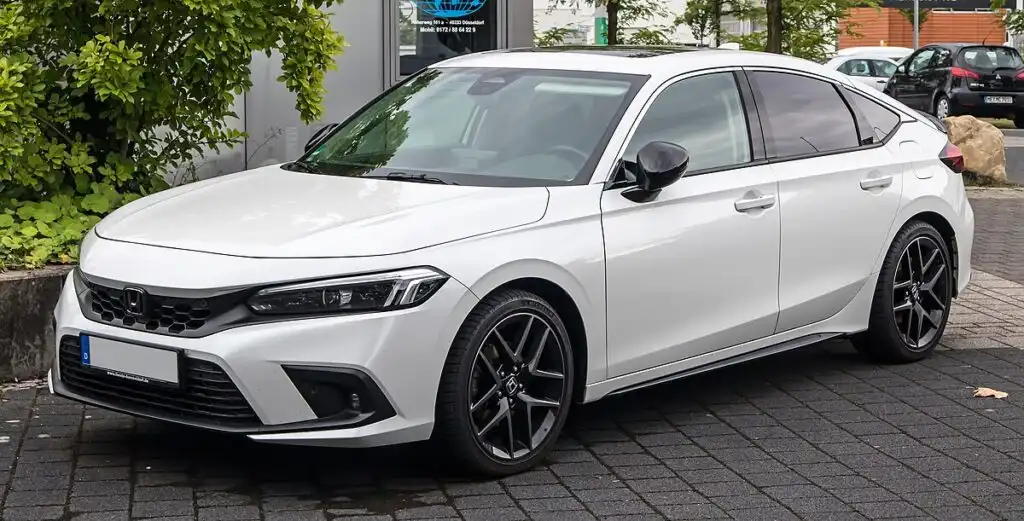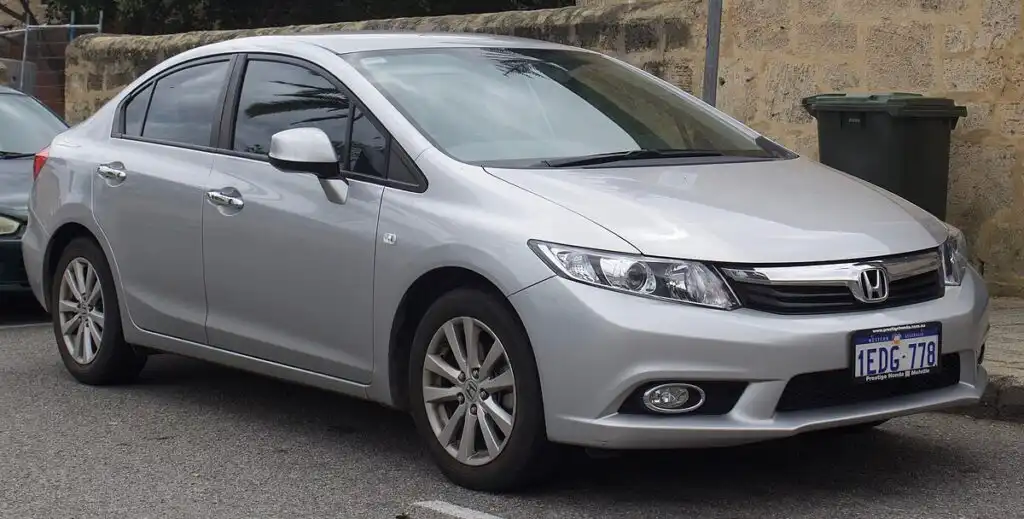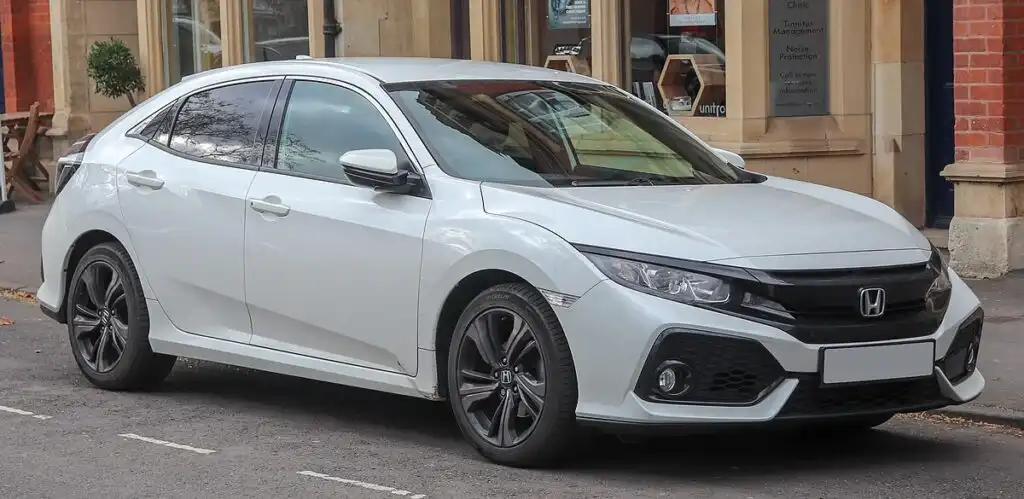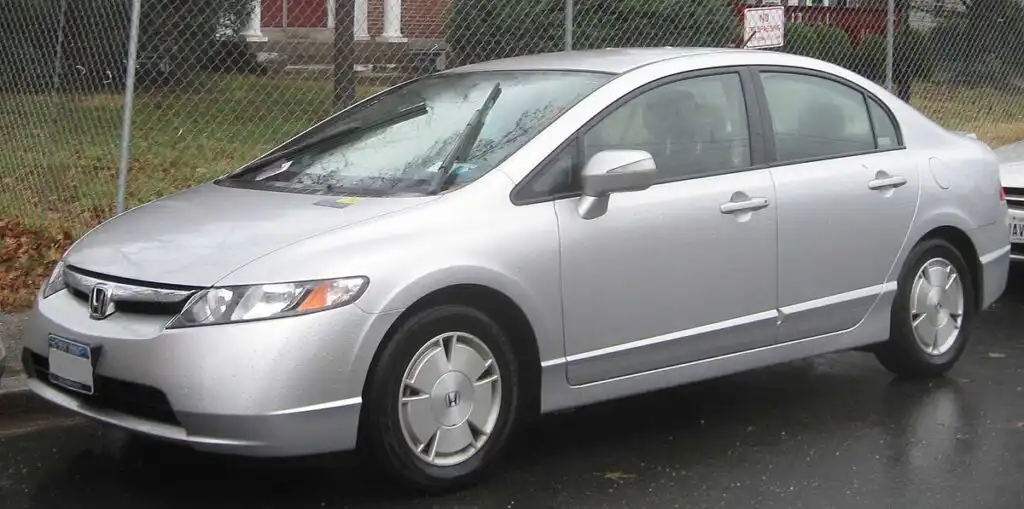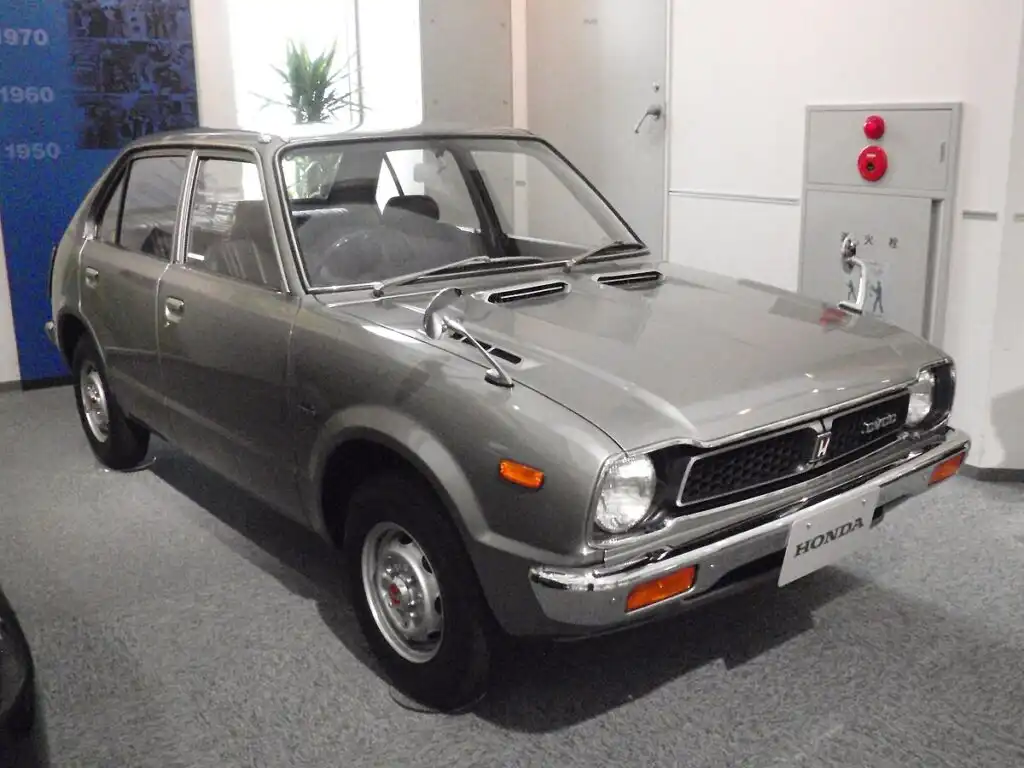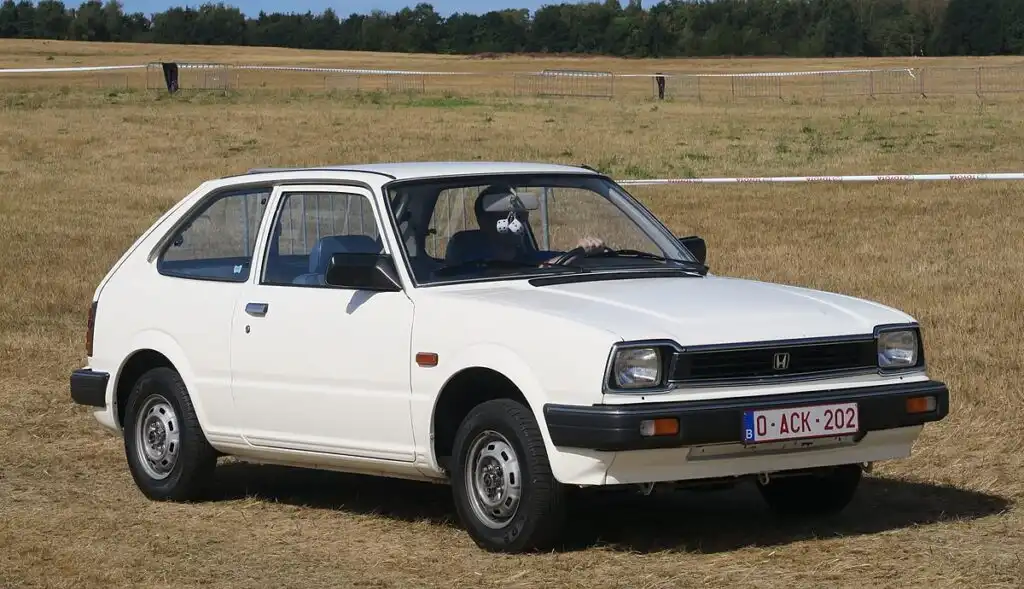
The Honda Civic I 1.3, producing 63 horsepower, represents the entry point into the first generation of Honda’s globally successful Civic line. Produced from 1972 through 1979, this variant played a crucial role in establishing the Civic as a fuel-efficient and reliable compact car, particularly during a period of rising gasoline prices and increasing demand for smaller vehicles in the United States and other markets. This initial Civic generation (coded AA) was a significant departure for Honda, marking their first foray into mass-market front-wheel-drive automobiles. The 1.3-liter model served as the foundation of the lineup, offering affordability and practicality to a broad customer base.
Technical Specifications
| Brand | Honda |
| Model | Civic |
| Generation | Civic I (AA) |
| Type (Engine) | 1.3 (63 Hp) |
| Start of Production | 1972 |
| End of Production | 1979 |
| Powertrain Architecture | Internal Combustion Engine |
| Body Type | Sedan (2-door and 4-door available) |
| Fuel Type | Petrol (Gasoline) |
| Engine Displacement | 1.3 Liters (1288 cc) |
| Power Output | 63 Hp @ 5,500 rpm |
| Torque Output | 73 lb-ft @ 3,000 rpm (approximate) |
| Engine Aspiration | Naturally Aspirated |
| Transmission | 4-speed Manual, 2-speed Automatic (Hondamatic) |
| Drivetrain | Front-Wheel Drive |
| Weight (Curb) | 1,630 – 1,760 lbs (approximate, varies by trim and body style) |
| Fuel Economy (EPA est.) | 28-32 mpg city / 38-42 mpg highway (approximate, varies by transmission) |
Powertrain & Engine Architecture
The heart of the Civic I 1.3 is a 1.3-liter, inline-four cylinder engine. Designated as the A12 engine, it features a single overhead camshaft (SOHC) design, operating with two valves per cylinder. This configuration was relatively simple for the time, prioritizing reliability and fuel efficiency over outright performance. The engine utilized a carburetor for fuel delivery, a common practice in the early 1970s. While not particularly powerful, the A12 engine was known for its smooth operation and durability. The 63 horsepower output was achieved at 5,500 revolutions per minute, and peak torque of approximately 73 lb-ft was available at 3,000 rpm.
Honda offered two transmission options: a standard four-speed manual gearbox and a two-speed automatic transmission marketed as the “Hondamatic.” The Hondamatic wasn’t a conventional automatic; it was a continuously variable transmission (CVT) utilizing a belt and pulley system. This early CVT design aimed to provide smooth acceleration and improved fuel economy, but it lacked the responsiveness of a traditional automatic and was often criticized for its rubber-band feel. The manual transmission was favored by drivers seeking more control and slightly better performance.
Driving Characteristics
The 1.3-liter Civic I, particularly when equipped with the Hondamatic transmission, offered a decidedly unhurried driving experience. Acceleration was modest, and the CVT’s operation meant engine speed often didn’t correlate directly with vehicle speed. The manual transmission provided a more engaging experience, allowing drivers to better utilize the engine’s limited power. The Civic’s lightweight construction helped mitigate the lack of horsepower, making it feel nimble in city driving. Handling was generally considered good for a car of its era, with a relatively comfortable ride quality. The front-wheel-drive layout contributed to predictable handling characteristics, although understeer was noticeable when pushed hard. The gear ratios in the Hondamatic were optimized for fuel economy, resulting in a higher cruising RPM at highway speeds.
Equipment & Trim Levels
The Civic I 1.3 was offered in a relatively basic trim level, reflecting its position as the entry-level model. Standard features typically included vinyl upholstery, basic instrumentation (speedometer, fuel gauge, and temperature gauge), and a two-spoke steering wheel. Optional extras were limited but could include a radio, heater, and upgraded interior trim. The 1.3 was available in both two-door and four-door sedan body styles. Later in the production run, a three-door hatchback version was introduced, further expanding the Civic’s appeal. The interior design was functional and minimalist, prioritizing practicality over luxury.
Chassis & Braking
The Civic I utilized a MacPherson strut front suspension and a trailing arm rear suspension. This setup provided a reasonable balance of ride comfort and handling. The steering was a rack-and-pinion system, offering precise control. Braking was initially accomplished with drum brakes on all four wheels. Later models saw the introduction of front disc brakes as standard equipment, improving stopping power. The 1.3-liter Civic’s relatively light weight helped to compensate for the modest braking performance. Stabilizer bars were not typically fitted to the base 1.3 models, further contributing to the car’s neutral handling characteristics.
Market Reception & Comparison
The Honda Civic I 1.3 was well-received by critics and consumers alike, particularly in the wake of the 1973 oil crisis. Its exceptional fuel economy – often exceeding 40 mpg on the highway – made it a popular choice for budget-conscious buyers. Compared to other compact cars of the era, such as the Volkswagen Beetle and the Ford Pinto, the Civic offered a more modern design, better build quality, and a more refined driving experience. The 1.5-liter Civic variants offered more power, but at a higher price point. The 1.3-liter model appealed to those prioritizing fuel efficiency and affordability. The Hondamatic transmission, while innovative, was often seen as a compromise compared to the more responsive manual gearbox.
Legacy
The Honda Civic I 1.3 laid the groundwork for the Civic’s enduring success. Its reputation for reliability and fuel efficiency established Honda as a major player in the compact car market. While early examples are now considered classics, the A12 engine and Hondamatic transmission are known for their relative simplicity, making them relatively easy to maintain. Today, well-preserved Civic I 1.3 models are sought after by collectors and enthusiasts, representing a significant piece of automotive history. The long-term reliability of the A12 engine, coupled with the Civic’s overall durability, means that many examples are still on the road today, a testament to Honda’s engineering prowess.