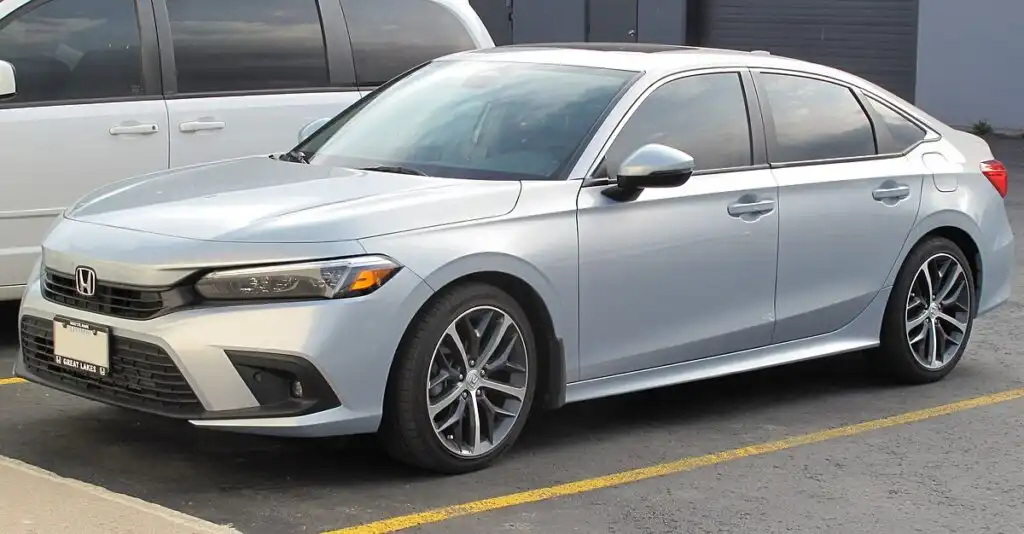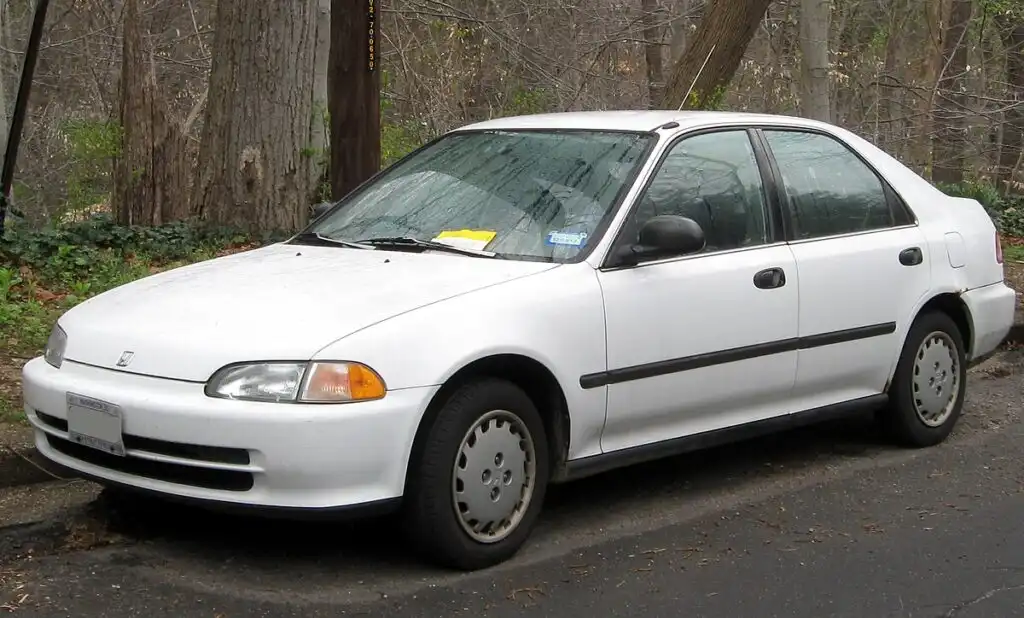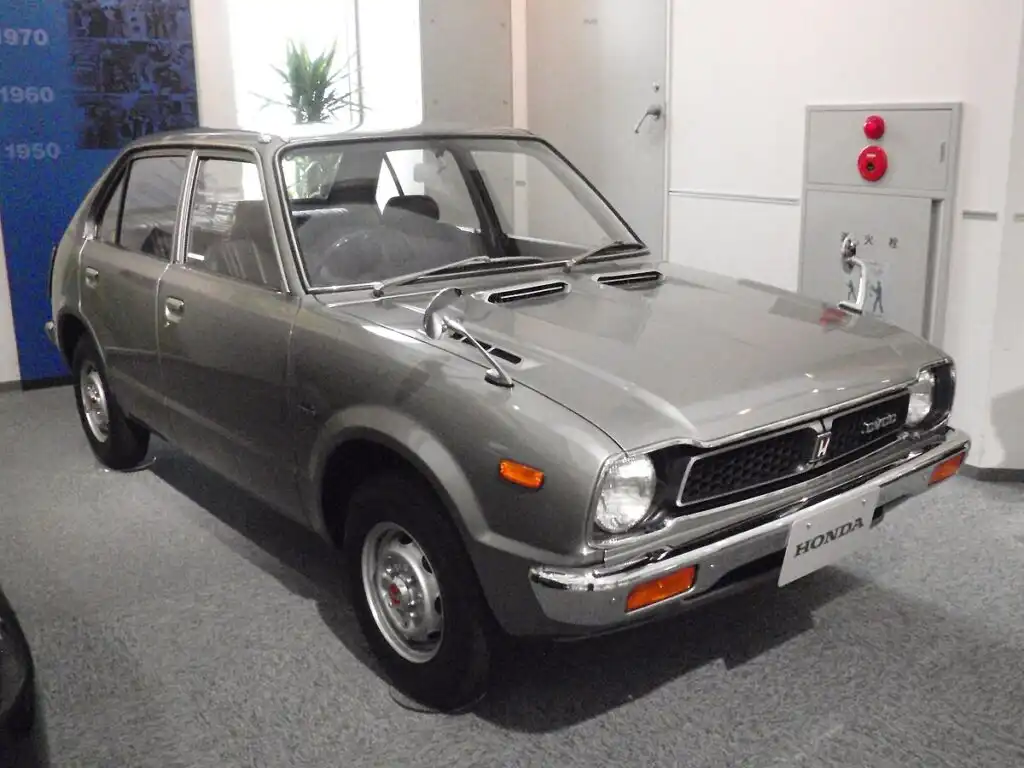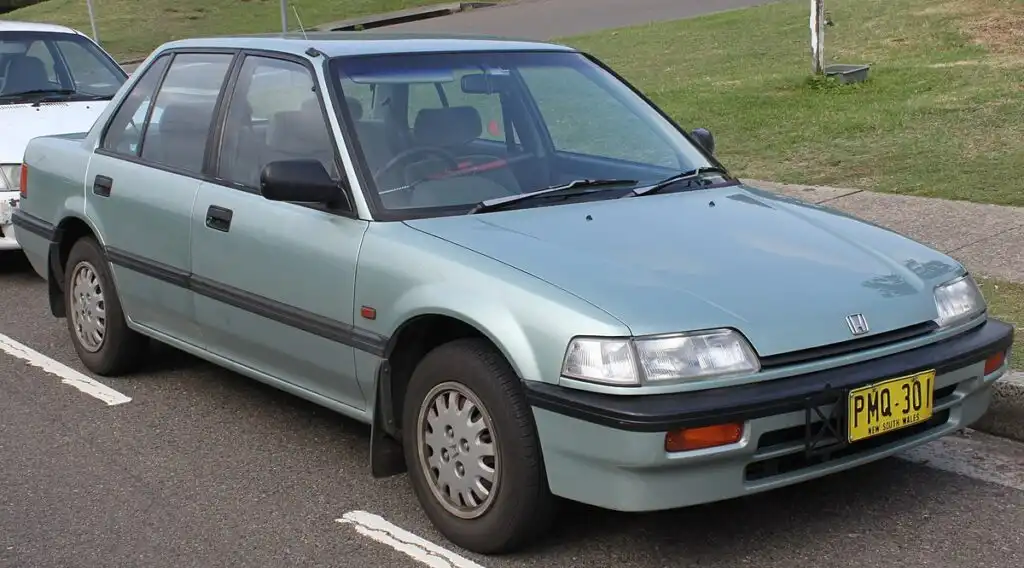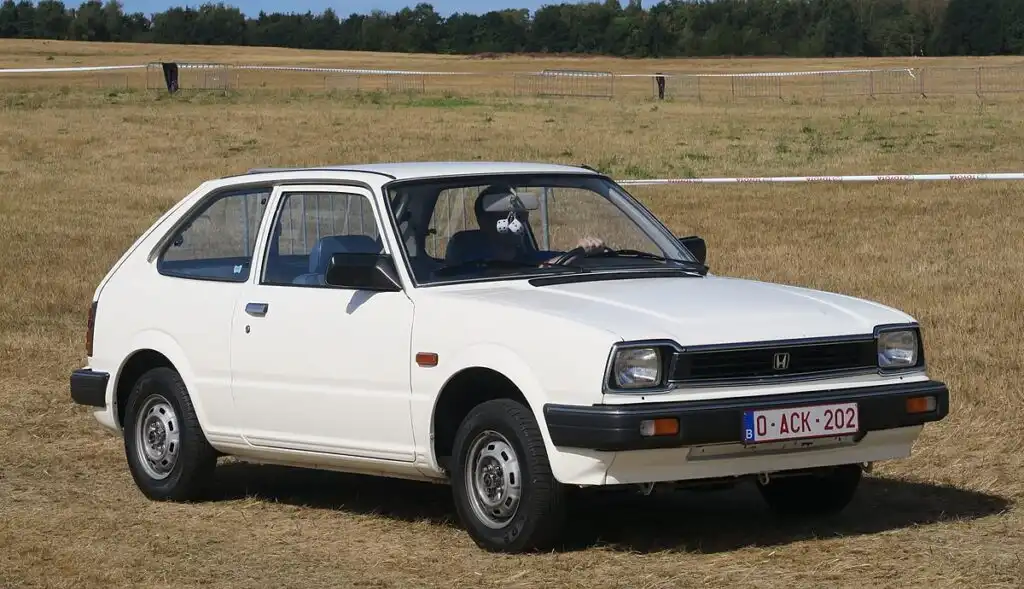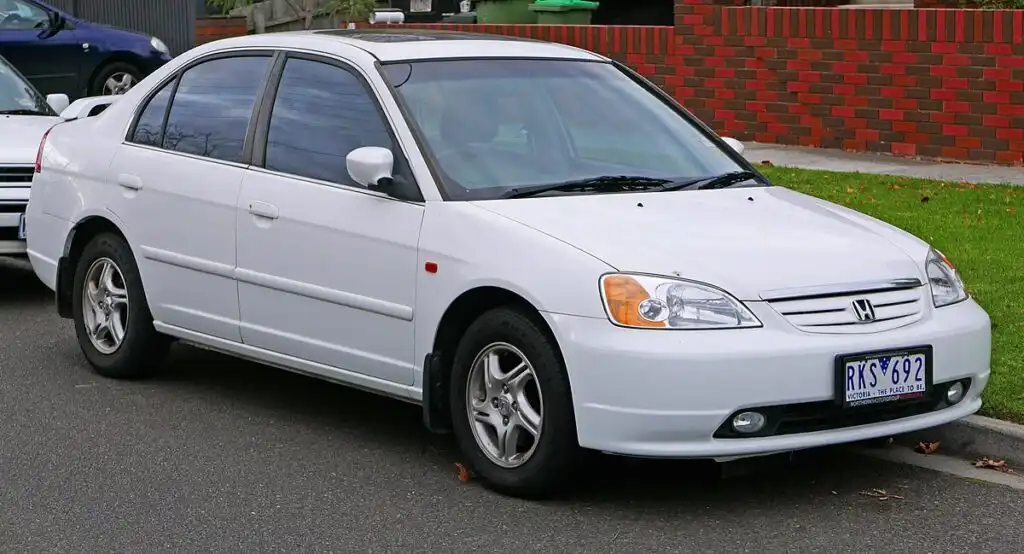
The Honda Civic I 1.5, producing 70 horsepower, represents the foundational model of Honda’s globally successful Civic line. Produced from 1972 to 1979, this variant was instrumental in establishing the Civic as a fuel-efficient, reliable, and affordable compact car, particularly during a period of rising fuel prices and increasing demand for smaller vehicles in the United States and abroad. It was the initial offering in the first generation (1972-1979) of the Civic, designated internally as the AA series, and served as the entry point into the Civic range.
Technical Specifications
| Brand | Honda |
| Model | Civic |
| Generation | Civic I |
| Type (Engine) | 1.5 (70 Hp) |
| Start of Production | 1972 |
| End of Production | 1979 |
| Powertrain Architecture | Internal Combustion Engine |
| Body Type | Sedan |
| Fuel Type | Petrol (Gasoline) |
| Power | 70 Hp |
| Engine Aspiration | Naturally Aspirated |
Powertrain & Engine Architecture
The Civic I 1.5 was powered by a 1488 cc (90.7 cubic inch) inline-four cylinder engine, designated as the A15A. This engine was a simple, yet robust design featuring a single overhead camshaft (SOHC) operating two valves per cylinder. The A15A utilized a cast iron block and a cast aluminum cylinder head, a common construction for the era. Fuel delivery was managed by a single Mikuni or Keihin carburetor, depending on the specific market and year. The engine’s relatively low compression ratio (typically around 8.5:1) prioritized fuel economy and reliability over outright performance. The engine produced 70 horsepower at 5,000 rpm and 86 lb-ft of torque at 3,000 rpm. The transmission offered was typically a four-speed manual, but a two-speed Hondamatic automatic transmission was also available, though less common. The Hondamatic was a continuously variable transmission (CVT) utilizing a belt and pulley system, a relatively innovative feature for the early 1970s.
Driving Characteristics
The 1.5-liter Civic I, particularly in its 70 horsepower configuration, was not designed for rapid acceleration. Performance was adequate for everyday commuting and highway cruising, but it was noticeably slower than larger American cars of the time. Acceleration from 0 to 60 mph took approximately 14-16 seconds. The automatic transmission, while offering convenience, further reduced acceleration times due to its inherent efficiency losses and limited gear ratios. The gear ratios in the manual transmission were geared towards maximizing fuel economy, resulting in a somewhat leisurely driving experience. Handling was generally considered good for a car of its class, with a relatively lightweight chassis and a front-engine, front-wheel-drive layout contributing to predictable cornering behavior. The suspension consisted of independent front suspension with torsion bars and a rear trailing arm suspension. The steering was manual rack and pinion, providing reasonably precise control.
Equipment & Trim Levels
The Civic I 1.5 was offered with a relatively basic level of standard equipment, reflecting its position as an affordable compact car. Standard features typically included cloth upholstery, vinyl floor covering, basic instrumentation (speedometer, fuel gauge, and temperature gauge), and manually operated windows and door locks. Optional extras included a radio, heater, and upgraded interior trim. Trim levels were fairly limited, with the base model offering minimal frills. Later years saw the introduction of slightly more upscale trims with features like improved seat fabrics and additional chrome trim. The interior design was functional and minimalist, prioritizing practicality over luxury. The dashboard layout was straightforward, with all essential controls within easy reach of the driver.
Chassis & Braking
The Civic I featured a unibody construction, contributing to its relatively lightweight design. The front suspension utilized independent torsion bar springs, while the rear suspension employed a trailing arm setup. This configuration provided a reasonable balance between ride comfort and handling. Braking was initially accomplished with drum brakes on all four wheels. Later models, particularly those sold in the US market, were often equipped with front disc brakes for improved stopping power. The braking system was hydraulically operated, providing adequate stopping performance for the car’s weight and power. Steering was manual rack and pinion, offering a direct and responsive feel. The car’s relatively small size and light weight contributed to its maneuverability in urban environments.
Market Reception & Comparison
The Honda Civic I was well-received by critics and consumers alike, particularly in the wake of the 1973 oil crisis. Its fuel efficiency, reliability, and affordability made it a popular choice for buyers seeking an economical alternative to larger, less efficient vehicles. Compared to other compact cars of the era, such as the Volkswagen Beetle and the Toyota Corolla, the Civic offered a more modern design and a more refined driving experience. The 1.5-liter engine, while not particularly powerful, provided sufficient power for most driving situations. The automatic transmission, while not as efficient as the manual, offered added convenience. Fuel economy was a major selling point, with the Civic I achieving around 30-35 mpg in real-world driving conditions. Reliability was also highly praised, with the Civic earning a reputation for being a durable and trouble-free car.
Legacy
The Honda Civic I 1.5 laid the groundwork for the Civic’s enduring success. Its simple, reliable design and fuel-efficient engine established the Civic as a leader in the compact car segment. The A15A engine, while superseded by more powerful and sophisticated engines in later Civic models, proved to be a durable and long-lasting powerplant. Today, the Civic I is a popular choice among classic car enthusiasts, particularly those seeking a well-preserved example of a 1970s Japanese automobile. Parts availability can be a challenge, but the Civic’s relatively simple mechanical design makes it a relatively easy car to maintain and repair. The 1.5-liter engine, while not a performance powerhouse, remains a reliable and fuel-efficient option for those seeking a classic driving experience. The Civic I’s legacy continues to influence Honda’s automotive design and engineering philosophy to this day.