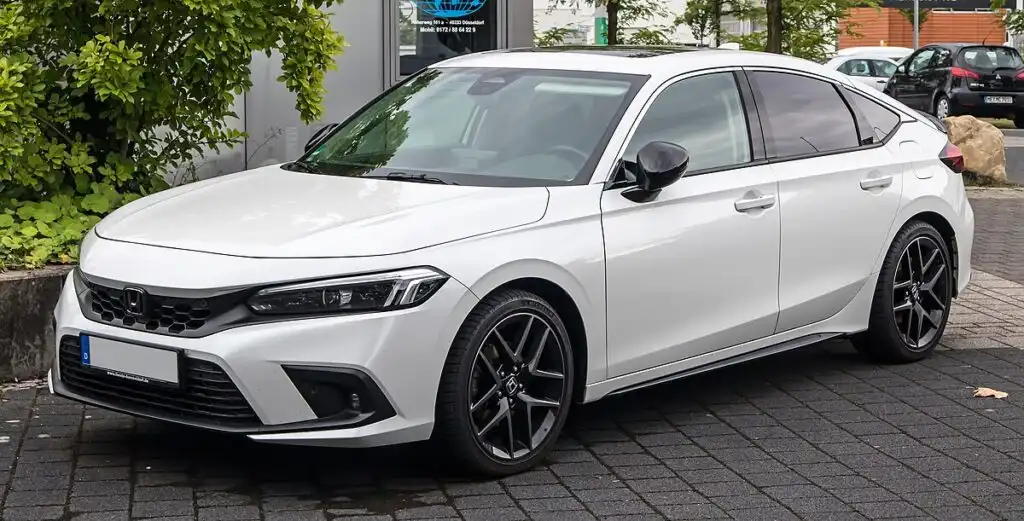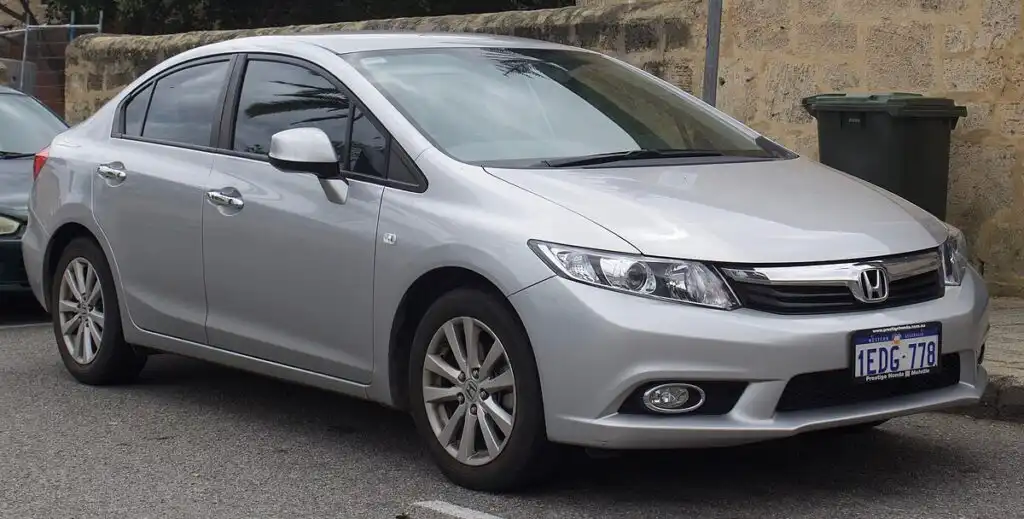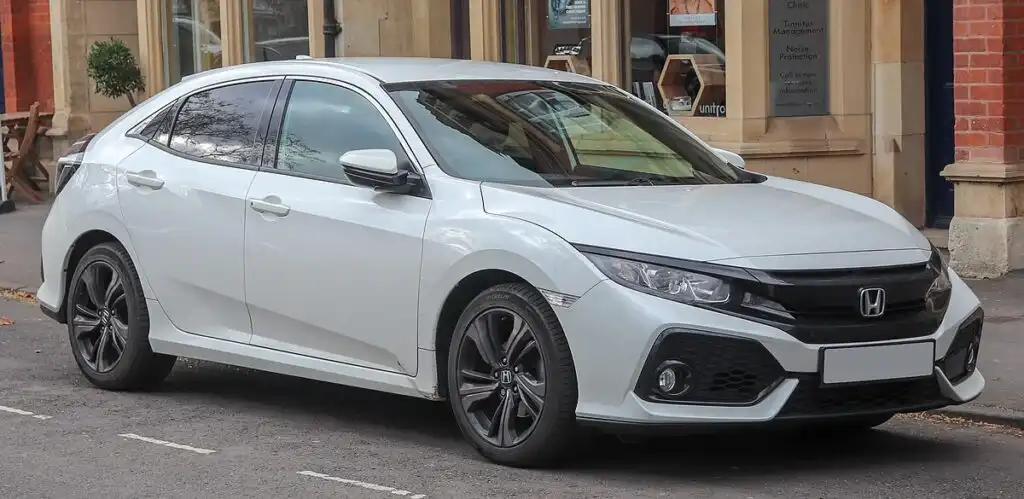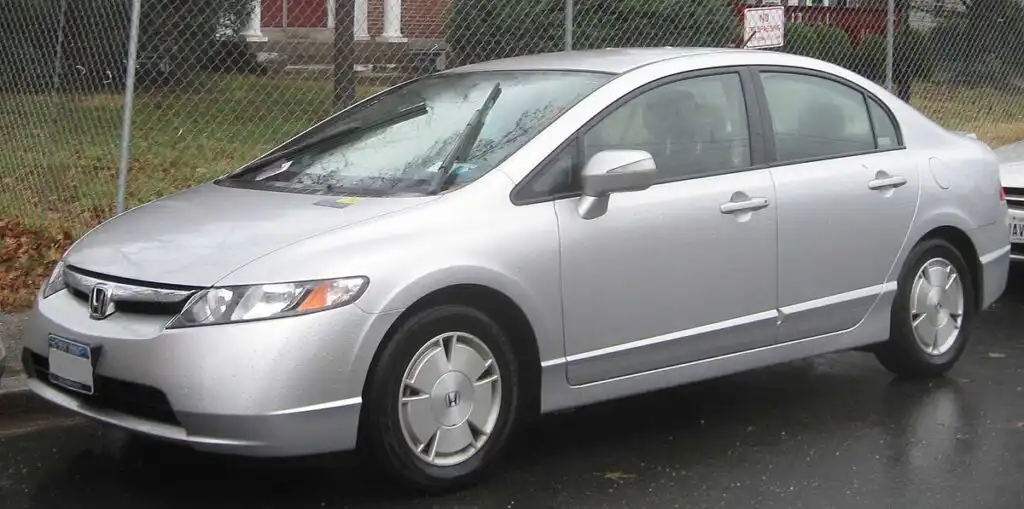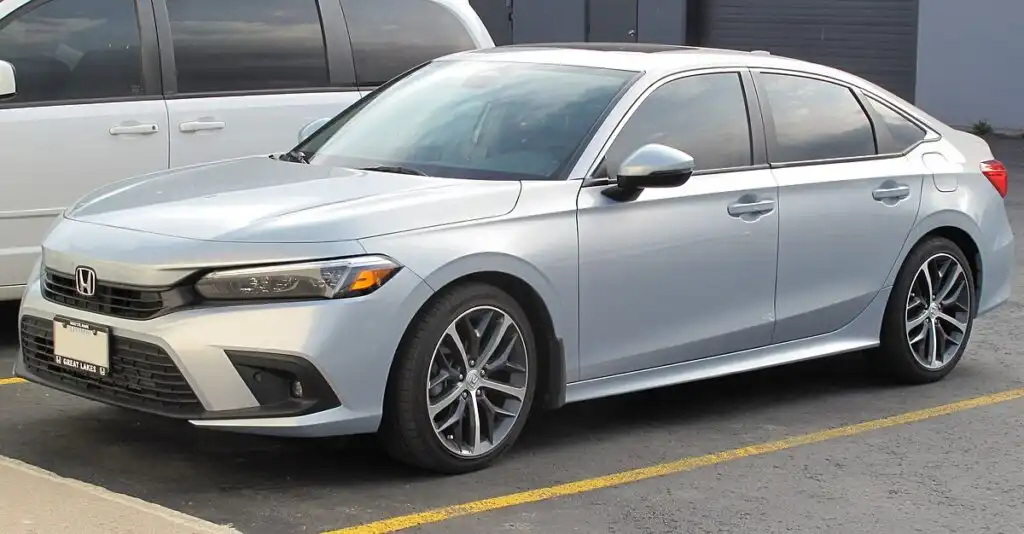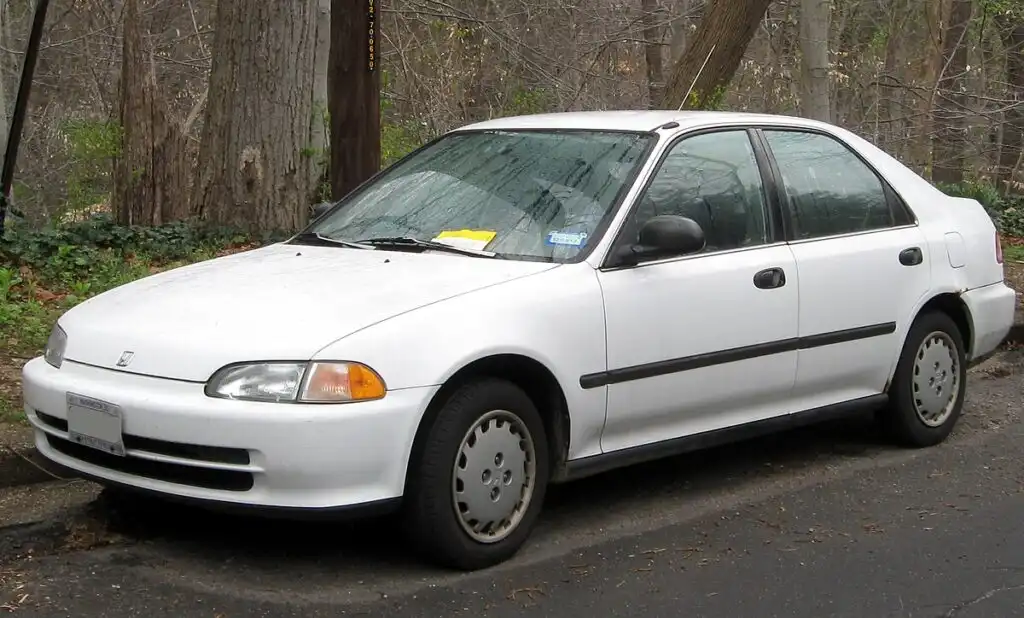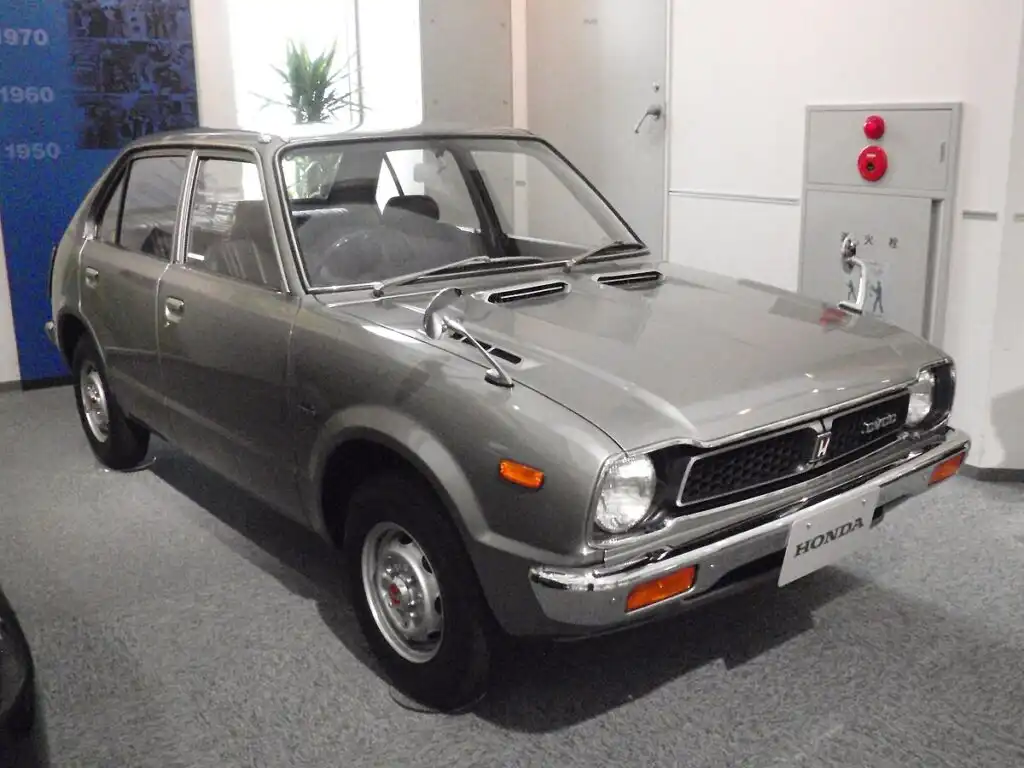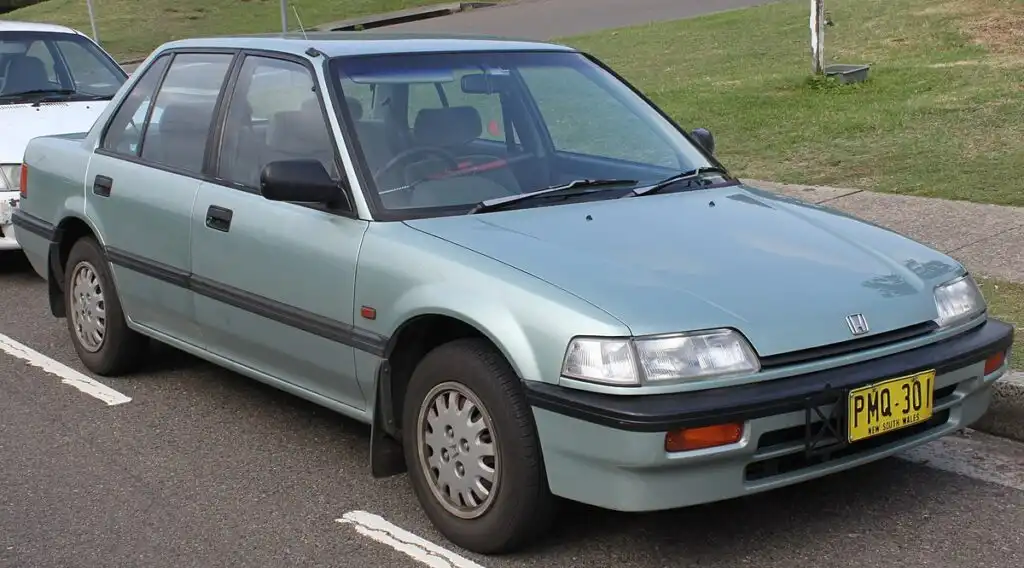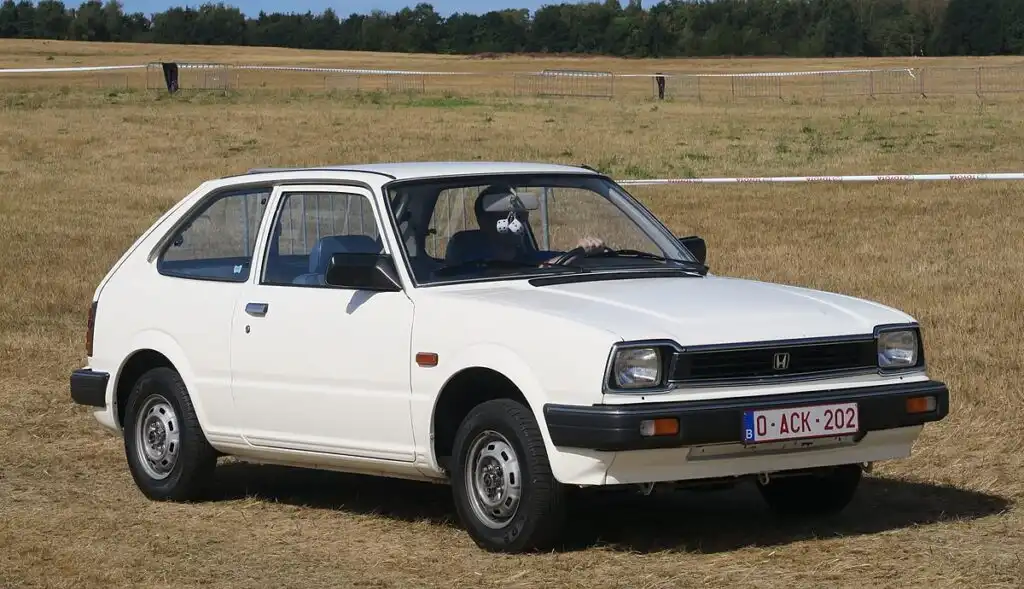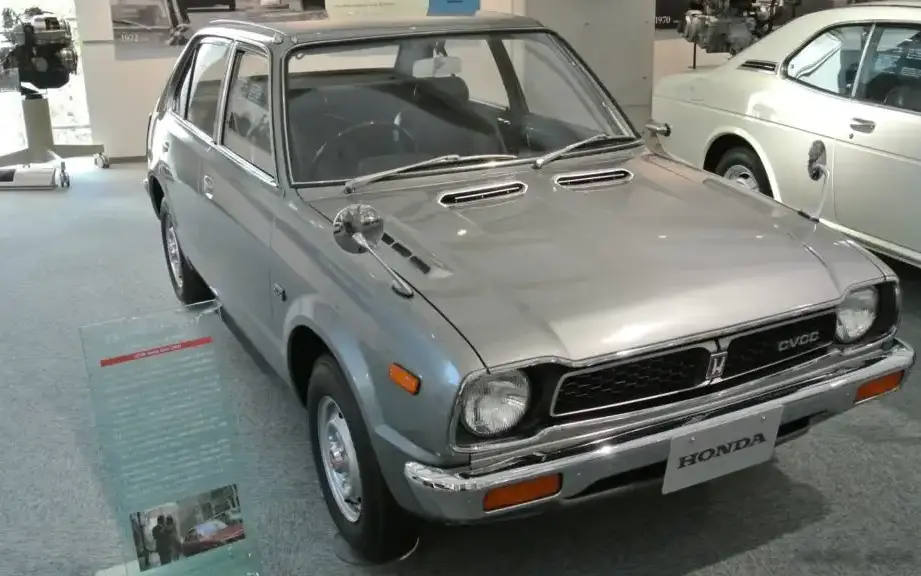
The Honda Civic I Hatchback 1.5, produced between 1972 and 1979, represents the initial foray of Honda into the compact car market, and crucially, the American market. This first-generation Civic, designated internally as the 1st generation (1972-1979), was a pivotal model for Honda, establishing the brand’s reputation for fuel efficiency, reliability, and affordability. The 1.5-liter, 70 horsepower variant was a mainstay of the lineup, particularly in North America, where it competed with other small imports like the Volkswagen Beetle and Toyota Corolla. It was offered exclusively as a hatchback during these years, a body style gaining popularity for its practicality and versatility. This specific trim level served as the entry point into the Civic range, appealing to buyers prioritizing economy and basic transportation.
Technical Specifications
| Brand | Honda |
| Model | Civic |
| Generation | Civic I Hatchback |
| Type (Engine) | 1.5 (70 Hp) |
| Start of production | 1972 |
| End of production | 1979 |
| Powertrain Architecture | Internal Combustion Engine |
| Body type | Hatchback |
| Fuel Type | Petrol (Gasoline) |
| Power | 70 Hp |
| Engine Aspiration | Naturally Aspirated |
Powertrain & Engine Architecture
The heart of the Civic I Hatchback 1.5 was the A15A engine, a 1488 cc (90.8 cubic inches) inline-four cylinder engine. This engine featured a single overhead camshaft (SOHC) design, operating with two valves per cylinder. Fuel delivery was managed by a Keihin carburetor, a common setup for the era. The A15A was known for its simplicity and durability, characteristics that contributed to the Civic’s overall reliability. The engine produced 70 horsepower at 5,000 rpm and 86 lb-ft of torque at 3,000 rpm. While not a powerhouse, the engine’s torque curve was relatively flat, providing adequate power for everyday driving. The transmission options included a four-speed manual and a two-speed Hondamatic automatic. The Hondamatic, while technically an automatic, was a continuously variable transmission (CVT) – a relatively novel technology at the time. It utilized a belt-and-pulley system to provide seamless gear changes, though it wasn’t as refined or efficient as modern CVTs. The automatic transmission was a popular choice for buyers seeking ease of use, particularly in urban environments.
Driving Characteristics
The 1.5-liter Civic with the Hondamatic transmission offered a comfortable, if not particularly exhilarating, driving experience. Acceleration was modest, with 0-60 mph times estimated around 14-16 seconds. The two-speed Hondamatic transmission prioritized fuel economy over performance. The gear ratios were optimized for cruising, resulting in a relaxed driving experience on the highway, but slower acceleration when overtaking or merging. The manual transmission version, naturally, offered quicker acceleration and more driver engagement. The Civic’s lightweight construction (around 1,600-1,800 lbs depending on equipment) helped to mitigate the engine’s modest power output. Handling was generally considered good for a car of its class, with a relatively nimble feel thanks to its front-wheel-drive layout and independent front suspension. Rear suspension consisted of a solid axle with leaf springs, which provided a comfortable ride but wasn’t as sophisticated as the front setup.
Equipment & Trim Levels
The Civic I Hatchback 1.5 was offered in relatively basic trim levels, reflecting its position as the entry-level model. Standard features typically included cloth upholstery, vinyl floor covering, and basic instrumentation – a speedometer, fuel gauge, and temperature gauge. Amenities like a radio, heater, and cigarette lighter were often optional extras. Higher trim levels, though still relatively spartan by modern standards, could include features like upgraded upholstery, a more comprehensive instrument cluster, and exterior trim enhancements. The interior design was functional and straightforward, prioritizing practicality over luxury. The hatchback configuration provided ample cargo space for its size, making it a versatile vehicle for everyday use.
Chassis & Braking
The Civic I Hatchback utilized a unibody construction, providing a good balance of strength and weight. The front suspension featured independent MacPherson struts, while the rear suspension employed a solid axle with leaf springs. This setup provided a comfortable ride, but the rear suspension could sometimes feel bouncy when fully loaded. Braking consisted of drum brakes on all four wheels, which were adequate for the car’s weight and performance. Power steering and power brakes were not typically offered on the base 1.5-liter model. The steering was manual, providing a direct feel but requiring more effort at low speeds. The relatively simple chassis design contributed to the Civic’s ease of maintenance and repair.
Market Reception & Comparison
The Honda Civic I Hatchback 1.5 was well-received by critics and consumers alike. It was praised for its fuel efficiency, reliability, and affordability. Compared to its competitors, such as the Volkswagen Beetle and Toyota Corolla, the Civic offered a more modern design and a more comfortable driving experience. The Hondamatic transmission, while not universally loved, was seen as a convenient option for drivers who preferred an automatic. Fuel economy was a major selling point, particularly during the oil crises of the 1970s. The Civic consistently achieved impressive gas mileage figures, making it an attractive option for budget-conscious buyers. However, the 1.5-liter engine was sometimes criticized for its lack of power, especially when paired with the Hondamatic transmission. The manual transmission version offered better performance, but the automatic was more popular among buyers seeking convenience.
Legacy
The Honda Civic I Hatchback 1.5 laid the foundation for the Civic’s enduring success. It established Honda as a major player in the compact car market and cemented the brand’s reputation for quality and reliability. The A15A engine proved to be remarkably durable, and many examples are still on the road today. The Hondamatic transmission, while not as common as the manual, is also known for its longevity. In the used car market, well-maintained Civic I Hatchbacks are sought after by collectors and enthusiasts. The car’s simplicity, reliability, and fuel efficiency continue to appeal to buyers looking for a classic, affordable, and practical vehicle. The first-generation Civic remains a significant milestone in automotive history, representing a turning point for both Honda and the compact car segment.