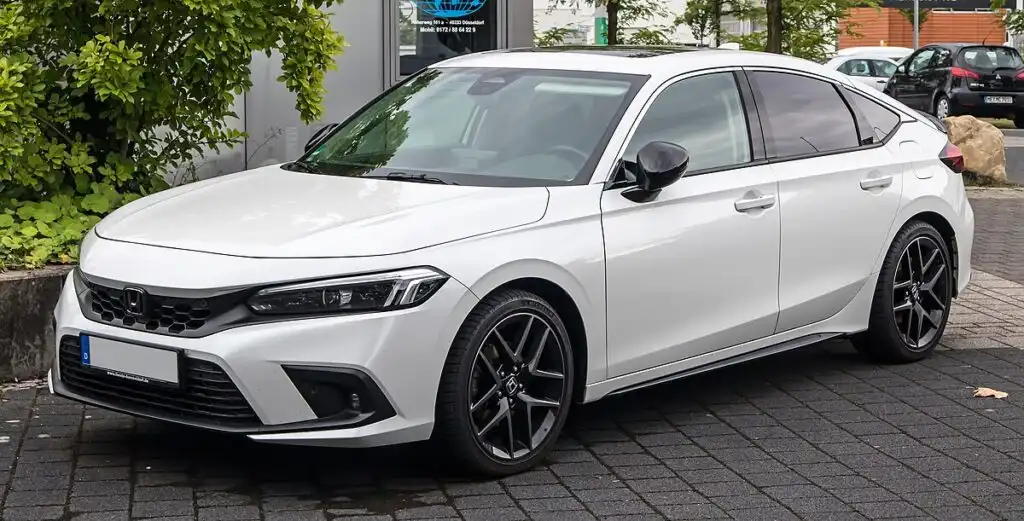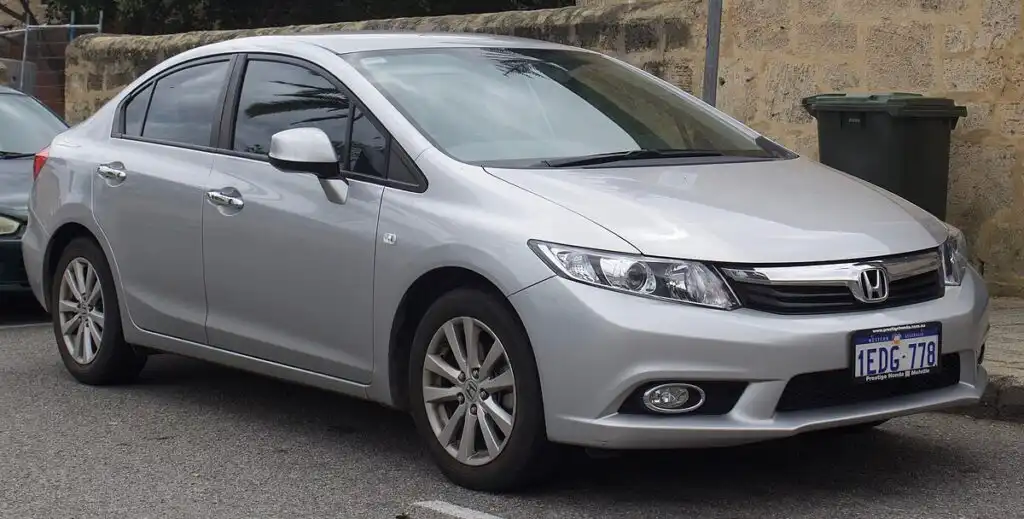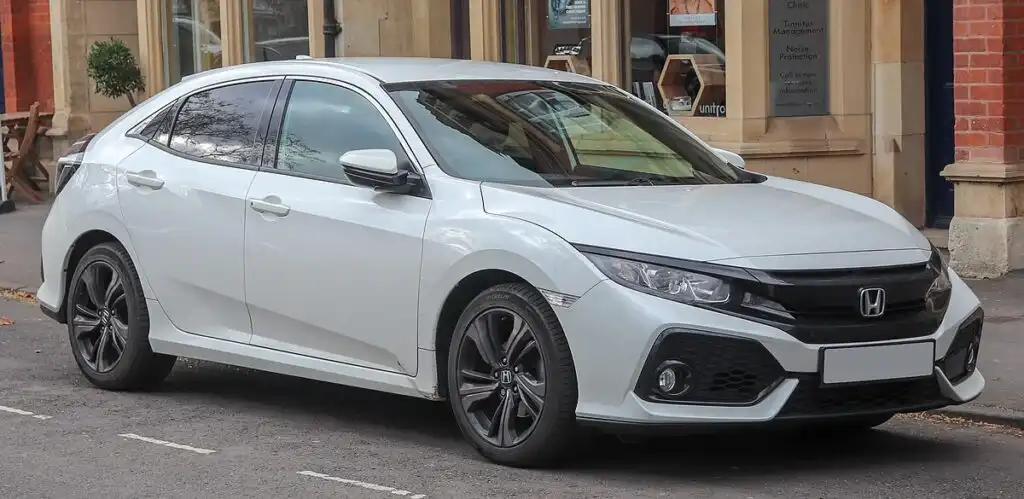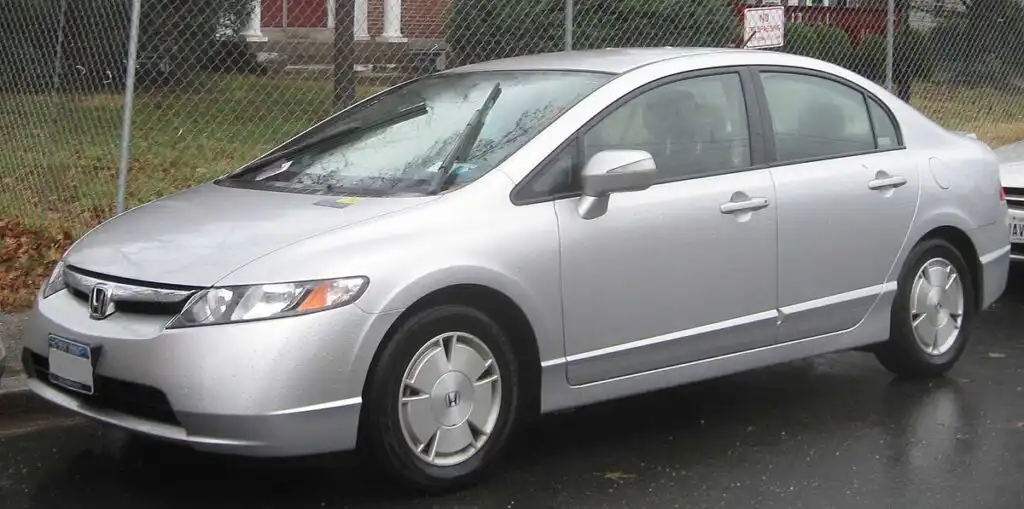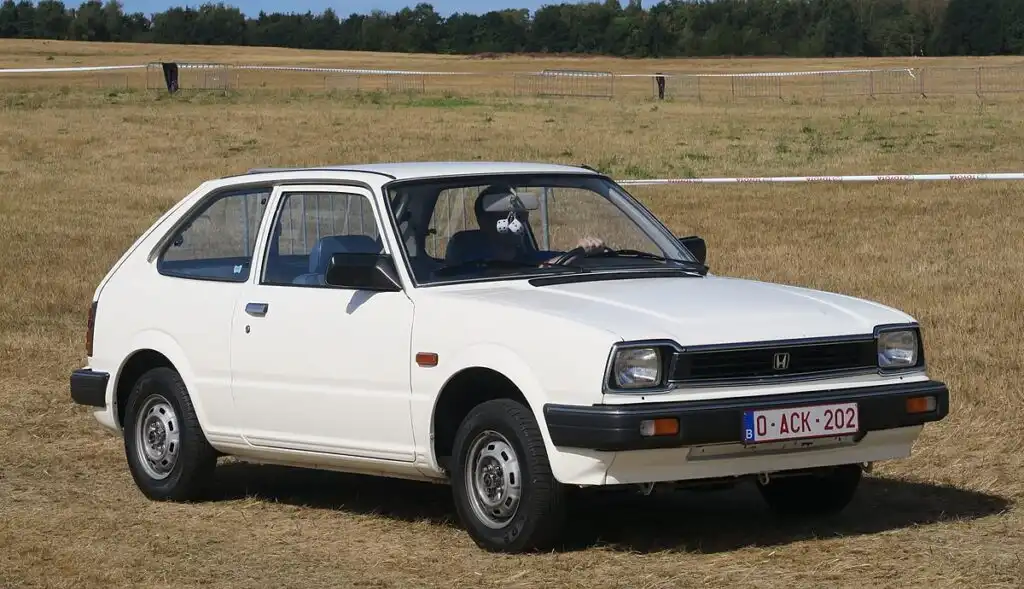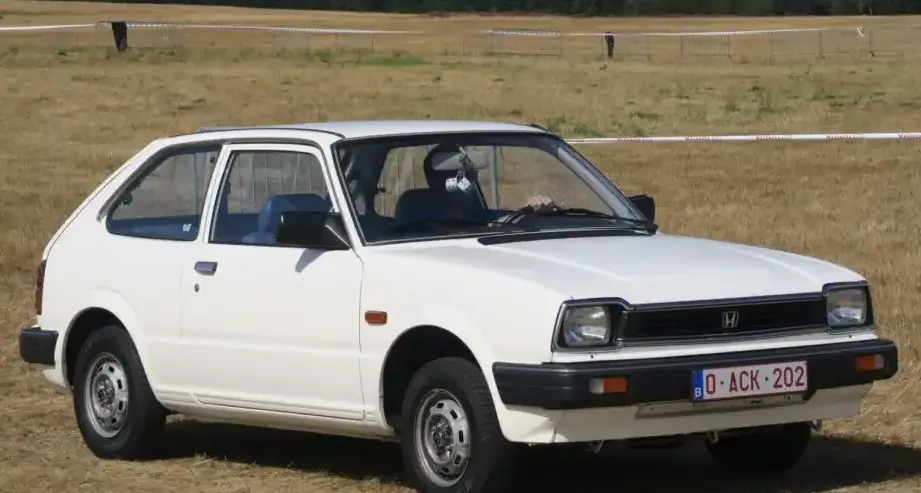
The Honda Civic II Hatchback 1.2, produced between 1980 and 1983, represents a significant step in the evolution of Honda’s popular Civic line. This second-generation Civic, internally designated as the AA series, built upon the success of the first generation, offering improved refinement, fuel efficiency, and a slightly larger interior. The 1.2-liter variant, producing 60 horsepower, served as the entry point into the Civic range during these years, primarily aimed at buyers seeking economical and reliable transportation. It was a key model in establishing the Civic’s reputation for practicality and longevity, particularly in markets where smaller, fuel-efficient cars were highly valued.
Technical Specifications
| Brand | Honda |
| Model | Civic |
| Generation | Civic II Hatchback |
| Type (Engine) | 1.2 (60 Hp) |
| Start of production | 1980 |
| End of production | 1983 |
| Powertrain Architecture | Internal Combustion Engine |
| Body Type | Hatchback |
| Fuel Type | Petrol (Gasoline) |
| Power | 60 Hp |
| Engine Aspiration | Naturally Aspirated |
Powertrain & Engine Architecture
The heart of the Civic II 1.2 is a 1169cc (71.2 cubic inch) inline-four cylinder engine. This engine, part of Honda’s A-series, utilized a single overhead camshaft (SOHC) design, operating with two valves per cylinder. Fuel delivery was managed by a carburetor, a common feature for vehicles of this era, prioritizing simplicity and cost-effectiveness. While not boasting high performance figures, the engine was known for its smooth operation and reliability. The engine code for this specific variant is often identified as A12A. The engine’s relatively low compression ratio (typically around 8.5:1) contributed to its ability to run on lower octane fuel, further enhancing its appeal as an economical choice. The transmission paired with the 1.2-liter engine was typically a four-speed manual, though a two-speed automatic transmission (Honda’s Hondamatic) was also offered, albeit less commonly. The Hondamatic, while providing automatic convenience, did impact fuel economy and acceleration compared to the manual gearbox.
Driving Characteristics
The 1.2-liter Civic II Hatchback offered modest, but adequate, performance for everyday driving. With 60 horsepower on tap, acceleration was not its strong suit. Zero to sixty mph times were typically in the 14-16 second range. However, the Civic’s lightweight construction – typically around 1,600-1,800 lbs – helped to mitigate the lack of outright power. The four-speed manual transmission allowed drivers to keep the engine in its optimal power band, providing reasonable responsiveness for merging and overtaking. The automatic transmission, while convenient, resulted in noticeably slower acceleration and a less engaging driving experience. The Civic’s suspension, featuring independent front suspension and a rear beam axle, provided a comfortable ride, absorbing bumps and imperfections in the road effectively. Steering was light and precise, making the Civic easy to maneuver in urban environments. Overall, the driving experience was characterized by practicality and ease of use, rather than sporty performance.
Equipment & Trim Levels
The 1.2-liter Civic II Hatchback was generally offered in a base trim level, focusing on essential features. Standard equipment typically included cloth upholstery, vinyl floor covering, basic instrumentation (speedometer, fuel gauge, and temperature gauge), and a two-spoke steering wheel. Air conditioning and a radio were often optional extras. Interior appointments were functional and durable, prioritizing longevity over luxury. The exterior featured steel wheels with hubcaps, and relatively simple body trim. Higher trim levels, available with larger engines (1.5L and 1.6L), offered features such as upgraded upholstery, more comprehensive instrumentation, and additional exterior trim. The 1.2L model was positioned as the most affordable entry point into the Civic range, appealing to budget-conscious buyers.
Chassis & Braking
The Civic II Hatchback utilized a monocoque body construction, providing a good balance of strength and weight. The front suspension featured independent MacPherson struts, while the rear suspension employed a torsion beam axle. This setup provided a comfortable ride and predictable handling. Braking was typically accomplished with drum brakes on all four wheels, which were adequate for the vehicle’s weight and performance. Power steering was not typically offered on the base 1.2-liter model, requiring more driver effort at low speeds. The relatively simple chassis design contributed to the Civic’s overall reliability and ease of maintenance.
Market Reception & Comparison
The Honda Civic II 1.2 received generally positive reviews for its fuel efficiency, reliability, and affordability. Critics praised its build quality and overall practicality. However, the 1.2-liter engine was often criticized for its lack of power, particularly when compared to larger-engined rivals. Compared to other trims in the Civic lineup, the 1.2-liter model offered the lowest price point, making it accessible to a wider range of buyers. The 1.5-liter and 1.6-liter versions provided significantly more performance, but at a higher cost. In terms of fuel economy, the 1.2-liter Civic II typically achieved around 35-40 mpg, making it a very economical choice for daily commuting. Compared to competitors like the Toyota Corolla and Nissan Sentra, the Civic offered a similar level of reliability and fuel efficiency, but often with a slightly more refined driving experience.
Legacy
The Honda Civic II 1.2, while not the most powerful or feature-rich variant of its generation, played a crucial role in establishing the Civic’s reputation as a reliable, fuel-efficient, and affordable compact car. The A-series engine proved to be remarkably durable, and many examples of the 1.2-liter Civic II are still on the road today. In the used car market, these Civics are often sought after by enthusiasts and collectors for their simplicity, ease of maintenance, and classic styling. While parts availability may be becoming more challenging, the Civic’s robust construction and readily available aftermarket support ensure that it remains a viable and enjoyable classic car for years to come. The 1.2L engine, while not a performance powerhouse, is known for its longevity and relatively simple repair procedures, making it a favorite among those seeking a reliable and affordable vintage vehicle.