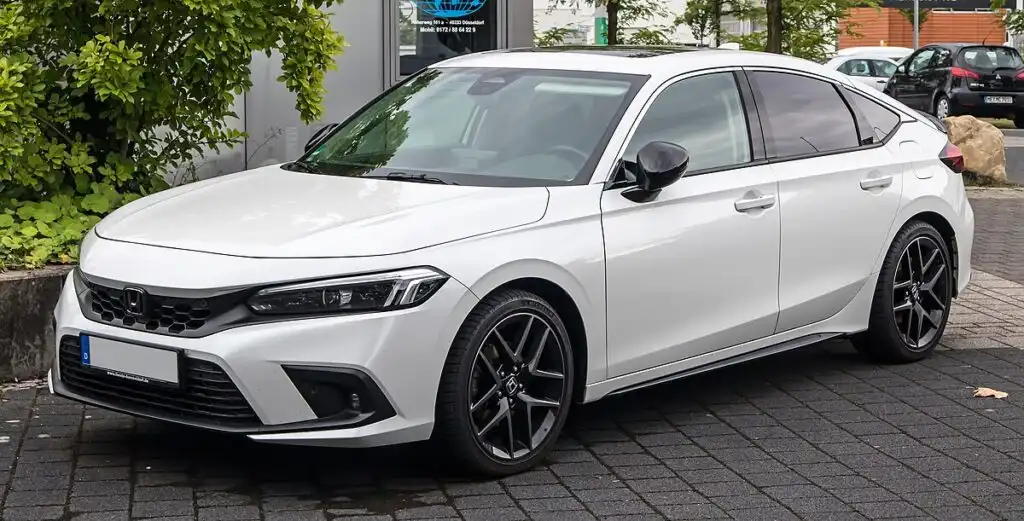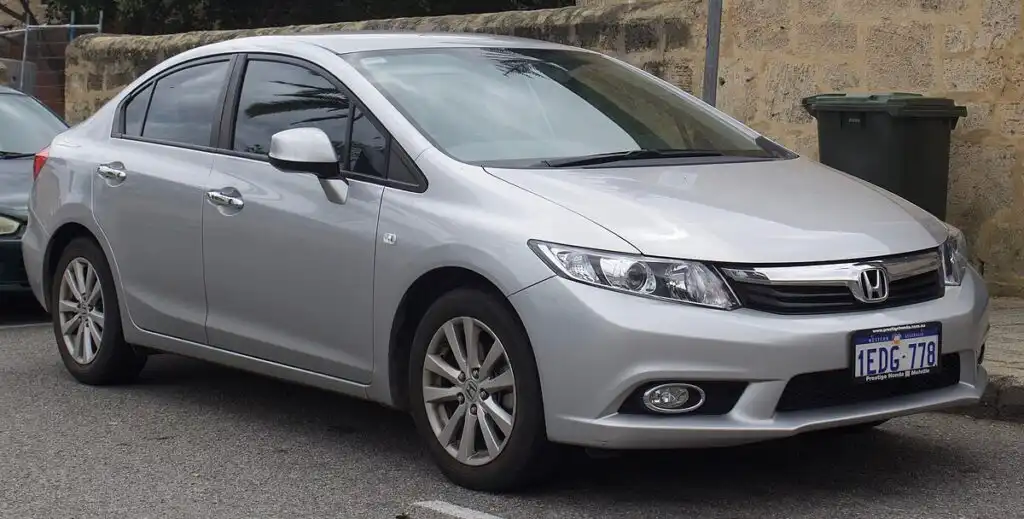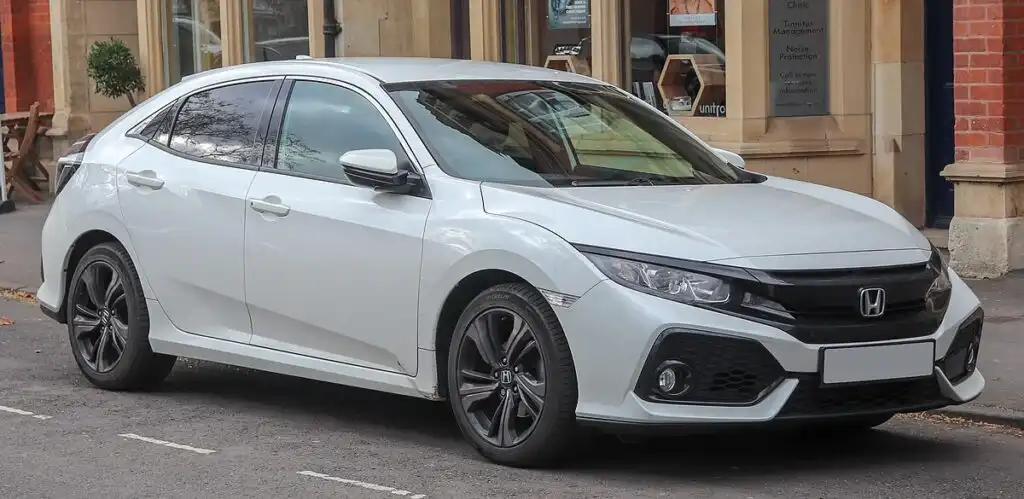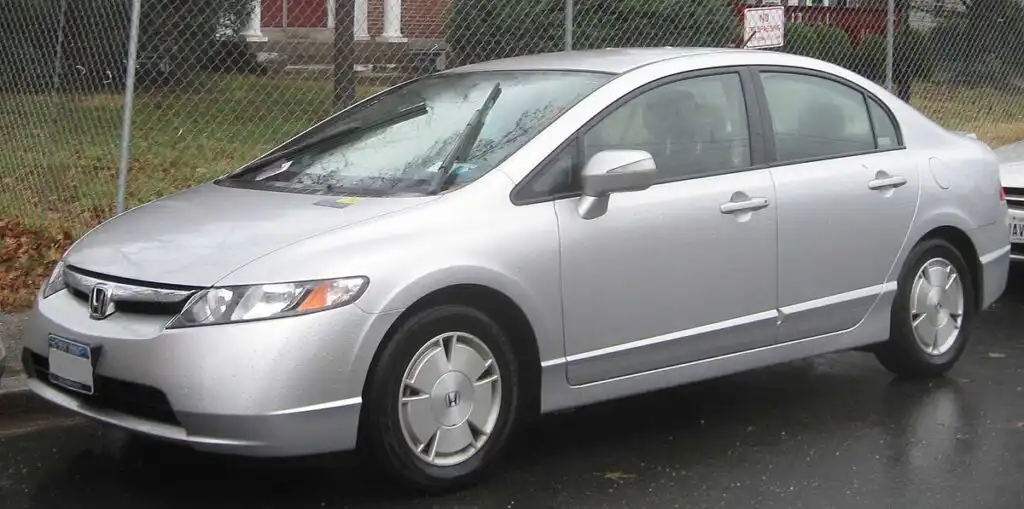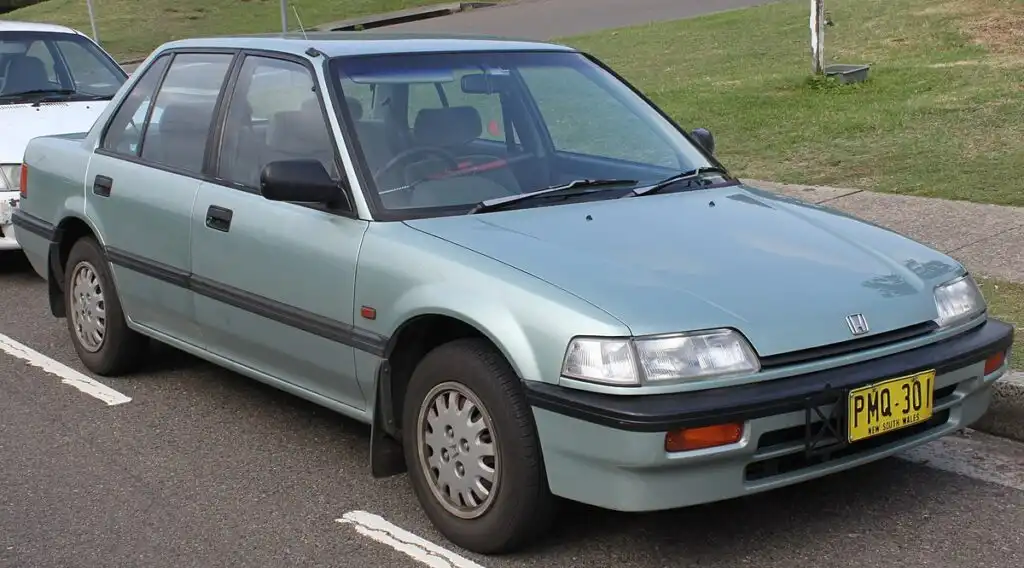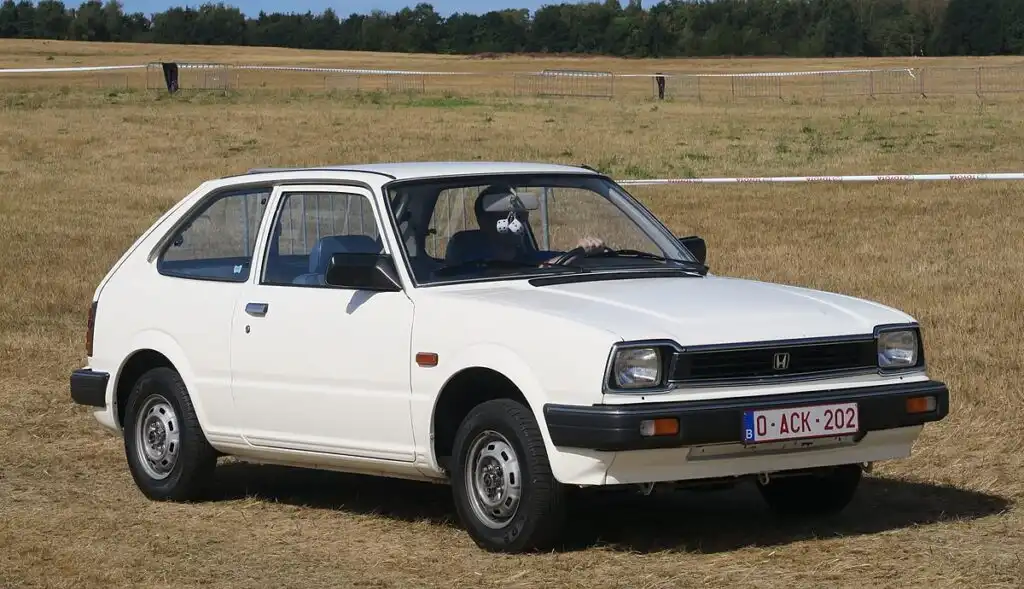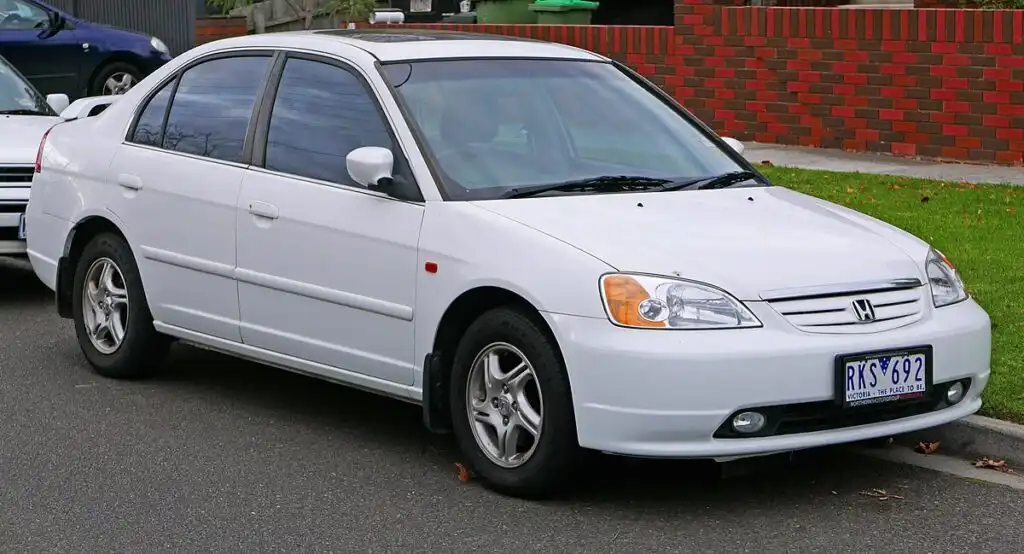
The Honda Civic III 1.2, produced between 1983 and 1987, represents a significant evolution in Honda’s popular compact car line. This variant, equipped with a 1.2-liter, 54 horsepower engine, served as the entry point into the third-generation Civic (internally designated as the AE chassis code) for many buyers, particularly in markets outside of North America where smaller displacement engines were favored due to taxation and fuel economy considerations. It was offered primarily as a sedan, though limited numbers were also available as a hatchback in some regions. The Civic III marked a move towards more refined styling and improved fuel efficiency compared to its predecessors, solidifying the Civic’s reputation as a reliable and economical transportation option.
Technical Specifications
| Brand | Honda |
| Model | Civic |
| Generation | Civic III (AE) |
| Type (Engine) | 1.2L (54 hp) |
| Start of Production | 1983 |
| End of Production | 1987 |
| Powertrain Architecture | Internal Combustion Engine |
| Body Type | Sedan (primarily), Hatchback (limited) |
| Fuel Type | Petrol (Gasoline) |
| Power | 54 hp (40 kW) |
| Engine Aspiration | Naturally Aspirated |
| Engine Code | Various, depending on market (e.g., A12A) |
| Displacement | 1190 cc (1.2 L) |
| Transmission | 4-speed Manual, 3-speed Automatic (available) |
| Brakes (Front) | Disc |
| Brakes (Rear) | Drum |
| Weight (approx.) | 1,780 – 1,850 lbs (807 – 839 kg) |
Powertrain & Engine Architecture
The heart of the Civic III 1.2 is a 1.2-liter, inline-four cylinder engine. Engine codes varied depending on the specific market, with the A12A being a common designation. This engine utilized a single overhead camshaft (SOHC) design, operating with two valves per cylinder. Fuel delivery was managed by a carburetor in many base models, though some later iterations and markets saw the introduction of electronic fuel injection (EFI) for improved efficiency and emissions control. The carburetor system, while simple and reliable, contributed to the engine’s modest power output. The engine block was constructed from cast iron, providing durability, while the cylinder head was made of aluminum alloy to reduce weight. The 3-speed automatic transmission, when equipped, was a relatively basic unit designed for smooth, if not particularly sporty, operation. It featured a torque converter and a conventional planetary gearset. Manual transmission options were a 4-speed unit.
Driving Characteristics
The 1.2-liter engine in the Civic III delivered modest performance. With 54 horsepower, acceleration was leisurely, and highway passing required careful planning. The automatic transmission further dampened performance, with noticeable delays in downshifting and a focus on fuel economy over responsiveness. The gear ratios were optimized for low-end torque and efficiency, making it suitable for city driving. Compared to the 1.5-liter and 1.6-liter variants available in other markets (and the North American market), the 1.2-liter felt significantly underpowered. The manual transmission offered a more engaging driving experience, allowing drivers to better utilize the available power, but even then, it wasn’t a particularly quick car. Handling was typical of small, front-wheel-drive cars of the era – predictable and safe, but not particularly exciting. The suspension, consisting of independent front suspension with MacPherson struts and a rear torsion beam, provided a comfortable ride, absorbing bumps reasonably well.
Equipment & Trim Levels
The Civic III 1.2, as the entry-level model, typically came with a fairly basic level of equipment. Standard features generally included cloth upholstery, a simple dashboard with analog gauges, and a two-spoke steering wheel. Power steering and air conditioning were often optional extras, adding to the cost. Radio options were available, usually a basic AM/FM unit. Trim levels varied by market, but generally, the 1.2-liter model was positioned as the most affordable and practical option. Higher trim levels, available with the larger engines, offered features like upgraded upholstery, more comprehensive instrumentation, and exterior enhancements like wheel covers and body-colored trim. The interior design prioritized functionality and durability over luxury.
Chassis & Braking
The Civic III utilized a unibody construction, providing a good balance of strength and weight. The front suspension featured MacPherson struts, coil springs, and an anti-roll bar, while the rear suspension employed a torsion beam setup. This configuration provided a comfortable ride and predictable handling. Braking duties were handled by disc brakes on the front wheels and drum brakes on the rear. The braking system was adequate for the car’s weight and performance, but lacked the stopping power of more modern vehicles. Steering was manual rack and pinion in most base models, offering a direct feel, though requiring more effort at low speeds. The relatively lightweight construction of the Civic III contributed to its fuel efficiency and maneuverability.
Market Reception & Comparison
The Civic III 1.2 was well-received in markets where smaller, more fuel-efficient cars were in demand. Critics praised its reliability, economy, and practicality. However, the engine’s lack of power was a common criticism, particularly when compared to larger-engined rivals. Compared to the 1.5-liter and 1.6-liter Civic variants, the 1.2-liter offered significantly lower fuel consumption but at the expense of performance. The 1.5-liter models provided a better balance of power and economy, while the 1.6-liter variants (often found in Si models) offered considerably more performance. In terms of reliability, the 1.2-liter engine proved to be exceptionally durable, with many examples exceeding high mileage with proper maintenance. Its simplicity contributed to its longevity.
Legacy
The Honda Civic III 1.2 holds a respected place in automotive history as a symbol of Japanese engineering and reliability. The powertrain, while not particularly powerful, proved to be remarkably durable and long-lasting. Today, well-maintained examples are sought after by enthusiasts and collectors, particularly those looking for a classic, economical, and easy-to-maintain vehicle. The 1.2-liter engine’s simplicity makes it relatively easy to repair and maintain, even for amateur mechanics. The Civic III’s enduring popularity is a testament to Honda’s commitment to quality and innovation, and the 1.2-liter variant remains a significant part of the Civic’s legacy.