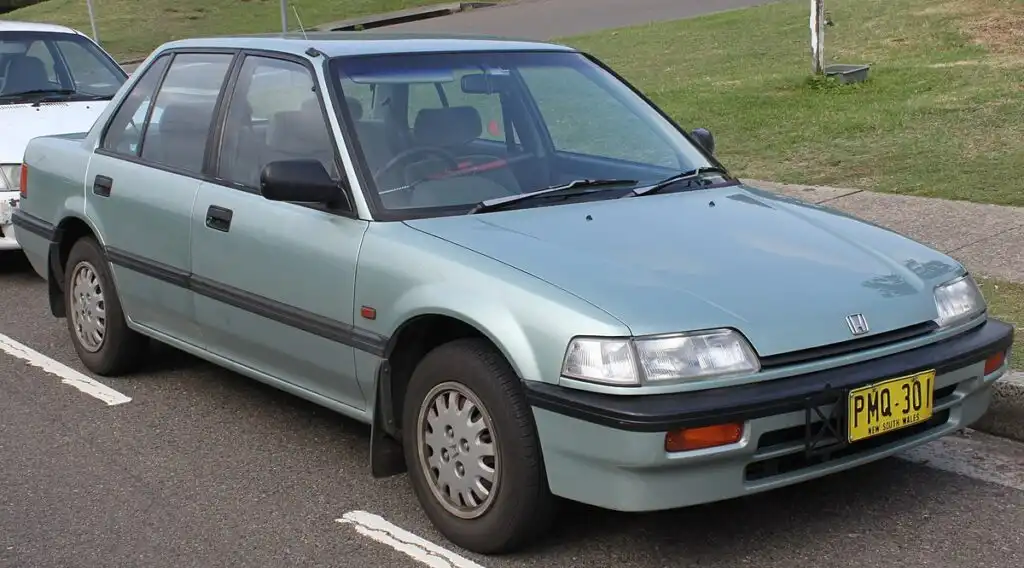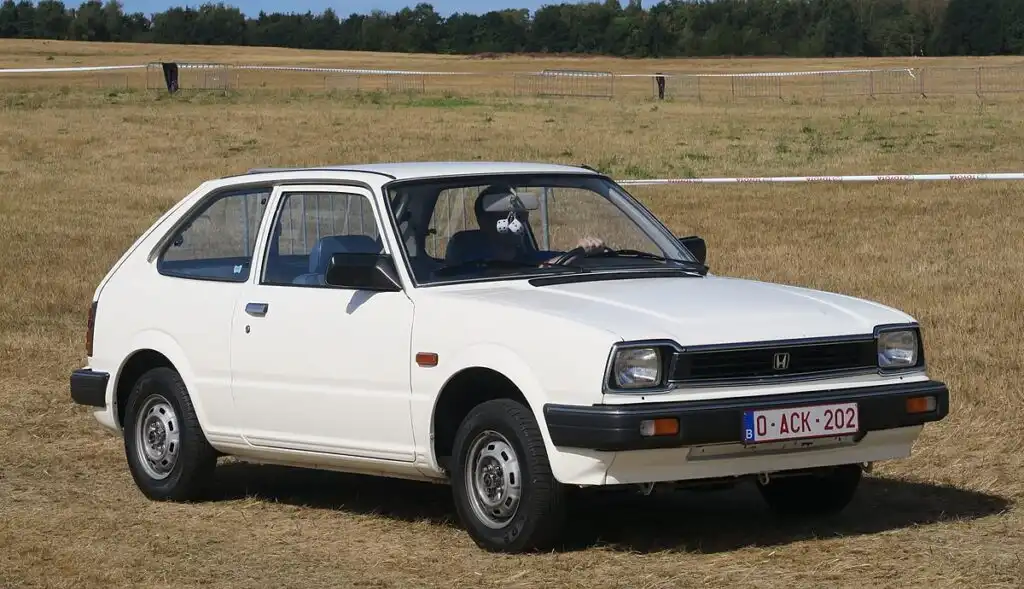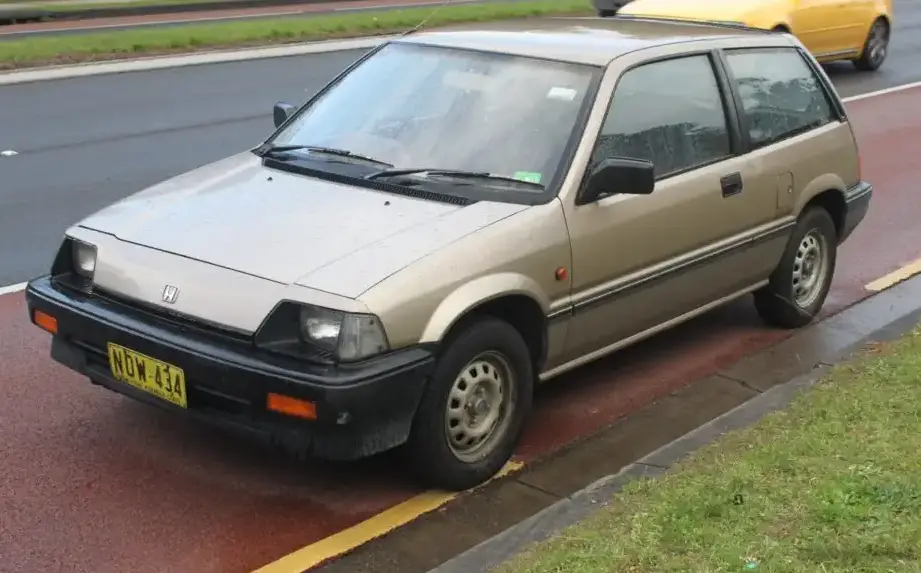
The Honda Civic III Hatchback 1.2, produced between 1983 and 1987, represents a significant evolution in Honda’s popular Civic line. This variant, powered by a modest 1.2-liter engine producing 54 horsepower, served as the entry point into the third-generation Civic range, primarily aimed at buyers seeking fuel efficiency and basic transportation. It was a key component of Honda’s strategy to offer a diverse lineup catering to various needs and budgets. The Civic III, internally coded as AE, represented a larger and more refined vehicle compared to its predecessors, moving away from the sharply-angled styling of the second generation towards a more rounded and aerodynamic design. This generation saw increased emphasis on comfort and practicality, solidifying the Civic’s reputation as a reliable and economical compact car.
Technical Specifications
| Brand | Honda |
| Model | Civic |
| Generation | Civic III Hatchback |
| Type (Engine) | 1.2 (54 Hp) |
| Start of production | 1983 |
| End of production | 1987 |
| Powertrain Architecture | Internal Combustion Engine |
| Body Type | Hatchback |
| Fuel Type | Petrol (Gasoline) |
| Power | 54 Hp |
| Engine Aspiration | Naturally Aspirated |
Powertrain & Engine Architecture
The heart of the Civic III 1.2 is a 1198cc (73 cubic inch) inline-four cylinder engine. This engine, designated as the D12A series, is a naturally aspirated, single overhead cam (SOHC) design. It utilizes a carburetor for fuel delivery, a common feature for vehicles of this era, prioritizing simplicity and cost-effectiveness over the more complex fuel injection systems. The engine features eight valves (two per cylinder) and a relatively low compression ratio, contributing to its fuel efficiency but limiting its overall power output. The 54 horsepower peak is achieved at approximately 5,500 rpm, with a torque output of around 68 lb-ft at 3,500 rpm. The transmission offered with this variant was typically a four-speed manual, though a three-speed automatic transmission was also available, albeit less common. The automatic transmission was a simple, hydraulically controlled unit, designed for smooth but not particularly quick shifts. The engine’s design prioritized durability and ease of maintenance, reflecting Honda’s engineering philosophy at the time.
Driving Characteristics
The 1.2-liter Civic III Hatchback offered a decidedly unhurried driving experience. With only 54 horsepower propelling a vehicle weighing around 1,700 lbs, acceleration was modest. Zero to sixty mph times were estimated to be in the 14-16 second range. The four-speed manual transmission allowed drivers to extract the most from the engine, keeping it within its optimal power band. The automatic transmission, while providing convenience, further reduced acceleration performance. The Civic’s suspension, consisting of independent front suspension with MacPherson struts and a rear torsion beam, provided a comfortable ride, absorbing bumps and irregularities in the road effectively. Steering was light and precise, making the Civic easy to maneuver in urban environments. The overall driving experience was geared towards practicality and fuel economy rather than sporty performance. Compared to the later 1.5-liter and 1.6-liter versions of the Civic III, the 1.2 felt noticeably slower, particularly when fully loaded or climbing hills.
Equipment & Trim Levels
The 1.2-liter Civic III Hatchback typically represented the base trim level. Standard features were relatively sparse, reflecting its position as an affordable entry-level vehicle. Typically, it included cloth upholstery, a basic AM/FM radio, and manual windows and door locks. Air conditioning was often an optional extra, as were features like a rear window defroster and upgraded sound systems. Interior plastics were durable but utilitarian, prioritizing functionality over luxury. The dashboard layout was simple and straightforward, with clearly labeled controls. Higher trim levels, such as the DX and Si, offered more features, including upgraded interior trim, better sound systems, and, in the case of the Si, a more powerful engine and sportier suspension. The 1.2L trim was often seen as a blank canvas for those wanting a simple, reliable car they could upgrade themselves.
Chassis & Braking
The Civic III Hatchback utilized a unibody construction, providing a good balance of strength and weight. The front suspension featured MacPherson struts, coil springs, and an anti-roll bar, contributing to stable handling. The rear suspension employed a torsion beam axle, a cost-effective and space-saving design. Braking was typically accomplished with drum brakes on all four wheels, a common setup for vehicles in this price range during the 1980s. The braking system was adequate for normal driving conditions, but lacked the stopping power of vehicles equipped with disc brakes. Steering was a rack-and-pinion system, providing precise and responsive control. The relatively lightweight construction of the Civic III contributed to its nimble handling characteristics.
Market Reception & Comparison
The Civic III 1.2 was well-received in markets where fuel efficiency and affordability were paramount. It was particularly popular as a first car for young drivers or as a practical commuter vehicle. Critics praised its reliability, fuel economy (estimated at around 35-40 mpg), and ease of maintenance. However, its lack of power was often noted, particularly when compared to larger or more powerful vehicles. Compared to other subcompact cars of the era, such as the Toyota Corolla and Nissan Sentra, the Civic III offered a similar level of practicality and reliability, but often at a slightly higher price point. The 1.5-liter and 1.6-liter Civic variants offered significantly more performance, but also came with a higher price tag. The 1.2L model found its niche among buyers who prioritized economy over outright speed.
Legacy
The Honda Civic III 1.2, while not the most powerful or feature-rich variant of its generation, holds a significant place in automotive history. Its reputation for reliability and fuel efficiency helped solidify the Civic’s position as a leading compact car. The D12A engine, while simple in design, proved to be remarkably durable, with many examples still running today. In the used car market, the Civic III 1.2 remains a popular choice for those seeking a classic, affordable, and reliable vehicle. Parts availability is generally good, and the car’s simple mechanical design makes it relatively easy to repair and maintain. The Civic III, in all its variants, laid the foundation for the continued success of the Civic line, which remains one of Honda’s best-selling models worldwide. The 1.2L version, though often overlooked, represents a crucial part of that legacy, embodying Honda’s commitment to providing practical and dependable transportation to a wide range of customers.