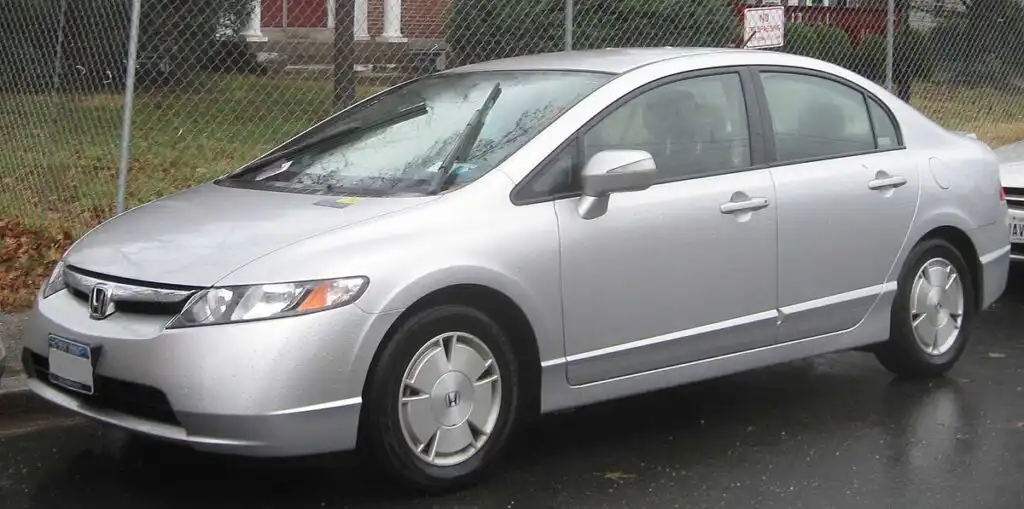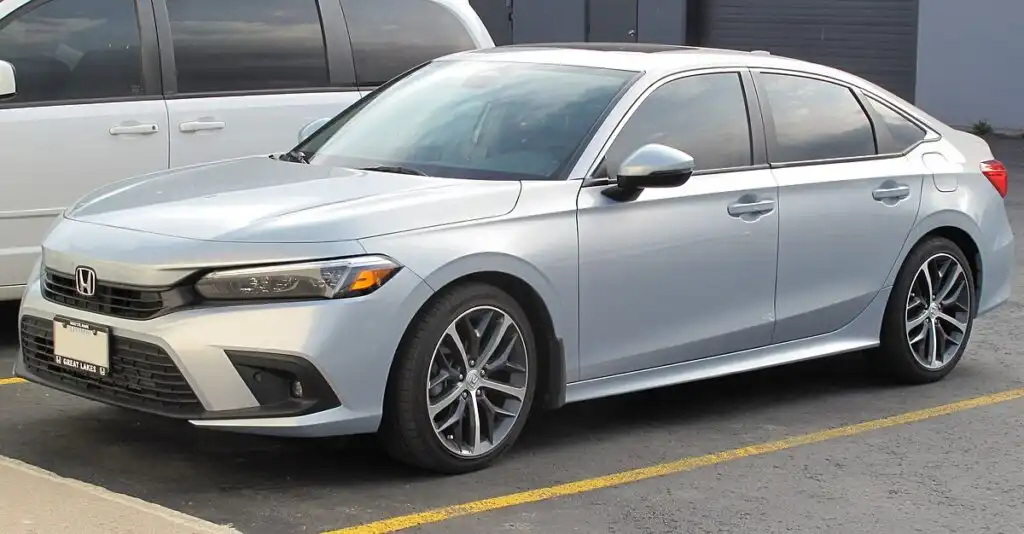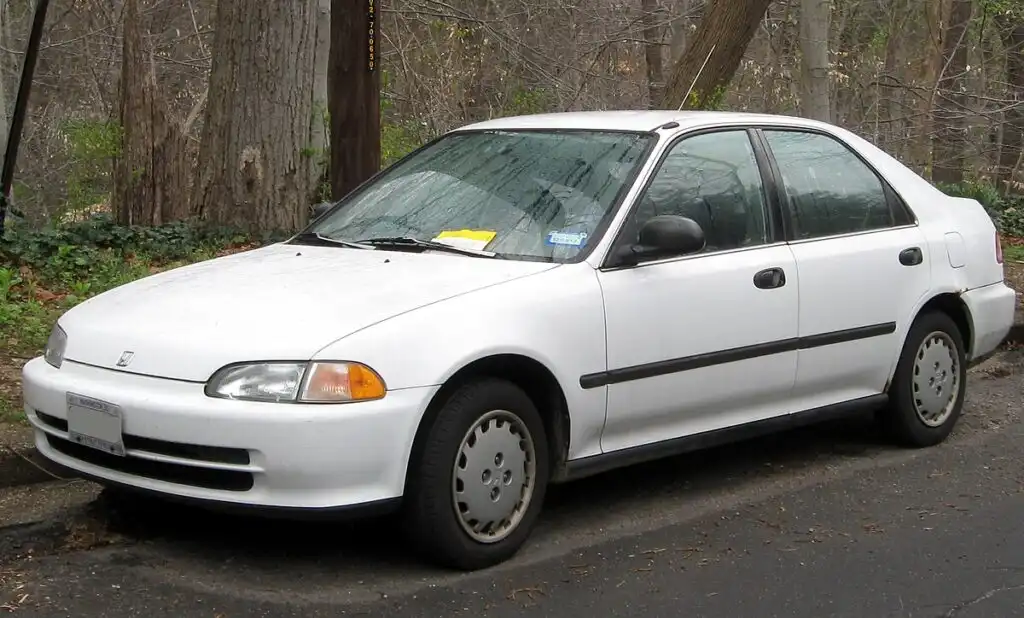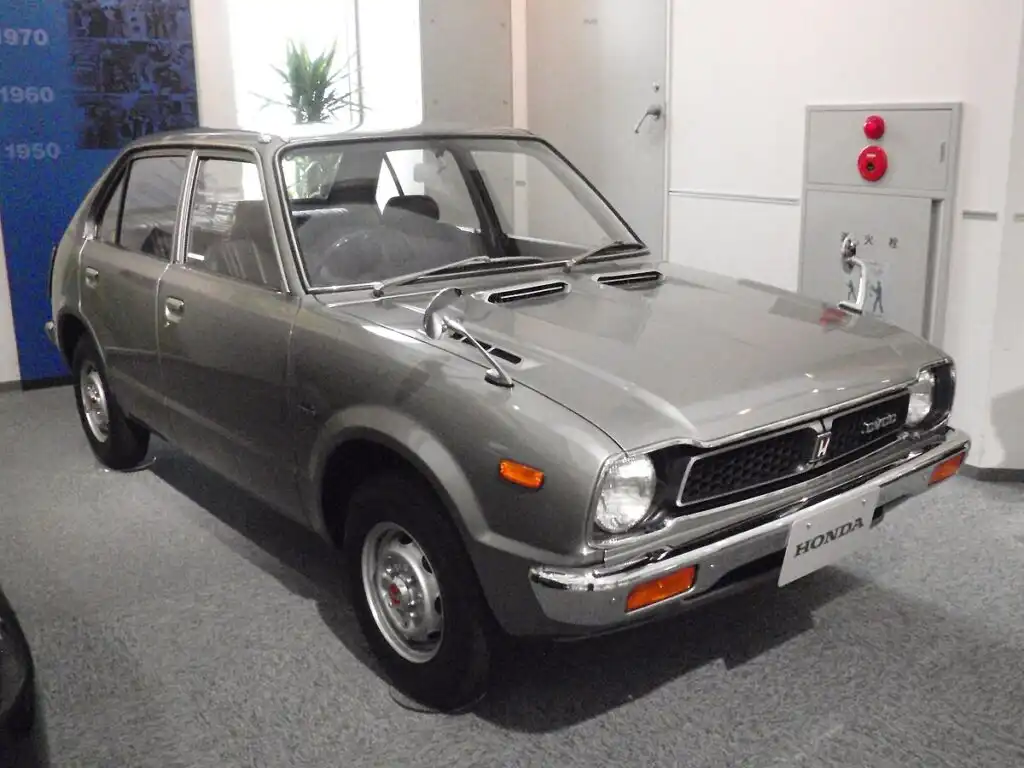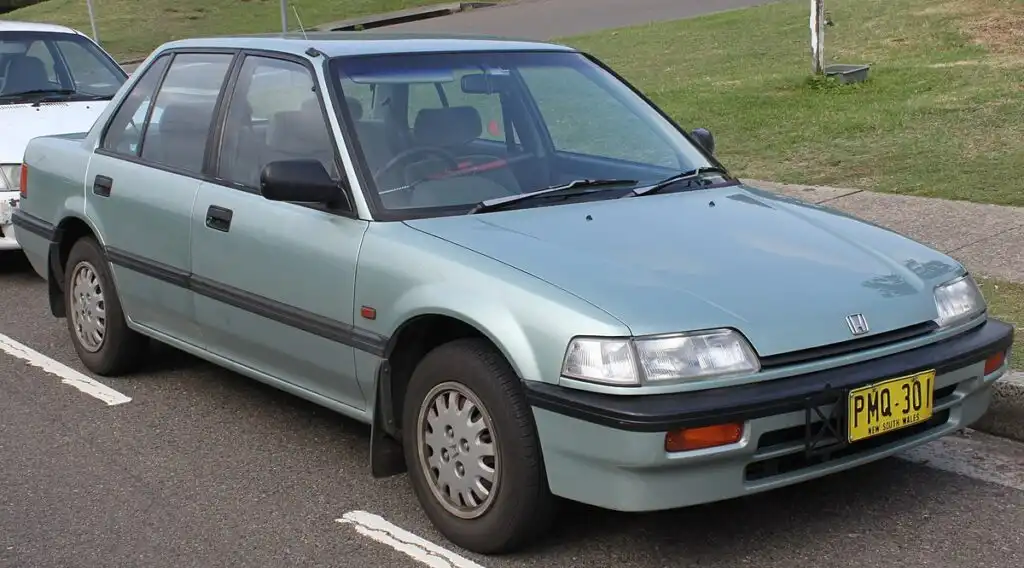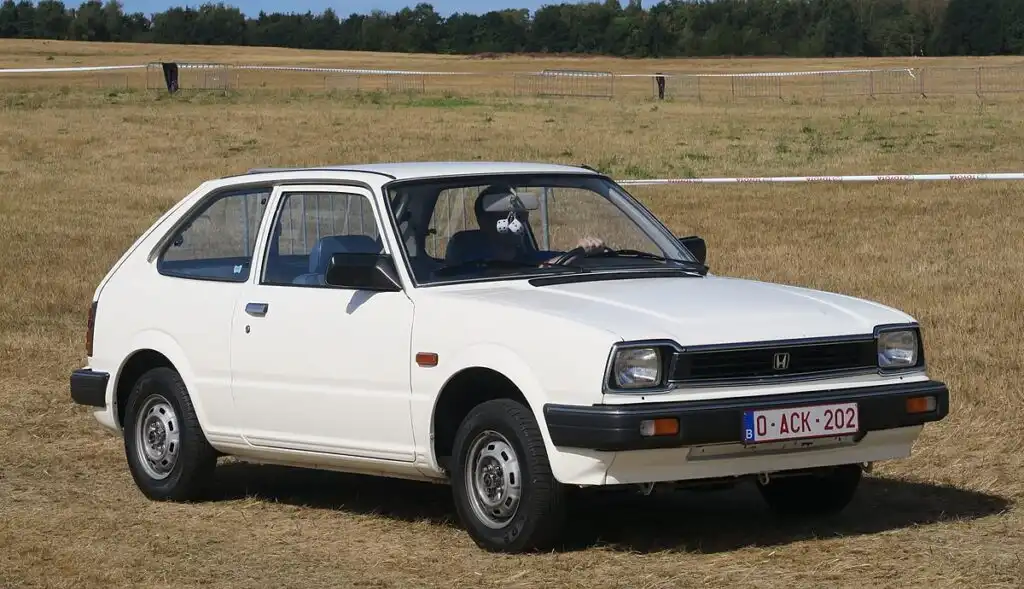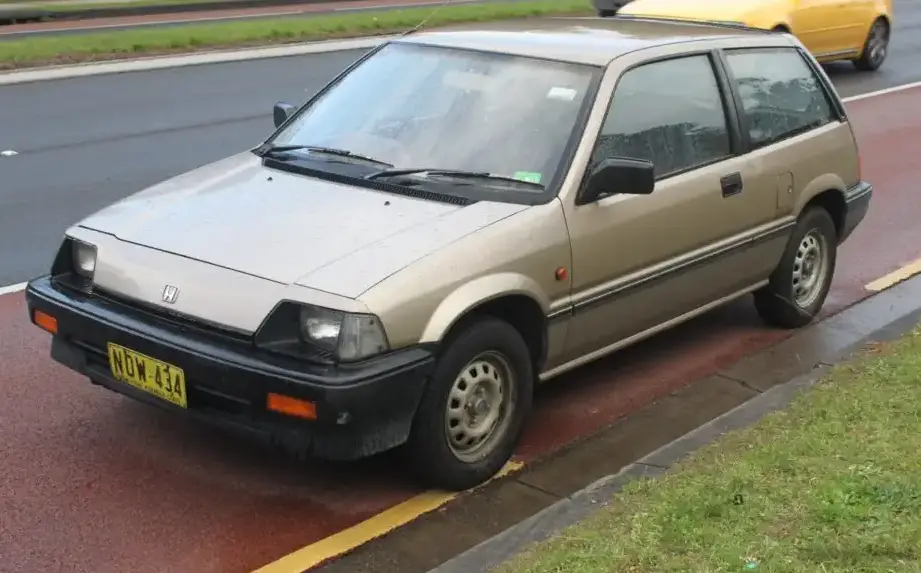
The Honda Civic III Hatchback 1.5 GL, produced between 1983 and 1987, represents a significant evolution in Honda’s popular Civic line. Falling within the third generation (1983-1987) of the Civic, this variant was a key offering in the North American market, and globally, during a period of increasing demand for fuel-efficient and reliable compact cars. The 1.5 GL trim, powered by an 86 horsepower engine and typically equipped with an automatic transmission, served as a comfortable and practical entry point into the Civic range, appealing to a broad customer base. It built upon the success of the previous generations, offering improved styling, interior space, and mechanical refinement.
Technical Specifications
| Brand | Honda |
| Model | Civic |
| Generation | Civic III Hatchback |
| Type (Engine) | 1.5 GL (86 Hp) |
| Start of production | 1983 |
| End of production | 1987 |
| Powertrain Architecture | Internal Combustion Engine |
| Body Type | Hatchback |
| Fuel Type | Petrol (Gasoline) |
| Power | 86 Hp |
| Engine Aspiration | Naturally Aspirated |
Powertrain & Engine Architecture
The heart of the Civic III 1.5 GL is the 1488cc (1.5-liter) inline-four cylinder engine. This engine, internally designated as the A15A, is a naturally aspirated, single-overhead camshaft (SOHC) design. It features a cast iron block and an aluminum cylinder head, a common configuration for Honda engines of this era. Fuel delivery is managed by a carburetor, specifically the Keihin CV type, which was favored for its simplicity and reliability. The engine utilizes two valves per cylinder (two intake, two exhaust) and a relatively modest 8.5:1 compression ratio. The 86 horsepower output is achieved at 5,500 rpm, while peak torque of 93 lb-ft arrives at 3,500 rpm.
The 1.5 GL was frequently paired with a three-speed automatic transmission, although a five-speed manual transmission was also available. The automatic transmission, while providing ease of use, was geared towards fuel economy and smooth operation rather than outright performance. It featured a torque converter and a relatively simple hydraulic control system. The transmission’s gear ratios were optimized for everyday driving conditions, prioritizing acceleration from a standstill and comfortable cruising speeds. The automatic transmission was a popular choice for buyers seeking a hassle-free driving experience, particularly in urban environments.
Driving Characteristics
The Civic III 1.5 GL Automatic offered a comfortable, if not particularly sporty, driving experience. Acceleration from 0 to 60 mph was estimated to take around 12-14 seconds, which was typical for a compact car of its time. The automatic transmission contributed to a smooth, linear power delivery, but also resulted in some loss of responsiveness compared to the manual transmission version. The gear ratios were spaced to provide adequate acceleration in most situations, but downshifting for passing maneuvers required a deliberate amount of planning. The suspension, consisting of independent front suspension with MacPherson struts and a rear torsion beam axle, provided a reasonably comfortable ride, absorbing bumps and imperfections in the road surface effectively. However, the car’s relatively light weight and modest power output meant that it wasn’t particularly adept at handling aggressive cornering.
Equipment & Trim Levels
The 1.5 GL trim level represented a step up from the base Civic models. Standard features typically included cloth upholstery, a basic AM/FM radio, and a heater/defroster system. The GL trim also featured upgraded interior trim and exterior brightwork compared to the more spartan base models. Optional extras included air conditioning, a more advanced stereo system, and power windows. The interior design was functional and straightforward, prioritizing practicality and ease of use. The dashboard layout was simple, with clearly labeled controls and a large speedometer and fuel gauge. The seats were relatively comfortable, providing adequate support for both driver and passengers. The hatchback body style offered a good amount of cargo space, making the Civic III 1.5 GL a versatile vehicle for everyday use.
Chassis & Braking
The Civic III Hatchback utilized a unibody construction, providing a good balance of strength and weight. The front suspension featured MacPherson struts, lower control arms, and a stabilizer bar, while the rear suspension employed a torsion beam axle. This setup provided a comfortable ride and predictable handling characteristics. Braking duties were handled by disc brakes at the front and drum brakes at the rear. The braking system was adequate for the car’s weight and performance, but lacked the stopping power of more modern braking systems. The steering was a manual rack-and-pinion system, providing reasonably precise steering feel. The car’s relatively light weight contributed to its nimble handling characteristics.
Market Reception & Comparison
The Civic III 1.5 GL was generally well-received by automotive critics and consumers alike. It was praised for its fuel efficiency, reliability, and affordability. However, some critics noted that the automatic transmission version lacked the responsiveness of the manual transmission model. Compared to other compact cars of the era, such as the Toyota Corolla and Nissan Sentra, the Civic III 1.5 GL offered a competitive combination of features, performance, and price. The 1.5 GL positioned itself between the base Civic models and the more performance-oriented Si variants. The Si models, equipped with a more powerful engine and sport-tuned suspension, appealed to enthusiasts seeking a more engaging driving experience. The 1.5 GL, on the other hand, targeted buyers who prioritized comfort, practicality, and fuel economy.
Legacy
The Honda Civic III 1.5 GL has proven to be a remarkably durable and reliable vehicle. Many examples are still on the road today, a testament to Honda’s engineering prowess. The A15A engine is known for its longevity and relatively simple maintenance requirements. While parts availability may be becoming more challenging, many aftermarket suppliers still offer replacement components. In the used car market, the Civic III 1.5 GL is often sought after by collectors and enthusiasts who appreciate its classic styling and simple mechanical design. It represents a significant chapter in Honda’s history, and remains a popular choice for those seeking a reliable and affordable classic car. The 1.5 GL’s enduring popularity is a reflection of its well-rounded design and its ability to meet the needs of a wide range of drivers.