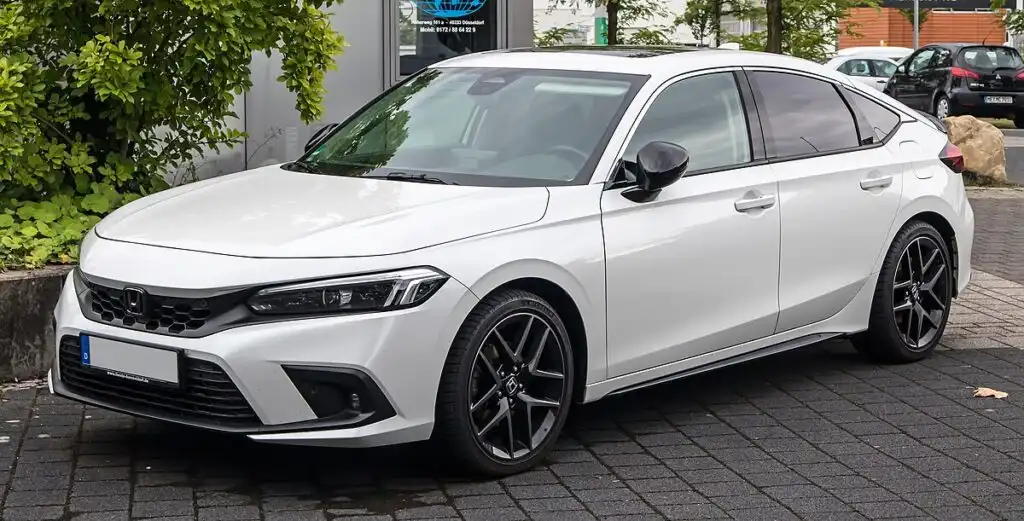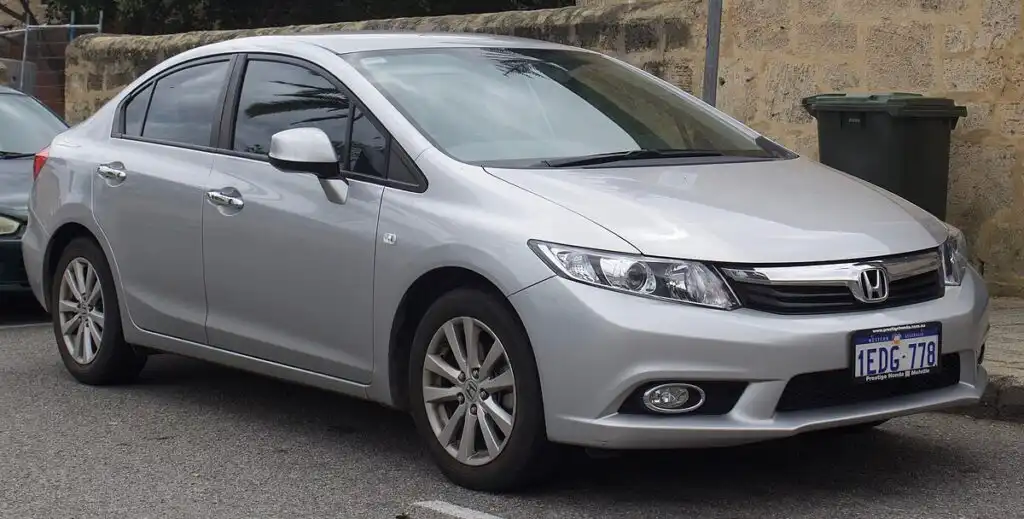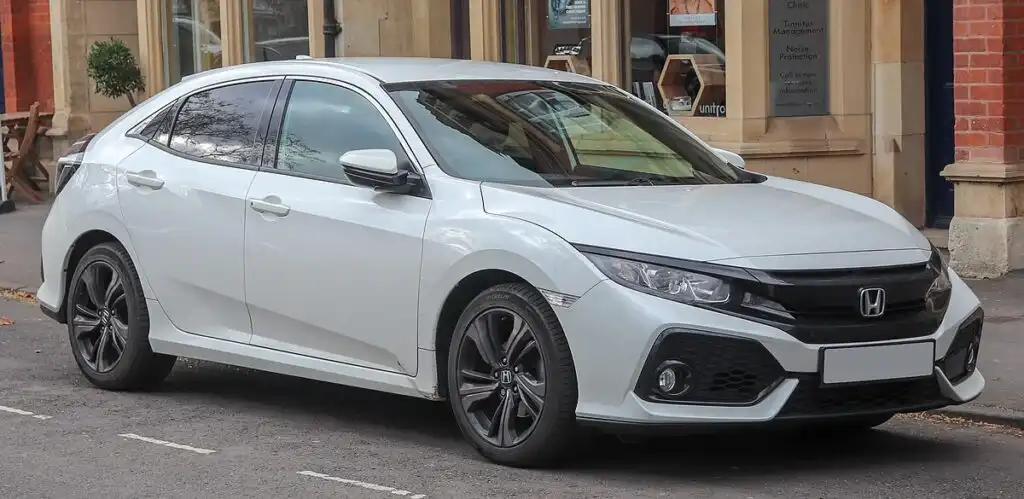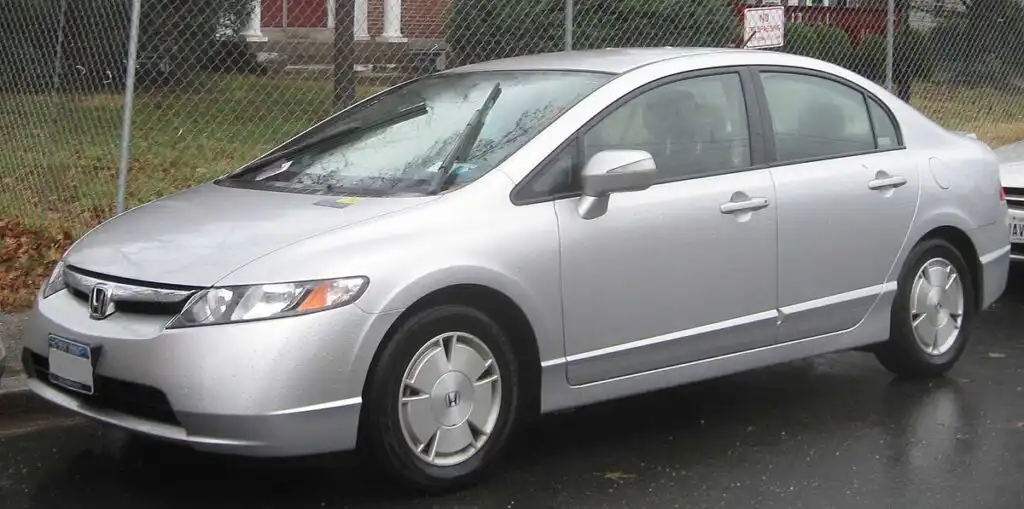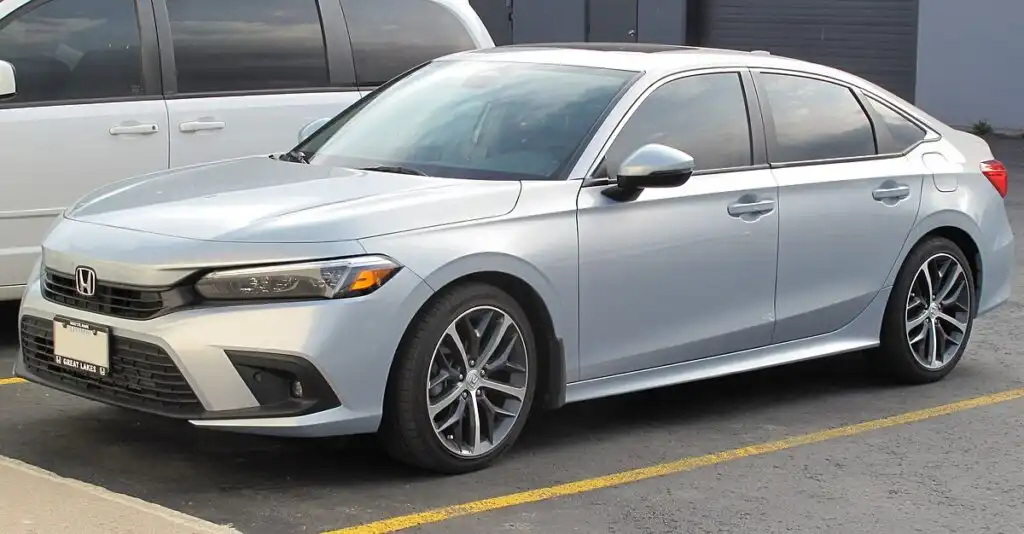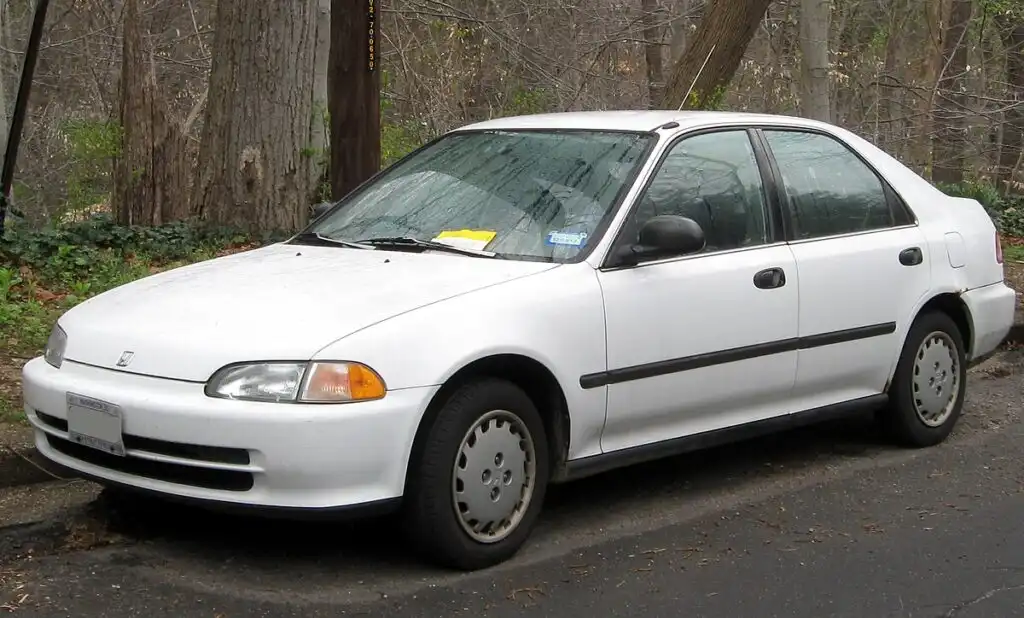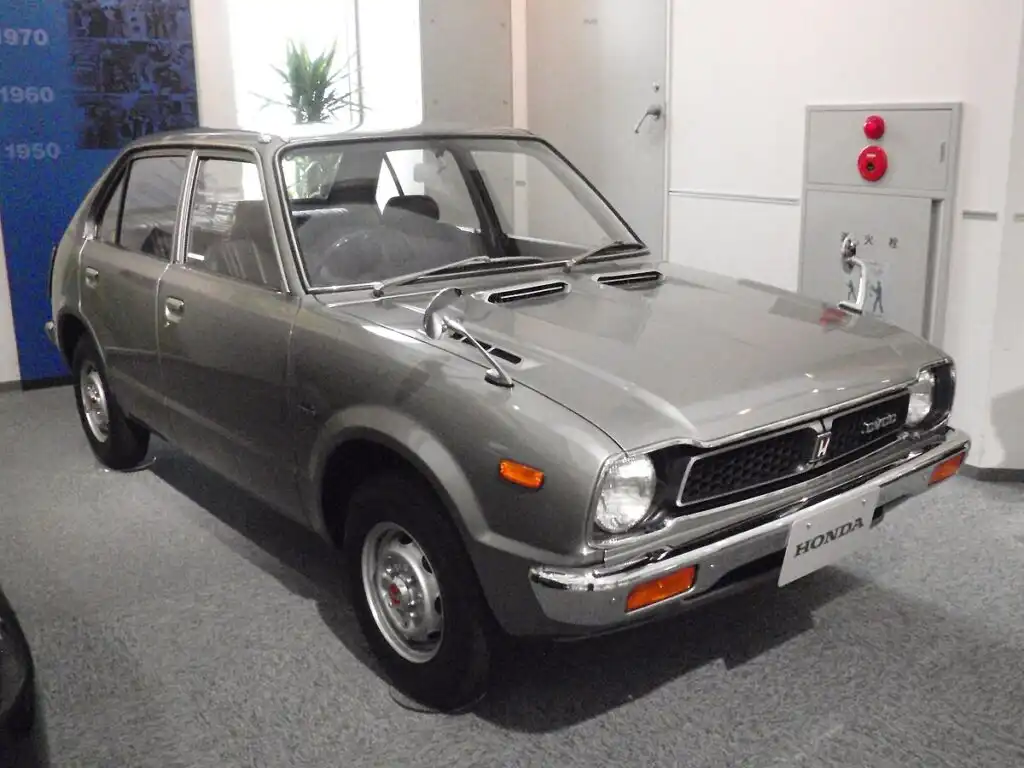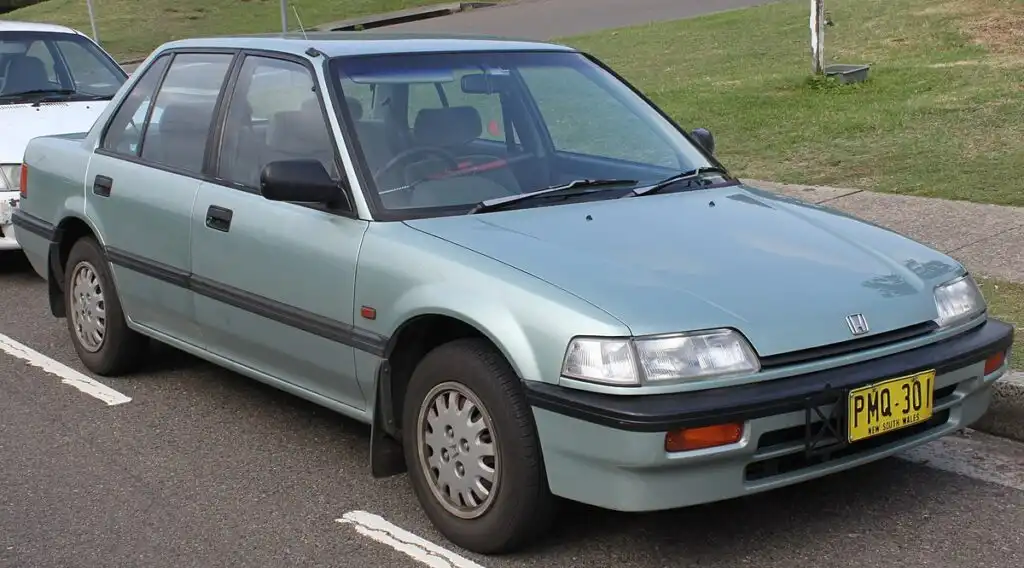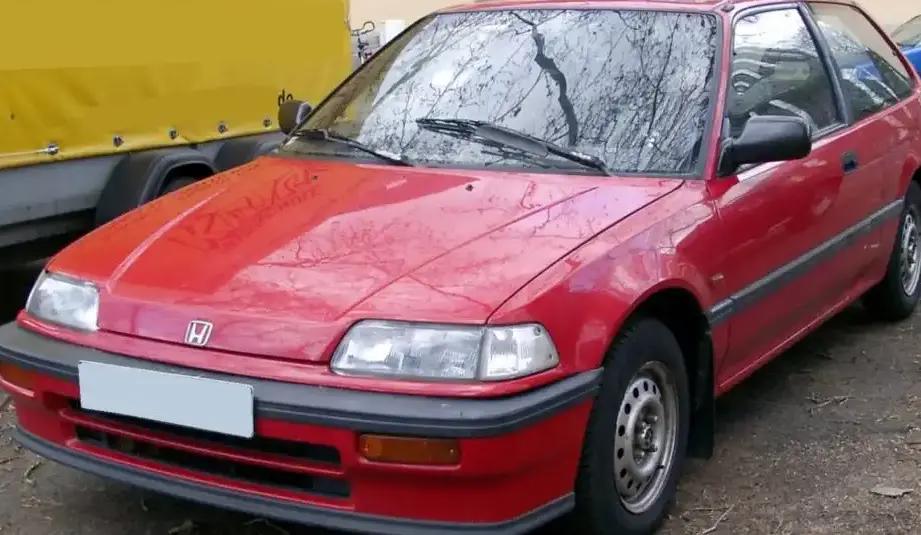
The Honda Civic IV Hatchback 1.3 16V, produced between 1991 and 1995, represented a significant iteration in Honda’s popular Civic line. Falling within the fourth generation (1987-1991, with updates continuing through 1995), this particular variant offered a balance of affordability and relative performance within the Civic range. It was primarily marketed towards younger drivers and those seeking economical transportation, serving as an entry point into the Civic family. The 1.3 16V model occupied a position below the more powerful 1.5 and 1.6-liter versions, offering a fuel-efficient alternative without sacrificing the Civic’s reputation for reliability.
Technical Specifications
| Brand | Honda |
| Model | Civic |
| Generation | Civic IV Hatchback |
| Type (Engine) | 1.3 16V (75 Hp) |
| Start of production | 1991 |
| End of production | 1995 |
| Powertrain Architecture | Internal Combustion engine |
| Body type | Hatchback |
| Seats | 5 |
| Doors | 5 |
| Fuel consumption (urban) | 8 l/100 km (29.4 US mpg) |
| Fuel consumption (extra urban) | 5.5 l/100 km (42.8 US mpg) |
| Fuel consumption (combined) | 6.4 l/100 km (36.8 US mpg) |
| Fuel Type | Petrol (Gasoline) |
| Power | 75 Hp |
| Power per litre | 55.8 Hp/l |
| Engine displacement | 1343 cm3 (81.95 cu. in.) |
| Number of cylinders | 4 |
| Cylinder Bore | 75 mm (2.95 in.) |
| Piston Stroke | 76 mm (2.99 in.) |
| Compression ratio | 9:1 |
| Number of valves per cylinder | 2 |
| Fuel injection system | Carburettor |
| Engine aspiration | Naturally aspirated |
| Drivetrain Architecture | Front wheel drive |
| Number of gears and type of gearbox | 5 gears, manual transmission |
| Steering type | Steering rack and pinion |
| Tires size | 165/70 R13 |
| Wheel rims size | 5J x 13 |
Powertrain & Engine Architecture
The heart of the Civic IV 1.3 16V was a 1.3-liter, four-cylinder engine. Despite the “16V” designation, it’s important to note that this engine utilized a single overhead camshaft (SOHC) design, with two valves per cylinder. The engine code varied depending on the specific market, but it generally fell within the D13 series. The carbureted fuel system, while common for the time, was a point of divergence from later Civic models which adopted fuel injection. This carburetor setup, while simpler and less expensive, offered less precise fuel metering compared to injection systems, impacting both performance and emissions. The 16 valves, however, did contribute to improved breathing and a slightly higher power output compared to 8-valve counterparts. The engine produced 75 horsepower and approximately 88 lb-ft of torque. The engine was mounted longitudinally in the front of the vehicle, driving the front wheels.
Driving Characteristics
The 1.3 16V Civic offered modest performance. Acceleration was adequate for city driving, but highway passing required careful planning. The five-speed manual transmission was the standard offering, and its gear ratios were tuned for fuel efficiency rather than outright speed. The relatively low torque output meant that the engine needed to be revved to access its power band. Compared to the 1.5 and 1.6-liter versions, the 1.3 felt noticeably slower, particularly when fully loaded. However, the lighter weight of the 1.3 engine contributed to slightly better handling balance. The steering was precise, typical of Honda vehicles, and the suspension provided a comfortable, if somewhat basic, ride.
Equipment & Trim Levels
The 1.3 16V Civic typically represented the base trim level within the hatchback range. Standard features included cloth upholstery, a basic instrument cluster, and manual windows and locks. Air conditioning and a radio were often optional extras. Interior plastics were durable but utilitarian. The dashboard layout was functional and straightforward, prioritizing ease of use over aesthetic appeal. Higher trim levels, such as the 1.5 and 1.6-liter models, offered features like power windows, upgraded audio systems, and more comfortable seating.
Chassis & Braking
The Civic IV Hatchback utilized a front-wheel-drive layout with an independent front suspension featuring MacPherson struts and a rear suspension consisting of a torsion beam. This suspension setup provided a reasonable compromise between ride comfort and handling. Braking was typically accomplished with front disc brakes and rear drum brakes. The braking system was adequate for the vehicle’s weight and performance, but lacked the stopping power of more modern systems. The 13-inch wheels were fitted with 165/70 R13 tires, providing a decent level of grip in most conditions.
Market Reception & Comparison
The 1.3 16V Civic was generally well-received as an affordable and reliable transportation option. Critics praised its fuel efficiency and Honda’s reputation for build quality. However, the engine’s lack of power was a common criticism, particularly when compared to its larger-displacement siblings. The carbureted fuel system was also seen as a drawback, as it offered less refinement and efficiency than fuel injection. In terms of fuel economy, the 1.3 16V consistently outperformed the 1.5 and 1.6-liter models, making it an attractive choice for budget-conscious buyers. Reliability was a strong point, with the 1.3 engine proving to be durable and long-lasting.
Legacy
The Honda Civic IV 1.3 16V has maintained a respectable reputation in the used car market. Its simplicity and reliability have made it a popular choice for those seeking an affordable and dependable vehicle. While not a performance icon, the 1.3 16V represents a significant chapter in the Civic’s history. Parts availability remains relatively good, and the engine is known for its longevity. However, potential buyers should be aware of the age-related issues common to vehicles of this era, such as rust and wear on rubber components. The carbureted engine may require more frequent maintenance than fuel-injected counterparts, but its simplicity also makes it relatively easy to repair. Today, these Civics are increasingly sought after by enthusiasts and collectors, representing a nostalgic reminder of a simpler era in automotive design.