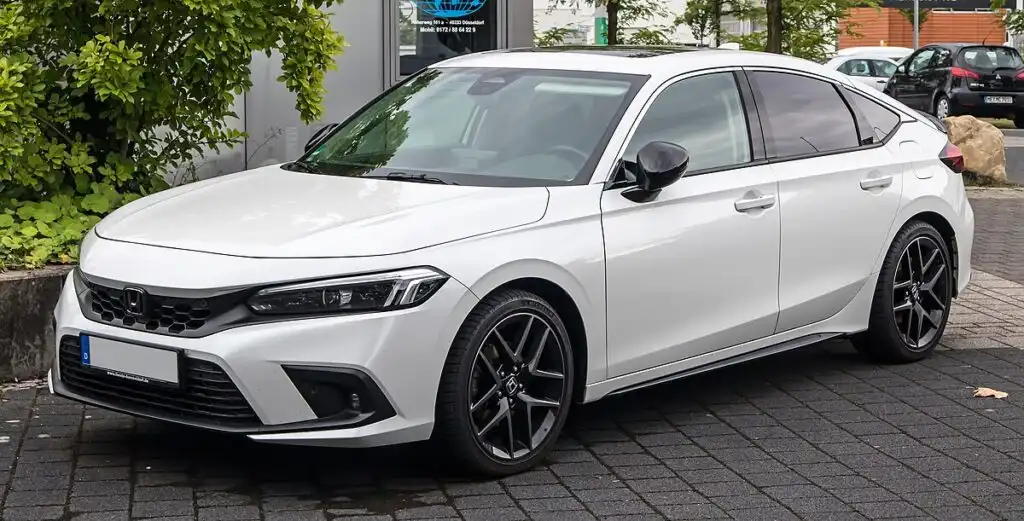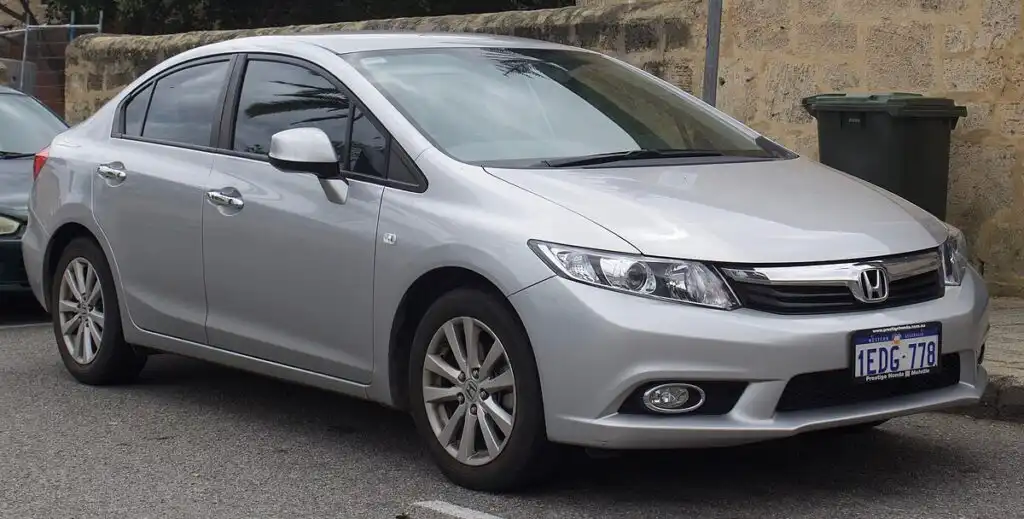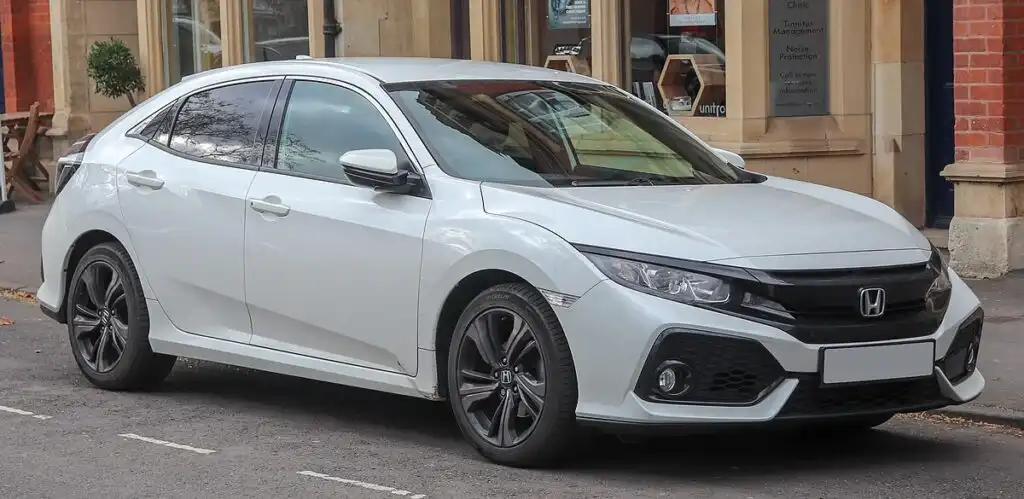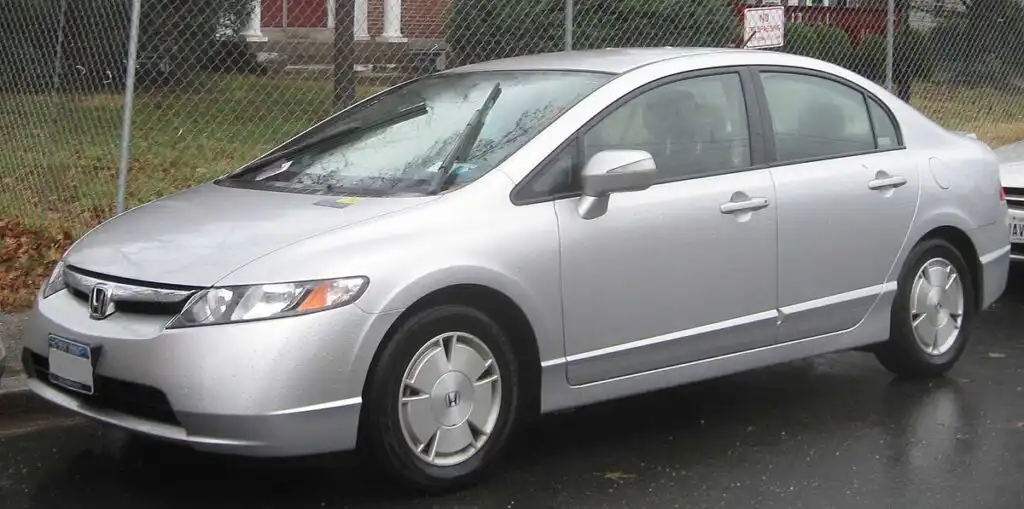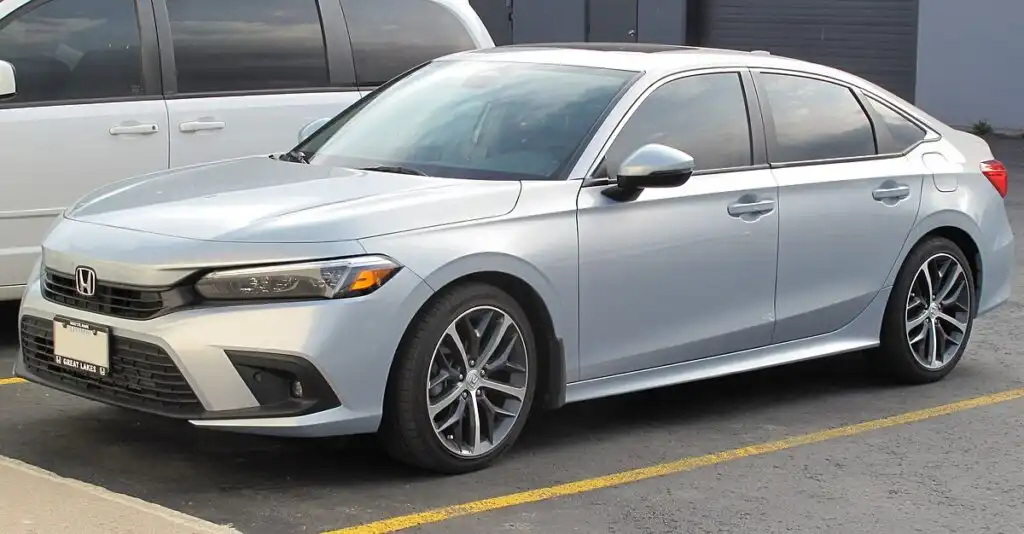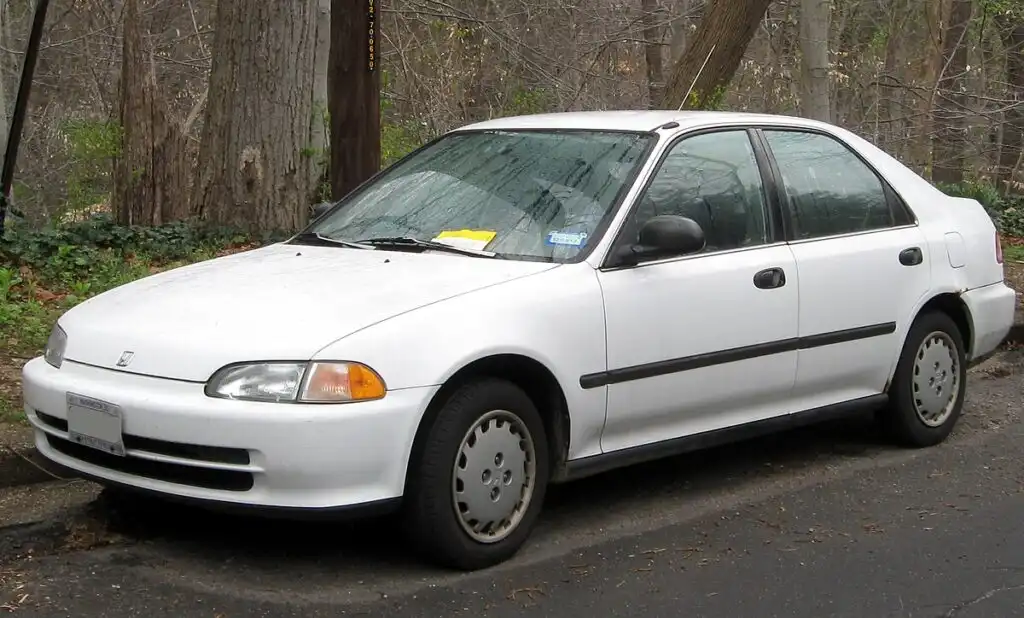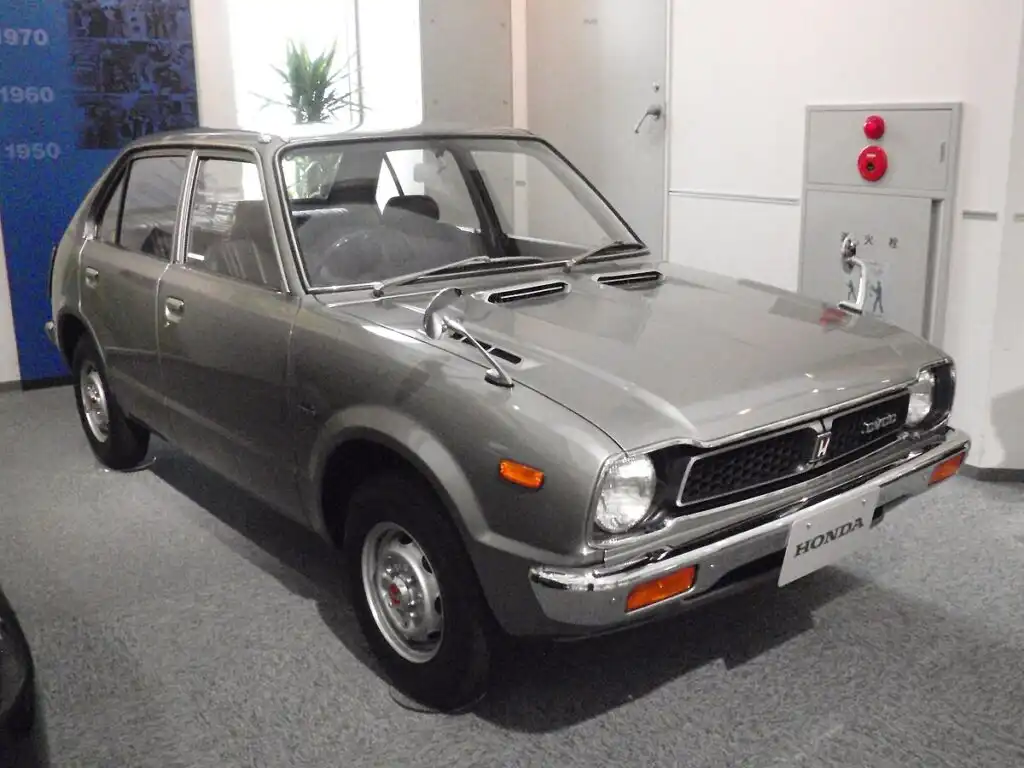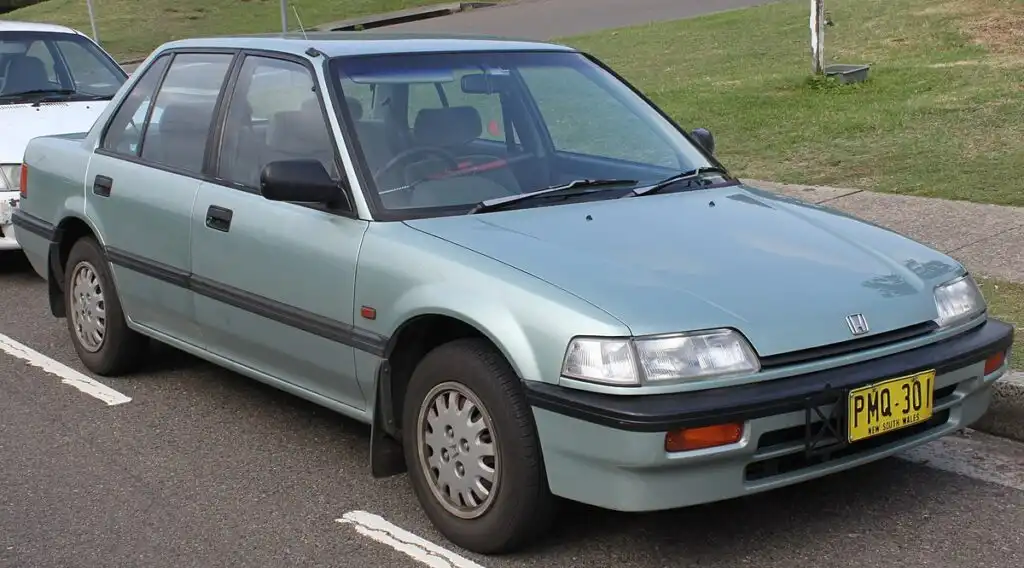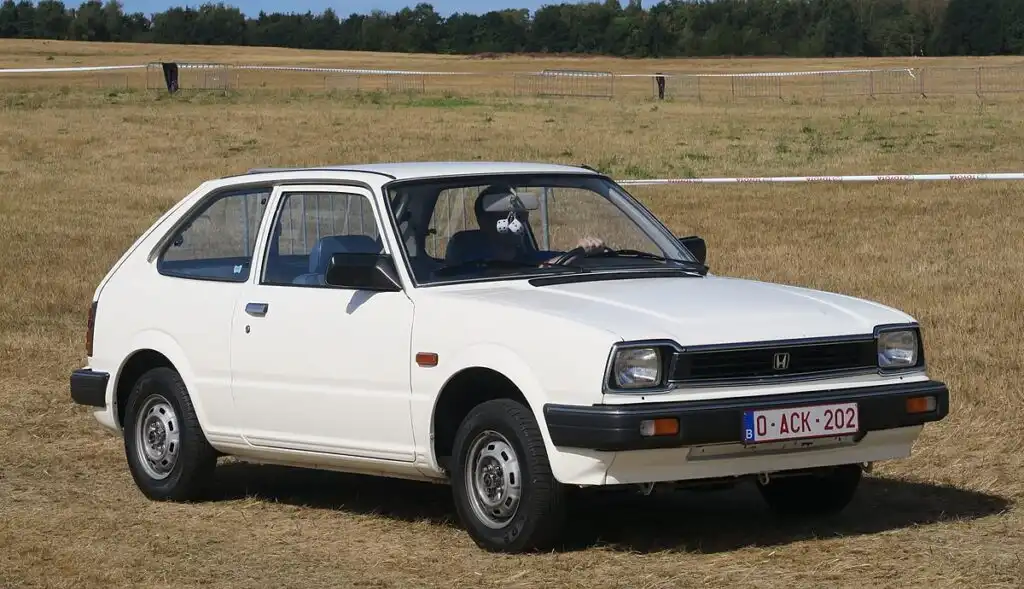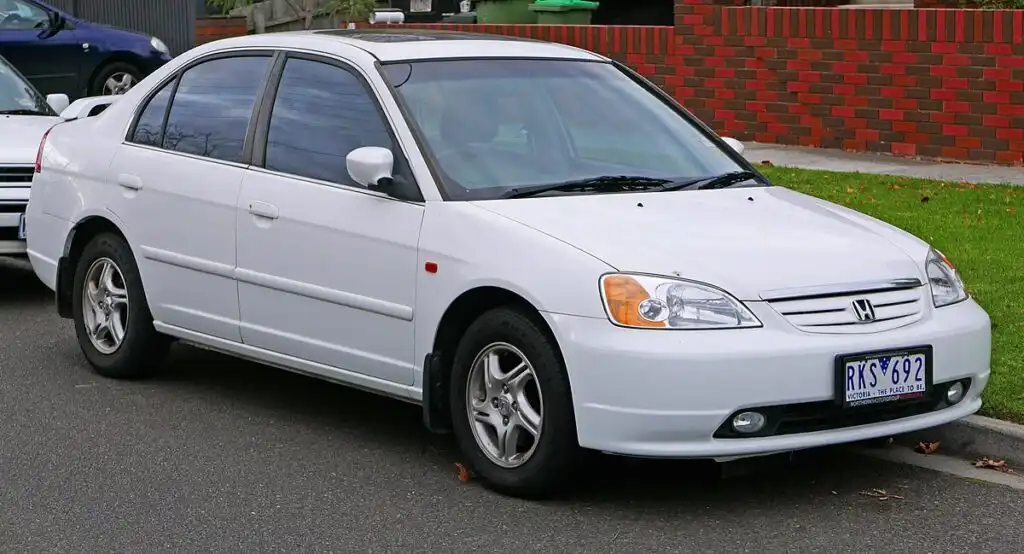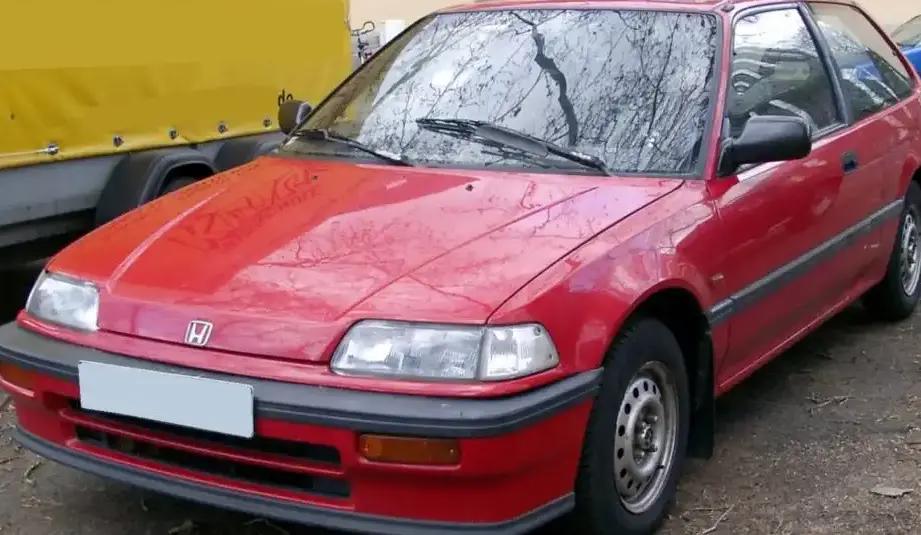
The Honda Civic IV Hatchback 1.6i 16V VTEC, produced between 1987 and 1991, represents a significant evolution in the fourth-generation Civic lineup. This variant, powered by the D16Z2 engine, was a key offering in the North American and European markets, bridging the gap between the base model Civics and the more performance-oriented Si variants. It was a popular choice for buyers seeking a balance of fuel efficiency, reliability, and a touch of sporty driving dynamics. The Civic IV, internally designated as the EF chassis, was a watershed moment for Honda, solidifying its reputation for building affordable, well-engineered vehicles.
Technical Specifications
| Brand | Honda |
| Model | Civic |
| Generation | Civic IV Hatchback |
| Type (Engine) | 1.6 i 16V VTEC (110 Hp) |
| Start of production | 1987 |
| End of production | 1991 |
| Powertrain Architecture | Internal Combustion engine |
| Body type | Hatchback |
| Fuel Type | Petrol (Gasoline) |
| Power | 110 Hp |
| Engine Model/Code | D16Z2 |
| Number of cylinders | 4 |
| Number of valves per cylinder | 4 |
| Engine aspiration | Naturally aspirated engine |
| Engine oil capacity | 3.5 l (3.7 US qt | 3.08 UK qt) |
| Coolant capacity | 5.7 l (6.02 US qt | 5.02 UK qt) |
Powertrain & Engine Architecture
The heart of the 1.6i 16V VTEC is the D16Z2 engine. This 1.6-liter, inline-four cylinder engine is notable for its implementation of Honda’s Variable Valve Timing and Lift Electronic Control (VTEC) system. Unlike earlier VTEC implementations, the D16Z2 featured a more refined system, offering a noticeable increase in power at higher RPMs while maintaining good fuel economy at lower speeds. The engine utilizes a single overhead camshaft (SOHC) design with four valves per cylinder. Fuel delivery is managed by Honda’s Programmed Fuel Injection (PGM-FI) system, contributing to efficient combustion and reduced emissions. The D16Z2 produces 110 horsepower and approximately 100 lb-ft of torque. The engine’s block is constructed from cast iron, while the cylinder head is made of aluminum, contributing to a relatively lightweight design. The transmission paired with this engine was typically a four-speed automatic, although a five-speed manual transmission was also available. The automatic transmission, while providing ease of use, was geared more towards fuel economy than outright performance.
Driving Characteristics
The 1.6i 16V VTEC with the automatic transmission offered a comfortable and practical driving experience. Acceleration was adequate for everyday driving, but not particularly brisk. The VTEC engagement point, typically around 5,000 RPM, provided a noticeable surge in power, but the automatic transmission often shifted before fully exploiting the engine’s potential. Compared to the five-speed manual version, the automatic felt somewhat less responsive. The automatic’s gear ratios were optimized for fuel efficiency, resulting in a slightly slower 0-60 mph time than its manual counterpart. The steering was light and precise, making the Civic easy to maneuver in urban environments. The suspension, while relatively simple, provided a comfortable ride without excessive body roll. Overall, the driving experience was geared towards practicality and ease of use, rather than outright performance.
Equipment & Trim Levels
The 1.6i 16V VTEC trim level generally sat in the mid-range of the Civic IV Hatchback lineup. Standard features typically included power steering, a basic AM/FM radio, cloth upholstery, and a tilt steering wheel. Air conditioning was often an optional extra, as were power windows and door locks. Interior trim was generally functional and durable, with a focus on practicality rather than luxury. The dashboard layout was straightforward and easy to use, with clearly labeled controls. Higher trim levels, such as the Si, offered additional features like a sunroof, upgraded audio systems, and sport seats. The 1.6i VTEC aimed to provide a good balance of features and affordability, appealing to a broad range of buyers.
Chassis & Braking
The Civic IV Hatchback utilized a front-engine, front-wheel-drive layout. The suspension consisted of independent MacPherson struts in the front and a torsion beam rear suspension. This setup provided a good balance of ride comfort and handling. Braking duties were handled by disc brakes in the front and drum brakes in the rear. The braking system was adequate for the vehicle’s weight and performance, but lacked the stopping power of more advanced systems found in higher-performance vehicles. Stabilizer bars were typically included in the front suspension to reduce body roll during cornering. The chassis was relatively lightweight, contributing to the Civic’s nimble handling characteristics.
Market Reception & Comparison
The 1.6i 16V VTEC Civic Hatchback was generally well-received by automotive critics. It was praised for its fuel efficiency, reliability, and the innovative VTEC technology. However, some critics noted that the automatic transmission detracted from the engine’s potential. Compared to the base model Civic, the 1.6i VTEC offered a noticeable performance upgrade. Compared to the Si variant, it lacked the same level of sporty handling and acceleration, but it was more affordable and fuel-efficient. The 1.6i VTEC also offered a compelling alternative to other compact hatchbacks of the era, such as the Toyota Corolla and Nissan Sentra, often being lauded for its superior engine technology and overall refinement.
Legacy
The D16Z2 engine and the Civic IV Hatchback have earned a reputation for long-term reliability. Many examples are still on the road today, a testament to Honda’s engineering prowess. The D16Z2 is known for its durability and relatively simple maintenance requirements. However, like any older vehicle, regular maintenance is crucial to ensure its continued reliability. In the used car market, the 1.6i VTEC Civic Hatchback remains a popular choice for enthusiasts and budget-minded buyers. Its combination of affordability, reliability, and the iconic VTEC engine makes it a desirable classic. The Civic IV, and particularly the 1.6i VTEC variant, played a significant role in establishing Honda as a leading automotive manufacturer, and its legacy continues to be felt today.