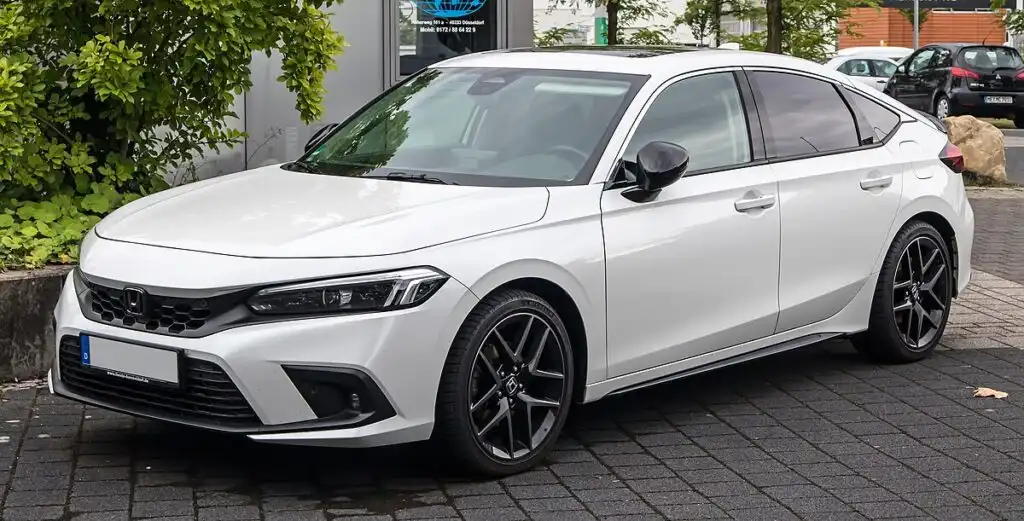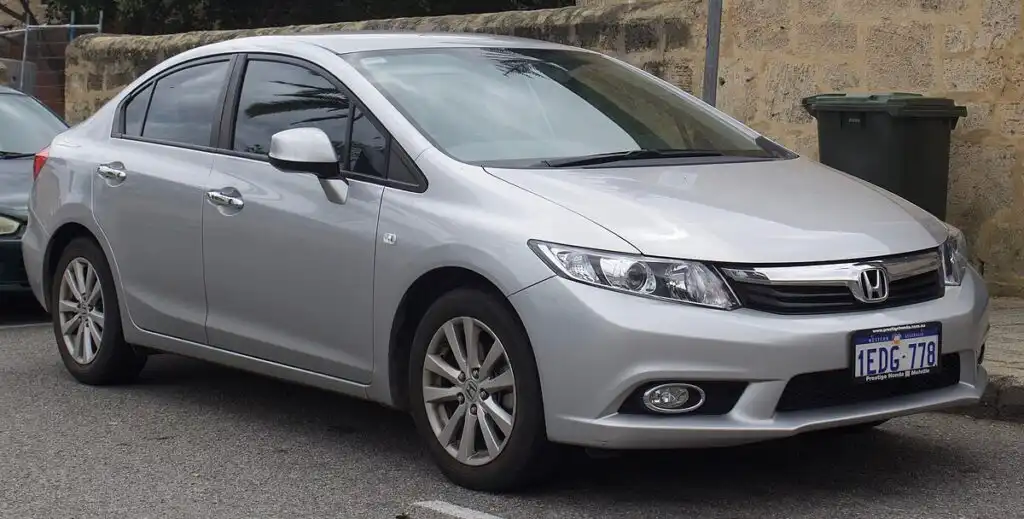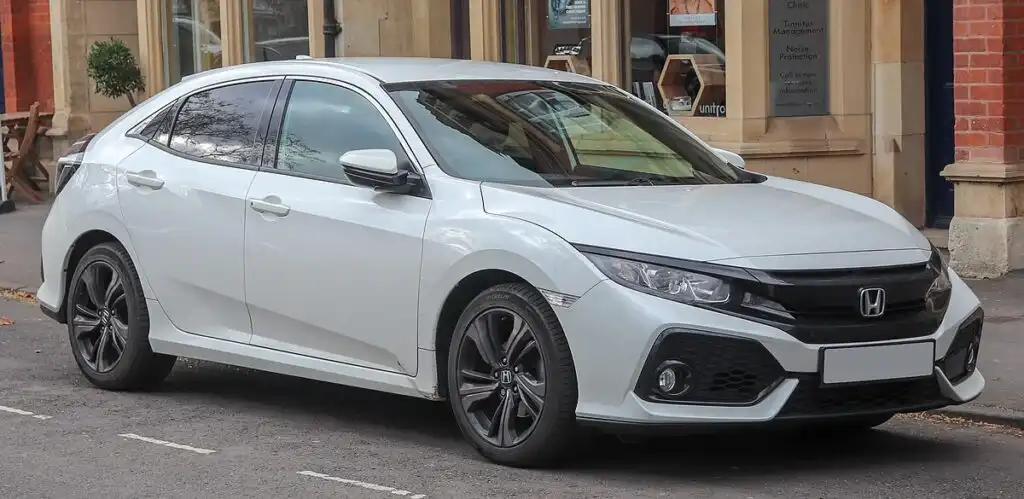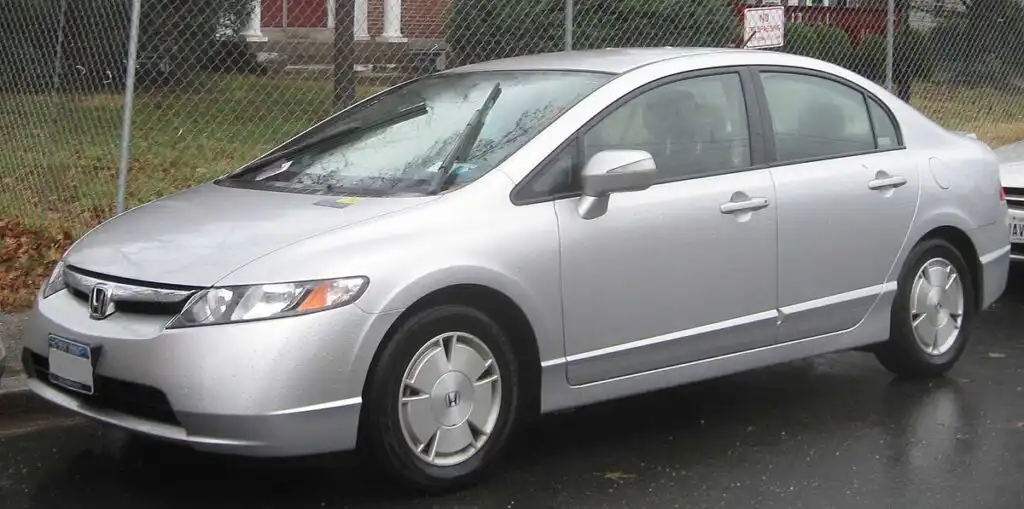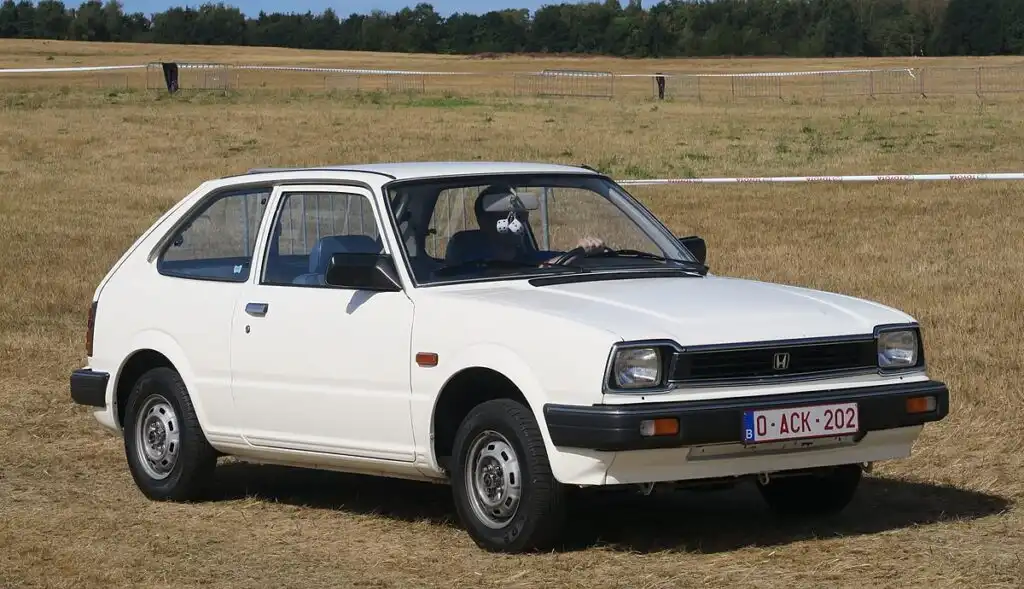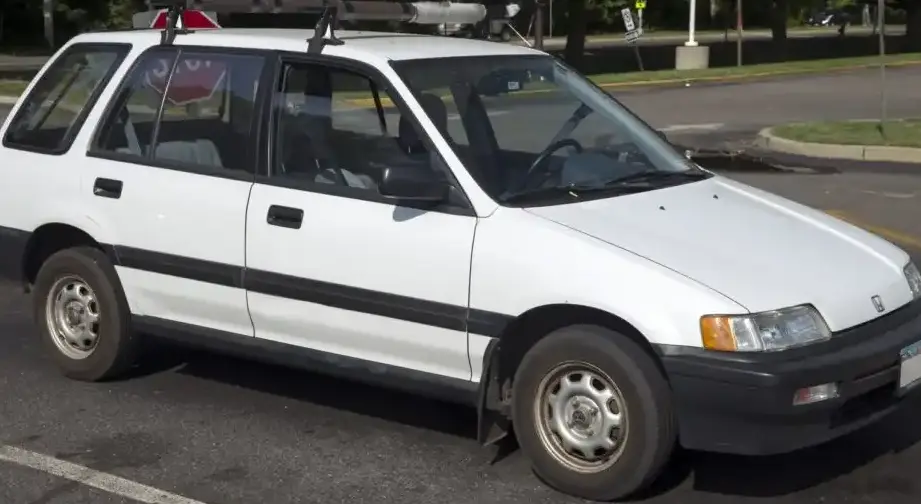
The Honda Civic IV Shuttle 1.5 i 16V (EE2), produced from 1988 to 1989, represents a unique variant within the fourth-generation Honda Civic lineup. This model, a compact station wagon (estate) marketed primarily in Europe and Japan, offered a practical and fuel-efficient option for families and individuals needing versatile cargo space. The EE2 designation specifically identifies the 1.5-liter, 16-valve engine paired with an automatic transmission. It occupied a mid-range position within the Shuttle lineup, offering a balance between affordability and features compared to the base models and potential higher-trim options available in certain markets.
Technical Specifications
| Brand | Honda |
| Model | Civic |
| Generation | Civic IV Shuttle |
| Type (Engine) | 1.5 i 16V (EE2) (90 Hp) |
| Start of production | 1988 |
| End of production | 1989 |
| Powertrain Architecture | Internal Combustion engine |
| Body type | Station wagon (estate) |
| Fuel Type | Petrol (Gasoline) |
| Power | 90 Hp |
| Engine Model/Code | D15B2 |
| Engine aspiration | Naturally aspirated engine |
| Engine oil capacity | 3.3 l (3.49 US qt | 2.9 UK qt) |
| Coolant capacity | 5.7 l (6.02 US qt | 5.02 UK qt) |
Powertrain & Engine Architecture
The heart of the Civic IV Shuttle 1.5 i 16V (EE2) is the D15B2 engine, a 1.5-liter inline-four cylinder gasoline engine. This engine is notable for its 16-valve cylinder head, which contributed to improved breathing and higher power output compared to earlier 8-valve designs. The D15B2 utilizes a single overhead camshaft (SOHC) valvetrain, a common configuration for Honda engines of this era. Fuel delivery is managed by a multi-point fuel injection system, enhancing efficiency and reducing emissions. The engine produces 90 horsepower and a modest amount of torque, figures typical for a naturally aspirated 1.5-liter engine of the late 1980s.
The EE2 variant was typically paired with a 3-speed automatic transmission. This transmission, while providing convenience, was geared towards fuel economy rather than outright performance. It featured a conventional torque converter design and relatively wide gear ratios. The automatic transmission was a key differentiator for this trim, appealing to buyers who prioritized ease of driving over sporty handling.
Driving Characteristics
The driving experience in the Civic IV Shuttle 1.5 i 16V (EE2) with the automatic transmission is best described as comfortable and practical. Acceleration is adequate for everyday driving, but not particularly brisk. The 90 horsepower engine, coupled with the automatic transmission’s gearing, results in a leisurely pace. The automatic transmission’s shift points are calibrated for fuel efficiency, meaning the engine often operates at lower RPMs. This contributes to a quieter cabin experience but can sometimes feel sluggish when attempting to overtake or climb hills. Compared to the 5-speed manual versions of the Civic, the automatic is noticeably slower in acceleration. The suspension, tuned for comfort, provides a reasonably smooth ride, absorbing bumps and imperfections in the road surface effectively. Handling is predictable but not particularly engaging, reflecting the car’s focus on practicality rather than sporty dynamics.
Equipment & Trim Levels
The Civic IV Shuttle 1.5 i 16V (EE2) typically came equipped with a reasonable level of standard features for its time. These generally included power steering, a basic audio system (often a cassette player), and cloth upholstery. The interior design is functional and straightforward, with a focus on durability and ease of use. Optional extras varied depending on the market, but could include features such as air conditioning, upgraded audio systems, and power windows. The EE2 trim generally sat in the middle of the Shuttle range, offering more features than the base models but lacking the luxury appointments found in potential higher-spec trims. Interior color schemes were typically conservative, with shades of gray and blue being common.
Chassis & Braking
The Civic IV Shuttle utilizes a front-engine, front-wheel-drive layout. The suspension consists of independent MacPherson struts at the front and a torsion beam rear suspension. This setup provides a good balance between ride comfort and handling. Braking on the EE2 variant typically featured disc brakes at the front and drum brakes at the rear. This configuration was common for vehicles in this class during the late 1980s. The braking system is adequate for normal driving conditions, but lacks the stopping power of more modern vehicles. Stabilizer bars were often included as standard equipment, helping to reduce body roll during cornering.
Market Reception & Comparison
The Civic IV Shuttle 1.5 i 16V (EE2) was generally well-received by automotive critics as a practical and reliable family vehicle. The 1.5-liter engine was praised for its fuel efficiency, while the automatic transmission was appreciated for its ease of use. However, some critics noted the lack of outright performance, particularly when compared to the manual transmission versions or higher-powered Civic models. Compared to other station wagons available at the time, the Civic Shuttle offered a compelling combination of fuel economy, reliability, and practicality. The 1.9 TDI versions of similar European models offered superior torque and fuel economy, but at a higher purchase price and with potentially more complex maintenance requirements. The EE2’s simplicity and Honda’s reputation for reliability made it an attractive option for buyers seeking a dependable and affordable vehicle.
Legacy
The D15B2 engine, found in the Civic IV Shuttle 1.5 i 16V (EE2), is known for its durability and relatively simple maintenance requirements. These engines, when properly maintained, can accumulate high mileage without major issues. The automatic transmission, while not as sporty as a manual, is also generally reliable. Today, the Civic IV Shuttle EE2 is considered a classic car, and well-maintained examples are sought after by enthusiasts. Parts availability is generally good, thanks to Honda’s extensive parts network. The EE2’s combination of practicality, reliability, and affordability has ensured its continued presence on roads around the world, making it a fondly remembered and respected member of the Honda Civic family.