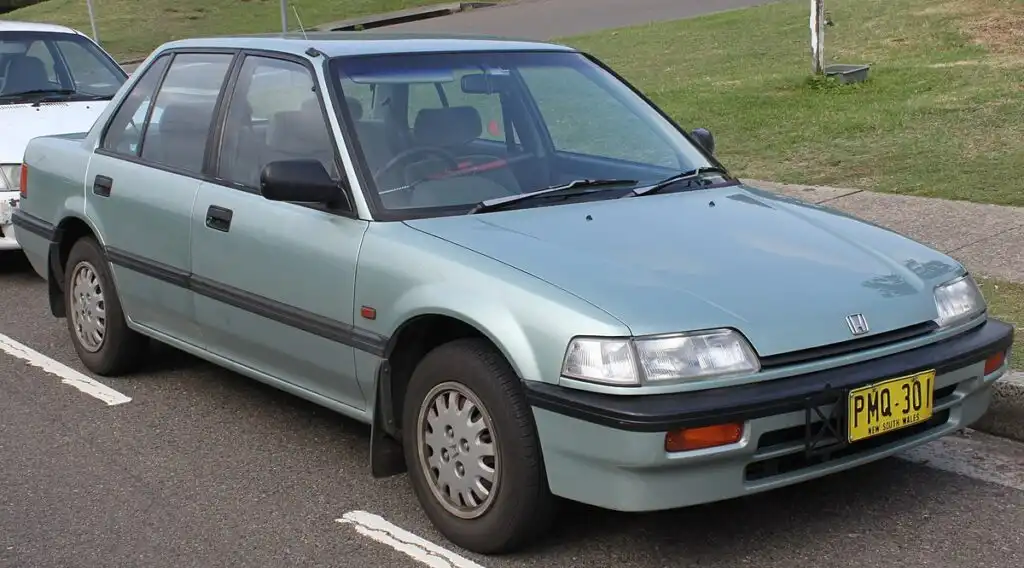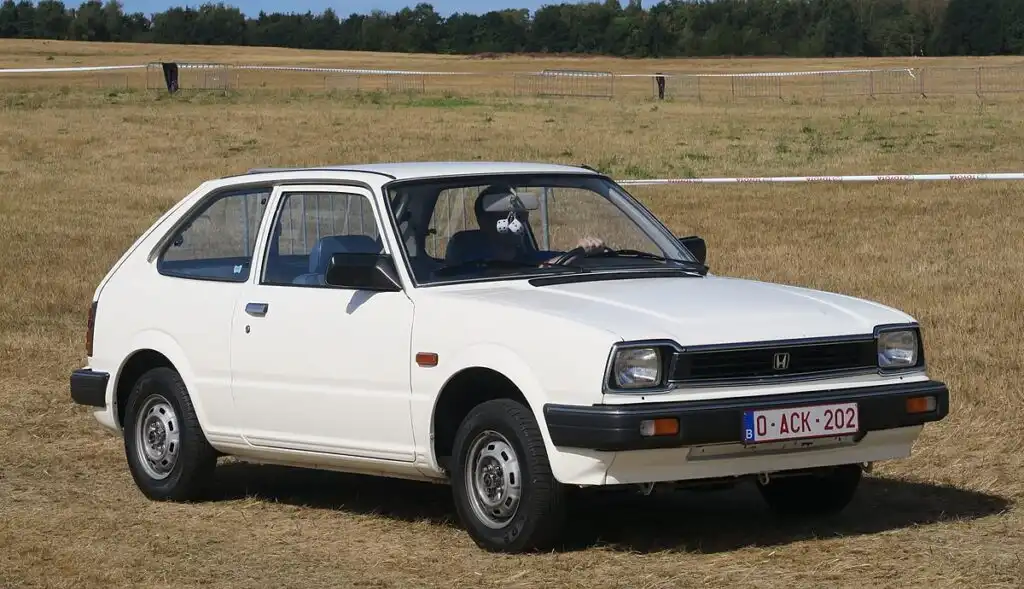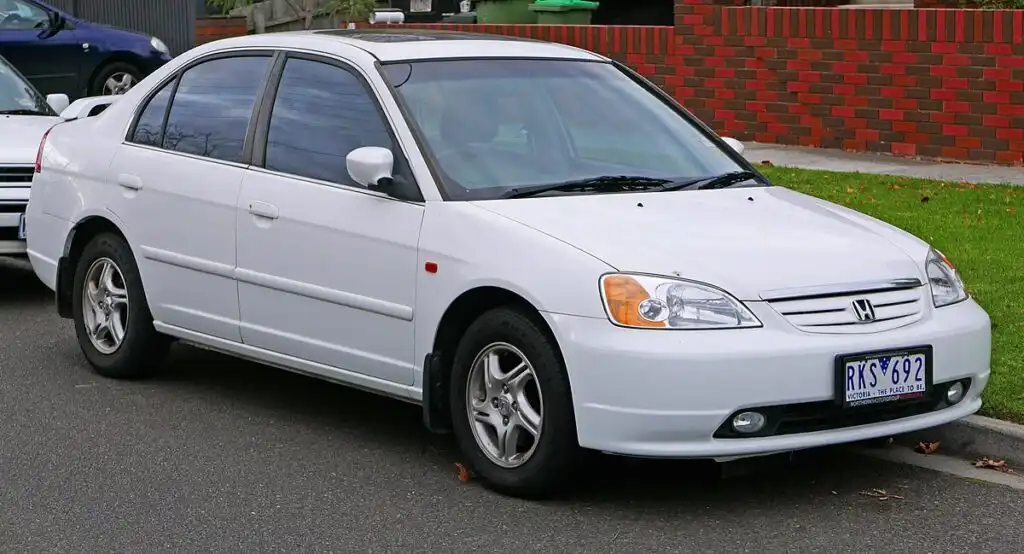
The Honda Civic IV Shuttle 1.6i 16V 4WD (EE4), produced between 1988 and 1991, represents a unique offering within the fourth-generation Civic lineup. This variant, a compact station wagon (estate) distinguished by its all-wheel-drive system and 16-valve engine, aimed to provide practicality and enhanced traction for buyers in regions experiencing inclement weather or desiring added stability. It occupied a niche position, offering a blend of Civic reliability with the versatility of a wagon and the security of four-wheel drive, setting it apart from the more common Civic sedan and hatchback models of the era. The EE4 chassis code specifically identifies this configuration.
Technical Specifications
| Brand | Honda |
| Model | Civic |
| Generation | Civic IV Shuttle |
| Type (Engine) | 1.6 i 16V 4WD (EE4) (109 Hp) |
| Start of production | 1988 |
| End of production | 1991 |
| Powertrain Architecture | Internal Combustion engine |
| Body type | Station wagon (estate) |
| Fuel Type | Petrol (Gasoline) |
| Power | 109 Hp |
| Engine Model/Code | D16A6 |
| Engine aspiration | Naturally aspirated engine |
| Engine oil capacity | 3.5 l (3.7 US qt | 3.08 UK qt) |
| Coolant capacity | 5.7 l (6.02 US qt | 5.02 UK qt) |
Powertrain & Engine Architecture
The heart of the Civic Shuttle 1.6i 16V 4WD is the D16A6 engine, a 1.6-liter (1588cc) inline-four cylinder powerplant. This engine is notable for its 16-valve cylinder head, a feature that contributed to its relatively high output for a naturally aspirated engine of that displacement. The D16A6 utilizes a single overhead camshaft (SOHC) design, operating with a multi-point fuel injection system. This fuel injection system, a significant advancement over earlier carburetor-equipped Civics, provided improved fuel efficiency and smoother power delivery. The engine’s block is constructed from cast iron, while the cylinder head is aluminum, contributing to a reasonable weight balance. The 4WD system employed a viscous coupling to distribute power to the rear wheels when slippage was detected at the front, offering an automatic and reactive all-wheel-drive experience. The transmission paired with the D16A6 in the EE4 is a four-speed automatic, chosen for its ease of use and suitability for a family-oriented vehicle. While a manual transmission was available on other Civic Shuttle models, the 4WD variant was exclusively offered with the automatic.
Driving Characteristics
The 109 horsepower and approximately 100 lb-ft of torque produced by the D16A6, coupled with the four-speed automatic transmission, resulted in a driving experience focused on practicality rather than outright performance. Acceleration was adequate for everyday driving, but not particularly brisk. The automatic transmission’s gear ratios were tuned for fuel economy and smooth operation, rather than aggressive shifting. The all-wheel-drive system significantly enhanced traction, particularly on slippery surfaces like snow or gravel. This made the EE4 a more confident and capable vehicle in adverse conditions compared to front-wheel-drive Civics. However, the added weight of the 4WD components and the automatic transmission did slightly diminish fuel economy compared to lighter, manual-transmission models. The steering felt precise, typical of Honda vehicles of this era, and the suspension provided a comfortable ride, although it wasn’t particularly sporty. Compared to the more powerful Civic Si models, the EE4 offered a much more relaxed and refined driving experience.
Equipment & Trim Levels
The Civic Shuttle 1.6i 16V 4WD (EE4) was generally positioned as a mid-range trim level within the Shuttle lineup. Standard equipment typically included power steering, a basic audio system, and cloth upholstery. The interior featured a functional, if somewhat spartan, design. Optional extras available for the EE4 included air conditioning, upgraded audio systems, and power windows. The dashboard layout was similar to other fourth-generation Civics, with clearly marked gauges and easy-to-use controls. The rear seats could be folded down to expand cargo space, enhancing the vehicle’s versatility. The exterior styling was consistent with other Civic Shuttle models, featuring a distinctive wagon body style with a rear liftgate. The EE4 did not typically receive any unique cosmetic enhancements to differentiate it from other Shuttle variants.
Chassis & Braking
The Civic Shuttle EE4 utilized a MacPherson strut front suspension and a torsion beam rear suspension. This suspension setup provided a good balance of ride comfort and handling. The chassis was reinforced to accommodate the added weight and stresses of the all-wheel-drive system. Braking duties were handled by disc brakes at the front and drum brakes at the rear. While the front discs provided adequate stopping power, the rear drums were a cost-saving measure and offered less consistent performance, particularly under heavy braking. The EE4 did not feature anti-lock brakes (ABS) as standard equipment, although it may have been available as an optional extra in some markets. Stabilizer bars were fitted to both the front and rear axles to reduce body roll during cornering.
Market Reception & Comparison
The Civic Shuttle 1.6i 16V 4WD (EE4) received generally positive reviews from automotive critics. It was praised for its practicality, reliability, and enhanced traction. However, some critics noted that the automatic transmission and 4WD system slightly diminished performance and fuel economy. Compared to other trims in the Civic lineup, the EE4 offered a unique combination of features that appealed to a specific segment of buyers. The 1.5L front wheel drive models were more fuel efficient and less expensive, while the Si models offered significantly more performance. The EE4’s main competitors included other compact station wagons with all-wheel-drive systems, such as the Subaru Leone and the Mitsubishi Mirage.
Legacy
The Honda Civic IV Shuttle 1.6i 16V 4WD (EE4) has developed a modest following among Honda enthusiasts and collectors. The D16A6 engine is known for its durability and relatively simple maintenance requirements. However, finding well-maintained examples can be challenging, as many have been subjected to years of use and potential neglect. The 4WD system, while reliable, may require occasional maintenance to ensure proper operation. Today, the EE4 represents a unique and relatively rare variant of the fourth-generation Civic, offering a glimpse into Honda’s experimentation with all-wheel-drive technology in the late 1980s and early 1990s. Its blend of practicality, reliability, and all-weather capability continues to appeal to a niche group of buyers seeking a classic Honda with a distinctive character.