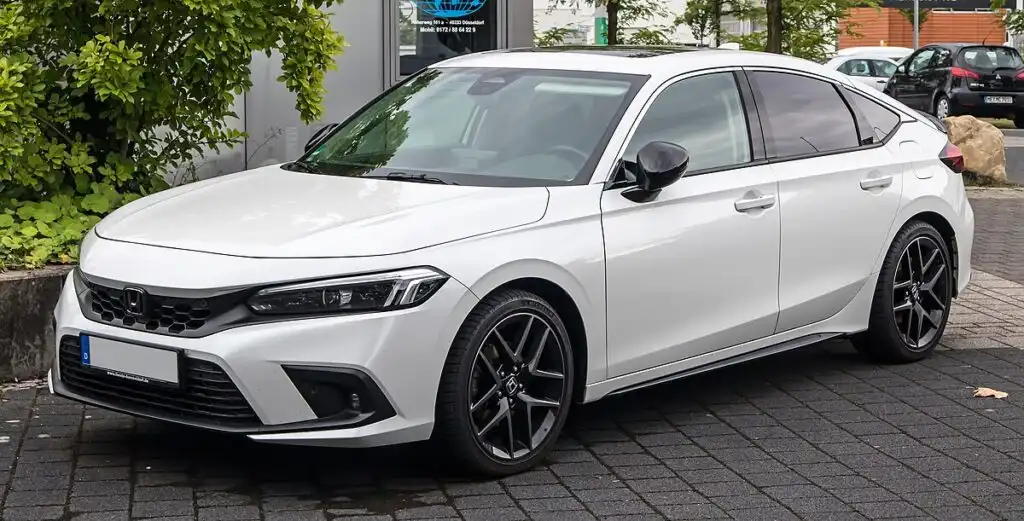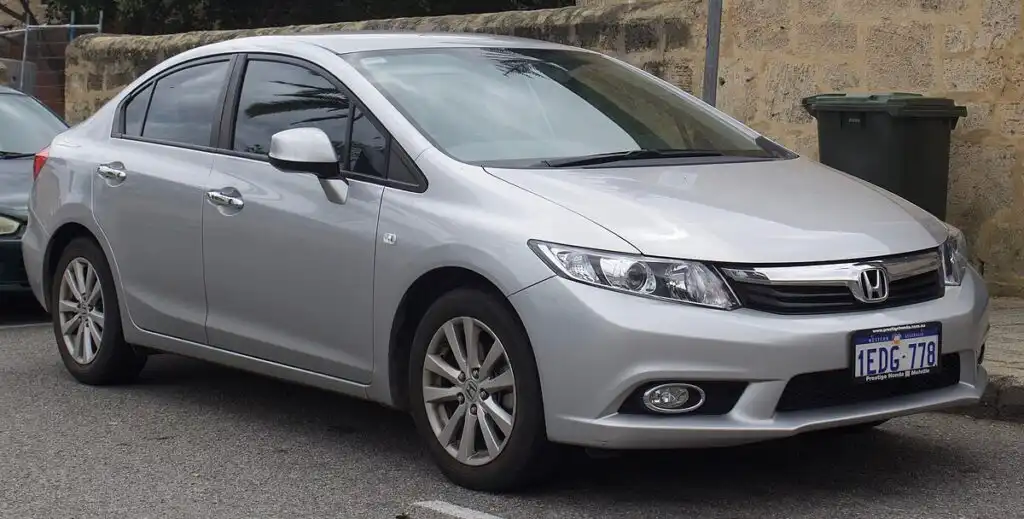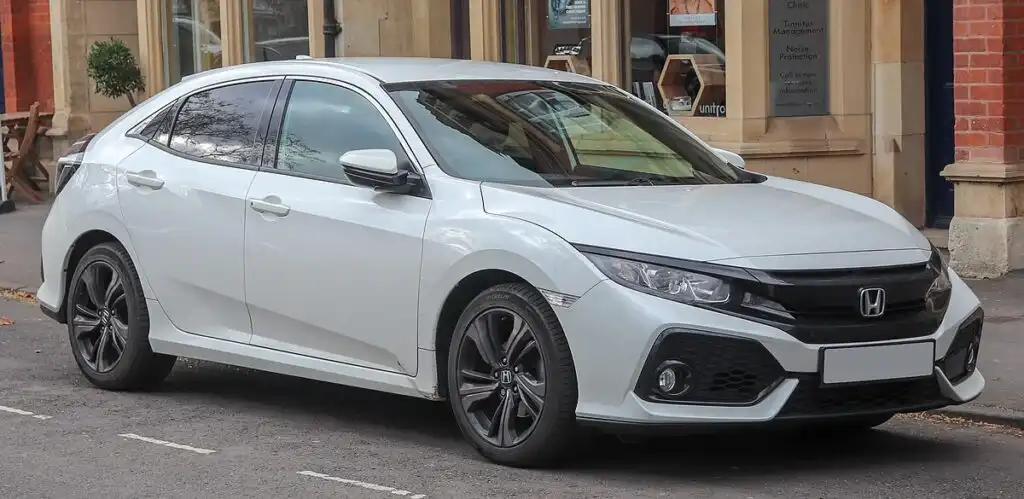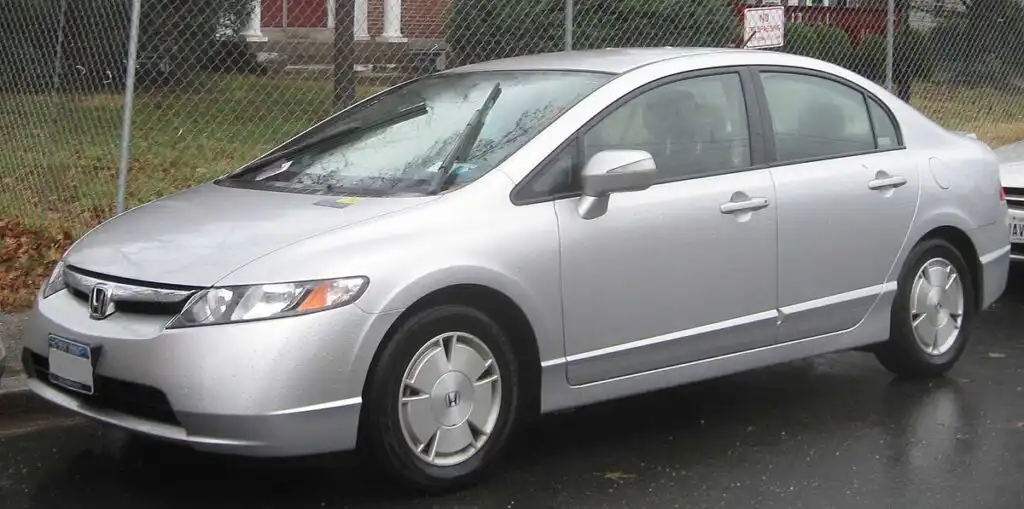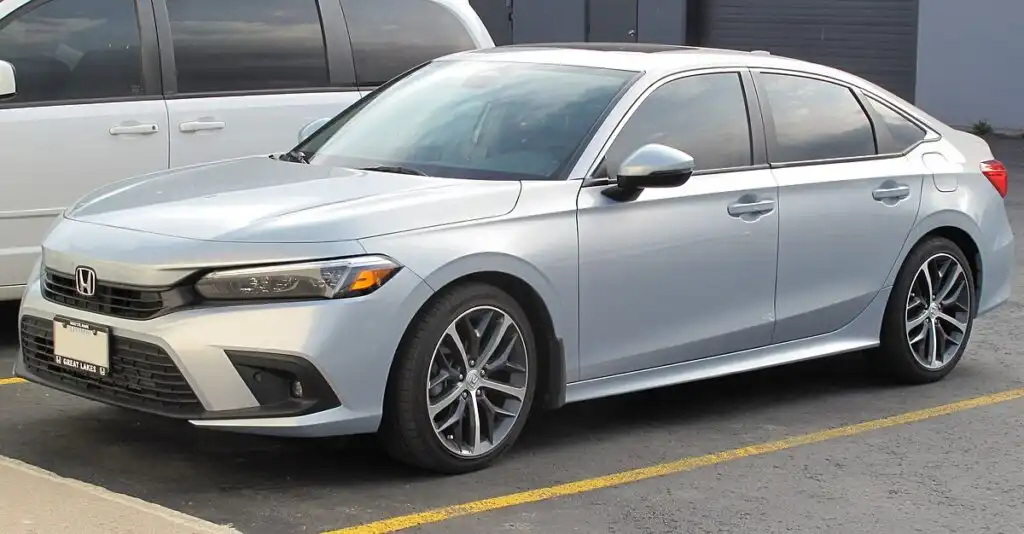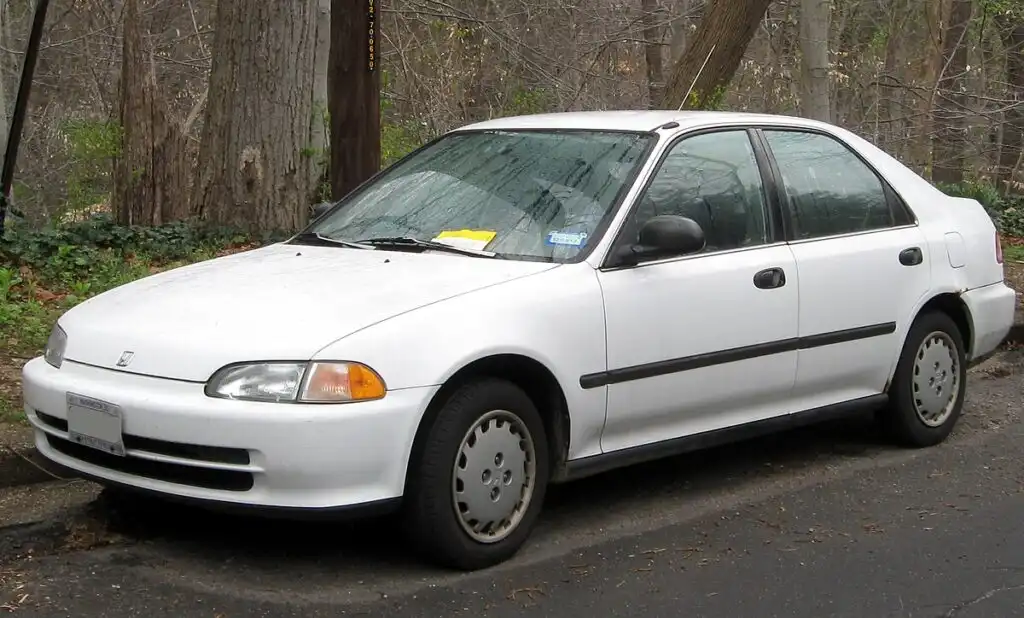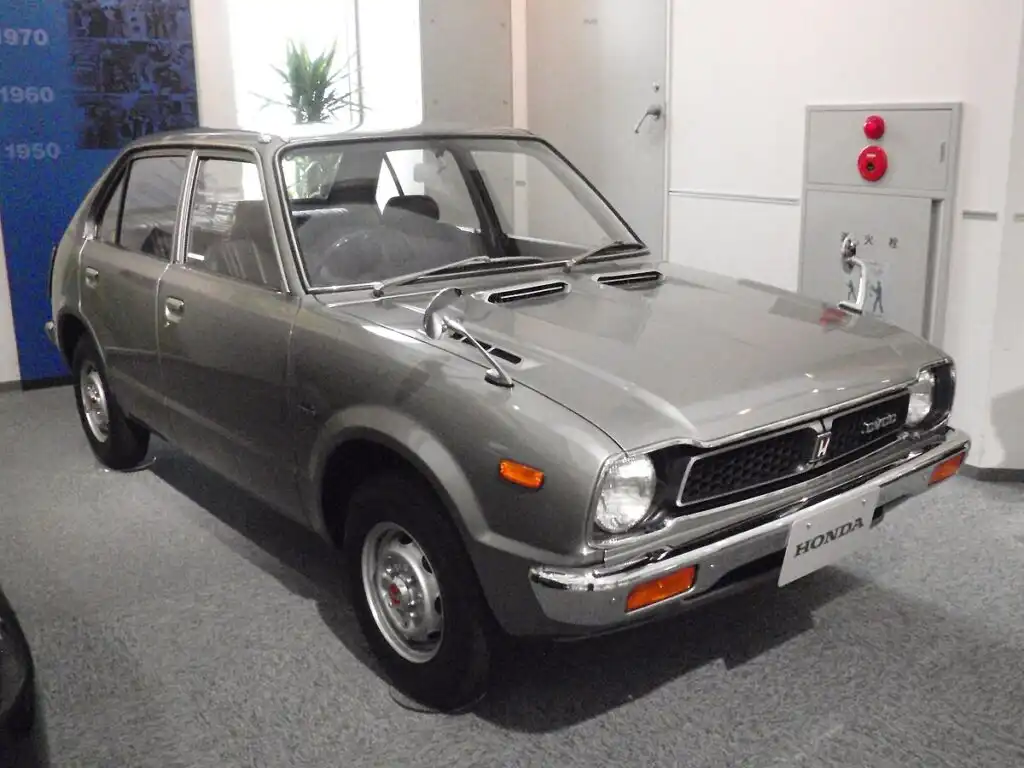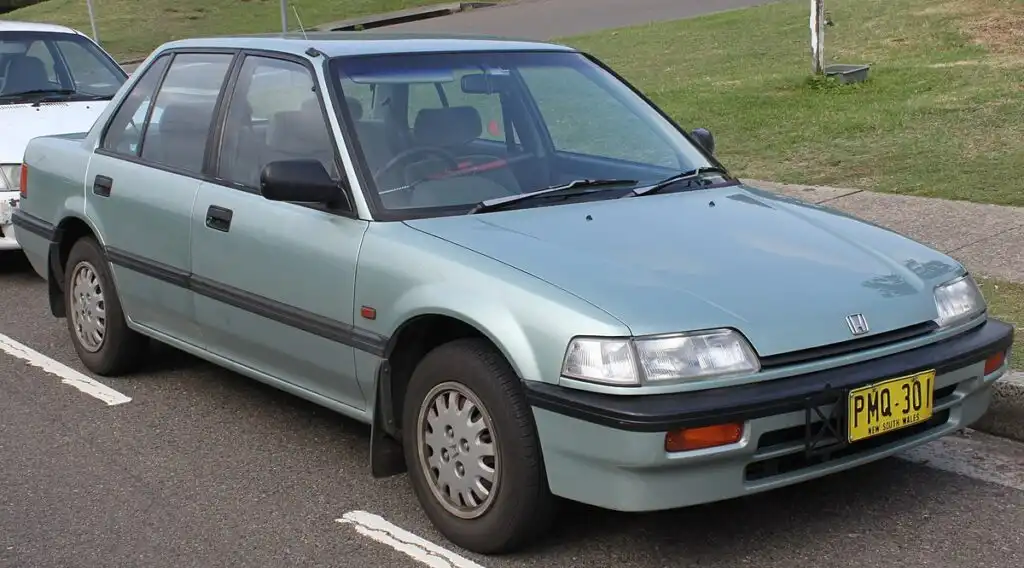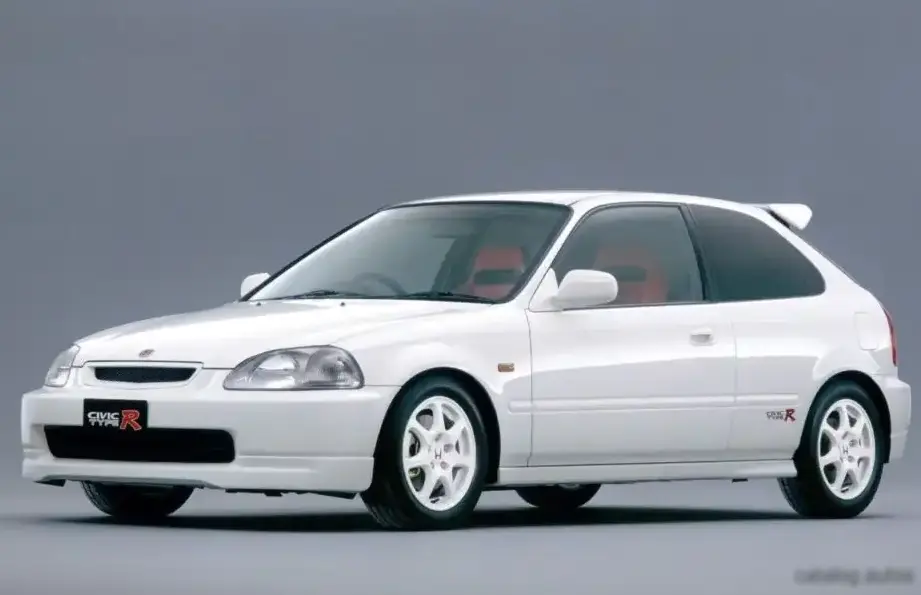
The Honda Civic Type R (EK9) represents a pivotal moment in the evolution of the Civic, and hot hatches in general. Produced for a limited time between 1997 and 1998, this lightweight, high-revving hatchback was specifically engineered for performance, marking Honda’s commitment to a more focused driving experience. The EK9 was exclusively offered in Japan, making it a sought-after import and a symbol of the late 1990s JDM (Japanese Domestic Market) performance car scene. It was built upon the EK chassis, sharing its basic structure with the sixth-generation Civic, but distinguished by significant mechanical upgrades and a more aggressive aesthetic. The EK9 served as a precursor to the more globally recognized Type R models that followed, establishing the core principles of VTEC technology, lightweight construction, and precise handling that would define the Type R lineage.
Technical Specifications
| Brand | Honda |
| Model | Civic Type R |
| Generation | Civic Type R (EK9) |
| Type (Engine) | 1.6 (185 Hp) |
| Start of production | 1997 |
| End of production | 1998 |
| Powertrain Architecture | Internal Combustion engine |
| Body type | Hatchback |
| Seats | 4 |
| Doors | 3 |
| Fuel Type | Petrol (Gasoline) |
| Acceleration 0 – 100 km/h | 6.6 sec |
| Acceleration 0 – 62 mph | 6.6 sec |
| Acceleration 0 – 60 mph | 6.3 sec |
| Maximum speed | 225 km/h (139.81 mph) |
| Weight-to-power ratio | 5.7 kg/Hp, 176.2 Hp/tonne |
| Weight-to-torque ratio | 6.6 kg/Nm, 152.4 Nm/tonne |
| Power | 185 Hp @ 8200 rpm |
| Power per litre | 116 Hp/l |
| Torque | 160 Nm @ 7500 rpm (118.01 lb.-ft. @ 7500 rpm) |
| Engine layout | Front, Transverse |
| Engine Model/Code | B16B |
| Engine displacement | 1595 cm3 (97.33 cu. in.) |
| Number of cylinders | 4 |
| Engine configuration | Inline |
| Cylinder Bore | 81 mm (3.19 in.) |
| Piston Stroke | 77.4 mm (3.05 in.) |
| Compression ratio | 10.8:1 |
| Number of valves per cylinder | 4 |
| Fuel injection system | Multi-port manifold injection |
| Engine aspiration | Naturally aspirated engine |
| Valvetrain | DOHC, VTEC |
| Engine oil capacity | 4 l (4.23 US qt | 3.52 UK qt) |
| Kerb Weight | 1050 kg (2314.85 lbs.) |
| Fuel tank capacity | 45 l (11.89 US gal | 9.9 UK gal) |
| Length | 4180 mm (164.57 in.) |
| Width | 1695 mm (66.73 in.) |
| Height | 1360 mm (53.54 in.) |
| Wheelbase | 2620 mm (103.15 in.) |
| Front track | 1480 mm (58.27 in.) |
| Rear (Back) track | 1480 mm (58.27 in.) |
| Ride height (ground clearance) | 135 mm (5.31 in.) |
| Minimum turning circle | 10.8 m (35.43 ft.) |
| Drivetrain Architecture | Front wheel drive |
| Number of gears and type of gearbox | 5 gears, manual transmission |
| Front suspension | Double wishbone |
| Rear suspension | Double wishbone |
| Front brakes | Ventilated discs, 262 mm |
| Rear brakes | Disc, 239 mm |
| Assisting systems | ABS (Anti-lock braking system) |
| Steering type | Steering rack and pinion |
| Power steering | Hydraulic Steering |
| Tires size | 195/55 R15 |
| Wheel rims size | 6J x 15 |
Powertrain & Engine Architecture
The heart of the EK9 is the B16B engine, a 1.6-liter inline-four cylinder powerplant. This engine is a high-revving naturally aspirated unit, producing 185 horsepower at 8,200 rpm and 118 lb-ft of torque at 7,500 rpm. The B16B features a high compression ratio of 10.8:1, contributing to its spirited performance. Crucially, it utilizes Honda’s VTEC (Variable Valve Timing and Lift Electronic Control) system, which switches between two camshaft profiles to optimize performance at both low and high engine speeds. The fuel delivery is managed by a multi-port fuel injection system. The engine’s design prioritized responsiveness and high-end power over low-end torque, a characteristic typical of many Japanese performance engines of the era. The EK9 exclusively came with a close-ratio 5-speed manual transmission, designed to keep the engine within its optimal power band. This transmission featured shorter gear ratios compared to standard Civic transmissions, enhancing acceleration.
Driving Characteristics
The driving experience of the EK9 is defined by its lightweight construction and responsive engine. Weighing in at around 2,315 pounds, the EK9 boasts an impressive power-to-weight ratio. The short gearing of the 5-speed manual transmission necessitates frequent shifting to maintain momentum, but rewards the driver with a direct and engaging feel. While the 160 Nm (118 lb-ft) of torque isn’t substantial by modern standards, the engine’s willingness to rev to its 8,200 rpm redline makes it feel faster than the numbers suggest. Compared to other Civic variants of the time, such as the more economy-focused models, the EK9 offers significantly sharper handling and a more visceral driving experience. It lacks the low-end grunt of later turbocharged Type R models, but provides a purer, more analog connection between driver and machine.
Equipment & Trim Levels
The EK9 Type R was relatively spartan in terms of luxury features, prioritizing performance over comfort. Standard equipment included sport seats with aggressive bolstering, a leather-wrapped steering wheel, and a unique instrument cluster with a high-revving tachometer. Air conditioning and power windows were typically standard, but options were limited. The interior trim was focused on functionality, with minimal extraneous decoration. The exterior featured a more aggressive body kit compared to standard Civics, including a front lip spoiler, side skirts, and a rear wing. The EK9 was only available in a limited range of colors, typically Championship White, Black, and a few shades of metallic blue and silver.
Chassis & Braking
The EK9’s chassis benefited from several enhancements over the standard Civic. Stiffer springs and dampers were employed, along with a thicker front stabilizer bar, to reduce body roll and improve handling. The front suspension utilized double wishbone configuration, while the rear also featured a double wishbone setup. Braking duties were handled by ventilated discs at the front and solid discs at the rear. ABS (Anti-lock Braking System) was standard. While the braking system was adequate for the car’s performance, it wasn’t as advanced as those found on some contemporary sports cars.
Market Reception & Comparison
The EK9 Type R was widely praised by automotive journalists and enthusiasts for its exceptional handling, responsive engine, and overall driving experience. It was often compared favorably to other hot hatches of the time, such as the Peugeot 205 GTI and the Renault Clio Williams. Critics noted its lack of low-end torque, but appreciated its high-revving nature and precise steering. Compared to the later, more powerful Type R models, the EK9 offered a more raw and engaging driving experience, appealing to purists. Fuel economy was reasonable for a performance car of its era, but not a primary focus.
Legacy
The Honda Civic Type R (EK9) holds a significant place in automotive history as a pioneering example of a lightweight, high-revving performance hatchback. It established the Type R badge as a symbol of driving purity and engineering excellence. Today, the EK9 is a highly sought-after collector’s car, particularly in its original, unmodified condition. The B16B engine is known for its reliability when properly maintained, but can be susceptible to wear and tear if neglected. The EK9’s influence can be seen in subsequent generations of the Civic Type R, which have continued to build upon its core principles of lightweight construction, VTEC technology, and precise handling. Its rarity and historical significance ensure that the EK9 will remain a cherished icon among automotive enthusiasts for years to come.