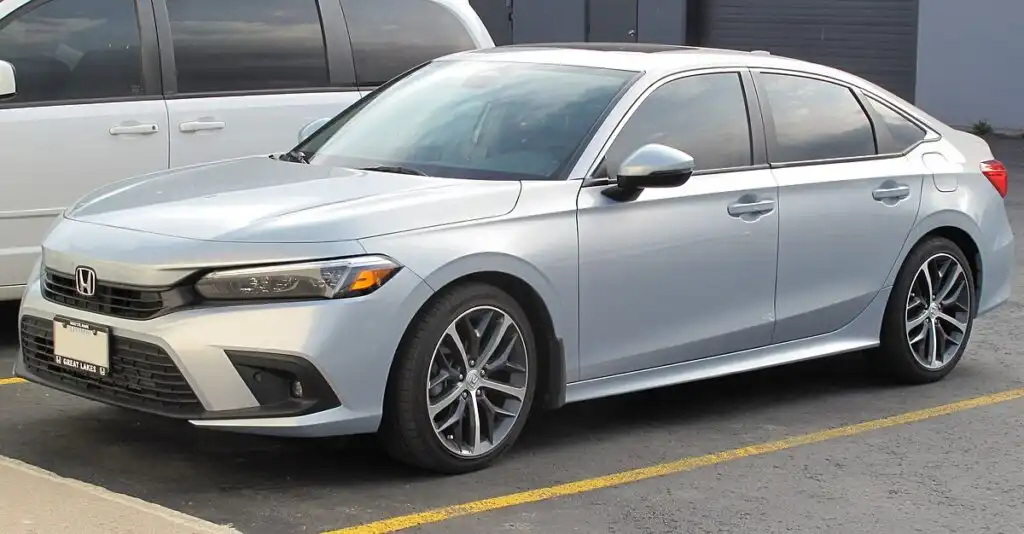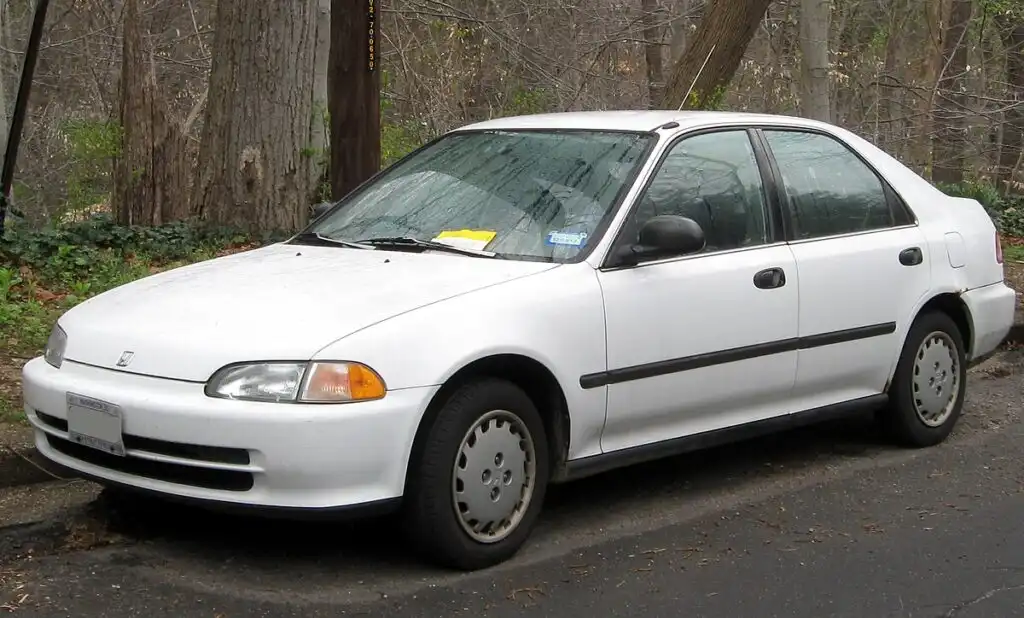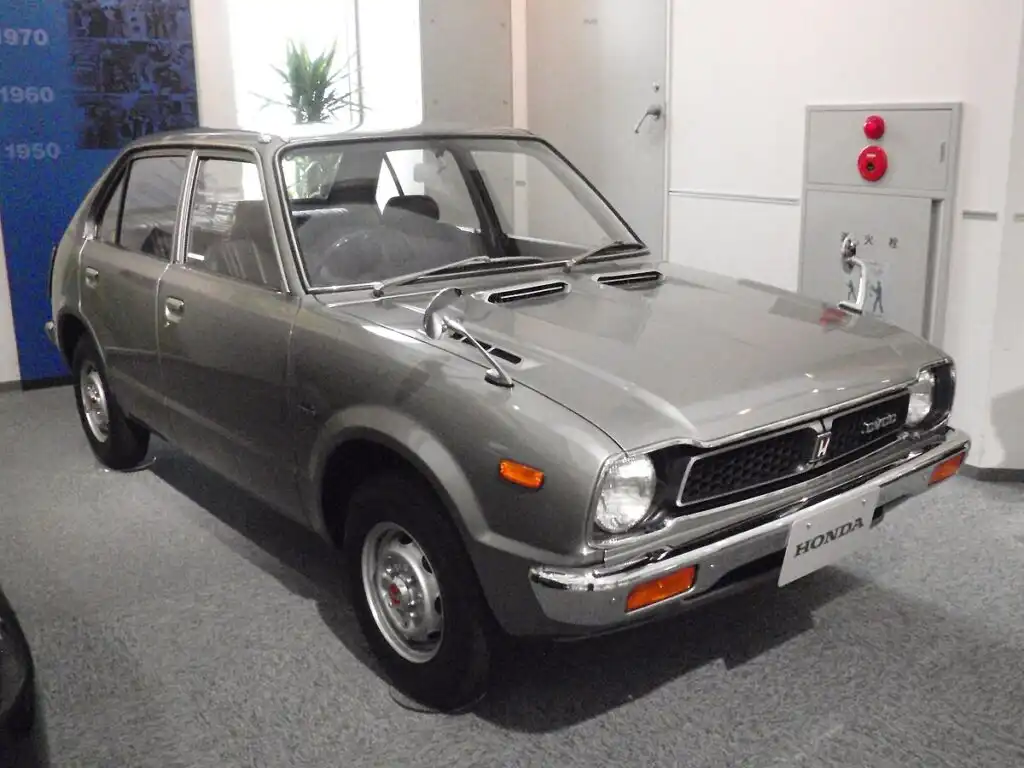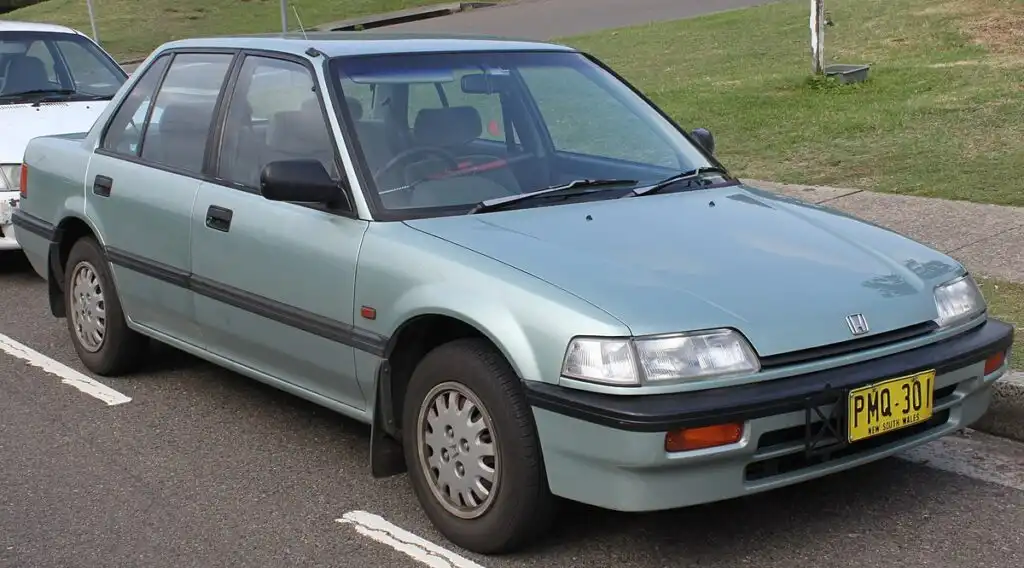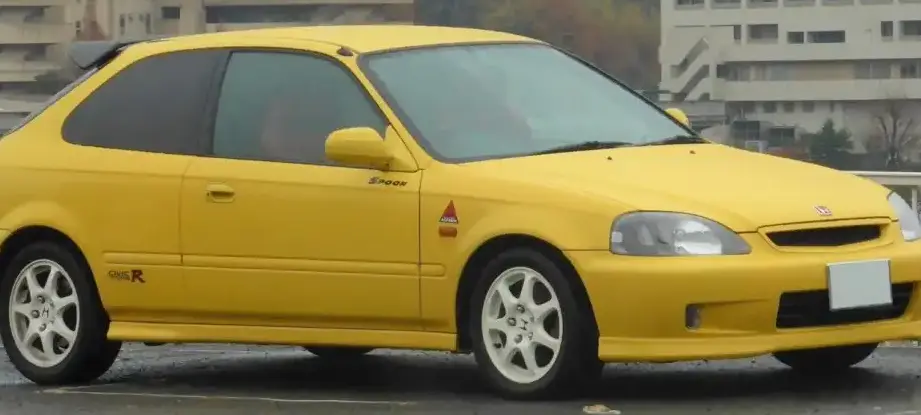
The Honda Civic Type R (EK9), particularly the facelifted version introduced in 1998, represents a pivotal moment in the evolution of Honda’s performance-oriented subcompact. Produced from 1998 to 2000, the EK9 was the first Civic to bear the Type R designation, signifying a commitment to lightweight construction, high-revving engines, and track-focused handling. It was exclusively offered as a three-door hatchback and primarily targeted the Japanese domestic market (JDM), though limited numbers were exported to other regions. The EK9 established the Type R lineage that continues today, setting a benchmark for front-wheel-drive performance cars.
Technical Specifications
| Brand | Honda |
| Model | Civic Type R |
| Generation | Civic Type R (EK9, facelift 1998) |
| Type (Engine) | 1.6 (185 Hp) |
| Start of production | 1998 |
| End of production | 2000 |
| Powertrain Architecture | Internal Combustion engine |
| Body type | Hatchback |
| Seats | 4 |
| Doors | 3 |
| Fuel Type | Petrol (Gasoline) |
| Acceleration 0 – 100 km/h | 6.6 sec |
| Acceleration 0 – 62 mph | 6.6 sec |
| Acceleration 0 – 60 mph | 6.3 sec |
| Maximum speed | 225 km/h (139.81 mph) |
| Weight-to-power ratio | 5.7 kg/Hp, 176.2 Hp/tonne |
| Weight-to-torque ratio | 6.6 kg/Nm, 152.4 Nm/tonne |
| Power | 185 Hp @ 8200 rpm |
| Power per litre | 116 Hp/l |
| Torque | 160 Nm @ 7500 rpm (118.01 lb.-ft. @ 7500 rpm) |
| Engine layout | Front, Transverse |
| Engine Model/Code | B16B |
| Engine displacement | 1595 cm3 (97.33 cu. in.) |
| Number of cylinders | 4 |
| Engine configuration | Inline |
| Cylinder Bore | 81 mm (3.19 in.) |
| Piston Stroke | 77.4 mm (3.05 in.) |
| Compression ratio | 10.8:1 |
| Number of valves per cylinder | 4 |
| Fuel injection system | Multi-port manifold injection |
| Engine aspiration | Naturally aspirated engine |
| Valvetrain | DOHC, VTEC |
| Engine oil capacity | 4 l (4.23 US qt | 3.52 UK qt) |
| Kerb Weight | 1050 kg (2314.85 lbs.) |
| Fuel tank capacity | 45 l (11.89 US gal | 9.9 UK gal) |
| Length | 4185 mm (164.76 in.) |
| Width | 1695 mm (66.73 in.) |
| Height | 1360 mm (53.54 in.) |
| Wheelbase | 2620 mm (103.15 in.) |
| Front track | 1480 mm (58.27 in.) |
| Rear track | 1480 mm (58.27 in.) |
| Ride height (ground clearance) | 135 mm (5.31 in.) |
| Minimum turning circle | 10.8 m (35.43 ft.) |
| Drivetrain Architecture | Front wheel drive |
| Number of gears and type of gearbox | 5 gears, manual transmission |
| Front suspension | Double wishbone |
| Rear suspension | Double wishbone |
| Front brakes | Ventilated discs, 262 mm |
| Rear brakes | Disc, 239 mm |
| Assisting systems | ABS (Anti-lock braking system) |
| Steering type | Steering rack and pinion |
| Power steering | Hydraulic Steering |
| Tires size | 195/55 R15 |
| Wheel rims size | 6J x 15 |
Powertrain & Engine Architecture
The heart of the EK9 is the B16B engine, a 1.6-liter, naturally aspirated inline-four cylinder. This engine is a high-revving masterpiece, producing 185 horsepower at 8200 rpm and 118 lb-ft of torque at 7500 rpm. The B16B featured a higher compression ratio (10.8:1) compared to other Civic engines of the time, along with meticulously polished intake ports and a lightweight flywheel. It utilized Honda’s Variable Valve Timing and Lift Electronic Control (VTEC) system, which switched to a more aggressive camshaft profile at higher engine speeds, dramatically increasing power output. Fuel delivery was handled by a multi-port fuel injection system. The engine was exclusively paired with a close-ratio 5-speed manual transmission, designed to maximize performance and driver engagement. The transmission featured shorter gear ratios than those found in standard Civics, contributing to quicker acceleration.
Driving Characteristics
The EK9’s driving experience is defined by its responsiveness and eagerness to rev. While peak torque is relatively modest, the engine’s willingness to climb to its 8200 rpm redline makes it feel faster than its numbers suggest. The close-ratio gearbox encourages frequent shifting, keeping the engine in its powerband. Compared to other Civic variants of the era, such as the 1.5-liter models, the Type R offered a significantly more engaging and exhilarating driving experience. It lacked the low-end grunt of larger-displacement engines, but its agility and precise handling more than compensated. The lightweight construction (approximately 2315 lbs) further enhanced its nimble character.
Equipment & Trim Levels
The EK9 Type R was relatively spartan in terms of luxury features, prioritizing performance over comfort. Standard equipment included sport seats with aggressive bolstering, a leather-wrapped steering wheel, and a unique instrument cluster with a high-revving tachometer. Air conditioning and power windows were typically standard, but options were limited. The interior trim was focused on functionality, with minimal extraneous decoration. Recaro seats were a popular factory option. The exterior featured a distinctive front lip spoiler, side skirts, and a rear wing, all designed to improve aerodynamics and enhance the car’s aggressive appearance.
Chassis & Braking
The EK9’s chassis was extensively modified compared to standard Civics. It featured a stiffer chassis, reinforced suspension mounting points, and a more aggressive suspension setup. The front and rear suspension utilized double wishbone designs with stiffer springs and dampers. Front brakes were upgraded to ventilated discs, while the rear brakes remained solid discs. Anti-lock brakes (ABS) were standard. The car’s lightweight construction played a crucial role in its handling prowess, contributing to reduced body roll and improved responsiveness. A thicker front stabilizer bar further enhanced cornering stability.
Market Reception & Comparison
The EK9 Type R was widely praised by automotive journalists for its exceptional handling, high-revving engine, and overall driving experience. It was often compared favorably to more expensive sports cars. Critics noted its lack of low-end torque, but lauded its agility and responsiveness. Compared to other Civic models, the Type R represented a significant performance upgrade, justifying its higher price tag. It quickly gained a cult following among enthusiasts, becoming a highly sought-after JDM import.
Legacy
The EK9 Type R established the foundation for all subsequent Civic Type R models. It demonstrated Honda’s commitment to creating high-performance, front-wheel-drive cars that prioritize driver engagement. Today, the EK9 is a highly collectible vehicle, with prices continuing to rise. The B16B engine is renowned for its reliability and tunability, making it a popular choice for engine swaps and modifications. Well-maintained examples are increasingly rare, and the EK9 remains a benchmark for enthusiasts seeking a pure and engaging driving experience.