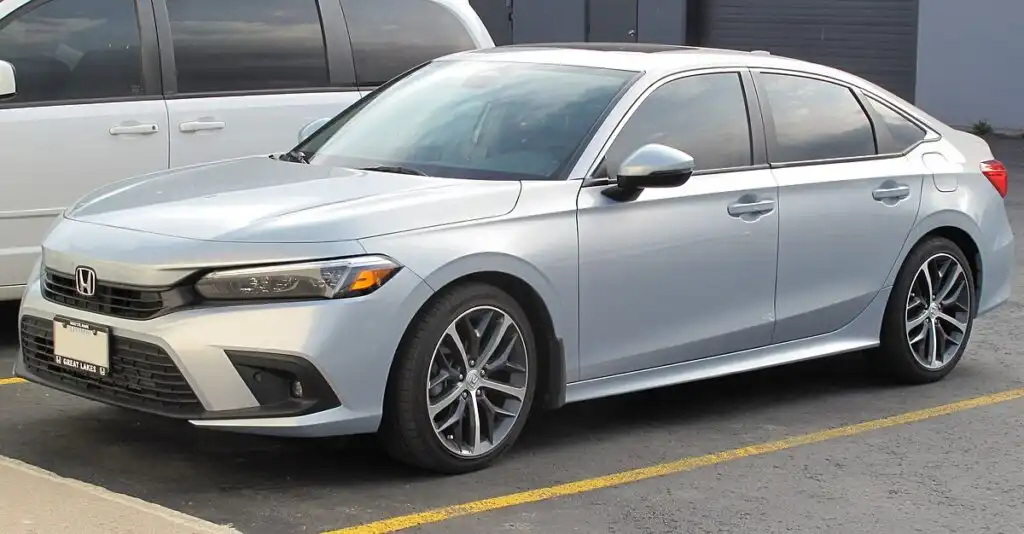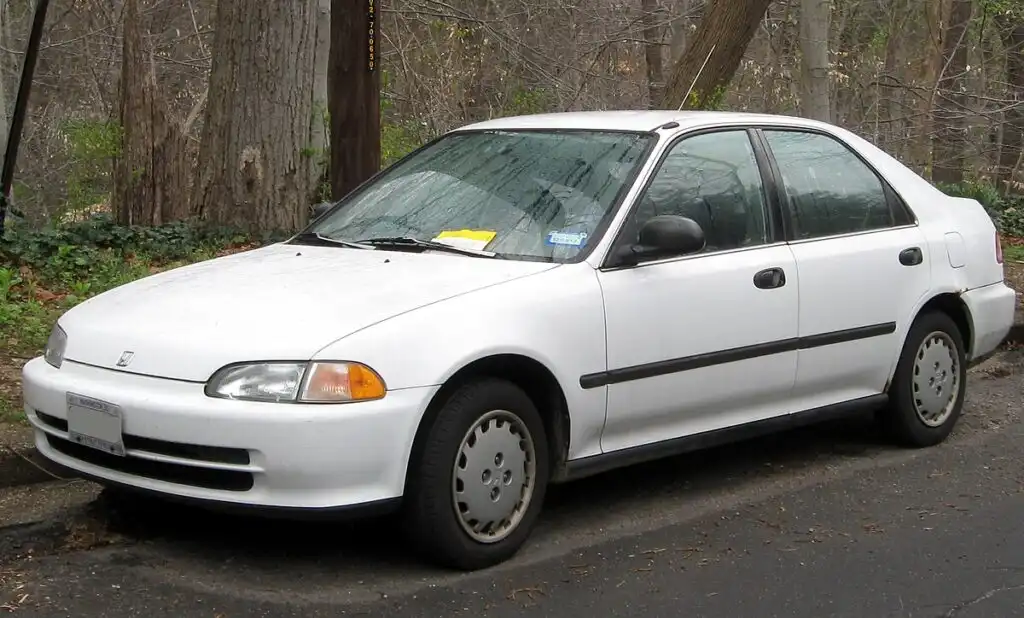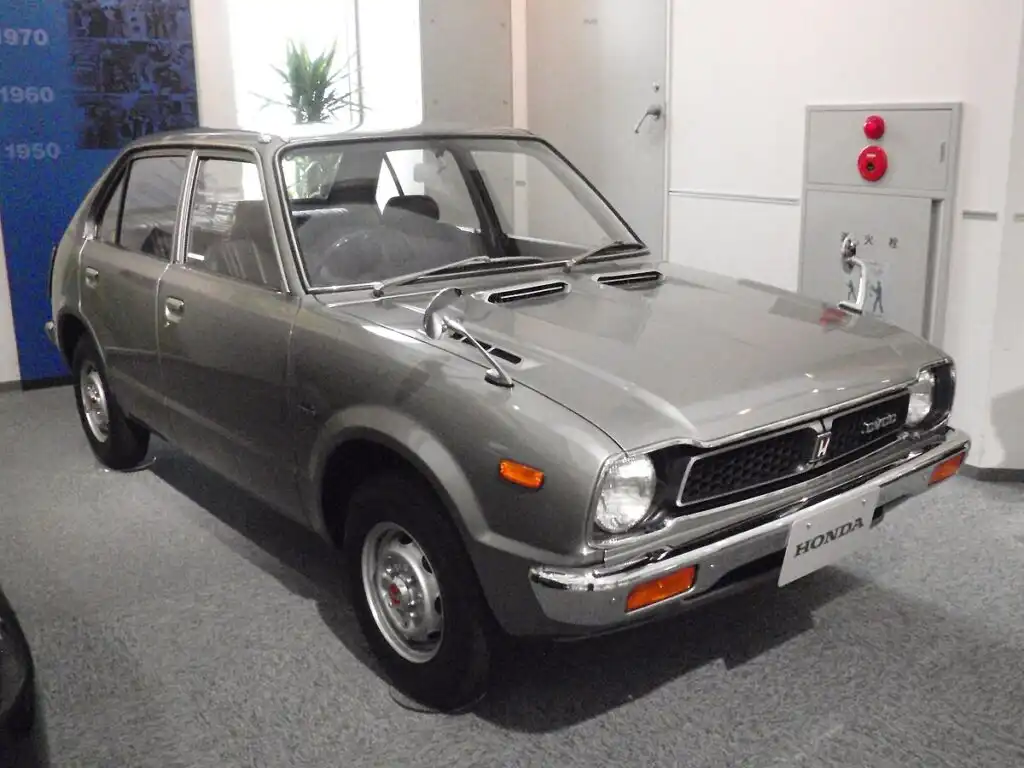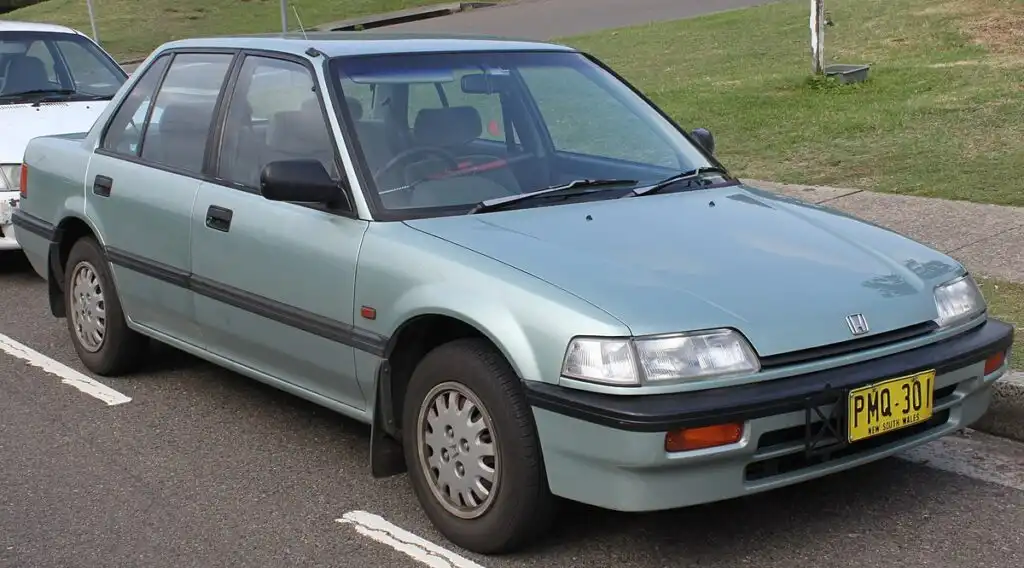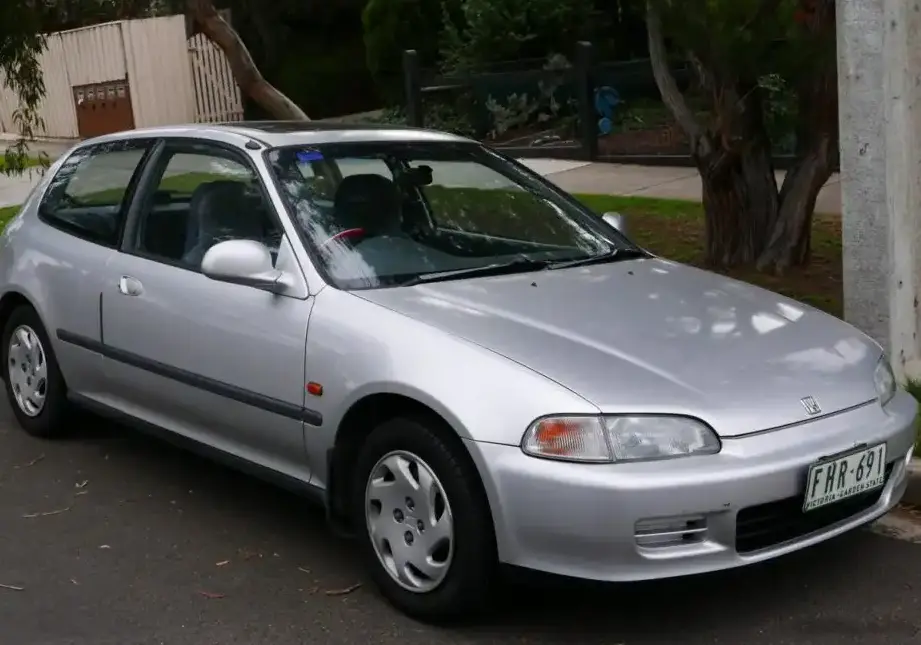
The Honda Civic V Hatchback 1.3 16V, produced between 1991 and 1995, represents a significant iteration in the fifth generation (1992-1995) of Honda’s immensely popular Civic line. This particular variant, powered by the D13B2 engine and typically paired with a 5-speed manual transmission, served as an entry point into the Civic range, offering a balance of affordability, fuel efficiency, and Honda’s renowned reliability. It was primarily marketed in Europe and Japan, where smaller, economical hatchbacks were highly sought after. The Civic V generation marked a move towards more aerodynamic styling and increased interior space compared to its predecessor.
Technical Specifications
| Brand | Honda |
| Model | Civic |
| Generation | Civic V Hatchback |
| Type (Engine) | 1.3 16V (75 Hp) |
| Start of production | 1991 |
| End of production | 1995 |
| Powertrain Architecture | Internal Combustion engine |
| Body type | Hatchback |
| Seats | 5 |
| Doors | 3 |
| Fuel consumption (combined) | 6.5 l/100 km (36.2 US mpg, 43.5 UK mpg, 15.4 km/l) |
| Fuel Type | Petrol (Gasoline) |
| Acceleration 0 – 100 km/h | 11.3 sec |
| Acceleration 0 – 62 mph | 11.3 sec |
| Acceleration 0 – 60 mph | 10.7 sec |
| Maximum speed | 170 km/h (105.63 mph) |
| Weight-to-power ratio | 12.3 kg/Hp, 81.1 Hp/tonne |
| Weight-to-torque ratio | 9.1 kg/Nm, 110.3 Nm/tonne |
| Power | 75 Hp @ 6300 rpm |
| Power per litre | 55.8 Hp/l |
| Torque | 102 Nm @ 3100 rpm (75.23 lb.-ft. @ 3100 rpm) |
| Engine layout | Front, Transverse |
| Engine Model/Code | D13B2 |
| Engine displacement | 1343 cm3 (81.95 cu. in.) |
| Number of cylinders | 4 |
| Engine configuration | Inline |
| Cylinder Bore | 75 mm (2.95 in.) |
| Piston Stroke | 76 mm (2.99 in.) |
| Compression ratio | 9:1 |
| Number of valves per cylinder | 4 |
| Fuel injection system | Single-point injection |
| Engine aspiration | Naturally aspirated engine |
| Valvetrain | OHC |
| Engine oil capacity | 3.3 l (3.49 US qt | 2.9 UK qt) |
| Coolant | 3.6 l (3.8 US qt | 3.17 UK qt) |
| Kerb Weight | 925 kg (2039.28 lbs.) |
| Max. weight | 1370 kg (3020.33 lbs.) |
| Max load | 445 kg (981.06 lbs.) |
| Trunk (boot) space – minimum | 190 l (6.71 cu. ft.) |
| Trunk (boot) space – maximum | 510 l (18.01 cu. ft.) |
| Fuel tank capacity | 45 l (11.89 US gal | 9.9 UK gal) |
| Length | 4080 mm (160.63 in.) |
| Width | 1695 mm (66.73 in.) |
| Height | 1345 mm (52.95 in.) |
| Wheelbase | 2570 mm (101.18 in.) |
| Front track | 1475 mm (58.07 in.) |
| Rear (Back) track | 1465 mm (57.68 in.) |
| Drivetrain Architecture | The Internal combustion engine (ICE) drives the front wheels of the vehicle. |
| Drive wheel | Front wheel drive |
| Number of gears and type of gearbox | 5 gears, manual transmission |
| Front suspension | Double wishbone |
| Rear suspension | Double wishbone |
| Front brakes | Disc |
| Rear brakes | Drum |
| Steering type | Steering rack and pinion |
| Tires size | 165/70 R13 |
| Wheel rims size | 5J x 13 ET45 4×100 |
Powertrain & Engine Architecture
The heart of the Civic 1.3 16V is the D13B2 engine, a 1.3-liter inline-four cylinder powerplant. This engine featured a single overhead camshaft (SOHC) valvetrain operating four valves per cylinder – hence the “16V” designation. Fuel delivery was handled by a single-point fuel injection system, a relatively simple setup compared to the multi-point injection systems found in higher-spec Civic models. The D13B2 produced 75 horsepower at 6,300 rpm and 102 Nm (75.23 lb-ft) of torque at 3,100 rpm. The engine’s relatively small displacement and SOHC configuration prioritized fuel economy and smooth operation over outright performance. The standard transmission was a smooth-shifting 5-speed manual, although a 3-speed automatic transmission was also available, albeit at the cost of some performance and fuel efficiency.
Driving Characteristics
The 1.3 16V Civic offered a practical and economical driving experience. Acceleration was modest, taking around 11.3 seconds to reach 62 mph (100 km/h). The engine felt responsive enough for everyday driving, but lacked the punch of the larger 1.5 or 1.6-liter engines available in other Civic variants. The 5-speed manual transmission allowed drivers to keep the engine in its optimal power band, while the automatic, though convenient, resulted in noticeably slower acceleration. The Civic’s light weight and well-tuned suspension contributed to nimble handling, making it enjoyable to drive on winding roads. Compared to the more powerful Civic models, the 1.3 16V prioritized fuel efficiency and ease of use over sporty performance.
Equipment & Trim Levels
The 1.3 16V typically represented the base trim level in the Civic V Hatchback range. Standard equipment generally included basic features such as cloth upholstery, a simple dashboard layout, and manual windows and door locks. Power steering was often optional. The interior was functional and durable, prioritizing practicality over luxury. Optional extras could include a radio/cassette player, upgraded speakers, and occasionally, air conditioning. The trim level was designed to appeal to budget-conscious buyers who valued reliability and fuel economy above all else.
Chassis & Braking
The Civic V Hatchback utilized a front-engine, front-wheel-drive layout. Suspension consisted of a double wishbone setup at both the front and rear, providing a comfortable ride and predictable handling. Brakes were disc brakes at the front and drum brakes at the rear, a common configuration for vehicles in this class at the time. The steering was rack and pinion, offering precise and responsive control. The relatively lightweight construction of the Civic contributed to its agile handling characteristics.
Market Reception & Comparison
The Civic 1.3 16V was generally well-received by critics as a sensible and reliable small car. Its fuel economy was a major selling point, and its reputation for durability was highly valued. Compared to the higher-spec Civic models, such as the 1.5 or 1.6-liter versions, the 1.3 16V offered a more affordable entry point into the Civic range. However, its performance was noticeably less spirited. Against competitors like the Ford Escort, Opel/Vauxhall Astra, and Volkswagen Golf, the Civic 1.3 16V held its own in terms of reliability and fuel efficiency, often exceeding them in these areas.
Legacy
The D13B2 engine, while not known for its high performance, proved to be remarkably durable and reliable. Civic 1.3 16V models are still occasionally seen on the road today, a testament to Honda’s engineering prowess. In the used car market, these Civics are often sought after by those looking for an affordable and dependable vehicle. Maintenance costs are generally low, and parts availability remains relatively good. The Civic 1.3 16V represents a classic example of a well-engineered, practical, and long-lasting small car.