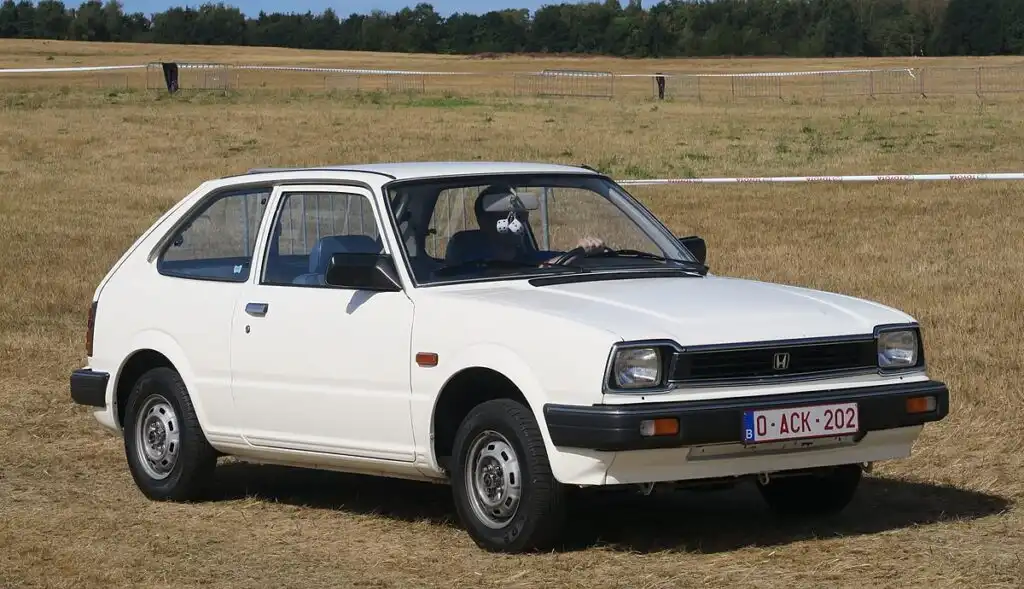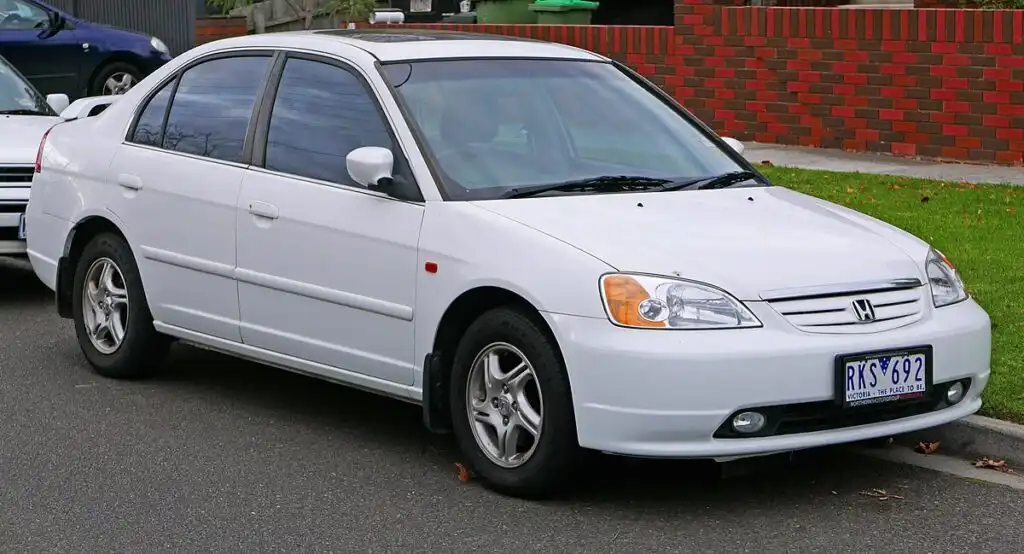
The Honda Civic VI Wagon 1.5 16V, produced between 1998 and 2000, represents a practical and versatile offering within the sixth-generation (EG/EH) Civic lineup. Specifically aimed at the European and Japanese markets, this wagon variant provided a family-oriented alternative to the popular sedan and hatchback models. The 1.5 16V engine, designated with engine codes D15Z6 or D15Z8 depending on regional specifications, positioned this trim as a mid-range option, balancing affordability with a reasonable level of performance and equipment. It was a key part of Honda’s strategy to offer a diverse range of body styles to cater to varying consumer needs.
Technical Specifications
| Brand | Honda |
| Model | Civic |
| Generation | Civic VI Wagon |
| Type (Engine) | 1.5 16V (114 Hp) |
| Start of production | 1998 |
| End of production | 2000 |
| Powertrain Architecture | Internal Combustion engine |
| Body type | Station wagon (estate) |
| Seats | 5 |
| Doors | 5 |
| Fuel Type | Petrol (Gasoline) |
| Power | 114 Hp @ 6500 rpm |
| Power per litre | 76.4 Hp/l |
| Torque | 134 Nm @ 5500 rpm |
| Torque (lb-ft) | 98.83 lb.-ft. @ 5500 rpm |
| Engine layout | Front, Transverse |
| Engine Model/Code | D15Z6, D15Z8 |
| Engine displacement | 1493 cm3 |
| Engine displacement (cu. in.) | 91.11 cu. in. |
| Number of cylinders | 4 |
| Engine configuration | Inline |
| Cylinder Bore | 75 mm |
| Cylinder Bore (in.) | 2.95 in. |
| Piston Stroke | 84.5 mm |
| Piston Stroke (in.) | 3.33 in. |
| Compression ratio | 9.6:1 |
| Number of valves per cylinder | 4 |
| Fuel injection system | Multi-port manifold injection |
| Engine aspiration | Naturally aspirated engine |
| Valvetrain | OHC |
| Engine oil capacity | 3.3 l |
| Engine oil capacity (US qt) | 3.49 US qt |
| Engine oil capacity (UK qt) | 2.9 UK qt |
Powertrain & Engine Architecture
The heart of the Civic VI Wagon 1.5 16V is the D15Z6 or D15Z8 1.5-liter inline-four cylinder engine. This engine is a naturally aspirated, single overhead cam (SOHC) design featuring 16 valves. The multi-point fuel injection system delivers fuel directly to each cylinder, optimizing combustion efficiency. The D-series engines were known for their reliability and relatively simple design. The 16-valve head, compared to the 8-valve versions found in some earlier Civics, allowed for improved breathing and higher engine speeds, contributing to the 114 horsepower output. The engine’s transverse mounting and front-wheel drive configuration were standard for this generation of Civic. While a manual transmission was available, this variant was often paired with a four-speed automatic transmission, offering convenience for everyday driving. The automatic transmission, while providing ease of use, did impact acceleration compared to the manual counterpart.
Driving Characteristics
The 1.5 16V engine, when coupled with the four-speed automatic transmission, provided adequate performance for typical commuting and family transportation. Acceleration was not particularly brisk, with 0-60 mph times estimated around 11-12 seconds. The automatic transmission’s gear ratios were tuned for fuel efficiency and smooth operation rather than outright performance. Compared to the five-speed manual version, the automatic resulted in a noticeable reduction in responsiveness. However, the engine proved to be flexible enough for highway cruising, and the automatic transmission made it a comfortable choice for city driving. The power delivery was linear, with peak torque arriving at 5500 rpm. The wagon’s added weight, compared to the sedan or hatchback, further diminished acceleration, but also contributed to a more stable ride.
Equipment & Trim Levels
The 1.5 16V Wagon typically came equipped with a reasonable level of standard features. These included power steering, central locking, electric windows, and an AM/FM radio. Interior upholstery was generally cloth, with a practical and durable design. Higher trim levels, often denoted by specific badges or option packages, could add features such as air conditioning, alloy wheels, and a more sophisticated audio system. Optional extras included a sunroof, upgraded interior trim, and metallic paint finishes. The dashboard layout was functional and driver-focused, with clearly marked gauges and controls. The wagon’s interior space was a key selling point, offering ample room for passengers and cargo.
Chassis & Braking
The Civic VI Wagon utilized a MacPherson strut front suspension and a torsion beam rear suspension. This setup provided a good balance between ride comfort and handling. The front suspension featured stabilizer bars to reduce body roll during cornering. Braking systems varied depending on the specific market and trim level. Lower trims often featured drum brakes on the rear wheels, while higher trims were equipped with disc brakes all around. Power-assisted steering was standard, making maneuvering easy. The chassis was designed to provide a stable and predictable driving experience, prioritizing safety and comfort over sporty handling.
Market Reception & Comparison
The Civic VI Wagon 1.5 16V was generally well-received by automotive critics as a practical and reliable family vehicle. Its fuel economy was a strong point, with combined cycle figures typically around 35-40 mpg. Compared to other trims in the Civic lineup, such as the more powerful 1.6 VTEC models, the 1.5 16V offered a more affordable entry point. However, it lacked the performance and sporty character of its higher-powered siblings. Compared to competitors like the Ford Escort Wagon or Opel/Vauxhall Astra Estate, the Civic Wagon was often praised for its build quality, reliability, and resale value. The automatic transmission, while convenient, was sometimes criticized for its lack of responsiveness.
Legacy
The D15Z6 and D15Z8 engines, found in the Civic VI Wagon 1.5 16V, have proven to be remarkably durable and reliable over the long term. With proper maintenance, these engines can easily exceed 200,000 miles. In the used car market today, these wagons are becoming increasingly sought after by enthusiasts and collectors, particularly those looking for a practical and affordable classic Honda. Parts availability remains good, and the relatively simple engine design makes it relatively easy to repair and maintain. The Civic VI Wagon 1.5 16V represents a well-engineered and thoughtfully designed vehicle that continues to provide reliable transportation for its owners.