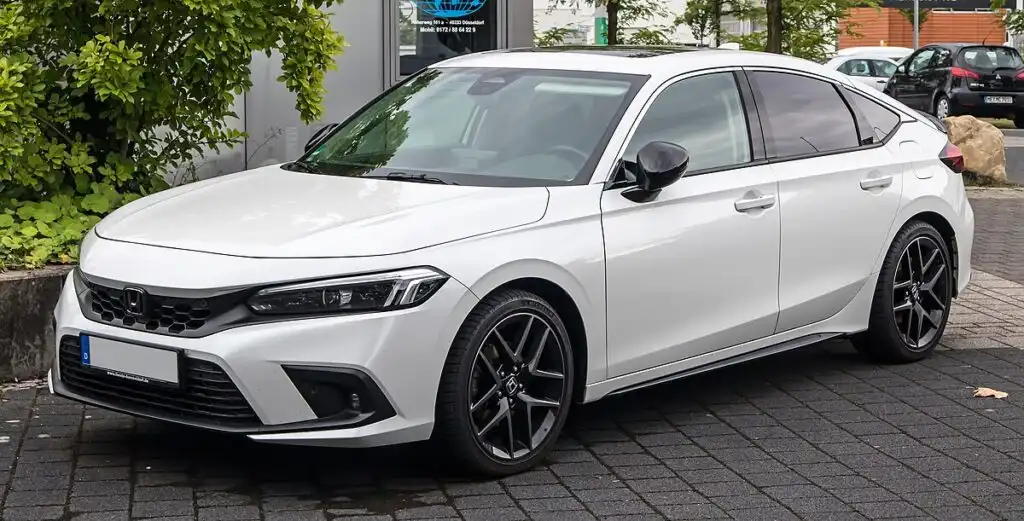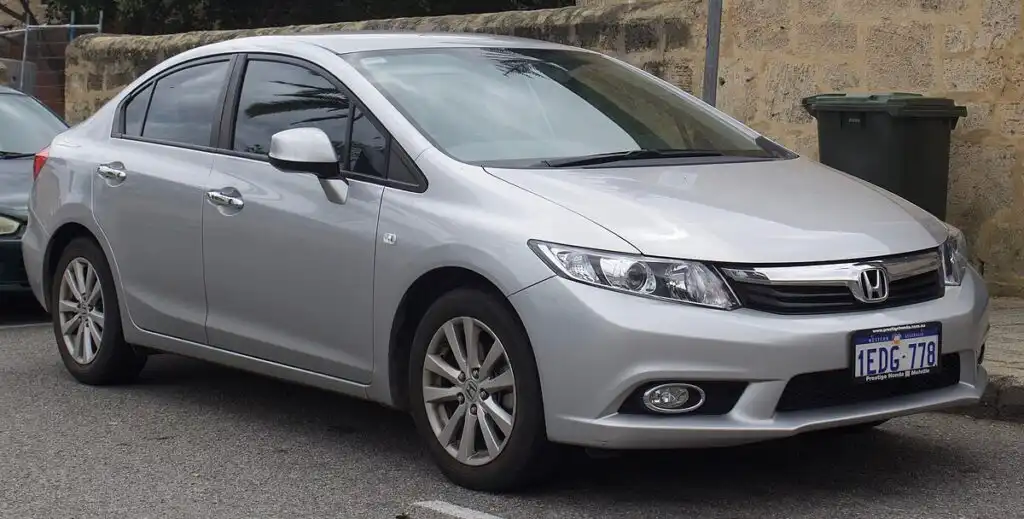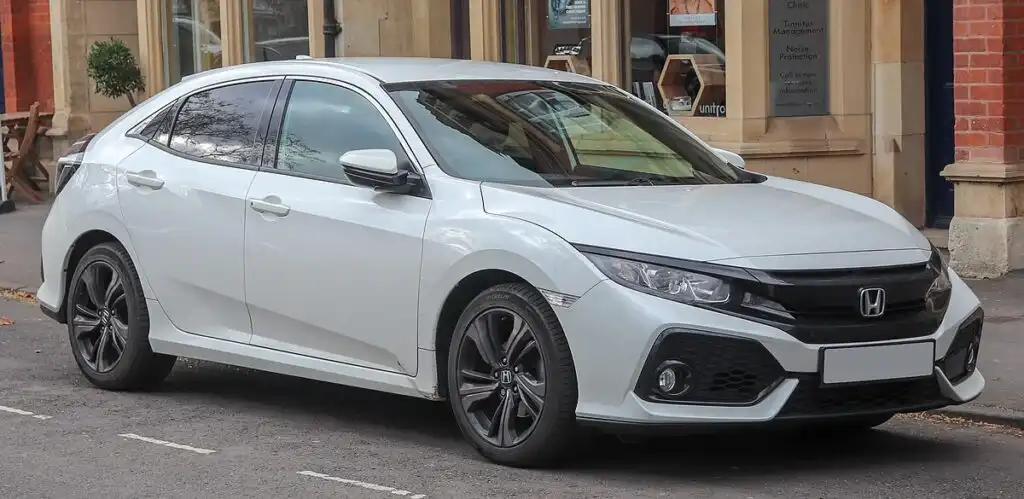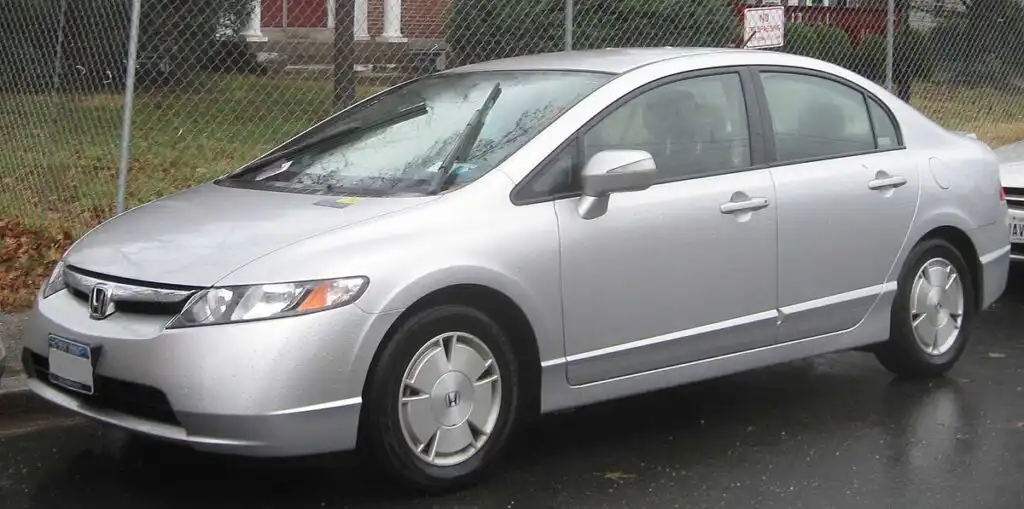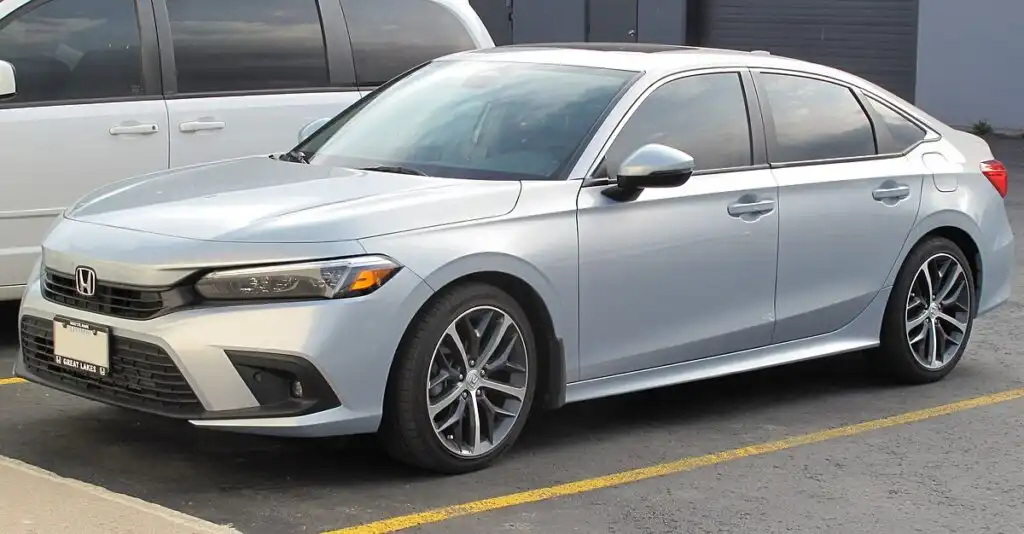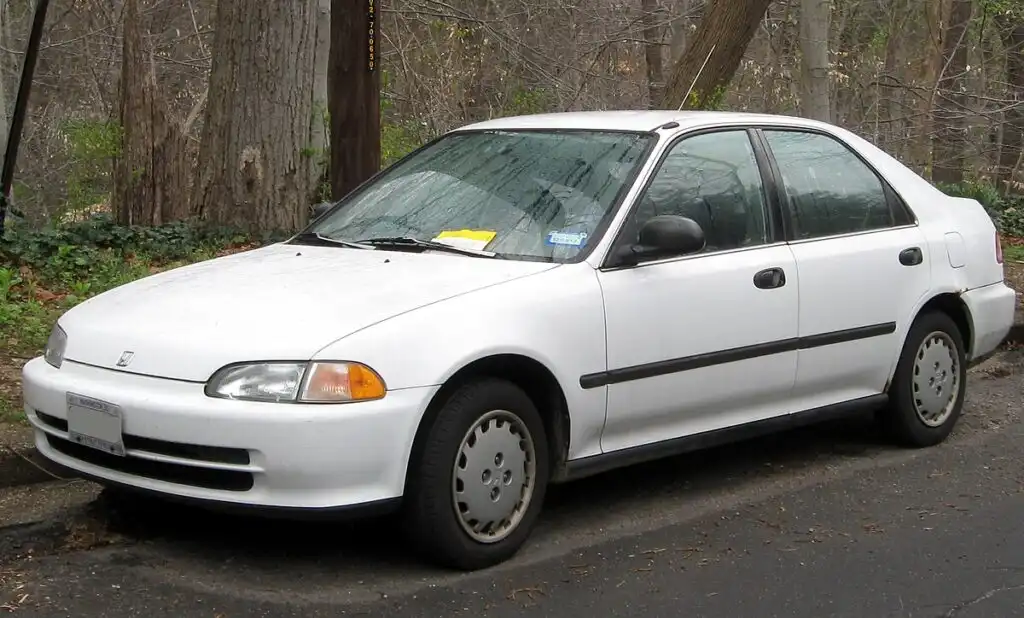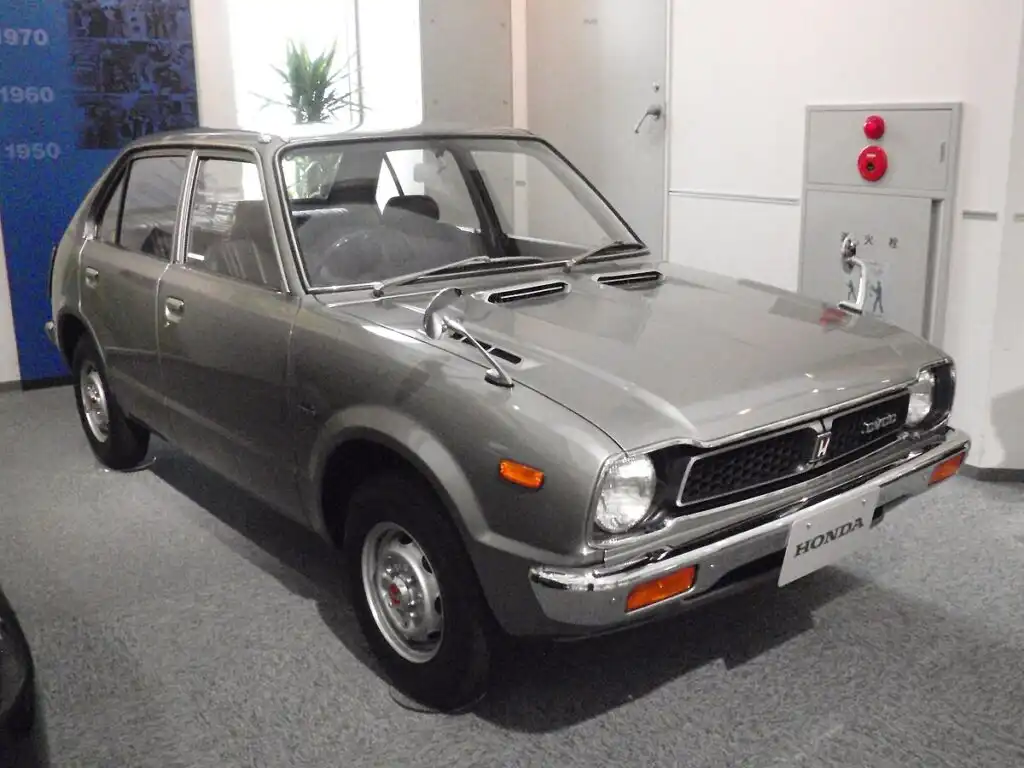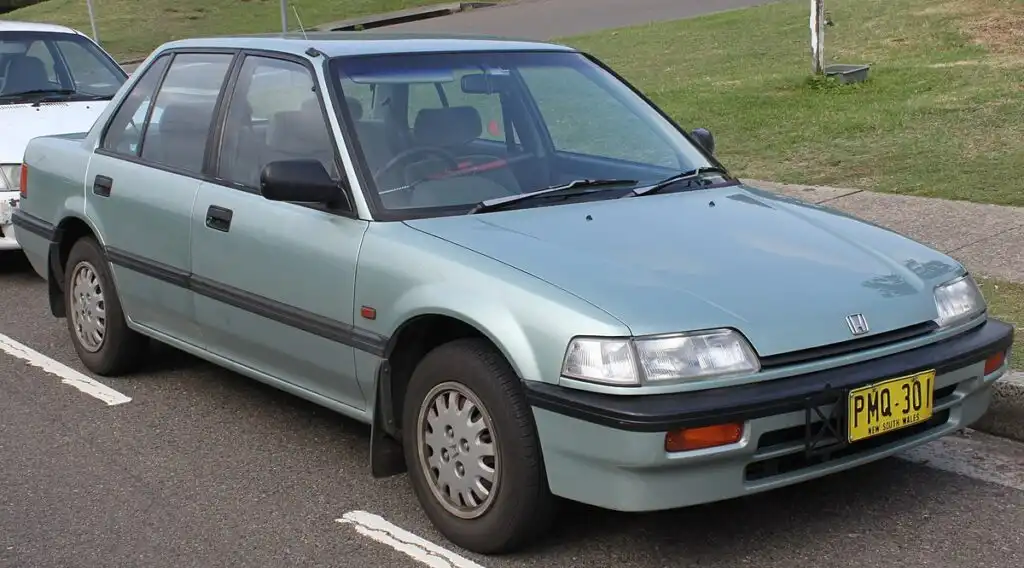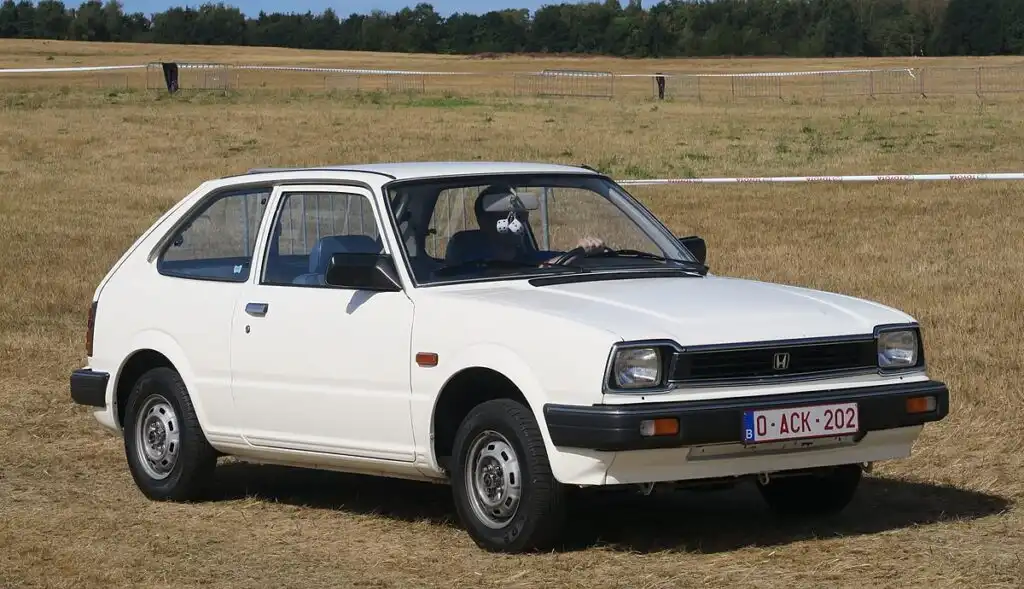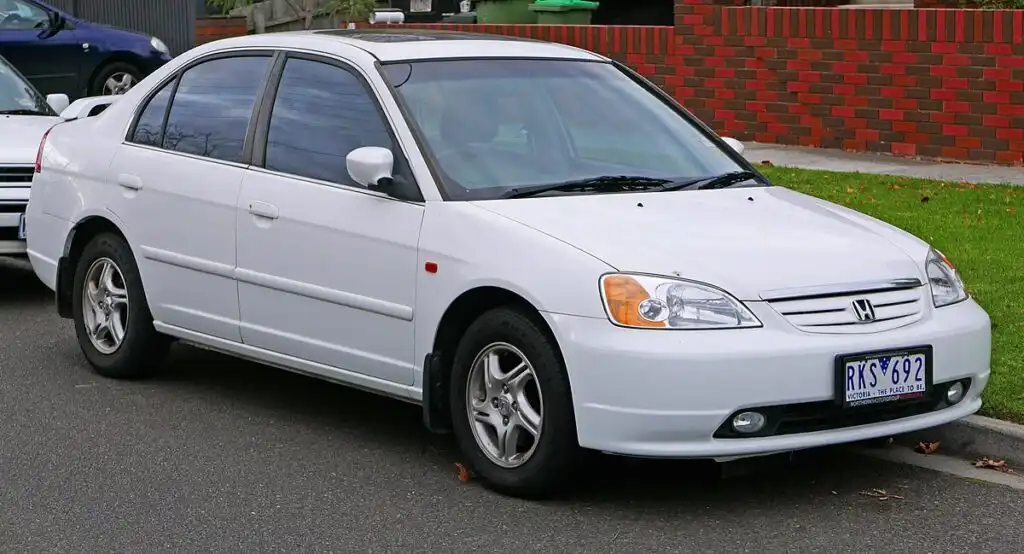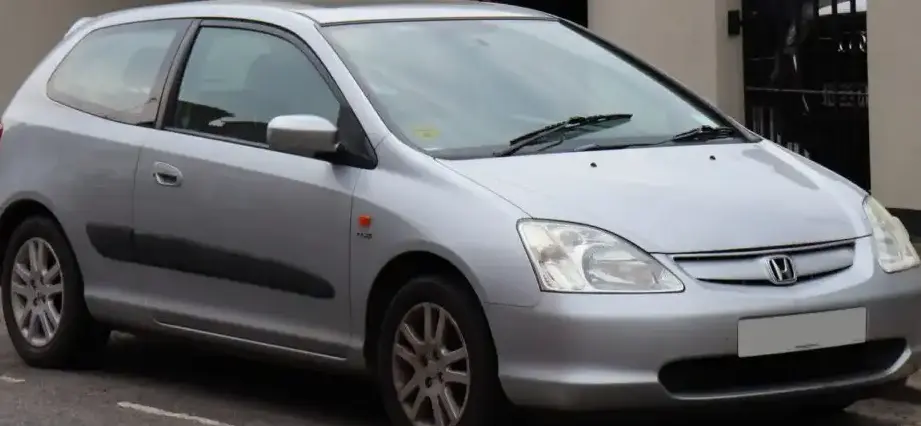
The Honda Civic VII Hatchback 1.6 16V, produced between 2001 and 2005, represented a significant evolution in Honda’s popular compact car line. Part of the seventh generation Civic (internally designated as the ES platform), the hatchback variant offered a more practical and sporty alternative to the sedan, particularly in European and Asian markets. This specific 1.6-liter, 16-valve engine paired with a five-speed manual transmission occupied a middle ground in the Civic VII lineup, offering a balance between affordability, fuel efficiency, and respectable performance. It served as a popular choice for buyers seeking a versatile and reliable daily driver.
Technical Specifications
| Brand | Honda |
| Model | Civic |
| Generation | Civic VII Hatchback |
| Type (Engine) | 1.6 16V (110 Hp) |
| Start of production | 2001 |
| End of production | 2005 |
| Powertrain Architecture | Internal Combustion engine |
| Body type | Hatchback |
| Seats | 5 |
| Doors | 3 |
| Fuel consumption (urban) | 8.7 l/100 km (27 US mpg, 32.5 UK mpg, 11.5 km/l) |
| Fuel consumption (extra urban) | 5.5 l/100 km (42.8 US mpg, 51.4 UK mpg, 18.2 km/l) |
| Fuel consumption (combined) | 6.7 l/100 km (35.1 US mpg, 42.2 UK mpg, 14.9 km/l) |
| Fuel Type | Petrol (Gasoline) |
| Acceleration 0 – 100 km/h | 9.9 sec |
| Acceleration 0 – 62 mph | 9.9 sec |
| Acceleration 0 – 60 mph | 9.4 sec |
| Maximum speed | 187 km/h (116.2 mph) |
| Weight-to-power ratio | 10.8 kg/Hp, 92.3 Hp/tonne |
| Weight-to-torque ratio | 7.8 kg/Nm, 127.5 Nm/tonne |
| Power | 110 Hp @ 5600 rpm |
| Power per litre | 69.2 Hp/l |
| Torque | 152 Nm @ 4300 rpm (112.11 lb.-ft. @ 4300 rpm) |
| Engine layout | Front, Transverse |
| Engine Model/Code | D16V1 |
| Engine displacement | 1590 cm3 (97.03 cu. in.) |
| Number of cylinders | 4 |
| Engine configuration | Inline |
| Cylinder Bore | 75 mm (2.95 in.) |
| Piston Stroke | 90 mm (3.54 in.) |
| Compression ratio | 10.4:1 |
| Number of valves per cylinder | 4 |
| Fuel injection system | Multi-port manifold injection |
| Engine aspiration | Naturally aspirated |
| Engine oil capacity | 3.5 l (3.7 US qt | 3.08 UK qt) |
| Coolant capacity | 4 l (4.23 US qt | 3.52 UK qt) |
| Kerb Weight | 1192 kg (2627.91 lbs.) |
| Max. weight | 1605 kg (3538.42 lbs.) |
| Max load | 413 kg (910.51 lbs.) |
| Trunk (boot) space – minimum | 315 l (11.12 cu. ft.) |
| Trunk (boot) space – maximum | 610 l (21.54 cu. ft.) |
| Fuel tank capacity | 50 l (13.21 US gal | 11 UK gal) |
| Length | 4135 mm (162.8 in.) |
| Width | 1695 mm (66.73 in.) |
| Height | 1440 mm (56.69 in.) |
| Wheelbase | 2570 mm (101.18 in.) |
| Front track | 1470 mm (57.87 in.) |
| Rear track | 1470 mm (57.87 in.) |
| Drivetrain Architecture | Front wheel drive |
| Number of gears | 5 |
| Gearbox type | Manual transmission |
| Front suspension | Spring Strut |
| Rear suspension | Transverse stabilizer |
| Front brakes | Ventilated discs |
| Rear brakes | Disc |
| Assisting systems | ABS (Anti-lock braking system) |
| Steering type | Steering rack and pinion |
| Tires size | 195/60 R15 |
Powertrain & Engine Architecture
The heart of this Civic variant was the D16V1 engine, a 1.6-liter inline-four cylinder powerplant. This engine featured a single overhead camshaft (SOHC) design with 16 valves, utilizing Honda’s VTEC (Variable Valve Timing and Lift Electronic Control) system. VTEC allowed for a switch between two different camshaft profiles, optimizing low-end torque for everyday driving and high-end horsepower for more spirited performance. Fuel delivery was managed by a multi-point fuel injection system, contributing to efficient combustion and reduced emissions. The D16V1 was known for its reliability and relatively simple maintenance requirements. The five-speed manual transmission provided precise gear changes and allowed drivers to fully utilize the engine’s power band. Gear ratios were fairly standard for the class, prioritizing acceleration in the lower gears and reasonable cruising speeds in fifth.
Driving Characteristics
The 1.6 16V Civic Hatchback offered a balanced driving experience. While not a performance powerhouse, the 110 horsepower engine provided adequate acceleration for most driving situations. The 0-60 mph time of around 9.4 seconds was respectable for its era and class. The VTEC system was noticeable, providing a slight surge of power as it engaged at higher RPMs. The manual transmission allowed for greater driver control and engagement compared to the optional automatic transmission. Handling was typical of front-wheel-drive hatchbacks – predictable and safe, with a slight tendency towards understeer. The suspension provided a comfortable ride on most road surfaces, although it wasn’t particularly sporty.
Equipment & Trim Levels
The 1.6 16V trim typically included standard features such as power steering, central locking, electric windows, and an AM/FM radio. Air conditioning was often an optional extra. Interior upholstery was usually cloth, with a relatively simple and functional dashboard layout. Higher trim levels, such as the SE or ES, added features like alloy wheels, a sunroof, and upgraded audio systems. The hatchback body style itself offered increased practicality compared to the sedan, with a versatile cargo area that could be expanded by folding down the rear seats.
Chassis & Braking
The Civic VII Hatchback utilized a MacPherson strut front suspension and a torsion beam rear suspension. This setup provided a good balance between ride comfort and handling. The braking system consisted of ventilated disc brakes on the front wheels and solid disc brakes on the rear. Anti-lock Braking System (ABS) was standard, enhancing safety by preventing wheel lockup during hard braking. The chassis was relatively lightweight, contributing to the car’s agility and fuel efficiency.
Market Reception & Comparison
The Civic VII Hatchback 1.6 16V was generally well-received by automotive critics. It was praised for its reliability, fuel efficiency, and practicality. Compared to other engines in the Civic VII lineup, such as the 1.4-liter base engine, the 1.6 16V offered a noticeable performance improvement. However, it didn’t have the same level of performance as the more expensive and sporty Si models. In terms of fuel economy, the 1.6 16V offered a good compromise between performance and efficiency, achieving around 35 mpg in combined driving. Compared to diesel variants, it offered a more refined driving experience but with slightly higher fuel consumption.
Legacy
The Honda Civic VII Hatchback 1.6 16V has proven to be a durable and reliable vehicle. Many examples are still on the road today, a testament to Honda’s engineering quality. The D16V1 engine is known for its longevity and relatively low maintenance costs. In the used car market, these Civics are often sought after by buyers looking for an affordable and dependable daily driver. While not a collector’s item, they hold a respectable value due to their reputation for reliability and practicality. The Civic VII generation, and this variant in particular, solidified Honda’s position as a leader in the compact car segment.