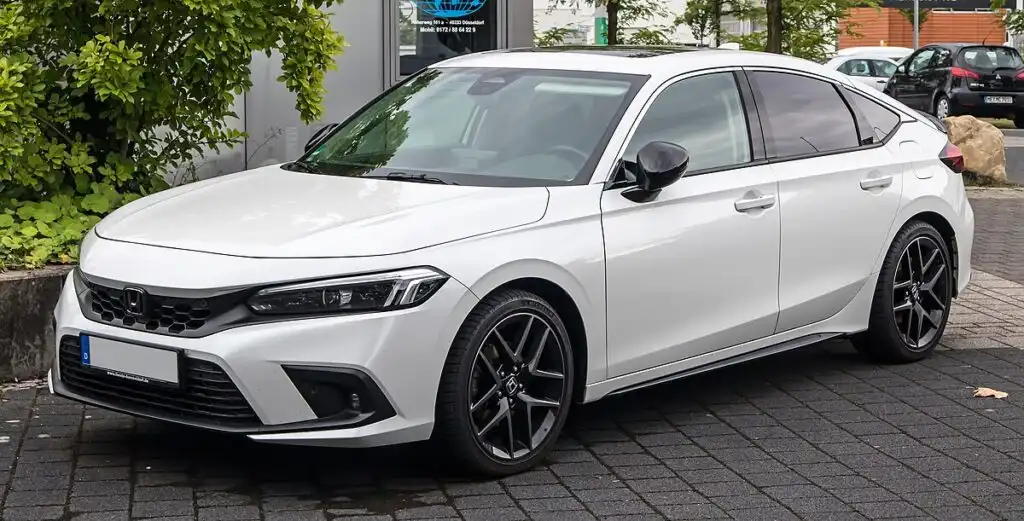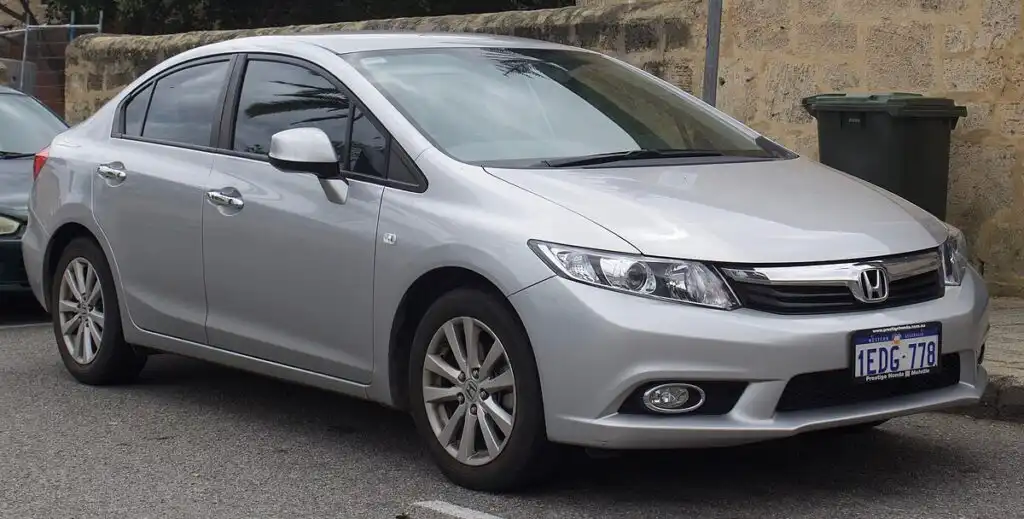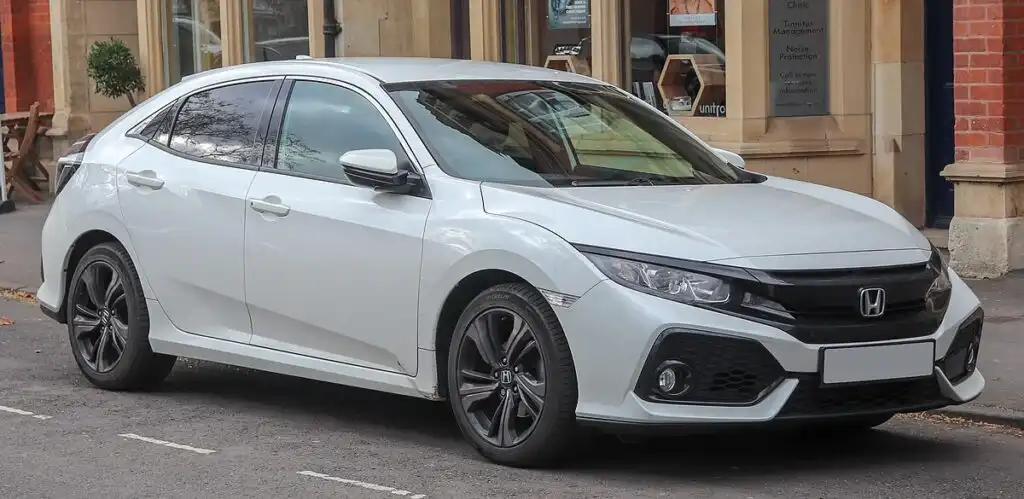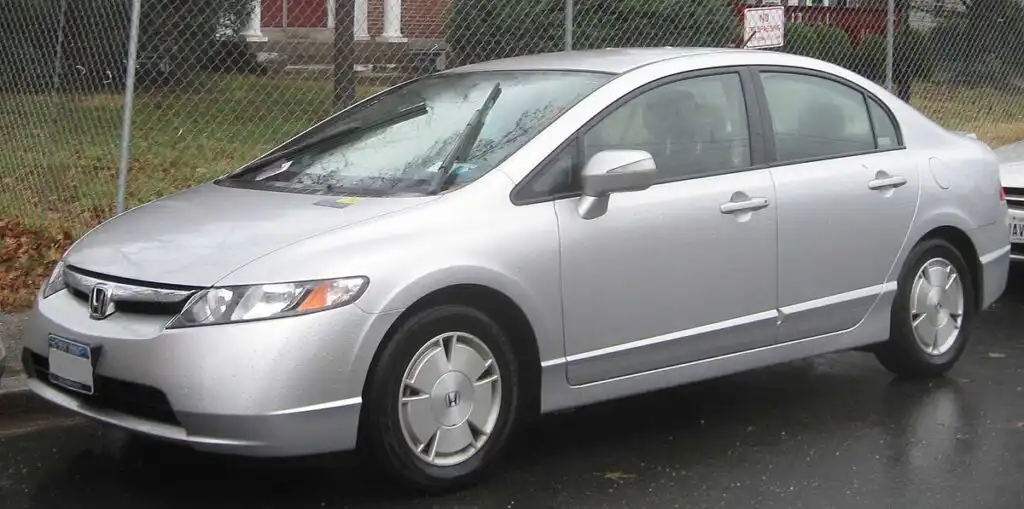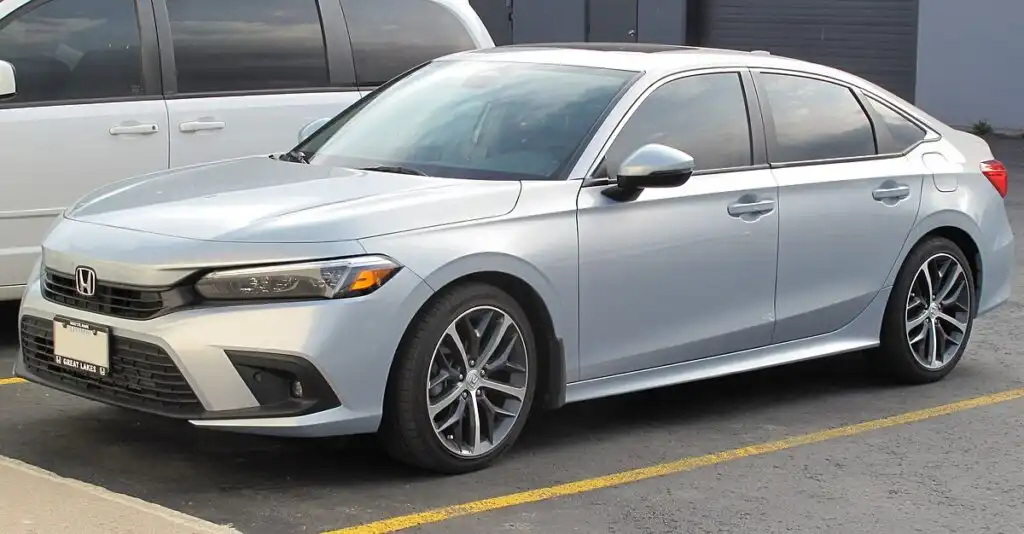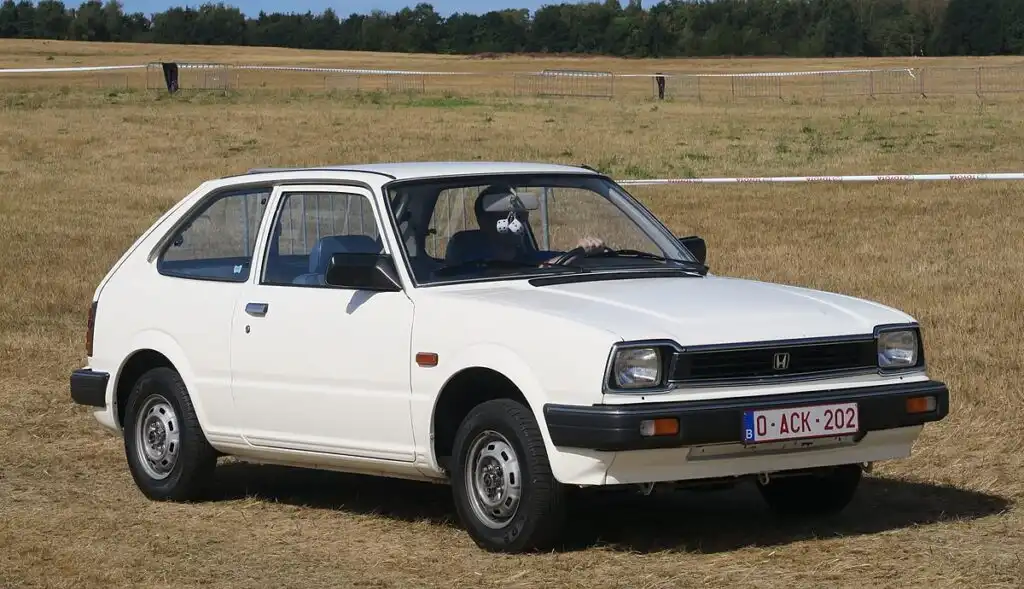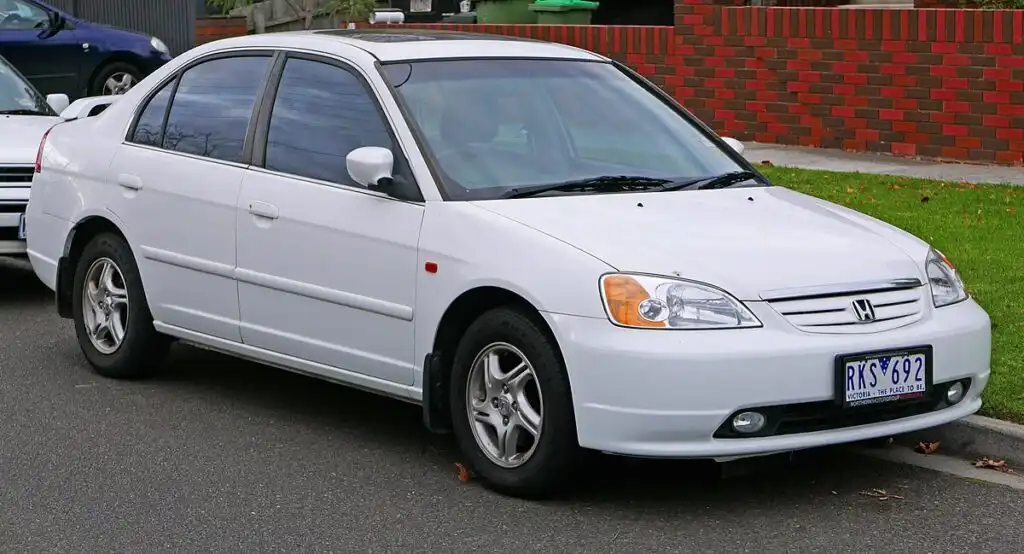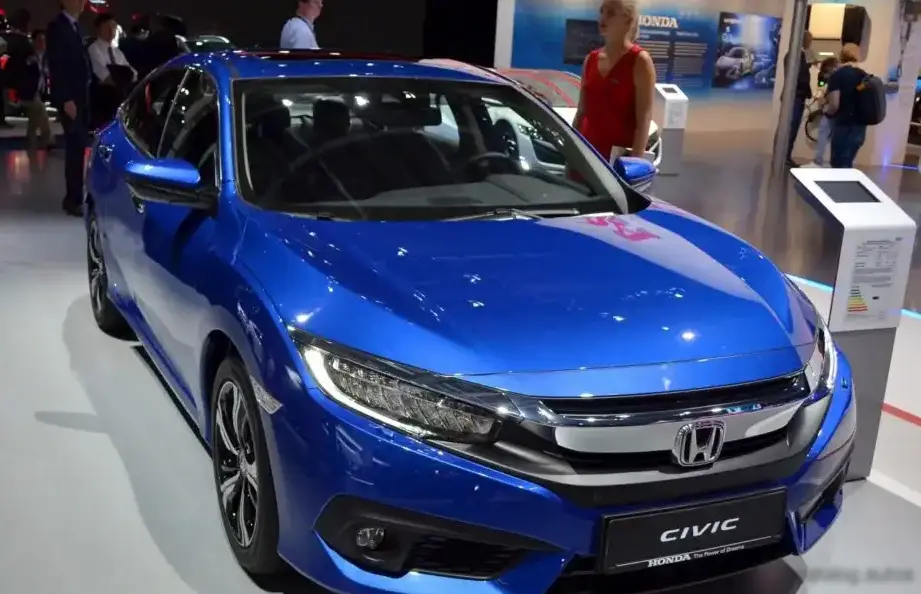
The Honda Civic X Sedan 2.0 (158 Hp) CVT, produced from 2016 to 2019, represents a significant iteration in Honda’s long-running Civic lineage. Part of the tenth-generation Civic (internally designated as the 10th generation), this variant occupied a key position in the North American market, offering a balance between fuel efficiency, practicality, and a relatively engaging driving experience. It was positioned as a step up from the base 2.0L manual transmission model, appealing to buyers prioritizing ease of use and comfort over outright performance. This model was a core component of Honda’s strategy to attract a broader customer base with the Civic X platform.
Technical Specifications
| Brand | Honda |
| Model | Civic |
| Generation | Civic X Sedan |
| Type (Engine) | 2.0 (158 Hp) CVT |
| Start of production | 2016 |
| End of production | 2019 |
| Powertrain Architecture | Internal Combustion engine |
| Body type | Sedan |
| Seats | 5 |
| Doors | 4 |
| Fuel consumption (urban) | 7.6 l/100 km (30.9 US mpg) |
| Fuel consumption (extra urban) | 5.7 l/100 km (41.3 US mpg) |
| Fuel consumption (combined) | 6.7 l/100 km (35.1 US mpg) |
| Fuel Type | Petrol (Gasoline) |
| Weight-to-power ratio | 7.9 kg/Hp |
| Weight-to-torque ratio | 6.6 kg/Nm |
| Power | 158 Hp @ 6500 rpm |
| Power per litre | 79.2 Hp/l |
| Torque | 188 Nm @ 4200 rpm (138.66 lb.-ft. @ 4200 rpm) |
| Engine layout | Front, Transverse |
| Engine Model/Code | K20C |
| Engine displacement | 1996 cm3 (121.8 cu. in.) |
| Number of cylinders | 4 |
| Engine configuration | Inline |
| Cylinder Bore | 86 mm (3.39 in.) |
| Piston Stroke | 85.9 mm (3.38 in.) |
| Compression ratio | 10.8:1 |
| Number of valves per cylinder | 4 |
| Fuel injection system | Multi-port manifold injection |
| Engine aspiration | Naturally aspirated engine |
| Engine oil capacity | 4.2 l (4.44 US qt | 3.7 UK qt) |
| Coolant capacity | 4.6 l (4.86 US qt | 4.05 UK qt) |
| Kerb Weight | 1250 kg (2755.78 lbs.) |
| Trunk (boot) space (minimum) | 428 l (15.11 cu. ft.) |
| Fuel tank capacity | 46 l (12.15 US gal | 10.12 UK gal) |
| Length | 4630 mm (182.28 in.) |
| Width | 1798 mm (70.79 in.) |
| Height | 1415 mm (55.71 in.) |
| Wheelbase | 2700 mm (106.3 in.) |
| Front track | 1545 mm (60.83 in.) |
| Rear track | 1562 mm (61.5 in.) |
| Ride height (ground clearance) | 130 mm (5.12 in.) |
| Drivetrain Architecture | Front wheel drive |
| Number of gears and type of gearbox | automatic transmission CVT |
| Front suspension | Independent, type McPherson with coil spring and anti-roll bar |
| Rear suspension | Semi-independent, coil spring |
| Front brakes | Ventilated discs |
| Rear brakes | Disc |
| Assisting systems | ABS (Anti-lock braking system) |
| Steering type | Steering rack and pinion |
| Power steering | Electric Steering |
| Tires size | 215/55 R16 |
| Wheel rims size | 16 |
Powertrain & Engine Architecture
The heart of the Civic X Sedan 2.0 CVT is Honda’s K20C 2.0-liter inline-four engine. This engine is a naturally aspirated powerplant utilizing multi-point fuel injection. The K20C features a relatively high 10.8:1 compression ratio, contributing to its respectable power output. The engine’s valvetrain employs four valves per cylinder, enhancing breathing and overall efficiency. Paired with this engine is a Continuously Variable Transmission (CVT). Honda’s G-Design CVT, used in this application, aimed to mimic the feel of traditional automatic gear changes while maximizing fuel economy. Unlike some CVTs, Honda’s unit incorporates a torque converter for smoother low-speed operation and improved launch characteristics.
Driving Characteristics
The 158 hp and 188 Nm (138.66 lb-ft) of torque delivered by the K20C/CVT combination resulted in a comfortable, if not particularly exhilarating, driving experience. The CVT is programmed to prioritize fuel efficiency, meaning acceleration is linear but lacks the immediate response of a traditional automatic or manual transmission. The CVT’s continuously variable ratios allow the engine to operate within its optimal power band, contributing to decent passing power, but it can sometimes feel ‘disconnected’ from the engine’s actual RPM. Compared to the available 1.5L turbocharged engine or the six-speed manual transmission offered on the 2.0L, this variant prioritized smoothness and ease of driving over sporty performance.
Equipment & Trim Levels
The 2.0L CVT trim typically included standard features such as automatic climate control, a multi-angle rearview camera, Honda’s LaneWatch blind spot display, and a 5-inch color LCD infotainment screen. Higher trim levels, such as the EX and EX-L, added features like a sunroof, leather upholstery, heated front seats, and a larger touchscreen display with Apple CarPlay and Android Auto integration. The base 2.0L CVT model was generally equipped with cloth upholstery and basic audio system, making it an attractive entry point into the Civic X lineup.
Chassis & Braking
The Civic X Sedan utilized a McPherson strut front suspension and a semi-independent multi-link rear suspension. This setup provided a good balance between ride comfort and handling. The front brakes were ventilated discs, while the rear brakes were solid discs. All trims included standard Anti-lock Braking System (ABS). The steering was an electric power-assisted rack-and-pinion system, offering light and precise steering feel. The 16-inch wheels and 215/55 R16 tires contributed to a comfortable ride quality.
Market Reception & Comparison
Critics generally praised the Civic X Sedan for its spacious interior, comfortable ride, and improved fuel economy compared to previous generations. However, the CVT transmission received mixed reviews, with some testers finding it to be somewhat unrefined and lacking in responsiveness. Compared to the 1.5L turbocharged engine, the 2.0L CVT offered less power and torque, but it was generally considered more reliable and less prone to issues. The 2.0L CVT was often seen as a sensible choice for buyers prioritizing fuel efficiency and affordability over performance.
Legacy
The Honda Civic X Sedan 2.0 CVT has proven to be a reliable and durable vehicle. The K20C engine is known for its longevity and relatively low maintenance costs. The CVT transmission, while not universally loved, has generally held up well over time, provided it has been properly maintained with regular fluid changes. In the used car market, this variant represents a good value proposition, offering a well-rounded package of features, fuel efficiency, and reliability. Its continued presence on roads today is a testament to Honda’s engineering and build quality.