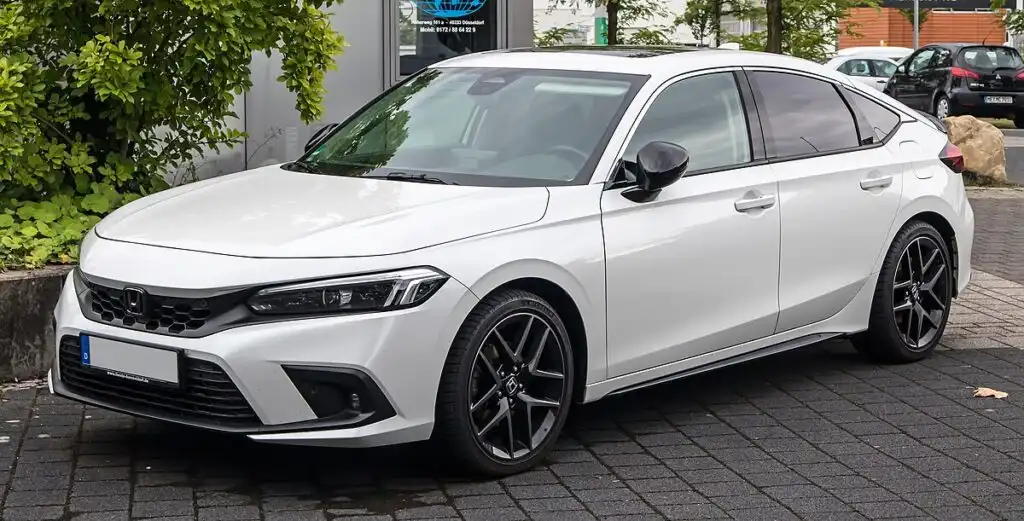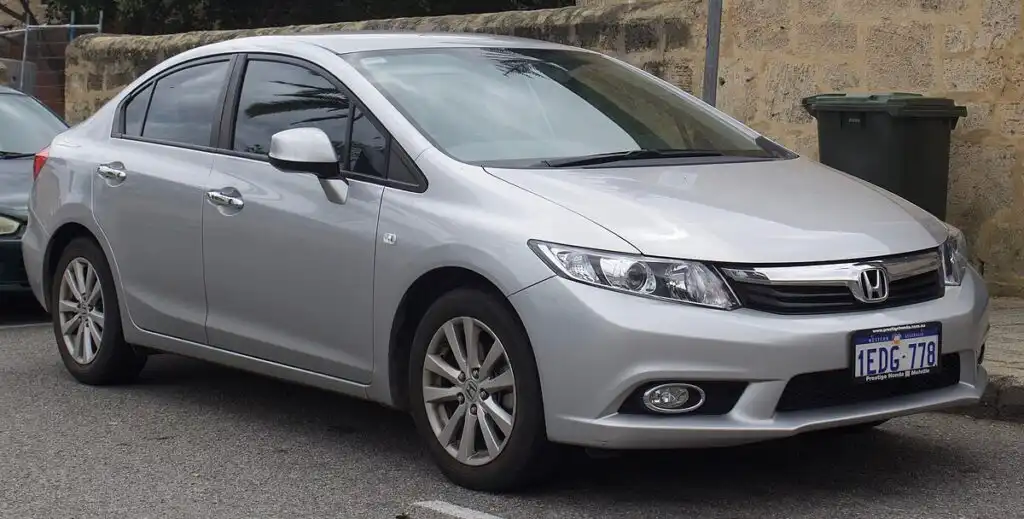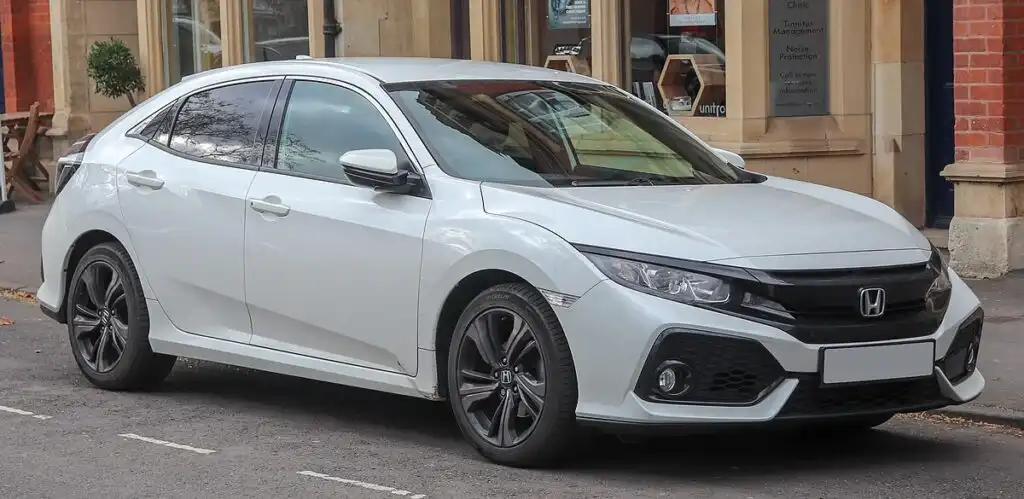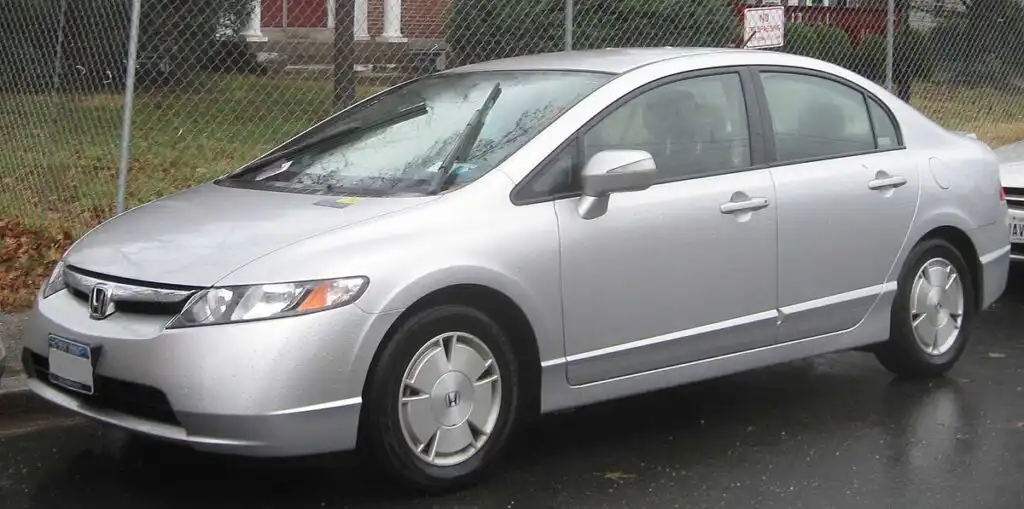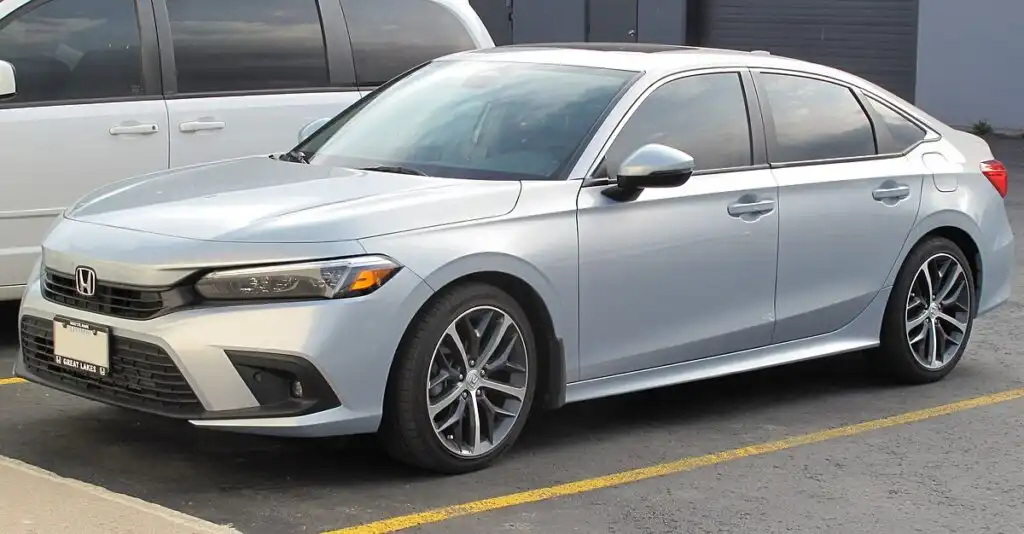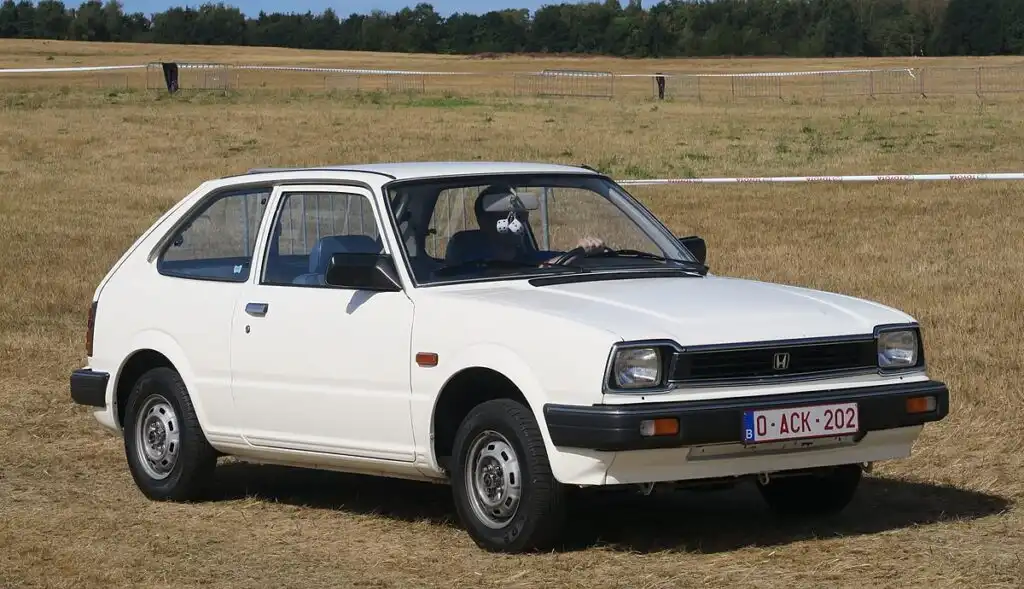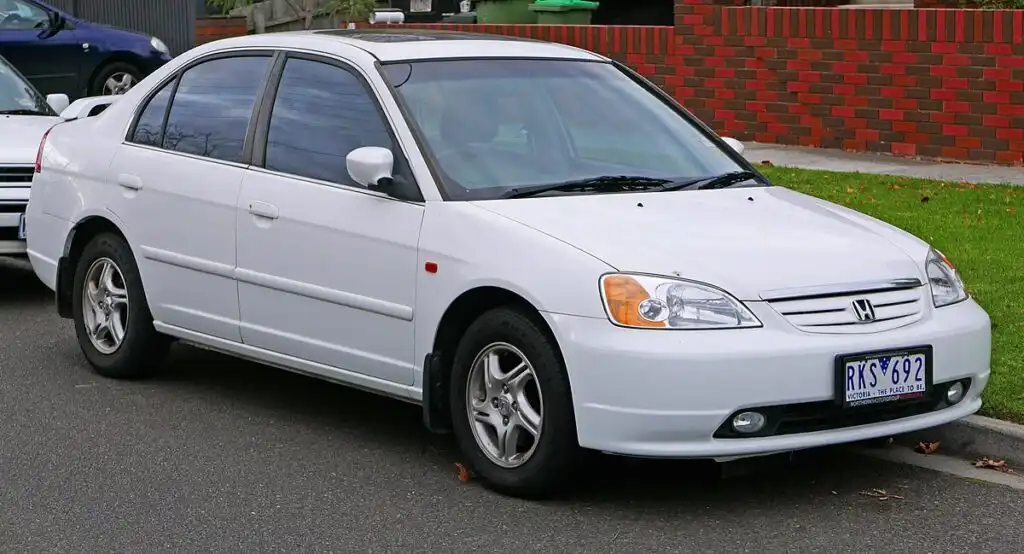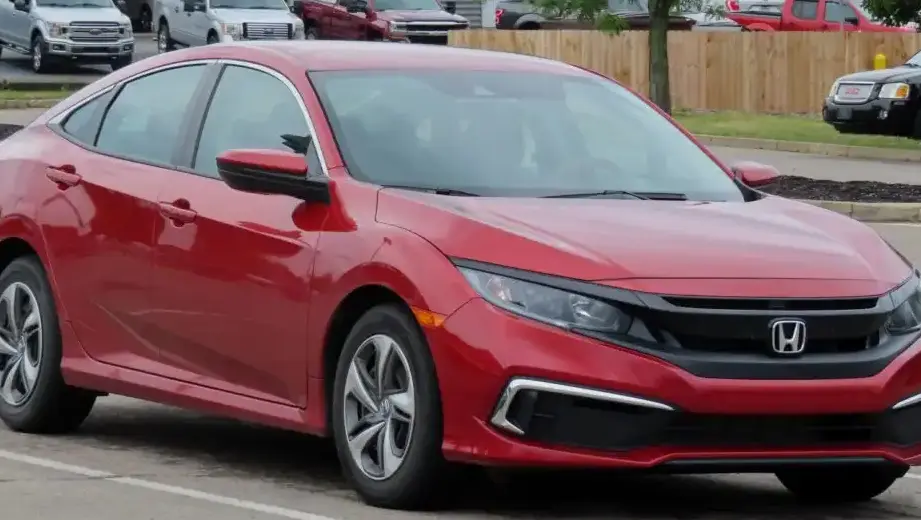
The Honda Civic X Sedan, specifically the 2.0 i-VTEC variant paired with a Continuously Variable Transmission (CVT), represented a significant offering in the compact car segment from 2018 to 2021. This model year marked a mid-cycle refresh (facelift) for the tenth-generation Civic, introducing styling updates and revised features. Positioned as a step up from the base 1.5-liter turbocharged engine, the 2.0-liter naturally aspirated engine with 158 horsepower provided a balance of performance and fuel efficiency, appealing to buyers seeking a more traditional driving experience. It occupied the mid-range position within the Civic Sedan lineup, offering more power than the base model but falling short of the sporty Si trim.
Technical Specifications
| Brand | Honda |
| Model | Civic |
| Generation | Civic X Sedan (facelift 2018) |
| Type (Engine) | 2.0 i-VTEC (158 Hp) CVT |
| Start of production | 2018 |
| End of production | 2021 |
| Powertrain Architecture | Internal Combustion engine |
| Body type | Sedan |
| Seats | 5 |
| Doors | 4 |
| Fuel consumption (economy) – urban (EPA) | 7.8-8.1 l/100 km (30.2 – 29 US mpg) |
| Fuel consumption (economy) – extra urban (EPA) | 6.2-6.4 l/100 km (37.9 – 36.8 US mpg) |
| Fuel consumption (economy) – combined (EPA) | 7.1-7.4 l/100 km (33.1 – 31.8 US mpg) |
| Fuel Type | Petrol (Gasoline) |
| Emission standard | LEV3-ULEV125; LEV3-SULEV30 |
| Weight-to-power ratio | 8 kg/Hp, 125.7 Hp/tonne |
| Weight-to-torque ratio | 6.7 kg/Nm, 148.8 Nm/tonne |
| Power | 158 Hp @ 6500 rpm |
| Power per litre | 79.2 Hp/l |
| Torque | 187 Nm @ 4200 rpm (137.92 lb.-ft. @ 4200 rpm) |
| Maximum engine speed | 6700 rpm |
| Engine layout | Front, Transverse |
| Engine Model/Code | K20C2 |
| Engine displacement | 1996 cm3 (121.8 cu. in.) |
| Number of cylinders | 4 |
| Engine configuration | Inline |
| Cylinder Bore | 86 mm (3.39 in.) |
| Piston Stroke | 85.9 mm (3.38 in.) |
| Compression ratio | 10.8:1 |
| Number of valves per cylinder | 4 |
| Fuel injection system | Multi-port manifold injection |
| Engine aspiration | Naturally aspirated engine |
| Valvetrain | DOHC, i-VTEC |
| Engine oil capacity | 4.2 l (4.44 US qt | 3.7 UK qt) |
| Coolant | 5.32 l (5.62 US qt | 4.68 UK qt) |
| Kerb Weight | 1257-1312 kg (2771.21 – 2892.46 lbs.) |
| Trunk (boot) space – minimum | 428 l (15.11 cu. ft.) |
| Fuel tank capacity | 47 l (12.42 US gal | 10.34 UK gal) |
| Length | 4641 mm (182.72 in.) |
| Width | 1801 mm (70.91 in.) |
| Width with mirrors folded | 1878 mm (73.94 in.) |
| Width including mirrors | 2076 mm (81.73 in.) |
| Height | 1415 mm (55.71 in.) |
| Wheelbase | 2700 mm (106.3 in.) |
| Front track | 1547 mm (60.91 in.) |
| Rear (Back) track | 1563 mm (61.54 in.) |
| Ride height (ground clearance) | 125 mm (4.92 in.) |
| Minimum turning circle (turning diameter) | 10.8-11.4 m (35.43 – 37.4 ft.) |
| Drivetrain Architecture | The Internal combustion engine (ICE) drives the front wheels of the vehicle. |
| Drive wheel | Front wheel drive |
| Number of gears and type of gearbox | automatic transmission CVT |
| Front suspension | Independent, type McPherson with coil spring and anti-roll bar |
| Rear suspension | Independent multi-link spring suspension with stabilizer |
| Front brakes | Ventilated discs, 282 mm |
| Rear brakes | Disc, 259 mm |
| Assisting systems | ABS (Anti-lock braking system) |
| Steering type | Steering rack and pinion |
| Power steering | Electric Steering |
| Tires size | 215/55 R16; 235/40 R18 |
| Wheel rims size | 7J x 16; 8J x 18 |
INTRODUCTION
The 2018-2021 Honda Civic X Sedan 2.0 i-VTEC CVT represented a compelling option for buyers seeking a reliable and efficient compact sedan. Built on the 1HX0/A3 platform, this iteration of the Civic benefited from the extensive redesign introduced in the previous generation, focusing on improved dynamics, interior refinement, and advanced technology. The 2.0-liter engine and CVT combination aimed to provide a smooth and economical driving experience, making it a popular choice for daily commuting and family transportation. This variant was positioned as a more accessible alternative to the turbocharged 1.5L engine, offering a simpler, naturally aspirated powertrain.
Powertrain & Engine Architecture
At the heart of this Civic variant lies the K20C2 2.0-liter inline-four cylinder engine. This engine is a naturally aspirated powerplant utilizing Honda’s i-VTEC (intelligent Variable valve Timing and lift Electronic Control) system. The i-VTEC system allows for variable valve timing and lift, optimizing engine performance across a wide range of engine speeds. Fuel delivery is managed by a multi-port fuel injection system. The engine produces 158 horsepower at 6,500 rpm and 187 Nm (137.92 lb.-ft.) of torque at 4,200 rpm. The engine’s design prioritizes efficiency and reliability. Paired with the engine is a Continuously Variable Transmission (CVT). Honda’s G-Design CVT, used in this application, simulates gear changes to provide a more engaging driving experience than traditional CVTs. The CVT is designed to maximize fuel efficiency by keeping the engine operating within its optimal power band.
Driving Characteristics
The 2.0-liter i-VTEC engine with the CVT delivers a smooth and predictable driving experience. While not as quick as the turbocharged 1.5L or the Si model, it provides adequate power for everyday driving situations. The CVT effectively manages the engine’s power delivery, offering seamless acceleration. The simulated gear changes help to mitigate the “rubber band” feel often associated with CVTs. Compared to the manual transmission option available on other Civic trims, the CVT prioritizes fuel economy and ease of use over outright performance. The gear ratios are tuned for efficiency, resulting in a more relaxed driving experience on the highway. However, aggressive acceleration may reveal the CVT’s limitations, as it can sometimes feel less responsive than a traditional automatic transmission.
Equipment & Trim Levels
The 2.0 i-VTEC CVT trim typically included standard features such as automatic climate control, a multi-angle rearview camera, a 5-inch color LCD screen, Bluetooth connectivity, and Honda Sensing suite of safety features (including collision mitigation braking system, lane departure warning, and adaptive cruise control). Interior upholstery was typically cloth, with options for upgraded materials available. Higher trim levels within the 2.0L range (like the EX) added features such as a larger touchscreen display, Apple CarPlay and Android Auto integration, sunroof, and heated front seats. Optional extras included premium audio systems and various accessory packages.
Chassis & Braking
The Civic X Sedan utilizes an independent suspension system, featuring a McPherson strut setup at the front and a multi-link setup at the rear. This configuration provides a comfortable ride and responsive handling. The 2.0 i-VTEC variant typically came equipped with ventilated front discs and solid rear discs. Anti-lock Braking System (ABS) was standard. The steering system is an electric power-assisted rack and pinion system, providing precise and responsive steering feel. Stabilizer bars are included on both the front and rear axles to reduce body roll during cornering.
Market Reception & Comparison
The 2.0 i-VTEC CVT Civic was generally well-received by critics and consumers alike. It was praised for its fuel efficiency, comfortable ride, and comprehensive suite of safety features. Compared to the 1.5-liter turbocharged engine, the 2.0-liter offered a more linear power delivery and a simpler mechanical design, potentially appealing to buyers who preferred a more traditional driving experience. However, the 1.5L offered better fuel economy and slightly quicker acceleration. The 2.0L variant was often seen as a good value proposition, offering a well-equipped and reliable compact sedan at a competitive price point.
Legacy
The K20C2 engine and the Honda G-Design CVT have proven to be reliable powertrains. While some early CVT models experienced issues, Honda addressed these concerns with updated designs and software calibrations. The 2018-2021 Civic X Sedan 2.0 i-VTEC CVT remains a popular choice in the used car market, known for its dependability and fuel efficiency. Maintenance costs are generally reasonable, and parts availability is excellent. The Civic’s strong reputation for reliability and resale value continues to make it a desirable option for budget-conscious buyers seeking a practical and dependable compact sedan.