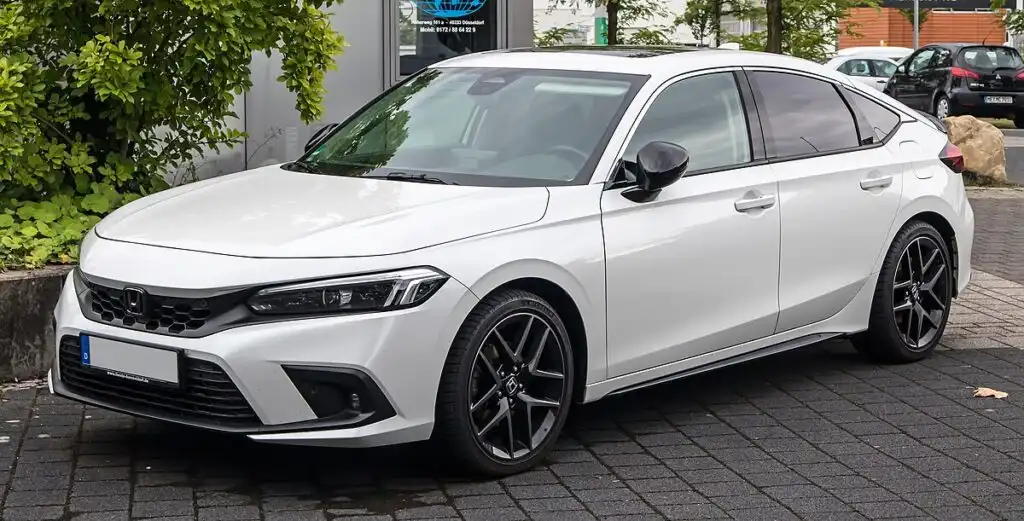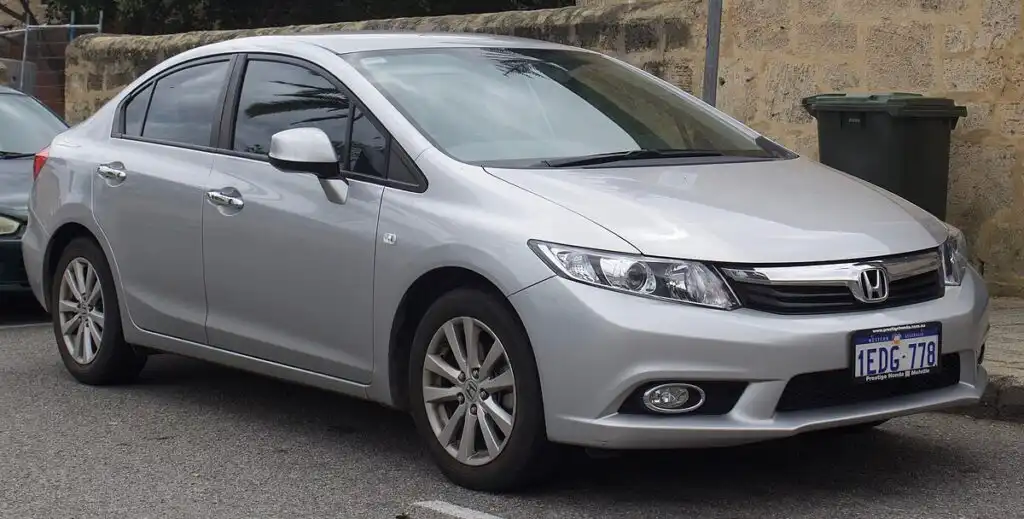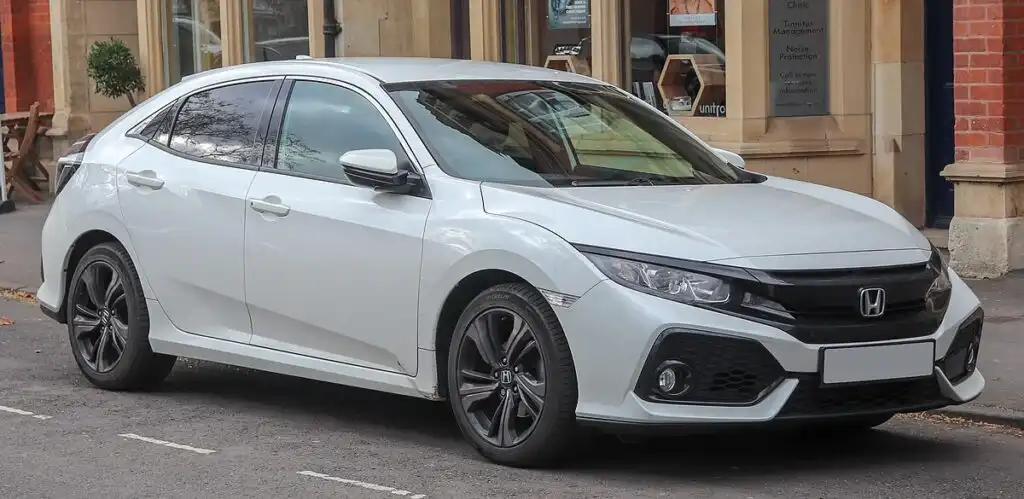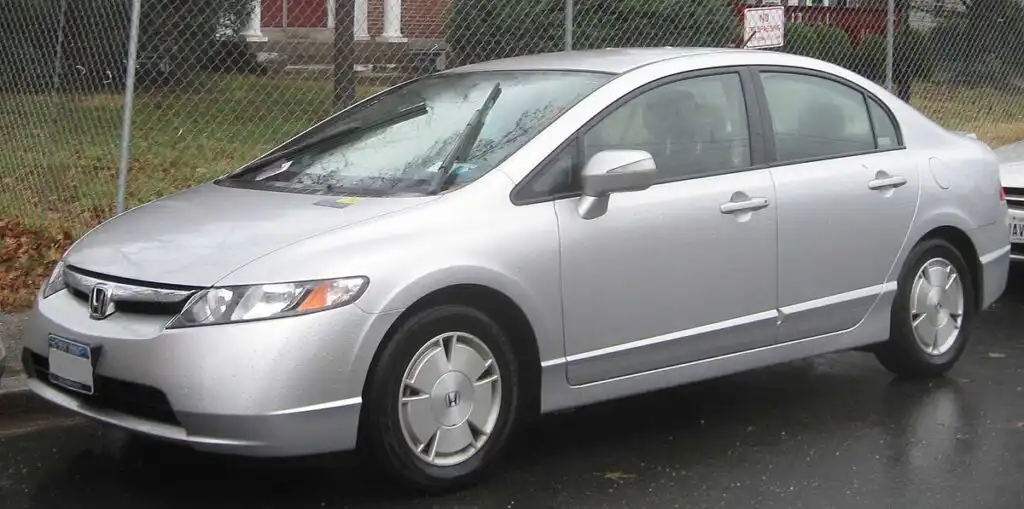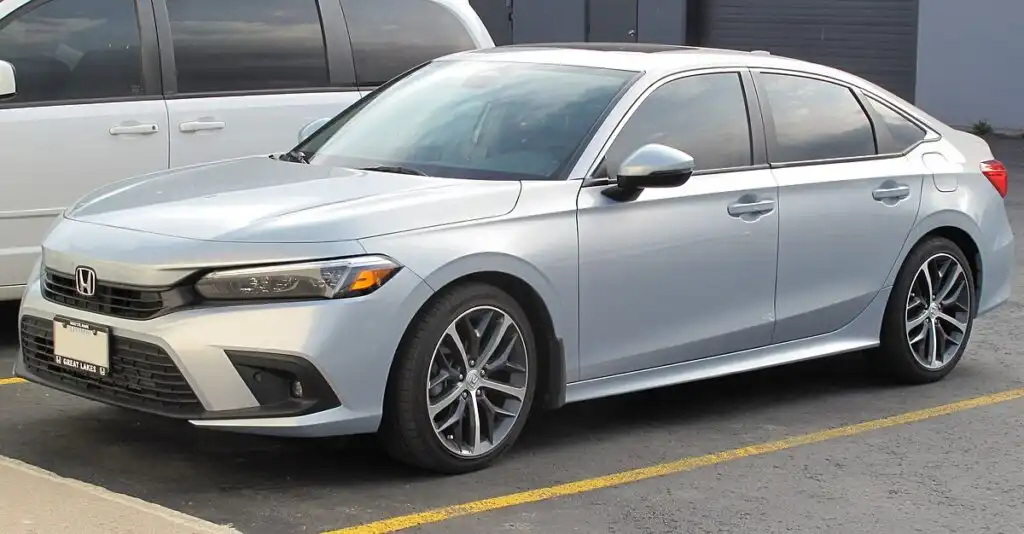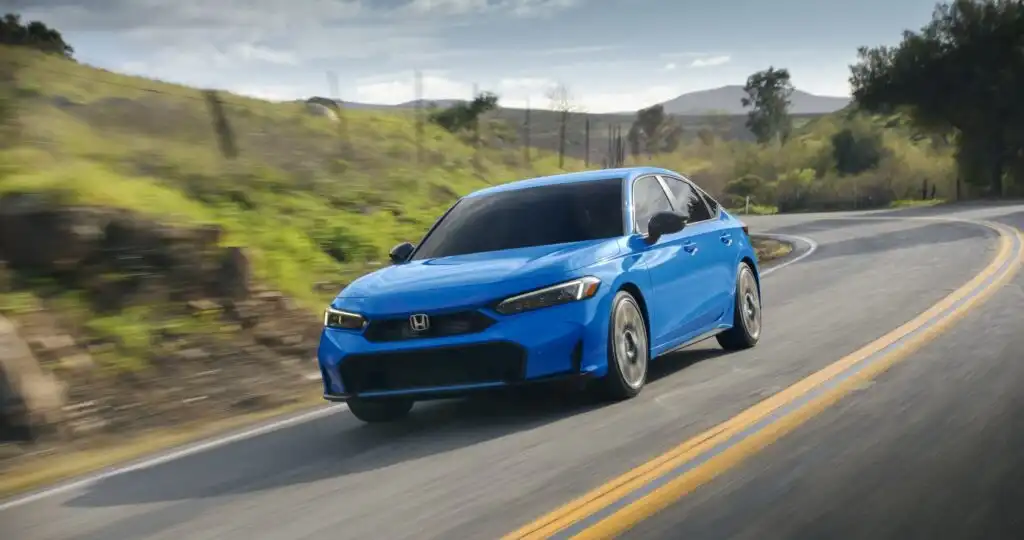
The Honda Civic XI, specifically the 2.0 i-MMD (200 Hp) e:HEV e-CVT variant introduced with the 2024 facelift, represents a significant step in Honda’s hybrid technology. Production began in September 2024, and this model is primarily targeted towards the North American and European markets, where fuel efficiency and reduced emissions are increasingly important. This liftback configuration slots into the mid-to-upper range of the Civic XI lineup, offering a balance of performance, economy, and features. It builds upon the already successful eleventh-generation Civic, known for its refined handling and modern styling.
Technical Specifications
| Brand | Honda |
| Model | Civic |
| Generation | Civic XI (facelift 2024) |
| Type (Engine) | 2.0 i-MMD (200 Hp) e:HEV e-CVT |
| Start of production | September, 2024 |
| Powertrain Architecture | FHEV (Full Hybrid Electric Vehicle) |
| Body type | Liftback |
| Seats | 5 |
| Doors | 5 |
| Fuel consumption (urban) | 4.7 l/100 km (50 US mpg) |
| Fuel consumption (extra urban) | 5.2 l/100 km (45.2 US mpg) |
| Fuel consumption (combined) | 4.9 l/100 km (48 US mpg) |
| Fuel Type | Petrol (Gasoline) |
| Emission standard | LEV4-SULEV30 |
| Weight-to-power ratio | 7.4 kg/Hp |
| Weight-to-torque ratio | 8.1 kg/Nm |
| Battery technology | Lithium-ion (Li-Ion) |
| Electric motor power | 181 Hp @ 5000-6000 rpm |
| Electric motor Torque | 315 Nm @ 0-2000 rpm (232.33 lb.-ft. @ 0-2000 rpm) |
| System power | 200 Hp |
| Internal combustion engine power | 141 Hp @ 6000 rpm |
| Internal combustion engine Torque | 182 Nm @ 4500 rpm (134.24 lb.-ft. @ 4500 rpm) |
| Maximum engine speed | 6250 rpm |
| Engine displacement | 1993 cm3 (121.62 cu. in.) |
| Number of cylinders | 4 |
| Cylinder Bore | 81 mm (3.19 in.) |
| Piston Stroke | 96.7 mm (3.81 in.) |
| Compression ratio | 13.9:1 |
| Fuel injection system | Direct injection |
| Engine aspiration | Naturally aspirated engine |
| Valvetrain | DOHC, i-VTEC |
| Kerb Weight | 1475 kg (3251.82 lbs.) |
| Trunk (boot) space (minimum) | 694 l (24.51 cu. ft.) |
| Fuel tank capacity | 47 l (12.42 US gal | 10.34 UK gal) |
| Length | 4547 mm (179.02 in.) |
| Width | 1801 mm (70.91 in.) |
| Height | 1415 mm (55.71 in.) |
| Wheelbase | 2736 mm (107.72 in.) |
| Front track | 1547 mm (60.91 in.) |
| Rear track | 1575 mm (62.01 in.) |
| Minimum turning circle | 11 m (36.09 ft.) |
| Drivetrain | Front wheel drive, FHEV |
| Gearbox | e-CVT automatic transmission |
| Front suspension | Independent, McPherson with coil spring and anti-roll bar |
| Rear suspension | Independent multi-link with stabilizer |
| Front brakes | Ventilated discs, 282 mm |
| Rear brakes | Discs, 259 mm |
| Tire size | 235/40 R18 |
| Wheel rims size | 18 |
Powertrain & Engine Architecture
The 2.0 i-MMD powertrain is a sophisticated full hybrid system. “i-MMD” stands for Intelligent Multi-Mode Drive, and it’s Honda’s take on a series-parallel hybrid setup. The core of the system is a 2.0-liter, naturally aspirated inline-four cylinder engine (code likely to be variations of the RN series used in other Honda hybrids) paired with a powerful electric motor. The engine utilizes direct injection and Honda’s i-VTEC variable valve timing system for improved efficiency and performance. The engine produces 141 horsepower at 6000 rpm and 134 lb-ft of torque at 4500 rpm. However, the system’s total output is 200 horsepower, with the electric motor contributing 181 horsepower and 232 lb-ft of torque. The electric motor is integrated directly into the e-CVT, eliminating the need for a traditional torque converter. This allows for a smoother, more responsive driving experience. The e-CVT intelligently manages the power flow between the engine, electric motor, and wheels, optimizing for efficiency or performance as needed. The system can operate in EV mode at lower speeds, engine-only mode at cruising speeds, or a combined mode for maximum acceleration.
Driving Characteristics
The 2.0 i-MMD e:HEV offers a distinctly different driving experience compared to the standard gasoline-powered Civic or even the Civic with a traditional automatic transmission. The e-CVT provides seamless acceleration, lacking the stepped gear changes of a conventional automatic. The instant torque from the electric motor provides brisk acceleration, particularly from a standstill. While not a sports car, the 200 hp combined output delivers adequate power for everyday driving and highway merging. Compared to the 1.5-liter turbocharged engine offered in some Civic trims, the 2.0 i-MMD prioritizes fuel efficiency over outright performance. The e-CVT is programmed to prioritize efficiency, which can sometimes result in the engine droning slightly under hard acceleration as it operates at its most efficient RPM. The weight of the hybrid components does add some mass, but the well-tuned suspension helps to mitigate any noticeable impact on handling.
Equipment & Trim Levels
The 2.0 i-MMD e:HEV trim typically comes well-equipped, reflecting its position as a mid-to-upper level offering. Standard features generally include Honda Sensing suite of safety and driver-assistance technologies (including adaptive cruise control, lane keeping assist, and automatic emergency braking), a touchscreen infotainment system with Apple CarPlay and Android Auto compatibility, and comfortable cloth upholstery. Higher sub-trims may add features like leather seats, a premium audio system, a sunroof, and heated front seats. The interior design follows the modern aesthetic of the Civic XI, with a clean dashboard layout and high-quality materials.
Chassis & Braking
The Civic XI utilizes a MacPherson strut front suspension and a multi-link rear suspension, providing a comfortable and controlled ride. The 2.0 i-MMD variant doesn’t receive significant suspension changes compared to other trims, but the added weight of the hybrid system may necessitate slightly stiffer spring rates. Braking duties are handled by ventilated discs at the front and solid discs at the rear. The regenerative braking system, a key component of the hybrid powertrain, helps to recapture energy during deceleration, further improving fuel efficiency. ABS (Anti-lock Braking System) is standard, along with electronic brake-force distribution and brake assist.
Market Reception & Comparison
The 2.0 i-MMD e:HEV has been generally well-received by automotive critics, who praise its fuel efficiency, smooth driving experience, and refined hybrid technology. Compared to the standard 2.0-liter Civic, the hybrid offers significantly better fuel economy, making it an attractive option for drivers who prioritize efficiency. Against other hybrid competitors in the compact class, the Civic e:HEV stands out with its unique e-CVT transmission and Honda’s reputation for reliability. Some reviewers have noted that the engine can be somewhat noisy under hard acceleration, but this is a common characteristic of many hybrid systems.
Legacy
Honda’s i-MMD hybrid technology represents a significant advancement in hybrid powertrain design. The 2.0 i-MMD e:HEV powertrain is expected to be reliable, building on Honda’s long-standing reputation for durability. The e-CVT transmission, while complex, has proven to be robust in other Honda hybrid models. As the automotive industry continues to shift towards electrification, the Civic 2.0 i-MMD e:HEV is likely to hold its value well in the used car market, appealing to buyers seeking a fuel-efficient and technologically advanced compact car.