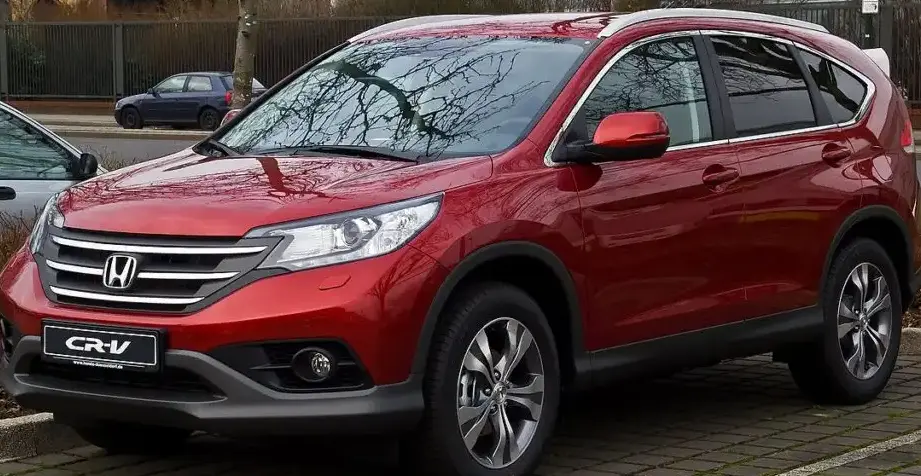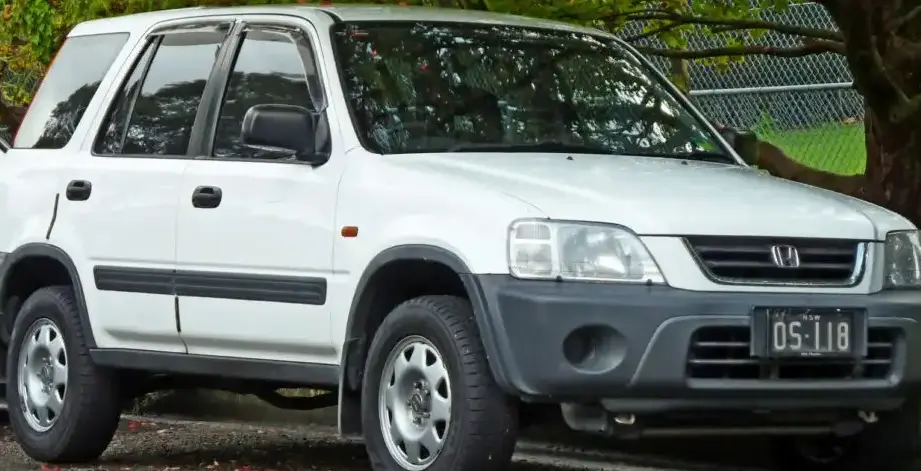
The Honda CR-V II 2.2 D (140 hp) represents a significant step in the evolution of Honda’s popular compact SUV. Produced between 2003 and 2006, this variant was primarily aimed at the European market, where diesel engines held a strong preference among SUV buyers. It slotted into the CR-V II lineup as the more fuel-efficient and torque-rich option, appealing to those prioritizing practicality and long-distance comfort over outright performance. This generation, internally designated as the RD series, marked a move towards a more refined and spacious interior compared to its predecessor, while retaining the CR-V’s reputation for reliability and versatility.
Technical Specifications
| Brand | Honda |
| Model | CR-V |
| Generation | CR-V II |
| Type (Engine) | 2.2 D (140 Hp) |
| Start of production | 2003 |
| End of production | 2006 |
| Powertrain Architecture | Internal Combustion engine |
| Body type | SUV |
| Seats | 5 |
| Doors | 5 |
| Fuel Type | Diesel |
| Power | 140 Hp @ 4000 rpm |
| Power per litre | 63.5 Hp/l |
| Torque | 340 Nm @ 2000 rpm / 250.77 lb.-ft. @ 2000 rpm |
| Engine layout | Front, Transverse |
| Engine Model/Code | N22A2 |
| Engine displacement | 2204 cm3 / 134.5 cu. in. |
| Number of cylinders | 4 |
| Engine configuration | Inline |
| Cylinder Bore | 85 mm / 3.35 in. |
| Piston Stroke | 97.1 mm / 3.82 in. |
| Compression ratio | 16.7:1 |
| Number of valves per cylinder | 4 |
| Fuel injection system | Diesel Commonrail |
| Engine aspiration | Turbocharger, Intercooler |
| Valvetrain | DOHC |
| Engine oil capacity | 5.9 l / 6.23 US qt | 5.19 UK qt |
| Coolant | 6.8 l / 7.19 US qt | 5.98 UK qt |
Powertrain & Engine Architecture
The heart of the CR-V II 2.2 D is the N22A2 engine, a 2.2-liter inline-four cylinder diesel. This engine utilizes a common-rail direct injection system, delivering fuel at extremely high pressure for improved combustion efficiency and reduced emissions. A turbocharger with an intercooler is employed to boost power output and enhance torque across a wider rev range. The engine features a double overhead camshaft (DOHC) valvetrain, optimizing airflow into and out of the cylinders. The N22A2 engine was known for its relatively quiet operation for a diesel of its era, a characteristic Honda engineers prioritized. The engine was paired with a four-speed automatic transmission, designed for smooth shifts and ease of use. While not the most technologically advanced transmission, it was reliable and well-suited to the engine’s torque characteristics.
Driving Characteristics
The 2.2 D automatic CR-V offered a comfortable and capable driving experience. With 140 horsepower and 340 Nm (250 lb-ft) of torque, it provided ample power for everyday driving and highway cruising. Acceleration was adequate, though not particularly brisk, with a 0-60 mph time estimated around 11-12 seconds. The automatic transmission, while smooth, did contribute to some power loss compared to the available manual transmission. The gear ratios were tuned for fuel efficiency and relaxed cruising, rather than sporty performance. The all-wheel-drive system provided enhanced traction in various weather conditions, making it a practical choice for drivers in regions with inclement weather. Compared to the petrol-powered CR-V variants, the 2.2 D offered significantly better fuel economy and a more relaxed driving experience, particularly on long journeys.
Equipment & Trim Levels
The CR-V II 2.2 D typically came equipped with a reasonable level of standard features. These included air conditioning, power windows and locks, a CD player, and alloy wheels. Higher trim levels, such as the SE or EX, added features like a sunroof, upgraded audio system, and leather upholstery. Safety features included ABS brakes, front airbags, and side impact beams. Optional extras included navigation system, rear parking sensors, and a tow hitch. The interior was generally well-built and functional, with a focus on practicality and durability. The rear seats offered good legroom and the cargo area was spacious and versatile, thanks to the folding rear seats.
Chassis & Braking
The CR-V II utilized a MacPherson strut front suspension and a multi-link rear suspension, providing a comfortable ride and good handling characteristics. The suspension was tuned to prioritize comfort over sporty handling, but still offered a stable and predictable driving experience. The braking system consisted of ventilated front discs and drum brakes on the rear wheels. ABS (Anti-lock Braking System) was standard, enhancing braking performance and stability. The all-wheel-drive system employed a real-time system, automatically distributing torque between the front and rear wheels as needed to maintain optimal traction.
Market Reception & Comparison
The CR-V II 2.2 D was well-received in the European market, where diesel SUVs were highly popular. Critics praised its fuel efficiency, comfortable ride, and spacious interior. However, some noted that the automatic transmission could feel sluggish at times and that the engine lacked the refinement of some of its competitors. Compared to the petrol-powered CR-V variants, the 2.2 D offered significantly better fuel economy, making it a more economical choice for high-mileage drivers. Compared to other diesel SUVs in its class, such as the Toyota RAV4 and Nissan X-Trail, the CR-V II 2.2 D offered a competitive combination of features, performance, and reliability.
Legacy
The N22A2 engine, while not without its quirks, proved to be a relatively reliable powertrain when properly maintained. Common issues included turbocharger wear and potential problems with the fuel injectors. However, these issues were generally not catastrophic and could be addressed with regular servicing. Today, the CR-V II 2.2 D can be found in the used car market at affordable prices. It remains a practical and versatile SUV, appealing to buyers looking for a reliable and fuel-efficient vehicle. Its reputation for durability and Honda’s overall brand image contribute to its continued desirability in the used car segment. The 2.2 D variant represents a key step in Honda’s development of diesel engines for the European market, paving the way for future generations of diesel-powered CR-Vs.