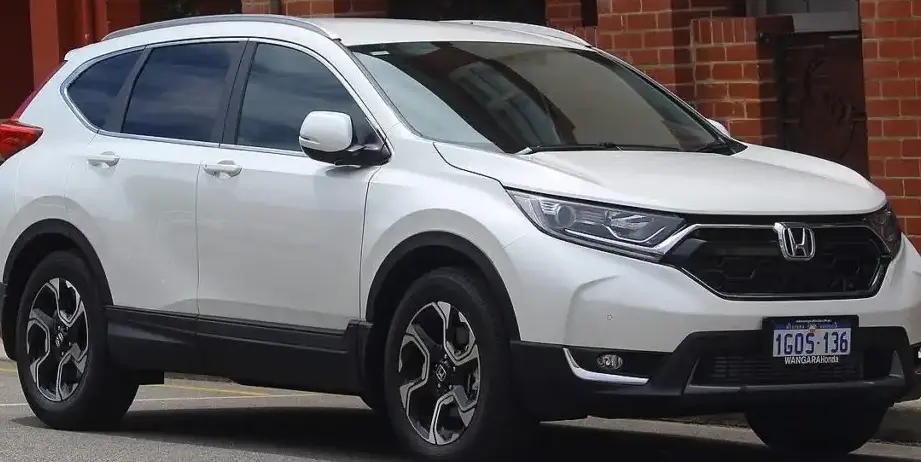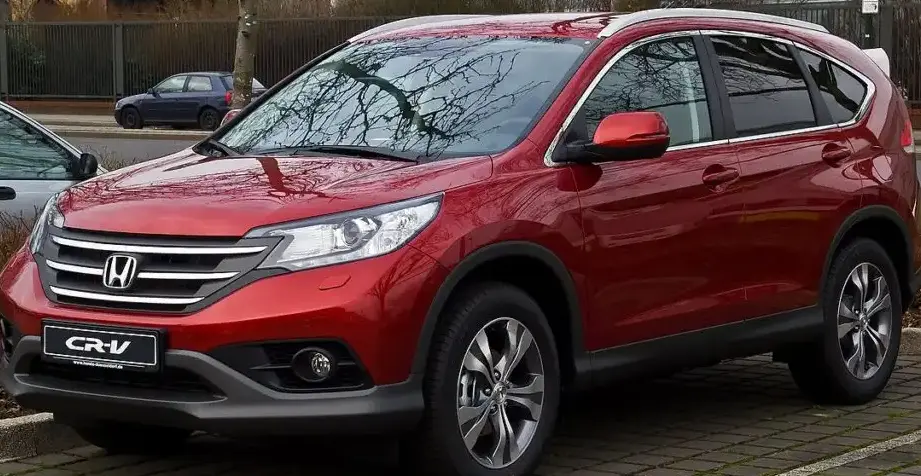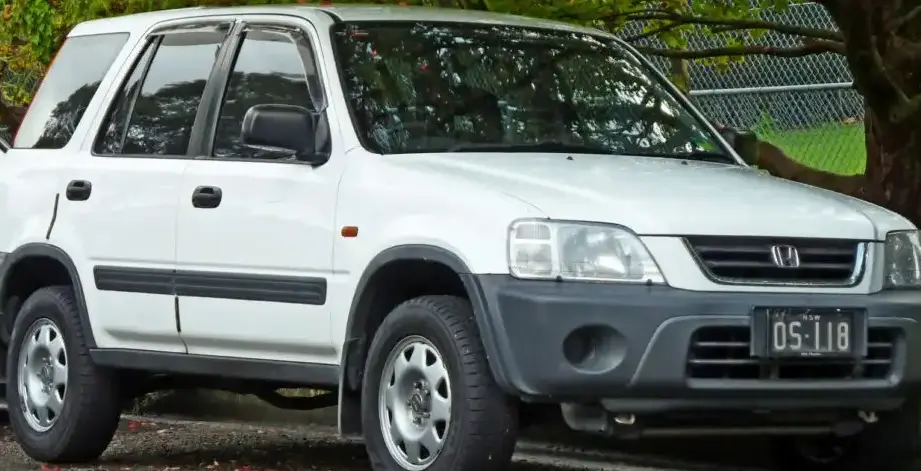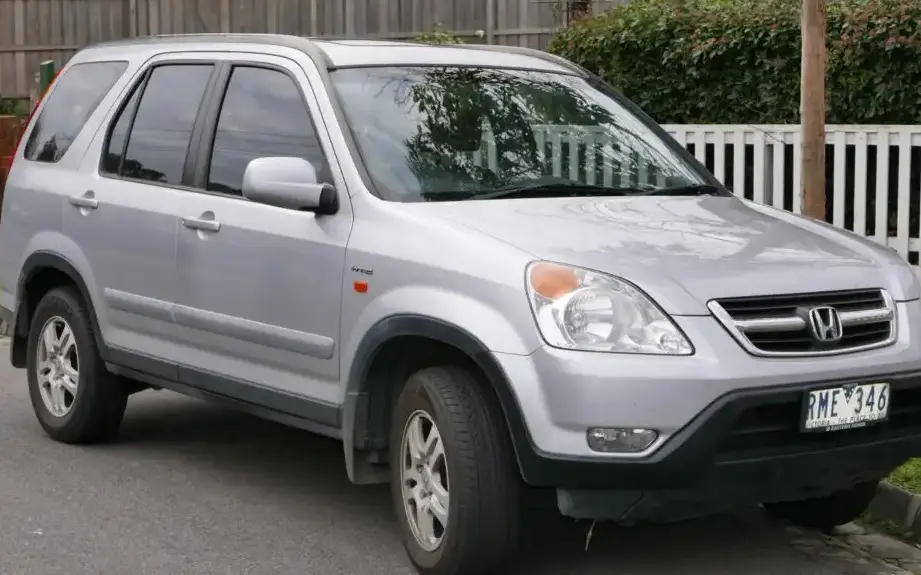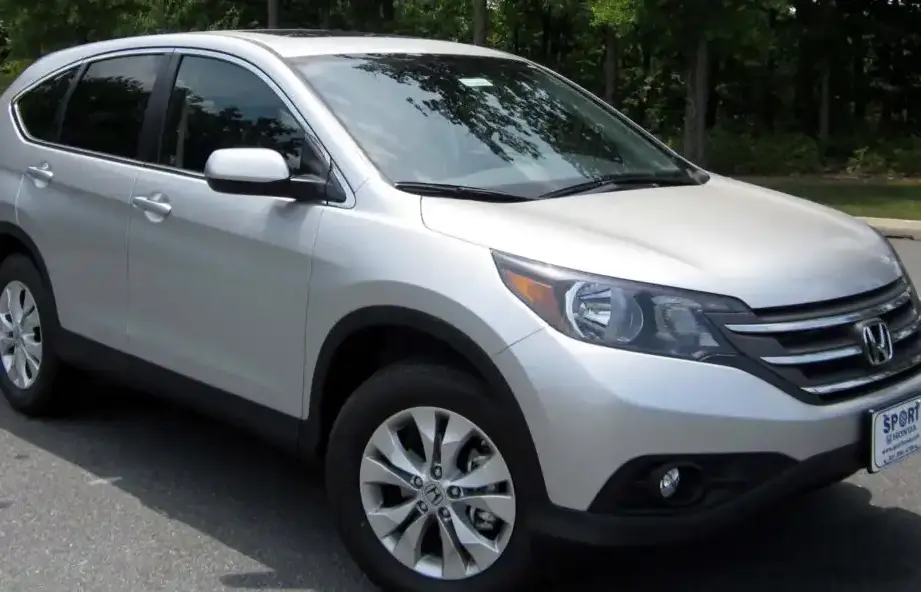
The Honda CR-V IV 2.0 i-VTEC (155 Hp) AWD Automatic, produced between 2012 and 2015, represents a significant iteration in Honda’s popular compact SUV lineup. Part of the fourth-generation CR-V (RE series), this variant was positioned as a mainstream offering, balancing fuel efficiency, practicality, and all-weather capability. It served as a key model in the North American market, where the CR-V consistently ranked among the best-selling SUVs in its class. This particular configuration – the 2.0-liter four-cylinder engine paired with a five-speed automatic transmission and all-wheel drive – aimed to provide a comfortable and reliable driving experience for families and individuals alike. It sat in the middle of the CR-V lineup, offering a step up in performance from the base models while remaining more accessible than the potentially forthcoming, more powerful options.
Technical Specifications
| Brand | Honda |
| Model | CR-V |
| Generation | CR-V IV |
| Type (Engine) | 2.0 i-VTEC (155 Hp) AWD Automatic |
| Start of production | 2012 |
| End of production | 2015 |
| Powertrain Architecture | Internal Combustion engine |
| Body type | SUV |
| Seats | 5 |
| Doors | 5 |
| Fuel consumption (urban) | 10 l/100 km (23.5 US mpg) |
| Fuel consumption (extra urban) | 6 l/100 km (39.2 US mpg) |
| Fuel consumption (combined) | 7.5 l/100 km (31.4 US mpg) |
| Fuel Type | Petrol (Gasoline) |
| Acceleration 0 – 100 km/h | 12.3 sec |
| Acceleration 0 – 62 mph | 12.3 sec |
| Acceleration 0 – 60 mph | 11.7 sec |
| Maximum speed | 182 km/h (113.09 mph) |
| Emission standard | Euro 5 |
| Weight-to-power ratio | 9.9 kg/Hp |
| Weight-to-torque ratio | 8 kg/Nm |
| Power | 155 Hp @ 6500 rpm |
| Torque | 192 Nm @ 4300 rpm (141.61 lb.-ft. @ 4300 rpm) |
| Engine layout | Front, Transverse |
| Engine Model/Code | R20A5, R20A6, R20A8 |
| Engine displacement | 1997 cm3 (121.86 cu. in.) |
| Number of cylinders | 4 |
| Engine configuration | Inline |
| Compression ratio | 10.6:1 |
| Number of valves per cylinder | 4 |
| Fuel injection system | Multi-port manifold injection |
| Engine aspiration | Naturally aspirated engine |
| Engine oil capacity | 3.7 l (3.91 US qt | 3.26 UK qt) |
| Coolant capacity | 6.04 l (6.38 US qt | 5.31 UK qt) |
| Kerb Weight | 1542 kg (3399.53 lbs) |
| Trunk (boot) space – minimum | 589 l (20.8 cu. ft.) |
| Trunk (boot) space – maximum | 1669 l (58.94 cu. ft.) |
| Fuel tank capacity | 58 l (15.32 US gal | 12.76 UK gal) |
| Length | 4570 mm (179.92 in) |
| Width | 1820 mm (71.65 in) |
| Height | 1685 mm (66.34 in) |
| Wheelbase | 2630 mm (103.54 in) |
| Minimum turning circle | 11.8 m (38.71 ft) |
| Drive wheel | All wheel drive (4×4) |
| Number of gears | 5 |
| Gearbox type | Automatic transmission |
| Front suspension | Independent, type McPherson with coil spring and anti-roll bar |
| Rear suspension | Independent multi-link suspension |
| Front brakes | Ventilated discs |
| Rear brakes | Disc |
| Assisting systems | ABS (Anti-lock braking system) |
| Steering type | Steering rack and pinion |
| Tires size | 225/65 R17; 225/60 R18 |
| Wheel rims size | 17; 18 |
Powertrain & Engine Architecture
The heart of this CR-V variant is the R20A5 (and related R20A6/R20A8 depending on the specific market) 2.0-liter inline-four cylinder engine. This engine is a member of Honda’s K20 family, though downsized in displacement. It utilizes a single overhead camshaft (SOHC) design with four valves per cylinder, and Honda’s i-VTEC (Variable Valve Timing and Lift Electronic Control) system. The i-VTEC system allows for variable valve timing and lift, optimizing engine performance and fuel efficiency across a wide range of engine speeds. Fuel delivery is managed by a multi-point fuel injection system. The engine’s output of 155 horsepower at 6500 rpm and 192 Nm (141.61 lb-ft) of torque at 4300 rpm is respectable for its displacement, but not particularly high-performance. The five-speed automatic transmission, while smooth and reliable, is a conventional torque-converter automatic. It lacks the more advanced features found in some contemporary transmissions, such as paddle shifters or a large number of gears. The all-wheel-drive system is a reactive system, meaning it primarily operates in front-wheel drive and engages the rear wheels when slippage is detected.
Driving Characteristics
The 2.0-liter i-VTEC engine with the five-speed automatic delivers adequate, but not exhilarating, performance. Acceleration from 0-60 mph takes around 11.7 seconds, and the top speed is approximately 113 mph. The automatic transmission is tuned for comfort and fuel economy, resulting in relatively relaxed gear changes. Compared to a manual transmission equipped CR-V, the automatic version feels slightly less responsive. The gear ratios are optimized for cruising, making it a comfortable highway vehicle. However, passing maneuvers require a bit more planning. Compared to the potential for a more powerful engine option (not always available in all markets), this variant prioritizes fuel efficiency and ease of use over outright performance. The all-wheel-drive system provides enhanced traction in inclement weather, making it a capable vehicle for a variety of driving conditions.
Equipment & Trim Levels
The CR-V IV 2.0 i-VTEC AWD Automatic typically came standard with features such as air conditioning, power windows and locks, a basic audio system with CD player and auxiliary input, and alloy wheels. Safety features included ABS, stability control, and multiple airbags. Higher trim levels, such as the EX or EX-L, added features like a sunroof, leather upholstery, heated front seats, a more advanced audio system with a touchscreen display, and a rearview camera. Optional extras included navigation, and upgraded alloy wheel designs.
Chassis & Braking
The CR-V IV utilizes a MacPherson strut front suspension and an independent multi-link rear suspension. This setup provides a comfortable ride and predictable handling. The front suspension incorporates a stabilizer bar to reduce body roll. Braking duties are handled by ventilated discs at the front and solid discs at the rear. The ABS system helps to prevent wheel lockup during hard braking. The steering is a rack-and-pinion system, providing precise and responsive steering feel.
Market Reception & Comparison
The CR-V IV 2.0 i-VTEC AWD Automatic was generally well-received by automotive critics. It was praised for its spacious interior, comfortable ride, and good fuel economy. However, some critics noted that the engine lacked power, especially when fully loaded or driving uphill. Compared to other compact SUVs in its class, the CR-V offered a compelling combination of practicality, reliability, and value. The fuel economy of around 31.4 US mpg combined was competitive for its time. Reliability was a strong point, with the 2.0-liter engine and five-speed automatic transmission proving to be durable and long-lasting.
Legacy
The Honda CR-V IV 2.0 i-VTEC AWD Automatic has proven to be a reliable and durable vehicle. In the used car market, these models continue to hold their value due to Honda’s reputation for quality and dependability. The powertrain is generally considered to be robust and requires relatively little maintenance, beyond routine servicing. While not the most exciting vehicle to drive, it remains a practical and comfortable choice for those seeking a reliable and fuel-efficient compact SUV. Common issues are relatively minor, often related to wear and tear on suspension components or routine maintenance items. The simplicity of the powertrain contributes to its longevity and ease of repair.