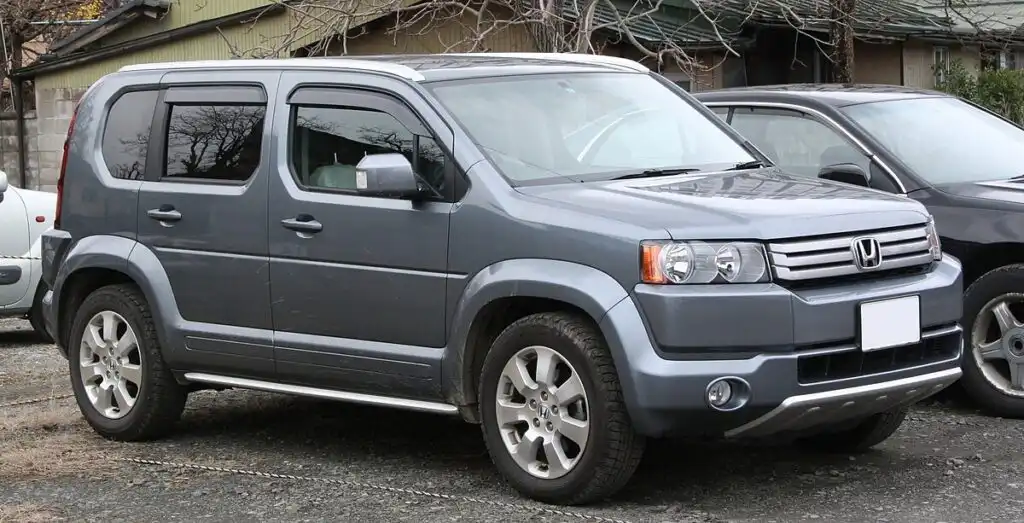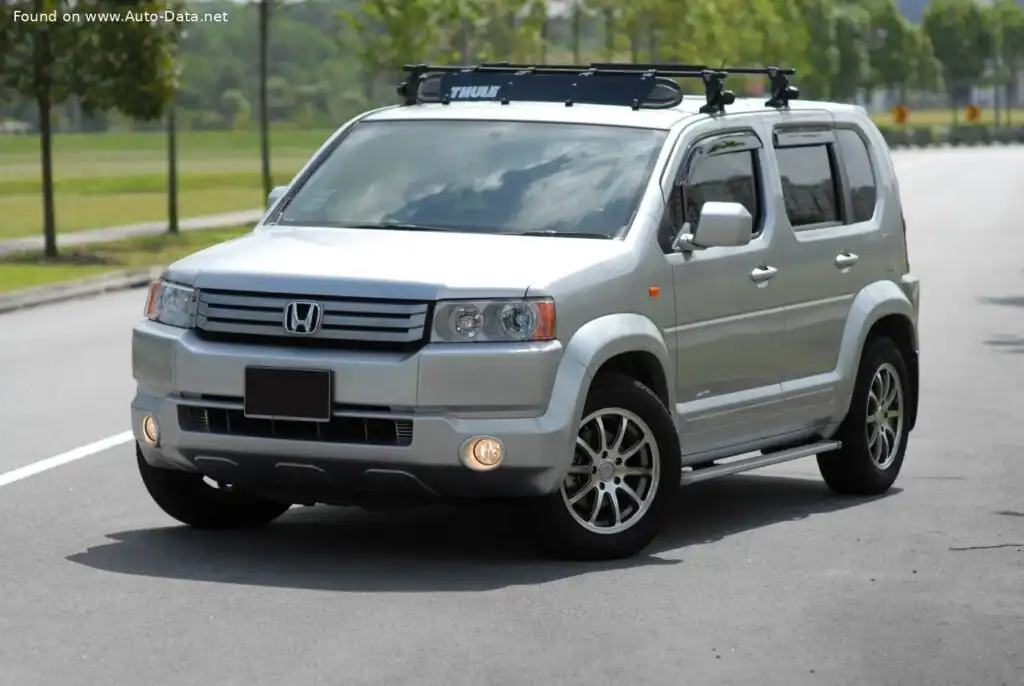
The Honda Crossroad 1.8, produced between 2008 and 2010, represents a unique offering in Honda’s crossover lineup. Positioned as a compact, seven-seat vehicle primarily for the Japanese domestic market (JDM), the Crossroad aimed to provide practical family transportation with a focus on interior space and ease of use. This particular 1.8-liter, 140 horsepower variant served as a mid-range option within the Crossroad series, offering a balance between affordability and performance. It was built on Honda’s compact platform, sharing some components with other Honda vehicles of the era, but distinguished itself through its boxy styling and versatile interior.
Technical Specifications
| Brand | Honda |
| Model | Crossroad |
| Generation | Crossroad |
| Type (Engine) | 1.8 (140 Hp) |
| Start of production | 2008 |
| End of production | 2010 |
| Powertrain Architecture | Internal Combustion engine |
| Body type | Crossover |
| Seats | 7 |
| Doors | 5 |
| Fuel Type | Petrol (Gasoline) |
| Power | 140 Hp |
| Engine aspiration | Naturally aspirated engine |
| Engine oil capacity | 3.7 l (3.91 US qt | 3.26 UK qt) |
| Coolant capacity | 5.2 l (5.49 US qt | 4.58 UK qt) |
| Length | 4285 mm (168.7 in) |
| Width | 1775 mm (69.88 in) |
| Height | 1669 mm (65.71 in) |
| Wheelbase | 2700 mm (106.3 in) |
| Drivetrain | All wheel drive (4×4) |
Powertrain & Engine Architecture
The heart of the Crossroad 1.8 is Honda’s R18A engine, a 1.8-liter, inline-four cylinder gasoline engine. This engine utilizes a single overhead camshaft (SOHC) valvetrain with two valves per cylinder. It’s a naturally aspirated engine, meaning it doesn’t employ forced induction like a turbocharger or supercharger. Fuel delivery is managed by Honda’s PGM-FI (Programmed Fuel Injection) system, a multi-point sequential fuel injection system designed for efficient combustion and reduced emissions. The R18A engine is known for its reliability and relatively simple design.
The 140 horsepower is delivered at approximately 6300 rpm, with peak torque of around 122 lb-ft at 4600 rpm. This engine is paired with a five-speed automatic transmission, which was the sole transmission option for this variant. The automatic transmission is designed for smooth shifting and ease of use, prioritizing comfort over outright performance. The all-wheel-drive system is a Real Time 4WD system, automatically engaging the rear wheels when it detects a loss of traction in the front wheels. This system enhances stability and provides improved grip in various weather conditions.
Driving Characteristics
The Honda Crossroad 1.8 with the five-speed automatic transmission offers a comfortable and predictable driving experience. Acceleration is adequate for everyday driving situations, but it’s not particularly sporty. The 0-60 mph time is estimated to be around 10-11 seconds. The automatic transmission is tuned for fuel efficiency and smooth transitions, which can sometimes result in a slight delay in response when accelerating quickly. The Real Time 4WD system provides confident handling in slippery conditions, but it doesn’t transform the Crossroad into an off-road vehicle. The steering is light and easy to use, making it well-suited for urban driving. Compared to a manual transmission equipped Crossroad, the automatic version sacrifices some responsiveness and driver engagement, but gains in convenience.
Equipment & Trim Levels
The Crossroad 1.8 typically came equipped with a reasonable level of standard features. These included air conditioning, power windows, power door locks, and a basic audio system with CD player. Higher trim levels, often denoted by suffixes in the JDM market, added features such as alloy wheels, fog lights, a more advanced audio system with navigation, and upgraded interior upholstery. Interior materials were generally durable and practical, reflecting the vehicle’s focus on family use. The seven-seat configuration featured a split-folding second and third-row bench, allowing for flexible cargo space. Optional extras included a sunroof, leather seats, and various electronic driver aids.
Chassis & Braking
The Crossroad 1.8 utilizes a MacPherson strut suspension in the front and a torsion beam suspension in the rear. This suspension setup provides a comfortable ride quality, absorbing bumps and irregularities in the road surface effectively. The brakes are disc brakes in the front and drum brakes in the rear. While adequate for normal driving conditions, the rear drum brakes are a cost-saving measure and don’t offer the same stopping power as disc brakes. The vehicle’s relatively light weight helps to compensate for the rear drum brakes. Stabilizer bars are fitted to both the front and rear axles to reduce body roll during cornering.
Market Reception & Comparison
The Honda Crossroad 1.8 was well-received in the Japanese market as a practical and affordable family vehicle. Critics praised its spacious interior, ease of use, and fuel efficiency. However, some reviewers noted that its performance was somewhat underwhelming, particularly with the automatic transmission. Compared to other compact crossovers available in Japan at the time, such as the Toyota Ist and Nissan Cube, the Crossroad offered a unique combination of space, practicality, and Honda reliability. Fuel economy was rated around 25-28 mpg in combined driving conditions, which was competitive for its class. The automatic transmission version generally achieved slightly lower fuel economy than a hypothetical manual transmission variant.
Legacy
The Honda Crossroad, while not widely exported outside of Japan, has developed a following among enthusiasts who appreciate its unique styling and practicality. The R18A engine is known for its durability and relatively low maintenance costs. Common issues are generally limited to routine maintenance items such as oil changes, spark plug replacements, and occasional sensor failures. The five-speed automatic transmission is also generally reliable, but it’s important to ensure that it’s serviced regularly to prevent issues. In the used car market, the Crossroad 1.8 represents a good value for those seeking a spacious and reliable family vehicle. Its simple mechanical design and readily available parts make it a relatively easy vehicle to maintain and repair. The Crossroad’s boxy design and seven-seat configuration continue to appeal to buyers looking for a practical and versatile crossover.