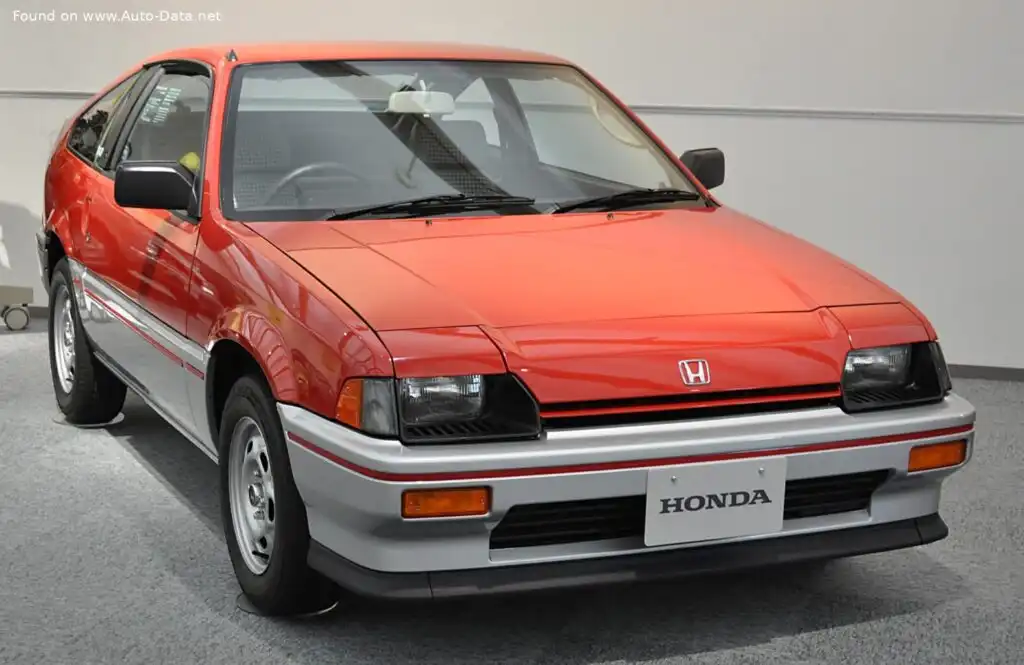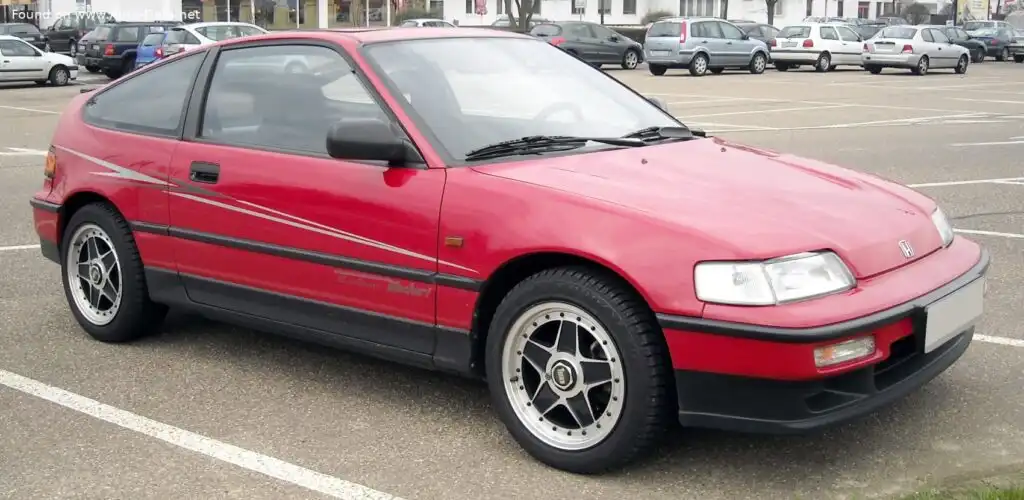
The Honda CRX II, specifically the 1.6 i 16V VTEC variant produced between 1989 and 1991, represents a high-water mark in the second generation CRX (ED, EE) lineup. Positioned as a performance-oriented trim, it offered a significant step up from the base models, appealing to enthusiasts seeking a sporty and fuel-efficient driving experience. This model was primarily sold in Japan, Europe, and North America, becoming a popular choice for those wanting a nimble and engaging front-wheel-drive coupe. The CRX II built upon the success of the first generation, refining its lightweight design and introducing more sophisticated technology, most notably Honda’s revolutionary VTEC system.
Technical Specifications
| Brand | Honda |
| Model | CRX |
| Generation | CRX II (ED,EE) |
| Type (Engine) | 1.6 i 16V VTEC (150 Hp) |
| Start of production | 1989 |
| End of production | 1991 |
| Powertrain Architecture | Internal Combustion engine |
| Body type | Liftback |
| Seats | 4 |
| Doors | 3 |
| Fuel Type | Petrol (Gasoline) |
| Acceleration 0 – 100 km/h | 7.2 sec |
| Acceleration 0 – 62 mph | 7.2 sec |
| Acceleration 0 – 60 mph | 6.8 sec |
| Maximum speed | 222 km/h (137.94 mph) |
| Weight-to-power ratio | 6.7 kg/Hp, 148.5 Hp/tonne |
| Weight-to-torque ratio | 7 kg/Nm, 142.6 Nm/tonne |
| Power | 150 Hp @ 7600 rpm |
| Power per litre | 94 Hp/l |
| Torque | 144 Nm @ 7100 rpm (106.21 lb.-ft. @ 7100 rpm) |
| Engine layout | Front, Transverse |
| Engine Model/Code | B16A1 |
| Engine displacement | 1595 cm3 (97.33 cu. in.) |
| Number of cylinders | 4 |
| Engine configuration | Inline |
| Cylinder Bore | 81 mm (3.19 in.) |
| Piston Stroke | 77.4 mm (3.05 in.) |
| Compression ratio | 10.2:1 |
| Number of valves per cylinder | 4 |
| Fuel injection system | Multi-port manifold injection |
| Engine aspiration | Naturally aspirated engine |
| Valvetrain | DOHC, VTEC |
| Engine oil capacity | 4 l (4.23 US qt | 3.52 UK qt) |
| Coolant | 4.7 l (4.97 US qt | 4.14 UK qt) |
| Kerb Weight | 1010 kg (2226.67 lbs.) |
| Max. weight | 1470 kg (3240.8 lbs.) |
| Max load | 460 kg (1014.13 lbs.) |
| Trunk (boot) space – minimum | 196 l (6.92 cu. ft.) |
| Trunk (boot) space – maximum | 337 l (11.9 cu. ft.) |
| Fuel tank capacity | 45 l (11.89 US gal | 9.9 UK gal) |
| Length | 3815 mm (150.2 in.) |
| Width | 1675 mm (65.94 in.) |
| Height | 1270 mm (50 in.) |
| Wheelbase | 2300 mm (90.55 in.) |
| Front track | 1440 mm (56.69 in.) |
| Rear (Back) track | 1445 mm (56.89 in.) |
| Front overhang | 820 mm (32.28 in.) |
| Rear overhang | 695 mm (27.36 in.) |
| Ride height (ground clearance) | 150 mm (5.91 in.) |
| Drag coefficient (Cd) | 0.30 |
| Minimum turning circle | 9.6 m (31.5 ft.) |
| Drivetrain Architecture | The Internal combustion engine (ICE) drives the front wheels of the vehicle. |
| Drive wheel | Front wheel drive |
| Number of gears and type of gearbox | 5 gears, manual transmission |
| Front suspension | Double wishbone |
| Rear suspension | Double wishbone |
| Front brakes | Ventilated discs |
| Rear brakes | Disc |
| Steering type | Steering rack and pinion |
| Tires size | 195/60 R14 |
| Wheel rims size | 5.5J x 14 |
Powertrain & Engine Architecture
The heart of the 1.6 i 16V VTEC CRX II is the B16A1 engine. This 1.6-liter (1595 cc) inline-four cylinder engine is renowned for its high-revving nature and advanced technology. The B16A1 utilizes a 10.2:1 compression ratio and multi-port fuel injection to deliver 150 horsepower at 7600 rpm and 106.21 lb-ft of torque at 7100 rpm. Crucially, it features Honda’s Variable Valve Timing and Lift Electronic Control (VTEC) system. VTEC allows the engine to seamlessly switch between two different camshaft profiles – a mild profile for low-speed efficiency and a more aggressive profile for high-speed power. This resulted in a broad powerband and a thrilling driving experience. The engine is transversely mounted, driving the front wheels. The standard transmission for this variant was a close-ratio 5-speed manual gearbox, optimized for performance.
Driving Characteristics
The 1.6 i 16V VTEC CRX II offered a distinctly sporty driving experience. The combination of the lightweight chassis (approximately 2227 lbs) and the responsive B16A1 engine resulted in brisk acceleration – 0-60 mph in around 6.8 seconds. The VTEC transition, while noticeable, was relatively smooth compared to later iterations of the system. The short-throw 5-speed manual transmission encouraged spirited driving, allowing the driver to keep the engine in its powerband. Compared to the base model CRX, the VTEC version felt significantly more powerful and engaging. While not as torquey as larger displacement engines, the B16A1 rewarded drivers who were willing to rev it out. The steering was precise and well-weighted, contributing to the car’s nimble handling.
Equipment & Trim Levels
The 1.6 i 16V VTEC CRX II typically came with a relatively well-equipped interior for its time. Standard features included power steering, a tilt steering wheel, and a basic sound system. Upholstery was typically cloth, with a sporty pattern. Optional extras included air conditioning, a sunroof, and upgraded audio systems. The dashboard layout was functional and driver-focused, with clearly marked gauges. The VTEC variant often featured unique badging and trim details to distinguish it from the lower-spec models.
Chassis & Braking
The CRX II utilized a lightweight, rigid chassis with independent double wishbone suspension at all four corners. This suspension setup provided excellent handling and ride quality. The front brakes were ventilated discs, offering strong stopping power, while the rear brakes were solid discs. The car’s relatively low weight contributed to its impressive braking performance. A stabilizer bar was fitted to both the front and rear suspension to reduce body roll during cornering.
Market Reception & Comparison
The 1.6 i 16V VTEC CRX II was generally well-received by automotive critics. It was praised for its performance, handling, and fuel efficiency. Compared to other cars in its class, the CRX offered a unique combination of sporty driving dynamics and practicality. The VTEC version was often seen as a more desirable alternative to the base model CRX, offering a significant performance upgrade. However, some critics noted that the engine lacked low-end torque, requiring the driver to rev it out to access its full potential. Compared to the later CRX Si models, the 1989-1991 VTEC version offered a slightly more refined driving experience, but with similar overall performance.
Legacy
The Honda CRX II 1.6 i 16V VTEC remains a popular choice among enthusiasts today. The B16A1 engine is known for its reliability and tunability, making it a favorite for engine swaps and modifications. Well-maintained examples of the CRX II are becoming increasingly collectible. The car’s lightweight design and engaging driving dynamics continue to appeal to those seeking a fun and affordable sports coupe. While age and mileage can present maintenance challenges, the CRX II’s robust construction and readily available parts supply ensure that it will remain a viable option for enthusiasts for years to come. The introduction of VTEC technology in this model cemented its place in automotive history, paving the way for its widespread adoption in subsequent Honda models.