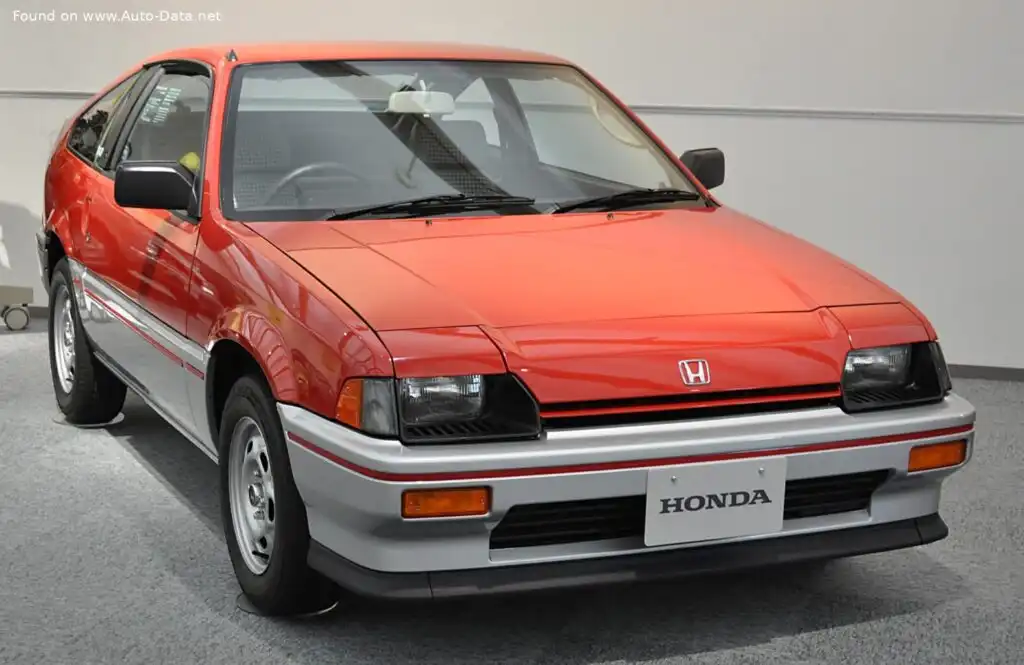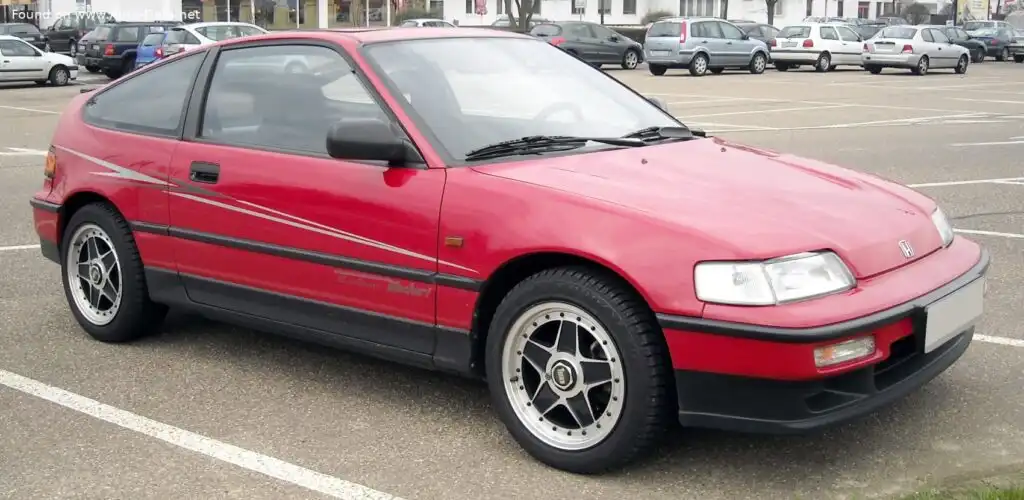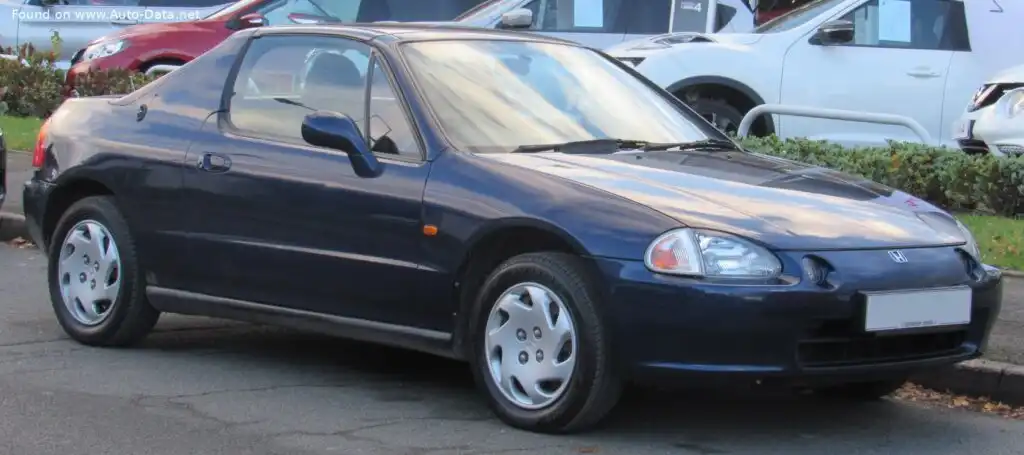
The Honda CRX III 1.6 ESi (EH6) Automatic, produced between 1992 and 1997, represents a unique offering within the third-generation CRX (EH/EG) lineup. Positioned as a comfortable, yet still sporty, variant, it catered to buyers seeking the CRX’s iconic styling and fuel efficiency with the convenience of an automatic transmission. This model was primarily sold in North America and Europe, offering a blend of practicality and Honda’s renowned reliability. The EH6 chassis code specifically denotes this configuration – a 1.6-liter engine paired with an automatic gearbox.
Technical Specifications
| Brand | Honda |
| Model | CRX |
| Generation | CRX III (EH,EG) |
| Type (Engine) | 1.6 ESi (EH6) (125 Hp) Automatic |
| Start of production | 1992 |
| End of production | 1997 |
| Powertrain Architecture | Internal Combustion engine |
| Body type | Targa |
| Seats | 2 |
| Doors | 2 |
| Fuel consumption (urban) | 8.9 l/100 km (26.4 US mpg) |
| Fuel consumption (extra urban) | 5.9 l/100 km (39.9 US mpg) |
| Fuel consumption (combined) | 7.5 l/100 km (31.4 US mpg) |
| Fuel Type | Petrol (Gasoline) |
| Acceleration 0 – 100 km/h | 10.5 sec |
| Acceleration 0 – 62 mph | 10.5 sec |
| Acceleration 0 – 60 mph | 10 sec |
| Maximum speed | 185 km/h (114.95 mph) |
| Weight-to-power ratio | 8 kg/Hp |
| Weight-to-torque ratio | 6.9 kg/Nm |
| Power | 125 Hp @ 6600 rpm |
| Torque | 144 Nm @ 4700 rpm (106.21 lb.-ft. @ 4700 rpm) |
| Engine layout | Front, Transverse |
| Engine Model/Code | D16Z6 |
| Engine displacement | 1590 cm3 (97.03 cu. in.) |
| Number of cylinders | 4 |
| Engine configuration | Inline |
| Cylinder Bore | 75 mm (2.95 in.) |
| Piston Stroke | 90 mm (3.54 in.) |
| Compression ratio | 9.6:1 |
| Number of valves per cylinder | 4 |
| Fuel injection system | Multi-port manifold injection |
| Engine aspiration | Naturally aspirated engine |
| Valvetrain | OHC |
| Engine oil capacity | 3.3 l (3.49 US qt | 2.9 UK qt) |
| Coolant capacity | 4.4 l (4.65 US qt | 3.87 UK qt) |
| Kerb Weight | 1000 kg (2204.62 lbs.) |
| Max. weight | 1320 kg (2910.1 lbs.) |
| Max load | 320 kg (705.48 lbs.) |
| Trunk (boot) space – minimum | 300 l (10.59 cu. ft.) |
| Fuel tank capacity | 45 l (11.89 US gal | 9.9 UK gal) |
| Length | 4005 mm (157.68 in.) |
| Width | 1695 mm (66.73 in.) |
| Height | 1255 mm (49.41 in.) |
| Wheelbase | 2370 mm (93.31 in.) |
| Front track | 1475 mm (58.07 in.) |
| Rear (Back) track | 1465 mm (57.68 in.) |
| Minimum turning circle | 9.4 m (30.84 ft.) |
| Drivetrain Architecture | Front wheel drive |
| Number of gears | 4 |
| Gearbox type | Automatic transmission |
| Front suspension | Double wishbone |
| Rear suspension | Double wishbone |
| Front brakes | Ventilated discs |
| Rear brakes | Drum |
| Steering type | Steering rack and pinion |
| Power steering | Hydraulic Steering |
| Tires size | 185/60 R14 H |
| Wheel rims size | 14 |
Powertrain & Engine Architecture
The heart of the CRX 1.6 ESi Automatic is the D16Z6 engine, a 1.6-liter inline-four cylinder powerplant. This engine utilizes a single overhead camshaft (SOHC) valvetrain and multi-point fuel injection. The D16Z6 was known for its relatively smooth operation and decent power output for its displacement. The automatic transmission paired with this engine was a four-speed unit, designed for comfortable cruising rather than aggressive performance. Unlike the manual transmission variants, the automatic version featured different final drive ratios optimized for smoother shifts and fuel efficiency. The engine’s 9.6:1 compression ratio contributed to its respectable power figures, while the relatively simple engine design made it relatively easy to maintain.
Driving Characteristics
The 1.6 ESi Automatic offered a noticeably different driving experience compared to its manual transmission counterparts or the higher-performance Si models. Acceleration from 0-60 mph took around 10 seconds, which was adequate for everyday driving but didn’t provide the sporty feel of the manual versions. The automatic transmission, while convenient, resulted in some power loss and a less engaging driving experience. The gear ratios were tuned for fuel economy and smooth transitions, meaning the engine often lacked the responsiveness desired by enthusiasts. However, for drivers prioritizing comfort and ease of use, the automatic CRX provided a pleasant and reliable ride.
Equipment & Trim Levels
The 1.6 ESi Automatic trim generally included features such as power steering, air conditioning, and a basic audio system. Interior upholstery typically consisted of cloth seats, and the dashboard layout was functional and straightforward. Optional extras included a sunroof (common on CRX models), upgraded audio systems, and alloy wheels. The ESi trim level represented a step up from the base model, offering a more comprehensive set of features without the added cost of the Si performance package.
Chassis & Braking
The CRX III utilized a lightweight chassis and independent double wishbone suspension on both the front and rear axles. This suspension setup provided good handling characteristics, although the automatic transmission and added weight slightly diminished the car’s agility compared to the manual versions. The front brakes were ventilated discs, providing adequate stopping power, while the rear brakes were drums. This configuration was typical for vehicles in this weight class during the early 1990s. Stabilizer bars were included to reduce body roll during cornering.
Market Reception & Comparison
The CRX 1.6 ESi Automatic received mixed reviews. Critics generally praised its fuel efficiency and comfortable ride, but many found the automatic transmission to detract from the CRX’s sporty image. Compared to the manual transmission versions, the automatic offered lower performance and a less engaging driving experience. However, it appealed to a broader audience who valued convenience and ease of use. Compared to other compact cars of the era, the CRX offered a unique combination of styling, fuel economy, and reliability.
Legacy
The D16Z6 engine, when properly maintained, proved to be a durable and reliable powerplant. The automatic transmission, while not as sought after by enthusiasts, also demonstrated good longevity. Today, the CRX 1.6 ESi Automatic remains a popular choice among collectors and enthusiasts seeking a classic Honda with a comfortable and practical driving experience. Parts availability is generally good, and the relatively simple engine design makes it relatively easy to repair. While not as highly valued as the Si models, the 1.6 ESi Automatic represents a significant part of the CRX’s legacy, offering a unique blend of style, efficiency, and reliability.