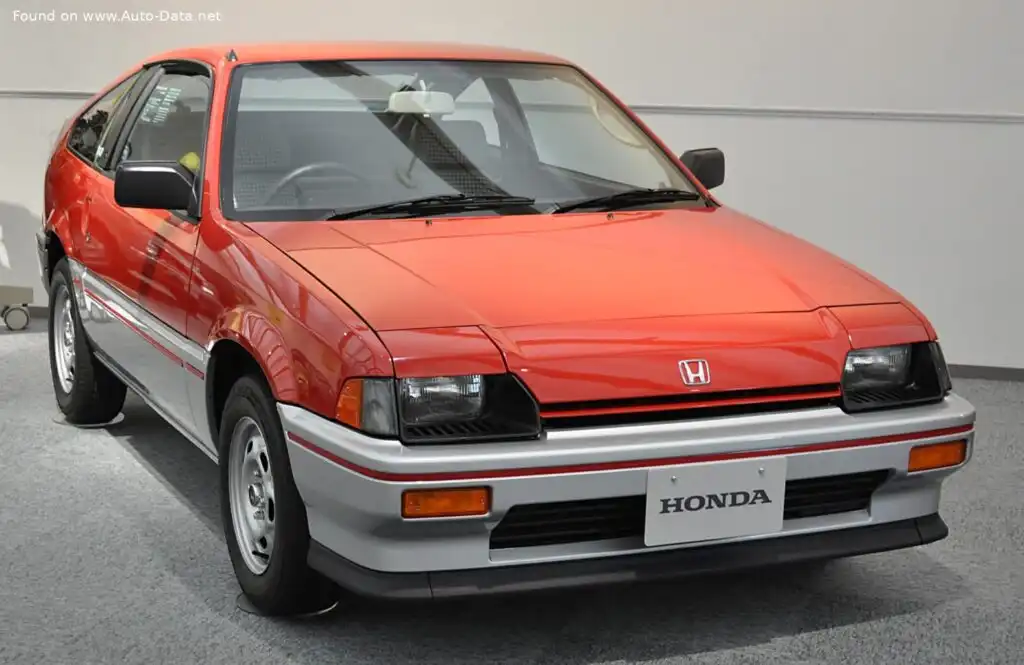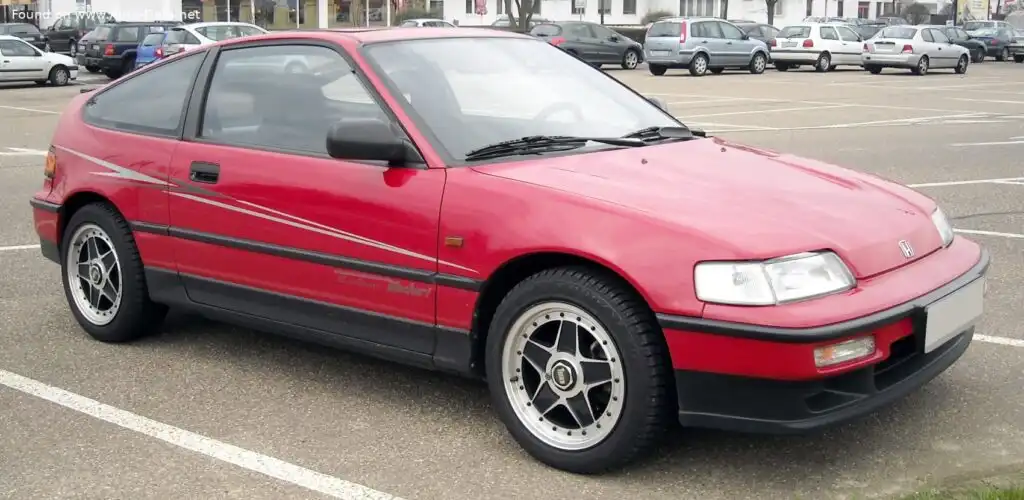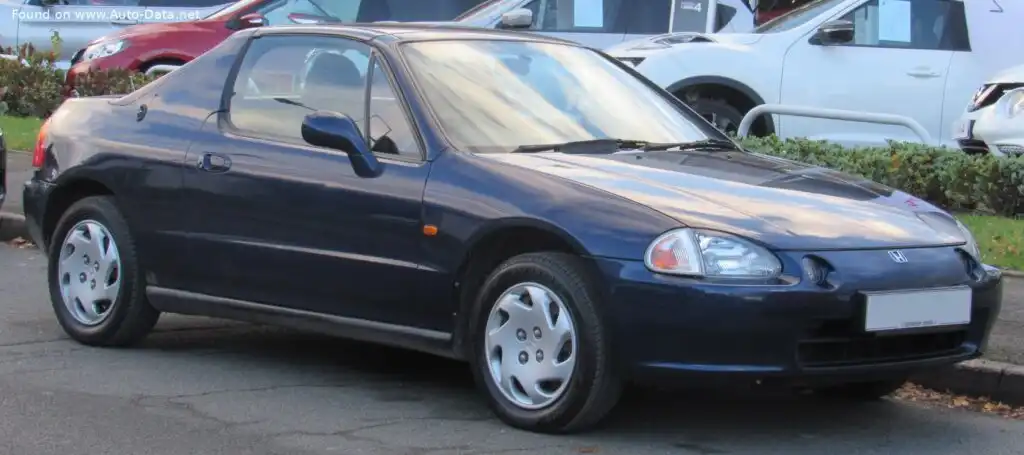
The Honda CRX III, specifically the 1.6 i VTi (EG2) variant, represented a high-performance iteration of Honda’s iconic lightweight sports car. Produced between 1992 and 1997, the EG2 was a key model within the third-generation CRX (EH/EG) lineup, built on the Honda Civic-derived platform. This particular trim, boasting a 160 horsepower engine, aimed to deliver a more engaging driving experience than the base models while remaining accessible to a broader audience. The CRX III was primarily marketed in Japan and North America, where its fuel efficiency and sporty handling were highly valued.
Technical Specifications
| Brand | Honda |
| Model | CRX |
| Generation | CRX III (EH,EG) |
| Type (Engine) | 1.6 i VTi (EG2) (160 Hp) |
| Start of production | 1992 |
| End of production | 1997 |
| Powertrain Architecture | Internal Combustion engine |
| Body type | Targa |
| Seats | 2 |
| Doors | 2 |
| Fuel consumption (urban) | 9.2 l/100 km (25.6 US mpg) |
| Fuel consumption (extra urban) | 6.1 l/100 km (38.6 US mpg) |
| Fuel consumption (combined) | 7.7 l/100 km (30.5 US mpg) |
| Fuel Type | Petrol (Gasoline) |
| Acceleration 0 – 100 km/h | 8.2 sec |
| Acceleration 0 – 62 mph | 8.2 sec |
| Acceleration 0 – 60 mph | 7.8 sec |
| Maximum speed | 210 km/h (130.49 mph) |
| Weight-to-power ratio | 6.9 kg/Hp |
| Weight-to-torque ratio | 7.4 kg/Nm |
| Power | 160 Hp @ 7600 rpm |
| Torque | 150 Nm @ 7000 rpm (110.63 lb.-ft. @ 7000 rpm) |
| Engine layout | Front, Transverse |
| Engine Model/Code | B16A |
| Engine displacement | 1595 cm3 (97.33 cu. in.) |
| Number of cylinders | 4 |
| Engine configuration | Inline |
| Cylinder Bore | 81 mm (3.19 in.) |
| Piston Stroke | 77.4 mm (3.05 in.) |
| Compression ratio | 10.2:1 |
| Number of valves per cylinder | 4 |
| Fuel injection system | Multi-port manifold injection |
| Engine aspiration | Naturally aspirated |
| Valvetrain | DOHC |
| Engine oil capacity | 4 l (4.23 US qt | 3.52 UK qt) |
| Coolant capacity | 4.8 l (5.07 US qt | 4.22 UK qt) |
| Kerb Weight | 1110 kg (2447.13 lbs.) |
| Max. weight | 1430 kg (3152.61 lbs.) |
| Max load | 320 kg (705.48 lbs.) |
| Trunk (boot) space – minimum | 300 l (10.59 cu. ft.) |
| Fuel tank capacity | 45 l (11.89 US gal | 9.9 UK gal) |
| Length | 4005 mm (157.68 in.) |
| Width | 1695 mm (66.73 in.) |
| Height | 1255 mm (49.41 in.) |
| Wheelbase | 2370 mm (93.31 in.) |
| Front track | 1475 mm (58.07 in.) |
| Rear track | 1465 mm (57.68 in.) |
| Minimum turning circle | 9.4 m (30.84 ft.) |
| Drivetrain Architecture | Front wheel drive |
| Number of gears | 5 |
| Gearbox type | Manual transmission |
| Front suspension | Double wishbone |
| Rear suspension | Double wishbone |
| Front brakes | Ventilated discs |
| Rear brakes | Disc |
| Assisting systems | ABS (Anti-lock braking system) |
| Steering type | Steering rack and pinion |
| Power steering | Hydraulic |
| Tires size | 195/60 R14 V |
Powertrain & Engine Architecture
The heart of the EG2 was the B16A engine, a 1.6-liter inline-four cylinder powerplant. This engine was a naturally aspirated unit, utilizing Honda’s VTEC (Variable Valve Timing and Lift Electronic Control) technology. VTEC allowed for a switch between two different camshaft profiles – a milder profile for low-speed efficiency and a more aggressive profile for high-RPM performance. The B16A featured multi-port fuel injection and a compression ratio of 10.2:1, contributing to its spirited performance. The engine was transversely mounted, driving the front wheels. The 5-speed manual transmission was specifically tuned to complement the engine’s powerband, offering precise shifts and a responsive feel.
Driving Characteristics
The 1.6 i VTi (EG2) offered a noticeably more engaging driving experience compared to the lower-spec CRX models. The 160 horsepower output, while not excessive by modern standards, was ample for the lightweight CRX chassis. Acceleration from 0-60 mph was achieved in around 7.8 seconds, and the car felt nimble and responsive in corners. The VTEC crossover was a distinct feature, providing a noticeable surge of power at higher engine speeds. The 5-speed manual transmission allowed drivers to fully exploit the engine’s capabilities, while the relatively short gear ratios kept the engine within its optimal power range. Compared to the later Si models, the EG2 offered a slightly more refined driving experience, prioritizing a balance between performance and everyday usability.
Equipment & Trim Levels
The 1.6 i VTi (EG2) trim typically included features such as power windows, power steering, and an upgraded sound system. Interior upholstery was generally cloth, with a sporty design. Optional extras included air conditioning, a sunroof (common on targa models), and alloy wheels. The dashboard layout was functional and driver-focused, with clear instrumentation. The EG2 was positioned as a mid-range trim, offering a step up in performance and features compared to the base models, but without the more aggressive styling and performance enhancements of the Si variants.
Chassis & Braking
The CRX III utilized a lightweight chassis construction, contributing to its agile handling. The suspension consisted of double wishbones at both the front and rear, providing a comfortable yet controlled ride. The EG2 was equipped with ventilated disc brakes at the front and solid disc brakes at the rear, offering adequate stopping power for its performance level. An Anti-lock Braking System (ABS) was standard, enhancing safety. The relatively narrow tires (195/60 R14) prioritized fuel efficiency and ride comfort over ultimate grip.
Market Reception & Comparison
The 1.6 i VTi (EG2) was well-received by automotive critics for its blend of performance, fuel efficiency, and affordability. It was often praised for its responsive handling and engaging driving experience. Compared to the base CRX models, the EG2 offered a significant performance upgrade, making it a popular choice for enthusiasts. However, it was often overshadowed by the more powerful and aggressively styled Si variants. Fuel economy was a strong point, with combined figures around 30.5 US mpg. Reliability was generally excellent, typical of Honda products of this era.
Legacy
The Honda CRX III 1.6 i VTi (EG2) remains a popular choice among classic car enthusiasts. The B16A engine is known for its durability and tunability, making it a favorite for engine swaps and modifications. The lightweight chassis and responsive handling continue to provide a rewarding driving experience. While finding well-maintained examples can be challenging, the EG2’s enduring appeal ensures its continued presence in the used car market. The car is often remembered as a quintessential example of 1990s Japanese sports car design, offering a unique blend of practicality, performance, and style.