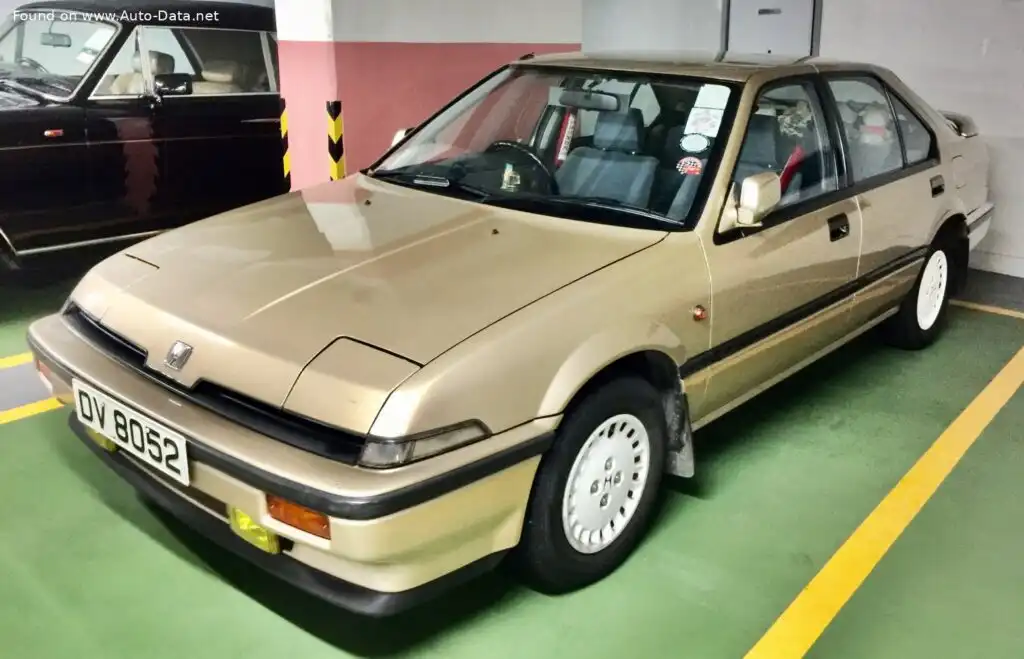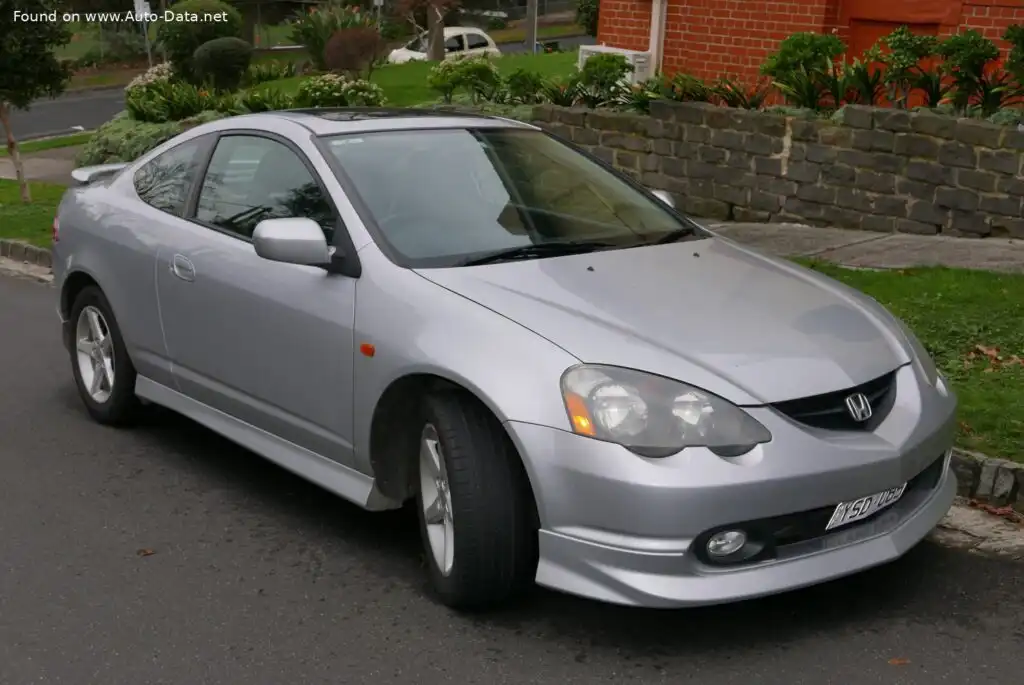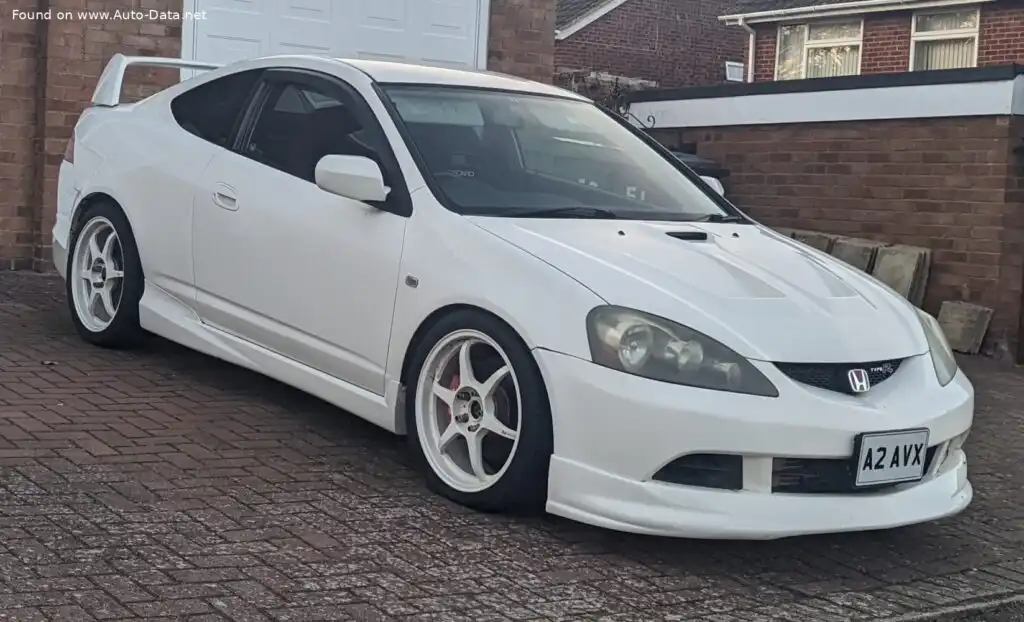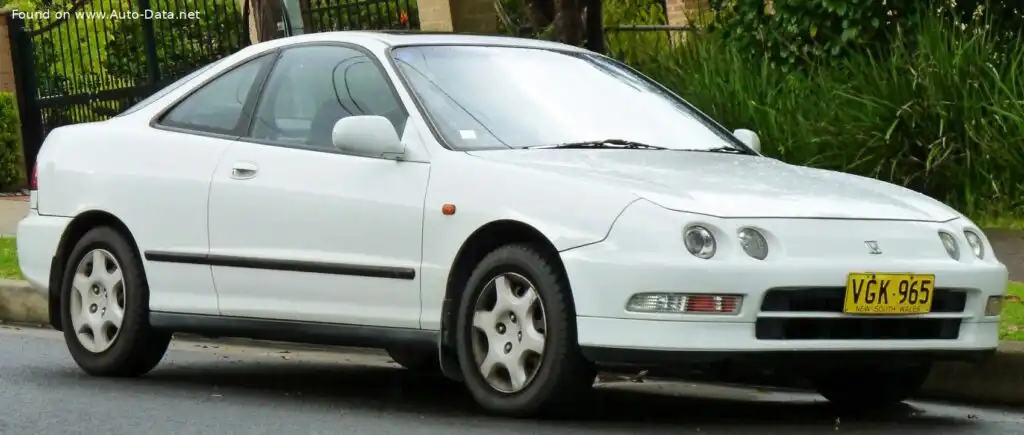
The Honda Integra Type R (DC2), specifically the 1.8 i variant producing 180 horsepower, represents a high-water mark in front-wheel-drive performance during the late 1990s and early 2000s. Produced from 1995 to 2001, this generation (DC2) of the Integra was a significant evolution of the model, moving towards a more focused, sporty character. The 1.8 i model, while not the top-tier Type R, offered a compelling blend of performance, handling, and practicality, appealing to enthusiasts seeking a refined and engaging driving experience. It occupied a position above the base Integra models, offering a substantial power upgrade and more sophisticated features.
Technical Specifications
| Brand | Honda |
| Model | Integra |
| Generation | Integra III (DC2) |
| Type (Engine) | 1.8 i (180 Hp) |
| Start of production | 1995 |
| End of production | 2001 |
| Powertrain Architecture | Internal Combustion engine |
| Body type | Liftback |
| Seats | 4 |
| Doors | 2 |
| Fuel consumption (combined) | 6.1 l/100 km (38.6 US mpg, 46.3 UK mpg, 16.4 km/l) |
| Fuel Type | Petrol (Gasoline) |
| Acceleration 0 – 100 km/h | 7 sec |
| Acceleration 0 – 62 mph | 7 sec |
| Acceleration 0 – 60 mph | 6.7 sec |
| Maximum speed | 210 km/h (130.49 mph) |
| Weight-to-power ratio | 6.7 kg/Hp, 150 Hp/tonne |
| Weight-to-torque ratio | 6.9 kg/Nm, 145.8 Nm/tonne |
| Power | 180 Hp @ 7600 rpm |
| Power per litre | 100.2 Hp/l |
| Torque | 175 Nm @ 6200 rpm (129.07 lb.-ft. @ 6200 rpm) |
| Engine layout | Front, Transverse |
| Engine Model/Code | B18C |
| Engine displacement | 1797 cm3 (109.66 cu. in.) |
| Number of cylinders | 4 |
| Engine configuration | Inline |
| Cylinder Bore | 81 mm (3.19 in.) |
| Piston Stroke | 87.2 mm (3.43 in.) |
| Compression ratio | 10.6:1 |
| Number of valves per cylinder | 4 |
| Fuel injection system | Multi-port manifold injection |
| Engine aspiration | Naturally aspirated engine |
| Valvetrain | DOHC |
| Engine oil capacity | 4 l (4.23 US qt | 3.52 UK qt) |
| Coolant | 4.7 l (4.97 US qt | 4.14 UK qt) |
| Kerb Weight | 1200 kg (2645.55 lbs.) |
| Fuel tank capacity | 50 l (13.21 US gal | 11 UK gal) |
| Length | 4380 mm (172.44 in.) |
| Width | 1695 mm (66.73 in.) |
| Height | 1335 mm (52.56 in.) |
| Wheelbase | 2570 mm (101.18 in.) |
| Front track | 1475 mm (58.07 in.) |
| Rear track | 1465 mm (57.68 in.) |
| Drivetrain Architecture | Front wheel drive |
| Number of gears | 5 gears, manual transmission |
| Front suspension | Coil spring |
| Rear suspension | Coil spring |
| Front brakes | Ventilated discs |
| Rear brakes | Disc |
| Assisting systems | ABS (Anti-lock braking system) |
| Steering type | Steering rack and pinion |
| Power steering | Hydraulic Steering |
| Tires size | 195/55 R15 |
| Wheel rims size | 15 |
Powertrain & Engine Architecture
The heart of the Integra 1.8 i is the B18C engine, a 1.8-liter inline-four cylinder powerplant. This engine utilizes a naturally aspirated setup with multi-port fuel injection and a double overhead camshaft (DOHC) valvetrain. The B18C was known for its responsiveness and willingness to rev, characteristics that contributed to the Integra’s sporty feel. The engine’s 10.6:1 compression ratio further enhanced its performance. The five-speed manual transmission was standard, providing precise gear changes and allowing the driver to fully exploit the engine’s powerband. The transmission featured relatively short gear ratios, optimized for acceleration and spirited driving.
Driving Characteristics
The 180 hp output, coupled with the close-ratio five-speed manual, delivered a lively driving experience. While not as brutally fast as the later Type R models, the 1.8 i offered a balanced and engaging feel. Acceleration from 0-60 mph was achieved in around 6.7 seconds, and the car could reach a top speed of 130.49 mph. The front-wheel-drive layout, while prone to some torque steer under hard acceleration, provided excellent traction and predictable handling. The suspension, tuned for a balance between comfort and control, allowed for confident cornering. Compared to the more powerful Type R, the 1.8 i was more forgiving and easier to drive on a daily basis.
Equipment & Trim Levels
The Integra 1.8 i typically came equipped with features such as power windows, power locks, and air conditioning. Interior upholstery was generally cloth, with a sporty design. Optional extras included a sunroof, upgraded audio systems, and alloy wheels. The dashboard layout was functional and driver-focused, with clear instrumentation. The 1.8 i trim level represented a step up from the base Integra models, offering a more comprehensive list of standard features and a more refined interior.
Chassis & Braking
The Integra DC2 utilized a fully independent suspension system, with coil springs and dampers at all four corners. The front suspension featured MacPherson struts, while the rear employed a double-wishbone setup. This configuration provided excellent handling and ride quality. Braking duties were handled by ventilated discs at the front and solid discs at the rear. An Anti-lock Braking System (ABS) was standard, enhancing safety and control during hard braking. The chassis was relatively lightweight, contributing to the car’s nimble handling characteristics.
Market Reception & Comparison
The Integra 1.8 i was well-received by automotive critics, who praised its sporty handling, responsive engine, and overall refinement. It was often compared to other compact sports coupes of the era, such as the Acura RSX and the Nissan Sentra SE-R. The Integra generally offered a more balanced package, with a better combination of performance, handling, and practicality. Fuel economy was respectable, averaging around 38.6 US mpg in combined driving. Reliability was also a strong point, with the B18C engine proving to be durable and long-lasting.
Legacy
Today, the Honda Integra DC2, including the 1.8 i variant, enjoys a strong following among automotive enthusiasts. The car is appreciated for its engaging driving dynamics, reliable powertrain, and timeless design. Well-maintained examples are becoming increasingly collectible, and prices have been steadily rising. The B18C engine remains a popular choice for engine swaps and modifications. The Integra DC2’s legacy as a benchmark for front-wheel-drive performance is secure, and it continues to be a beloved car among those who appreciate a truly driver-focused experience.