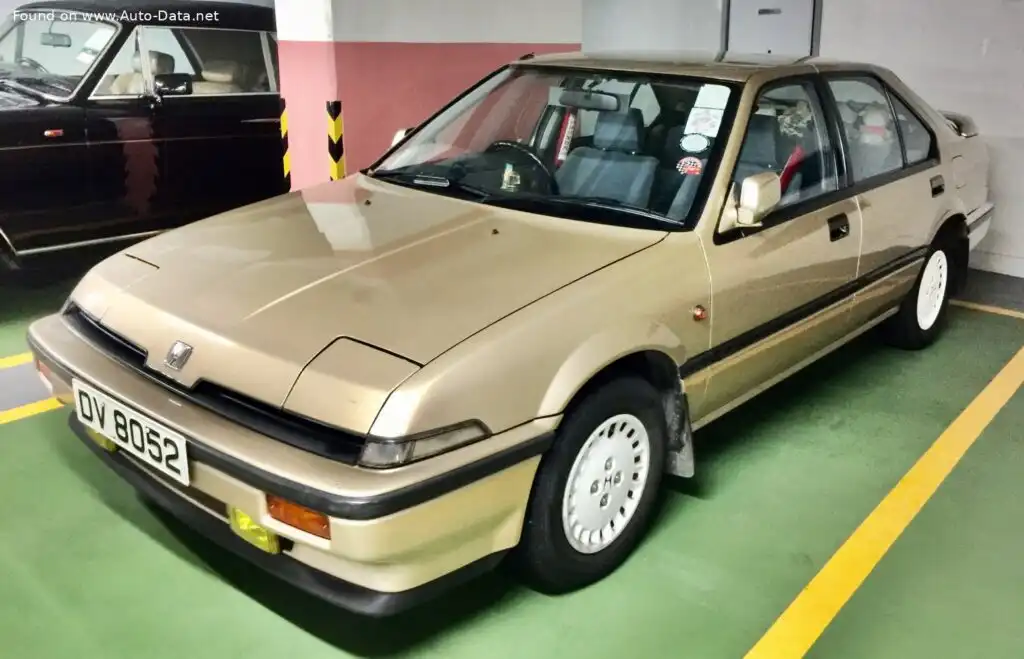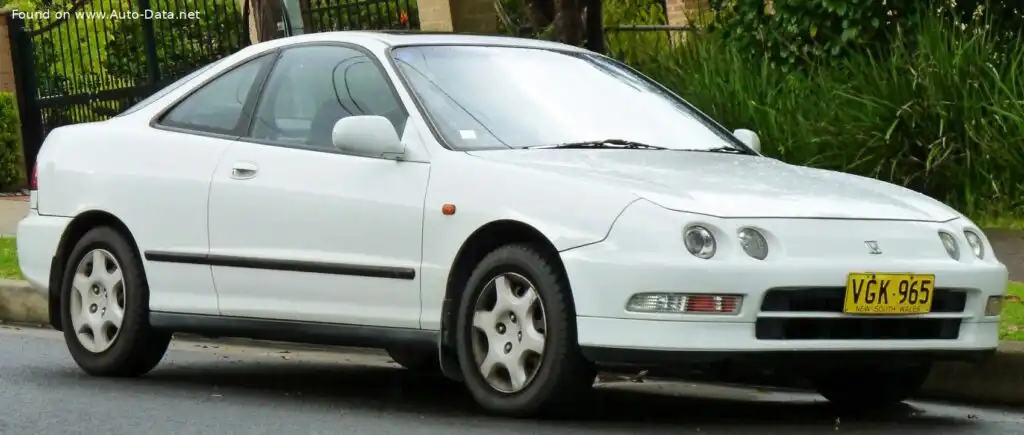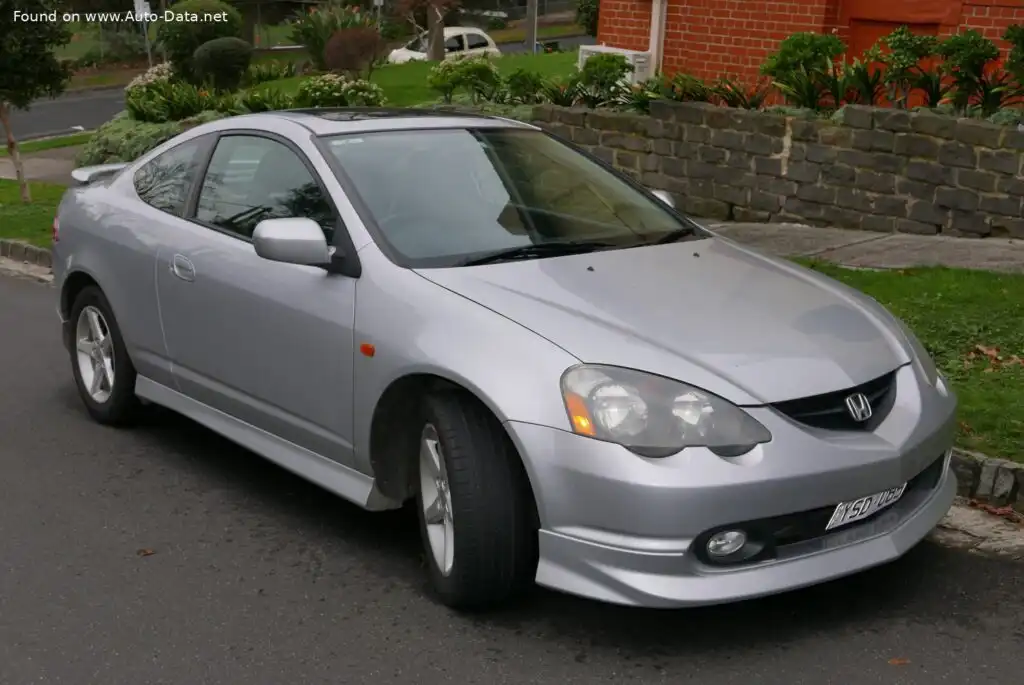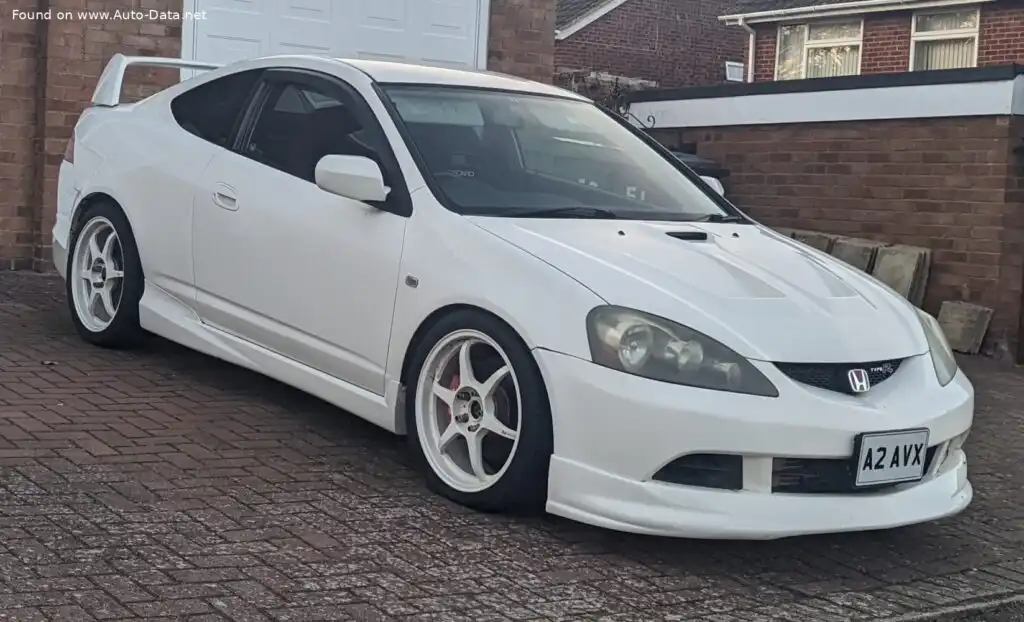
The Honda Integra Type R, specifically the DC5 facelift model produced from September 2004 to August 2006, represents a high-water mark in the Integra lineage. Positioned as a performance-focused variant within the broader Integra range, the DC5 aimed to deliver a pure driving experience. This particular iteration, equipped with the 2.0-liter K20A3 engine producing 160 horsepower, served as a more accessible entry point into the Integra performance world compared to the more potent Type R models. It was primarily sold in the Japanese domestic market (JDM), with limited grey market imports reaching North America and Europe.
Technical Specifications
| Brand | Honda |
| Model | Integra |
| Generation | Integra IV (DC5, facelift 2004) |
| Type (Engine) | 2.0 (160 Hp) |
| Start of production | September, 2004 |
| End of production | August, 2006 |
| Powertrain Architecture | Internal Combustion engine |
| Body type | Liftback |
| Seats | 4 |
| Doors | 3 |
| Fuel consumption (combined) | 7.6 l/100 km |
| Fuel consumption (US mpg) | 30.9 US mpg |
| Fuel consumption (UK mpg) | 37.2 UK mpg |
| Fuel consumption (km/l) | 13.2 km/l |
| Fuel Type | Petrol (Gasoline) |
| Weight-to-power ratio | 7.4 kg/Hp |
| Power | 160 Hp @ 6500 rpm |
| Power per litre | 80.1 Hp/l |
| Torque | 191 Nm @ 4000 rpm (140.87 lb.-ft. @ 4000 rpm) |
| Engine layout | Front, Transverse |
| Engine Model/Code | K20A3 |
| Engine displacement | 1998 cm3 (121.93 cu. in.) |
| Number of cylinders | 4 |
| Engine configuration | Inline |
| Cylinder Bore | 86 mm (3.39 in.) |
| Piston Stroke | 86 mm (3.39 in.) |
| Compression ratio | 9.8:1 |
| Number of valves per cylinder | 4 |
| Fuel injection system | Multi-port manifold injection |
| Engine aspiration | Naturally aspirated engine |
| Valvetrain | DOHC i-VTEC |
| Engine oil capacity | 4.2 l (4.44 US qt | 3.7 UK qt) |
| Coolant | 6.4 l (6.76 US qt | 5.63 UK qt) |
| Kerb Weight | 1180 kg (2601.45 lbs.) |
| Fuel tank capacity | 50 l (13.21 US gal | 11 UK gal) |
| Permitted trailer load with brakes (12%) | 450 kg (992.08 lbs.) |
| Permitted trailer load without brakes | 450 kg (992.08 lbs.) |
| Length | 4400 mm (173.23 in.) |
| Width | 1725 mm (67.91 in.) |
| Height | 1395 mm (54.92 in.) |
| Ride height (ground clearance) | 125 mm (4.92 in.) |
| Minimum turning circle | 11.6 m (38.06 ft.) |
| Drivetrain Architecture | Front wheel drive |
| Number of gears and type of gearbox | 5 gears, manual transmission |
| Front suspension | Independent, type McPherson with coil spring and anti-roll bar |
| Rear suspension | Double wishbone, Transverse stabilizer, Coil spring |
| Front brakes | Ventilated discs |
| Rear brakes | Disc |
| Assisting systems | ABS (Anti-lock braking system) |
| Steering type | Steering rack and pinion |
| Power steering | Hydraulic Steering |
| Tires size | 205/55 R16 |
| Wheel rims size | 6.5J x 16 |
Powertrain & Engine Architecture
The heart of the DC5 Integra 2.0 is the K20A3 engine, a 1998cc inline-four cylinder powerplant. This engine is part of Honda’s renowned K-series, known for its high-revving nature and robust construction. The K20A3 utilizes a naturally aspirated setup with multi-point fuel injection and a double overhead camshaft (DOHC) valvetrain featuring Honda’s Variable Valve Timing and Lift Electronic Control (VTEC) system. While sharing the basic architecture with the higher-output K20A and K20Z engines found in the Type R models, the K20A3 features a slightly less aggressive camshaft profile, lower compression ratio (9.8:1 vs. 11:1 in the Type R), and a different intake manifold design. These changes resulted in a broader, more accessible powerband, sacrificing some peak horsepower for improved mid-range torque. The engine is transversely mounted and paired exclusively with a five-speed manual transmission in this configuration. The transmission’s gear ratios were tuned for a balance between acceleration and fuel efficiency.
Driving Characteristics
The 160 hp and 191 Nm (140.87 lb-ft) of torque delivered by the K20A3, coupled with the relatively lightweight chassis (1180 kg or 2601.45 lbs), provided a spirited driving experience. While not as brutally fast as the Type R, the DC5 2.0 offered a responsive and engaging feel. The five-speed manual transmission allowed for precise gear changes, and the VTEC crossover was noticeable, providing an extra surge of power at higher RPMs. Compared to the Type R, the 2.0 model felt more forgiving and easier to drive daily, with a less peaky power delivery. The suspension, while firm, wasn’t as aggressively tuned as the Type R’s, resulting in a more comfortable ride.
Equipment & Trim Levels
The DC5 Integra 2.0 typically came equipped with standard features such as power windows, power locks, air conditioning, and a basic audio system. Interior upholstery was typically cloth, with a sporty design. Optional extras included alloy wheels, a sunroof, and upgraded audio systems. The dashboard layout was functional and driver-focused, with clear instrumentation. The trim level was generally considered a step above the base Integra models, offering a more comprehensive equipment list without the premium price tag of the Type R.
Chassis & Braking
The DC5 Integra utilized a McPherson strut front suspension and a double wishbone rear suspension, providing a good balance of handling and ride comfort. The front suspension incorporated a stabilizer bar to reduce body roll. Braking duties were handled by ventilated discs at the front and solid discs at the rear. Anti-lock Braking System (ABS) was standard. The chassis was relatively lightweight and rigid, contributing to the car’s nimble handling characteristics.
Market Reception & Comparison
The DC5 Integra 2.0 was generally well-received by automotive critics as a capable and enjoyable sports compact car. It was praised for its responsive engine, precise handling, and overall value. Compared to the Type R, the 2.0 model offered a more practical and affordable option for enthusiasts who wanted a sporty driving experience without the extreme performance and higher running costs. Fuel economy was respectable, averaging around 30.9 US mpg in combined driving. Reliability was generally good, typical of Honda products, although regular maintenance was essential to ensure longevity.
Legacy
The Honda Integra DC5, including the 2.0-liter variant, has become a sought-after vehicle in the used car market. Its combination of sporty handling, reliable engine, and relatively affordable price has made it a popular choice for enthusiasts and tuners. The K20A3 engine is known for its durability and potential for modification, with a thriving aftermarket support network. While not as iconic as the Type R, the DC5 2.0 remains a respected and enjoyable sports compact car that represents a significant chapter in Honda’s performance history. Finding well-maintained examples is becoming increasingly difficult, driving up prices for clean, original cars.