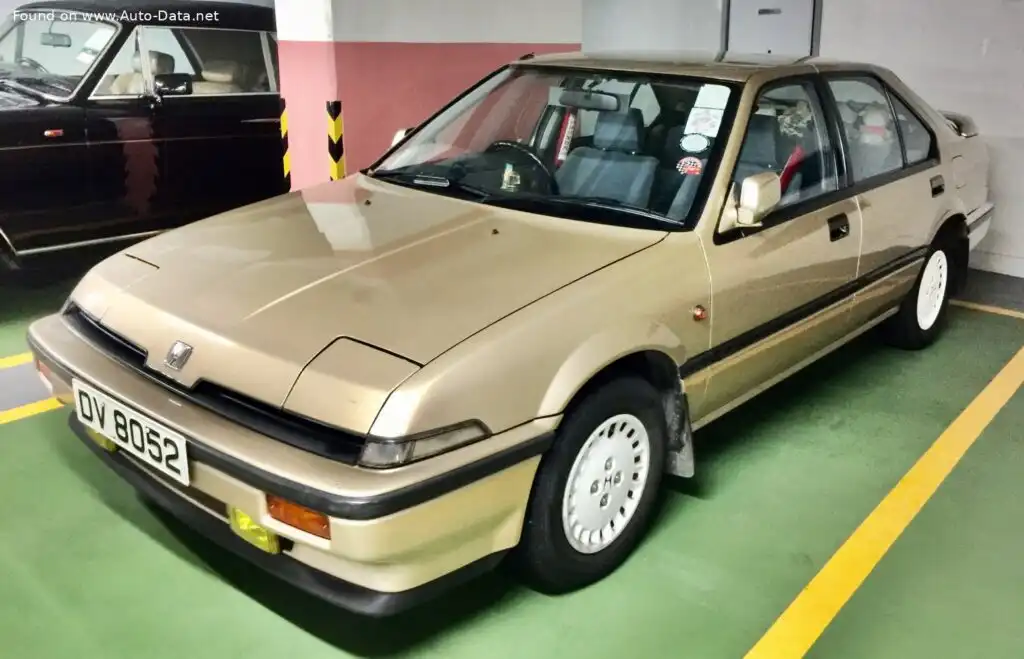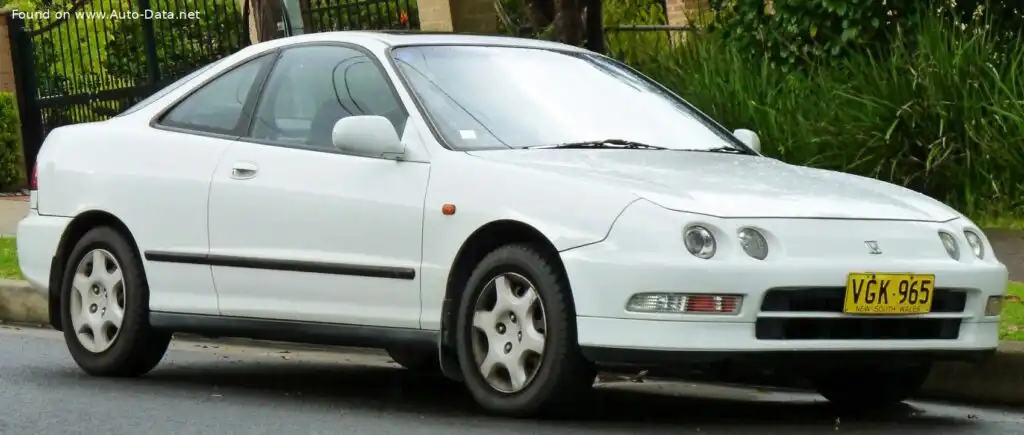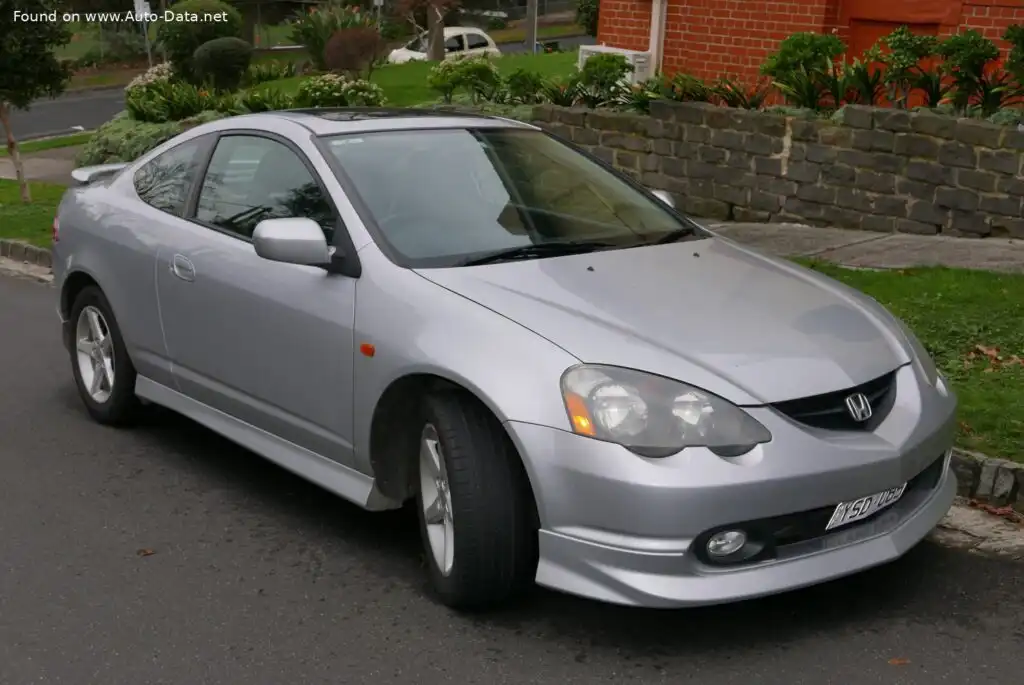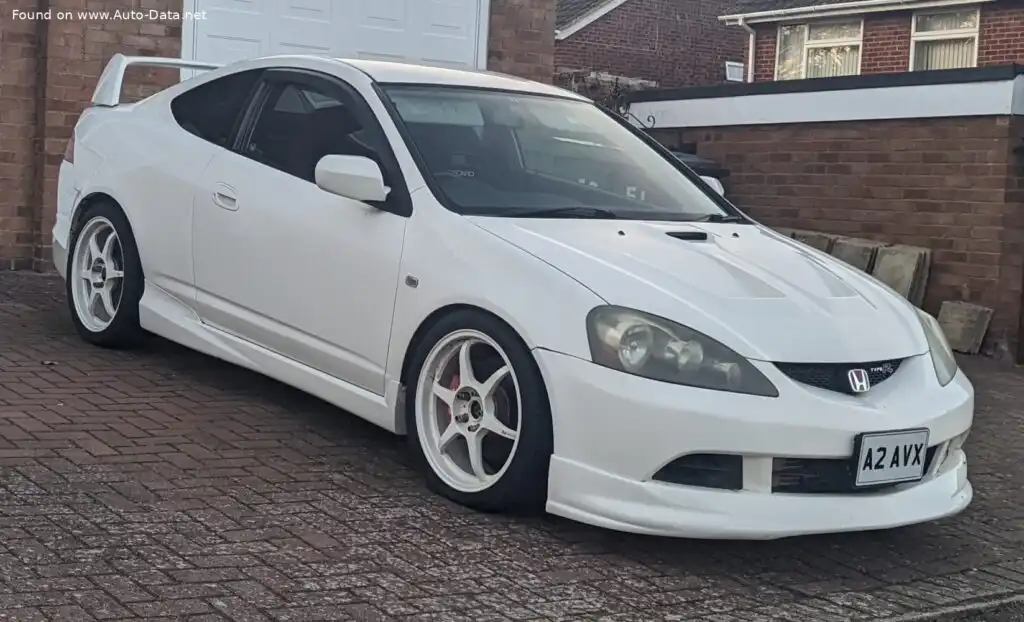
The Honda Integra Type S 2.0 (DC5 facelift, produced from September 2004 to August 2006) represents the pinnacle of the fourth-generation Integra, known internally as the DC5. This high-performance variant, exclusive to the Japanese domestic market (JDM) and select export markets, built upon the foundation of the DC5 platform – a significant departure from previous Integra generations with its shift to a three-door liftback configuration. The Type S 2.0 was designed to deliver a focused driving experience, emphasizing handling and a naturally aspirated high-revving engine. It served as Honda’s answer to competitors like the Subaru WRX and Mitsubishi Lancer Evolution, offering a more refined and technologically advanced alternative.
Technical Specifications
| Brand | Honda |
| Model | Integra |
| Generation | Integra IV (DC5, facelift 2004) |
| Type (Engine) | Type S 2.0 (209 Hp) |
| Start of production | September, 2004 |
| End of production | August, 2006 |
| Powertrain Architecture | Internal Combustion engine |
| Body type | Liftback |
| Seats | 4 |
| Doors | 3 |
| Fuel consumption (combined) | 9.4 l/100 km (25 US mpg, 30.1 UK mpg, 10.6 km/l) |
| Fuel Type | Petrol (Gasoline) |
| Weight-to-power ratio | 5.9 kg/Hp, 169.9 Hp/tonne |
| Weight-to-torque ratio | 6.3 kg/Nm, 157.7 Nm/tonne |
| Power | 209 Hp @ 7800 rpm |
| Power per litre | 104.6 Hp/l |
| Torque | 194 Nm @ 7000 rpm (143.09 lb.-ft. @ 7000 rpm) |
| Engine layout | Front, Transverse |
| Engine Model/Code | K20Z1 |
| Engine displacement | 1998 cm3 (121.93 cu. in.) |
| Number of cylinders | 4 |
| Engine configuration | Inline |
| Cylinder Bore | 86 mm (3.39 in.) |
| Piston Stroke | 86 mm (3.39 in.) |
| Compression ratio | 11:1 |
| Number of valves per cylinder | 4 |
| Fuel injection system | Multi-port manifold injection |
| Engine aspiration | Naturally aspirated engine |
| Valvetrain | DOHC i-VTEC |
| Engine oil capacity | 4.7 l (4.97 US qt | 4.14 UK qt) |
| Coolant | 6.4 l (6.76 US qt | 5.63 UK qt) |
| Kerb Weight | 1230 kg (2711.69 lbs.) |
| Fuel tank capacity | 50 l (13.21 US gal | 11 UK gal) |
| Permitted trailer load with brakes (12%) | 450 kg (992.08 lbs.) |
| Permitted trailer load without brakes | 450 kg (992.08 lbs.) |
| Length | 4400 mm (173.23 in.) |
| Width | 1725 mm (67.91 in.) |
| Height | 1395 mm (54.92 in.) |
| Ride height (ground clearance) | 118 mm (4.65 in.) |
| Minimum turning circle (turning diameter) | 11.6 m (38.06 ft.) |
| Drivetrain Architecture | The Internal combustion engine (ICE) drives the front wheels of the vehicle. |
| Drive wheel | Front wheel drive |
| Number of gears and type of gearbox | 6 gears, manual transmission |
| Front suspension | Independent, type McPherson with coil spring and anti-roll bar |
| Rear suspension | Double wishbone, Transverse stabilizer, Coil spring |
| Front brakes | Ventilated discs |
| Rear brakes | Disc |
| Assisting systems | ABS (Anti-lock braking system) |
| Steering type | Steering rack and pinion |
| Power steering | Hydraulic Steering |
| Tires size | 215/45 R17 |
| Wheel rims size | 7J x 17 |
Powertrain & Engine Architecture
The heart of the Integra Type S 2.0 is the K20Z1 engine, a 2.0-liter inline-four cylinder powerplant. This engine is a derivative of the K20A found in the Acura RSX Type-S, but with specific tuning for the Japanese market. The K20Z1 boasts a high compression ratio of 11:1 and utilizes Honda’s i-VTEC (intelligent Variable Timing and Lift Electronic Control) system, which allows for variable valve timing and lift, optimizing performance across the rev range. Fuel delivery is managed by a multi-point fuel injection system. The engine’s design prioritizes high-revving capability and responsiveness. The sole transmission option was a close-ratio six-speed manual gearbox, designed to maximize the engine’s potential and provide a direct connection to the driver. This transmission featured shorter gear ratios compared to the standard Integra, contributing to quicker acceleration.
Driving Characteristics
The Integra Type S 2.0 delivers a distinctly sporty driving experience. The combination of the high-revving K20Z1 engine and the close-ratio six-speed manual transmission results in brisk acceleration and engaging performance. While not possessing the low-end torque of turbocharged competitors, the K20Z1 rewards drivers who utilize the engine’s upper RPM range. The chassis is well-balanced, offering precise steering and minimal body roll. Compared to the standard Integra models, the Type S benefits from a stiffer chassis and revised suspension tuning, enhancing handling and stability. The gear ratios are optimized for track use and spirited driving, making it feel noticeably quicker than lower-spec models.
Equipment & Trim Levels
The Integra Type S 2.0 was generally well-equipped, though focused on performance rather than luxury. Standard features included sport seats with enhanced bolstering, a leather-wrapped steering wheel, and aluminum pedal covers. The interior trim was typically finished in black with red stitching, providing a sporty aesthetic. Optional extras included a premium audio system, navigation system, and various cosmetic enhancements. The facelifted model (2004-2006) received minor interior updates, including revised dashboard trim and improved seat materials.
Chassis & Braking
The DC5 Integra Type S featured a fully independent suspension system. The front utilized a McPherson strut setup with coil springs and an anti-roll bar, while the rear employed a double-wishbone configuration with coil springs and a transverse stabilizer. This suspension setup was tuned for optimal handling and responsiveness. Braking duties were handled by ventilated disc brakes at all four corners, providing ample stopping power. An Anti-lock Braking System (ABS) was standard. The chassis was reinforced compared to the standard Integra, improving rigidity and contributing to better handling characteristics.
Market Reception & Comparison
The Integra Type S 2.0 was widely praised by automotive journalists for its engaging driving dynamics and high-revving engine. Critics noted its superior handling and responsiveness compared to other front-wheel-drive cars in its class. However, some reviewers pointed out the lack of low-end torque and the relatively firm ride. Compared to the standard Integra models, the Type S offered a significantly more focused and rewarding driving experience, but at the expense of some comfort. It was often compared to the Acura RSX Type-S, with the Integra version being favored by some for its slightly more raw and direct feel.
Legacy
The Honda Integra Type S 2.0 (DC5) has become a sought-after vehicle among enthusiasts. The K20Z1 engine is renowned for its reliability and tunability, making it a popular choice for modifications. Well-maintained examples command a premium in the used car market. The DC5 Integra Type S represents a high point in Honda’s front-wheel-drive performance car lineage, and its legacy continues to inspire enthusiasts today. Its robust engine and chassis, combined with its engaging driving dynamics, ensure its continued appeal for years to come.