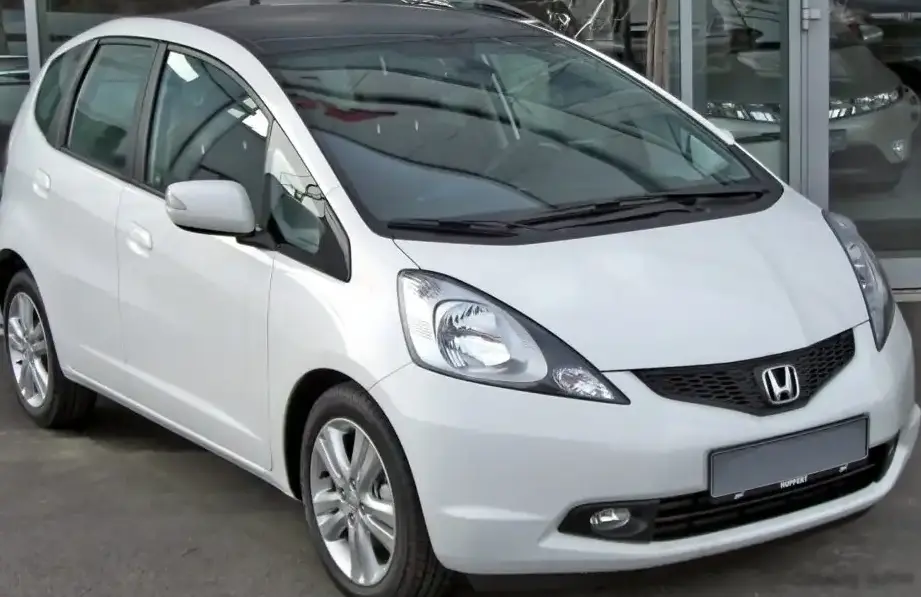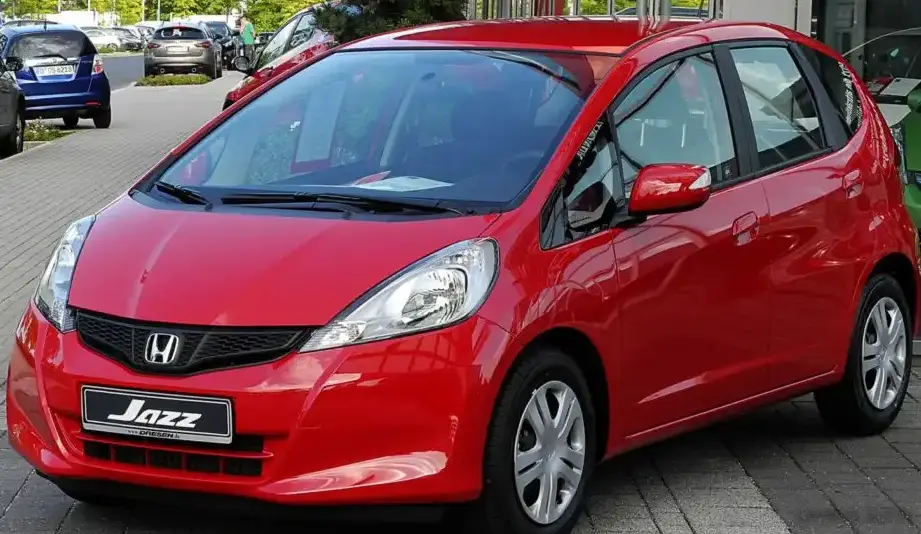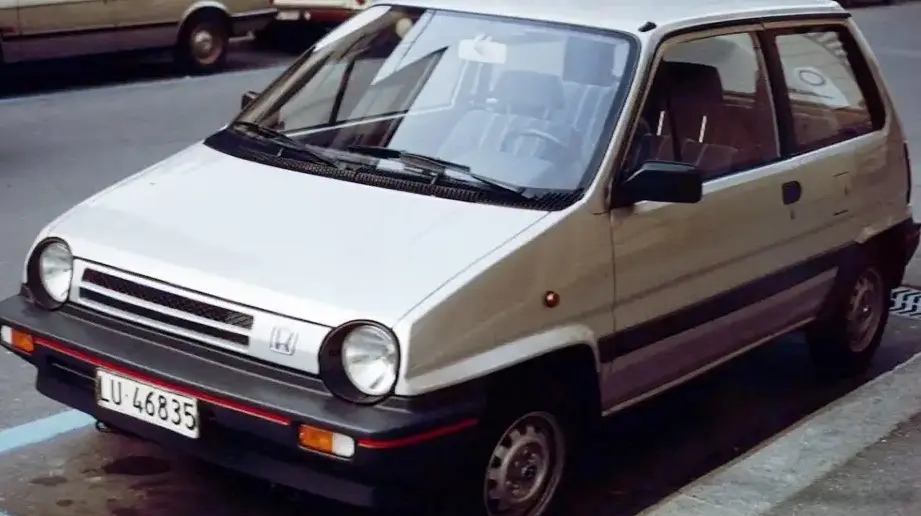
The Honda Jazz (AA), produced between 1984 and 1986, represents the first generation of Honda’s globally successful subcompact hatchback. While known as the Jazz in many markets, it was sold as the Honda Fit in Japan. This initial iteration of the Jazz was a pivotal model for Honda, designed to offer affordable and practical transportation in a rapidly changing automotive landscape. The 1.2-liter, 54 horsepower variant occupied the entry-level position in the Jazz lineup, targeting budget-conscious buyers and those prioritizing fuel efficiency over outright performance. It laid the foundation for the subsequent generations of the Jazz, which would become renowned for their innovative space utilization and reliability.
Technical Specifications
| Brand | Honda |
| Model | Jazz |
| Generation | Jazz (AA) |
| Type (Engine) | 1.2 (54 Hp) |
| Start of production | 1984 |
| End of production | 1986 |
| Powertrain Architecture | Internal Combustion Engine |
| Body Type | Hatchback |
| Fuel Type | Petrol (Gasoline) |
| Power | 54 Hp |
| Engine Aspiration | Naturally Aspirated |
Powertrain & Engine Architecture
The heart of the Jazz (AA) 1.2 was the Honda D12A engine, a 1.2-liter (1198cc) inline-four cylinder gasoline engine. This engine was a naturally aspirated unit, meaning it did not employ a turbocharger or supercharger. It featured a single overhead camshaft (SOHC) valvetrain, operating with two valves per cylinder. The D12A utilized a carburetor for fuel delivery, a common practice for vehicles of this era and price point. While not particularly powerful, the D12A was known for its reliability and relatively smooth operation. The engine’s modest output of 54 horsepower at approximately 6,000 rpm and 73 lb-ft of torque at 4,000 rpm was geared towards maximizing fuel economy rather than providing spirited acceleration.
The transmission paired with the 1.2-liter engine was typically a four-speed automatic. This automatic transmission was a conventional hydraulic unit, offering smooth but not particularly quick shifts. The gear ratios were optimized for low-speed drivability and fuel efficiency, prioritizing ease of use over performance. Manual transmission options were available in other Jazz variants, but the automatic was a popular choice for buyers seeking convenience, particularly in urban environments.
Driving Characteristics
The driving experience in the Jazz (AA) 1.2 with the automatic transmission was characterized by its ease of use and predictable behavior. Acceleration was modest, with 0-60 mph times estimated to be around 14-16 seconds. The car felt most comfortable at lower speeds, making it well-suited for city driving and short commutes. The automatic transmission contributed to a relaxed driving experience, eliminating the need for constant gear changes. However, overtaking maneuvers required careful planning, as the engine lacked the power to provide quick bursts of acceleration. Compared to the slightly more powerful 1.3 and 1.5-liter variants of the Jazz, the 1.2 felt noticeably slower, especially when fully loaded with passengers or cargo. The gear ratios in the automatic transmission were spaced to prioritize fuel economy, which meant the engine often operated at higher RPMs during highway cruising, resulting in a somewhat noisy experience.
Equipment & Trim Levels
The Jazz (AA) 1.2, as the entry-level model, was equipped with a relatively basic set of features. Standard equipment typically included cloth upholstery, a simple dashboard layout with analog gauges, and manual windows and door locks. Air conditioning was often an optional extra, as were features like a radio and upgraded interior trim. The interior design prioritized functionality and durability over luxury. The seats were designed for comfort during shorter journeys, and the dashboard layout was straightforward and easy to use. The overall aesthetic was typical of Japanese cars of the 1980s – functional, clean, and understated. The trim level for the 1.2 was generally the base model, with limited opportunities for customization or upgrades.
Chassis & Braking
The Jazz (AA) featured a front-engine, front-wheel-drive layout. The suspension consisted of MacPherson struts at the front and a torsion beam axle at the rear. This suspension setup provided a comfortable ride quality, absorbing bumps and imperfections in the road surface effectively. However, it wasn’t designed for sporty handling, and the car exhibited noticeable body roll during cornering. The braking system consisted of front disc brakes and rear drum brakes. While adequate for everyday driving, the braking performance wasn’t particularly strong, especially in emergency situations. The car lacked features like anti-lock brakes (ABS), which were not common on vehicles in this price range during the 1980s. The chassis was relatively lightweight, contributing to the car’s fuel efficiency and maneuverability.
Market Reception & Comparison
The Honda Jazz (AA) 1.2 was generally well-received by critics and consumers alike, particularly for its affordability, fuel efficiency, and reliability. It was seen as a practical and sensible choice for first-time car buyers and those seeking a small, economical vehicle for urban commuting. Compared to other subcompact hatchbacks of the era, such as the Toyota Starlet and the Nissan Micra, the Jazz offered a good balance of features and performance. However, its modest power output and basic interior were often cited as drawbacks. The 1.3 and 1.5-liter Jazz variants offered significantly more performance, but at a higher price point. Fuel economy was a key selling point for the 1.2, with figures typically ranging from 45-50 mpg. Reliability was also a major strength, with the Honda D12A engine proving to be remarkably durable.
Legacy
The Honda Jazz (AA) 1.2, while not the most powerful or luxurious vehicle of its time, played a significant role in establishing the Jazz as a popular and respected subcompact hatchback. The D12A engine proved to be a reliable and long-lasting powerplant, and many examples of the Jazz (AA) 1.2 remain on the road today. In the used car market, these early Jazz models are often sought after by enthusiasts and collectors, particularly those looking for a classic Japanese car with a reputation for dependability. The success of the first-generation Jazz paved the way for subsequent generations, which have continued to build on its strengths – practicality, fuel efficiency, and reliability – making the Jazz a global automotive success story. The 1.2 variant, though the entry-level trim, represents a crucial starting point in the Jazz lineage, embodying the core values that have defined the model for decades.