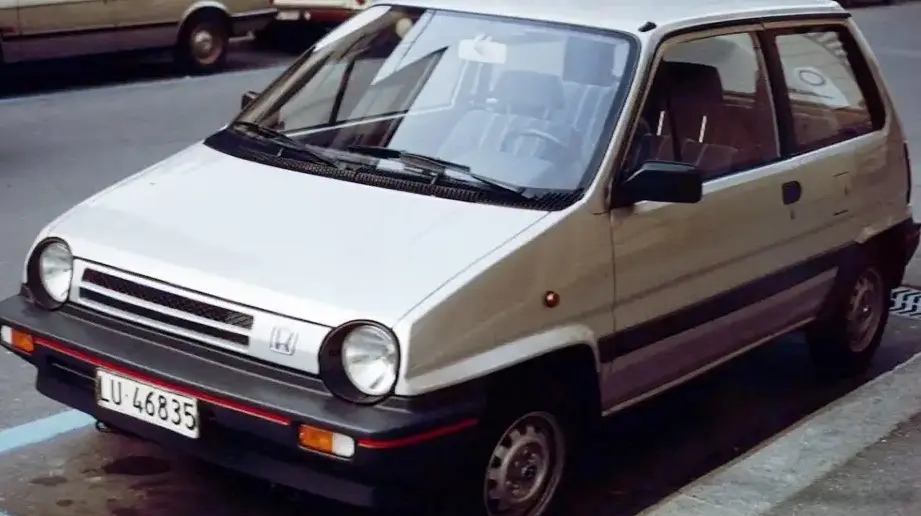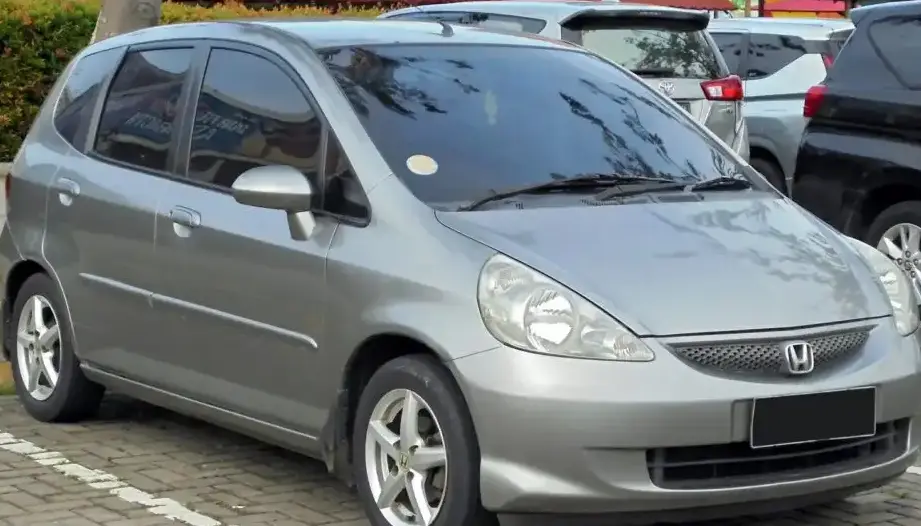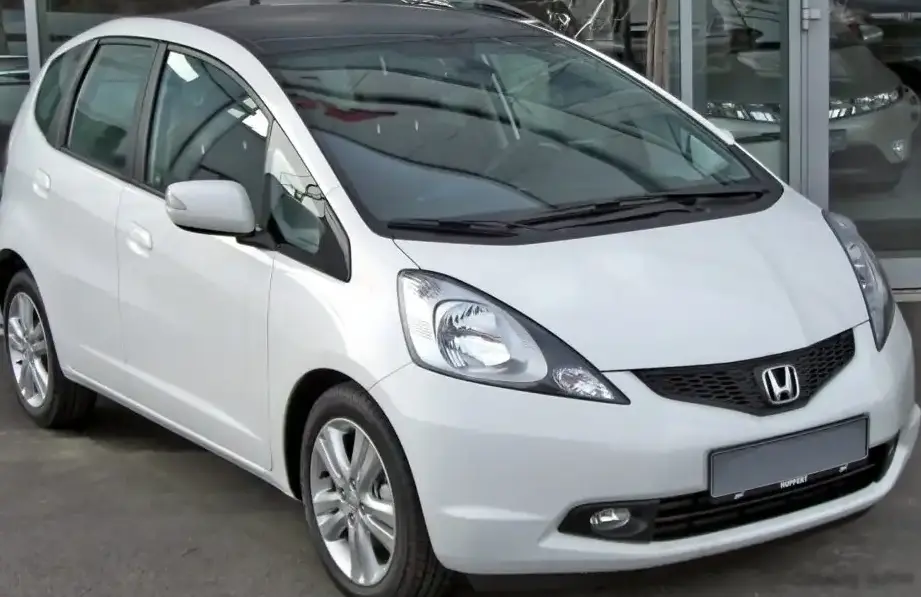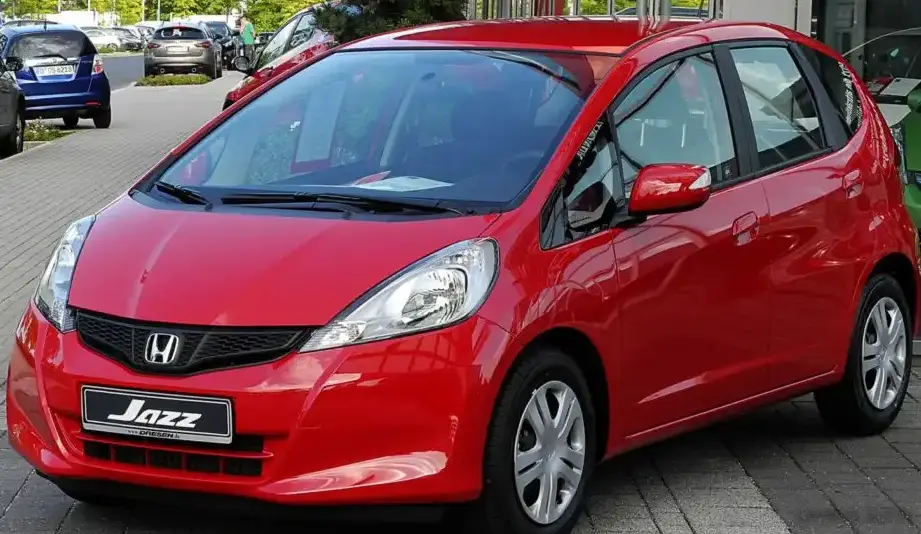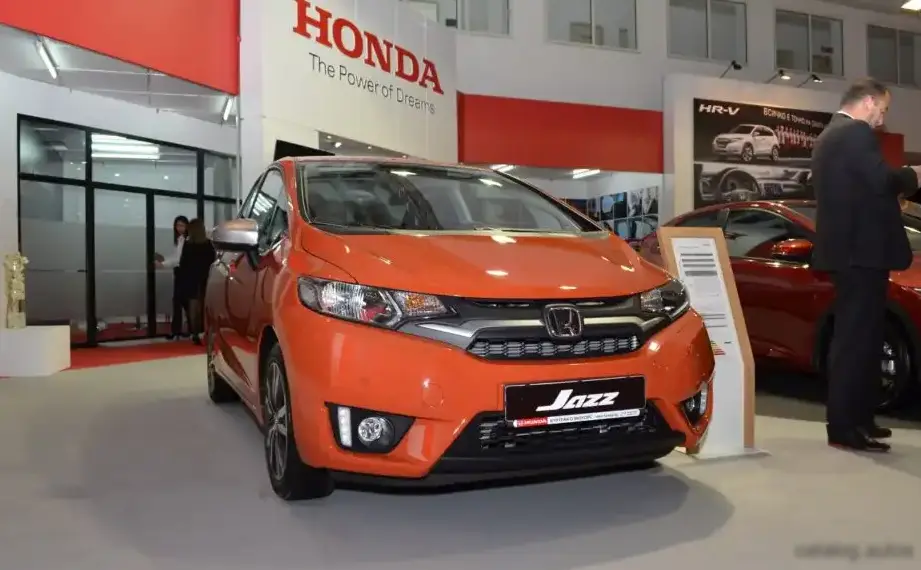
The Honda Jazz III 1.3 i-VTEC (102 hp) was a front-wheel-drive hatchback produced between 2015 and 2017. It represented an entry-level offering within the third generation (2014-2020) of the Honda Jazz, known as the Fit in North American markets. This variant was primarily aimed at buyers prioritizing fuel efficiency and practicality over outright performance, making it a popular choice in European and Asian markets where smaller, economical cars are highly valued. The Jazz III, built on the versatile Honda B platform, continued the model’s reputation for maximizing interior space within a compact footprint.
Technical Specifications
| Brand | Honda |
| Model | Jazz |
| Generation | Jazz III |
| Type (Engine) | 1.3 i-VTEC (102 Hp) |
| Start of production | 2015 |
| End of production | 2017 |
| Powertrain Architecture | Internal Combustion engine |
| Body type | Hatchback |
| Seats | 5 |
| Doors | 5 |
| Fuel consumption (urban) | 6.1 l/100 km (38.6 US mpg, 46.3 UK mpg, 16.4 km/l) |
| Fuel consumption (extra urban) | 4.3 l/100 km (54.7 US mpg, 65.7 UK mpg, 23.3 km/l) |
| Fuel consumption (combined) | 5 l/100 km (47 US mpg, 56.5 UK mpg, 20 km/l) |
| CO2 emissions | 116 g/km |
| Fuel Type | Petrol (Gasoline) |
| Acceleration 0 – 100 km/h | 11.2 sec |
| Acceleration 0 – 62 mph | 11.2 sec |
| Acceleration 0 – 60 mph | 10.6 sec |
| Maximum speed | 190 km/h (118.06 mph) |
| Emission standard | Euro 6 |
| Weight-to-power ratio | 11.2 kg/Hp, 89.6 Hp/tonne |
| Weight-to-torque ratio | 9.3 kg/Nm, 108.1 Nm/tonne |
| Power | 102 Hp @ 6000 rpm |
| Power per litre | 77.4 Hp/l |
| Torque | 123 Nm @ 5000 rpm (90.72 lb.-ft. @ 5000 rpm) |
| Engine layout | Front, Transverse |
| Engine Model/Code | L13B, L13B2 |
| Engine displacement | 1318 cm3 (80.43 cu. in.) |
| Number of cylinders | 4 |
| Engine configuration | Inline |
| Cylinder Bore | 73 mm (2.87 in.) |
| Piston Stroke | 78.7 mm (3.1 in.) |
| Compression ratio | 13.5:1 |
| Number of valves per cylinder | 4 |
| Fuel injection system | Multi-port manifold injection |
| Engine aspiration | Naturally aspirated engine |
| Valvetrain | DOHC |
| Engine oil capacity | 3.6 l (3.8 US qt | 3.17 UK qt) |
| Coolant | 3.35 l (3.54 US qt | 2.95 UK qt) |
| Kerb Weight | 1138 kg (2508.86 lbs.) |
| Max. weight | 1605 kg (3538.42 lbs.) |
| Max load | 467 kg (1029.56 lbs.) |
| Trunk (boot) space – minimum | 354 l (12.5 cu. ft.) |
| Trunk (boot) space – maximum | 1314 l (46.4 cu. ft.) |
| Fuel tank capacity | 40 l (10.57 US gal | 8.8 UK gal) |
| Max. roof load | 35 kg (77.16 lbs.) |
| Permitted trailer load with brakes (12%) | 1000 kg (2204.62 lbs.) |
| Permitted trailer load without brakes | 450 kg (992.08 lbs.) |
| Permitted towbar download | 95 kg (209.44 lbs.) |
| Length | 3995 mm (157.28 in.) |
| Width | 1694 mm (66.69 in.) |
| Width including mirrors | 1980 mm (77.95 in.) |
| Height | 1525 mm (60.04 in.) |
| Wheelbase | 2530 mm (99.61 in.) |
| Front track | 1483 mm (58.39 in.) |
| Rear (Back) track | 1472 mm (57.95 in.) |
| Ride height (ground clearance) | 110 mm (4.33 in.) |
| Minimum turning circle (turning diameter) | 10.8 m (35.43 ft.) |
| Drivetrain Architecture | The Internal combustion engine (ICE) drives the front wheels of the vehicle. |
| Drive wheel | Front wheel drive |
| Number of gears and type of gearbox | 6 gears, manual transmission |
| Front suspension | Independent type McPherson |
| Rear suspension | Semi-independent, coil spring |
| Front brakes | Ventilated discs |
| Rear brakes | Disc |
| Assisting systems | ABS (Anti-lock braking system) |
| Steering type | Steering rack and pinion |
| Tires size | 185/60 R15 84H |
| Wheel rims size | 6J x 15 |
Powertrain & Engine Architecture
The heart of the Jazz III 1.3 i-VTEC was the L13B engine, a 1.3-liter inline-four cylinder gasoline engine. This engine, part of Honda’s Earth Dreams Technology series, was designed for high efficiency and low emissions. The ‘i-VTEC’ system (intelligent Variable Valve Timing and Lift Electronic Control) allowed for variable valve timing and lift, optimizing engine performance across a wider range of engine speeds. The L13B utilized multi-point fuel injection and a compression ratio of 13.5:1, contributing to its fuel economy. The engine was transversely mounted in the front of the vehicle. The 102 hp was delivered at 6000 rpm, with a torque output of 123 Nm (90.72 lb-ft) at 5000 rpm. This particular variant was typically paired with a continuously variable transmission (CVT) in many markets, though a six-speed manual transmission was also available. The CVT prioritized fuel efficiency and smooth acceleration, while the manual offered more driver engagement.
Driving Characteristics
The 1.3 i-VTEC with the CVT offered a comfortable and economical driving experience. Acceleration was adequate for city driving and highway merging, with a 0-60 mph time of around 10.6 seconds. However, it wasn’t designed for spirited performance. The CVT, while smooth, could sometimes feel sluggish during hard acceleration, exhibiting the “rubber band” effect common to these transmissions. The manual transmission version provided a more direct feel and allowed for better control, but required more driver involvement. The Jazz III’s light weight (1138 kg / 2508.86 lbs) helped to mitigate the relatively modest power output. Steering was light and precise, making it easy to maneuver in urban environments. The suspension was tuned for comfort, absorbing bumps and imperfections in the road well.
Equipment & Trim Levels
The 1.3 i-VTEC typically served as the entry-level trim for the Jazz III. Standard equipment generally included air conditioning, power windows, power mirrors, a basic audio system with USB connectivity, and ABS brakes. Higher trim levels, such as the 1.5 i-VTEC variants, added features like alloy wheels, a touchscreen infotainment system, a rearview camera, and advanced safety features like Honda Sensing (including adaptive cruise control and lane departure warning). Interior upholstery was typically cloth, with a functional and durable design. Optional extras included navigation systems, upgraded audio systems, and parking sensors.
Chassis & Braking
The Jazz III utilized a McPherson strut front suspension and a semi-independent torsion beam rear suspension. This setup provided a good balance between ride comfort and handling. The front brakes were ventilated discs, while the rear brakes were solid discs. ABS (Anti-lock Braking System) was standard. The relatively lightweight construction of the vehicle contributed to its nimble handling characteristics. The steering employed a rack and pinion system for precise control.
Market Reception & Comparison
The Honda Jazz III 1.3 i-VTEC was well-received by critics for its fuel efficiency, practicality, and spacious interior. It was often praised as an ideal city car. However, some reviewers noted its lack of outright performance compared to higher-powered variants or competitors. Compared to the 1.5 i-VTEC models, the 1.3 offered significantly lower running costs but sacrificed acceleration and overall driving enjoyment. The 1.5L models were aimed at drivers who wanted a bit more power and were willing to accept a slight decrease in fuel economy. The 1.3 i-VTEC’s fuel economy of around 5 l/100 km (47 US mpg) was a key selling point, making it a competitive option in the subcompact hatchback segment.
Legacy
The L13B engine, while not known for being particularly exciting, proved to be a reliable and durable powerplant. The Jazz III 1.3 i-VTEC continues to be a popular choice in the used car market, particularly for buyers seeking an economical and practical vehicle. The CVT transmission, while generally reliable, may require more diligent maintenance than a traditional automatic transmission. Overall, the Jazz III 1.3 i-VTEC remains a well-regarded and dependable vehicle, known for its fuel efficiency, spaciousness, and Honda’s reputation for build quality.