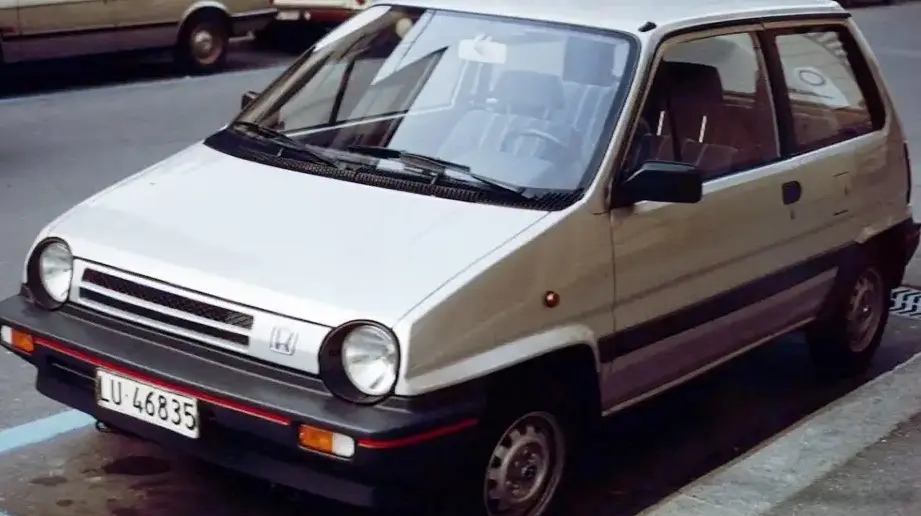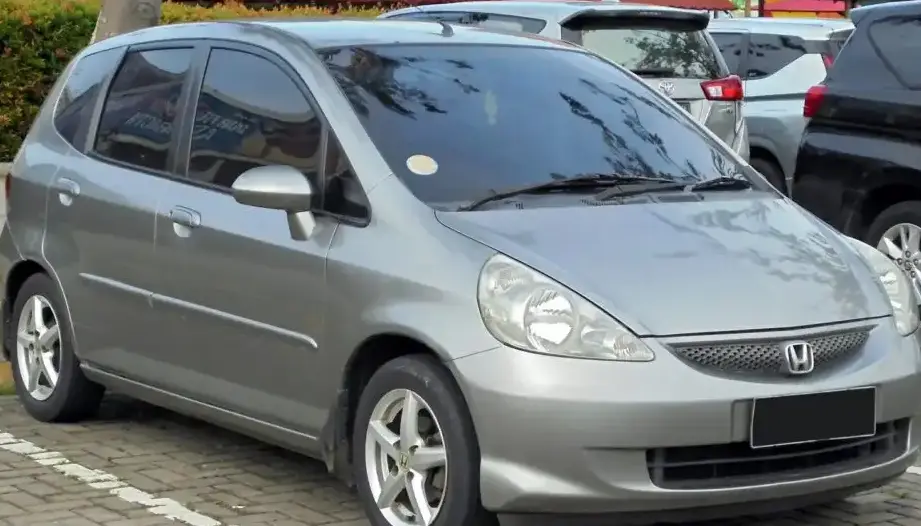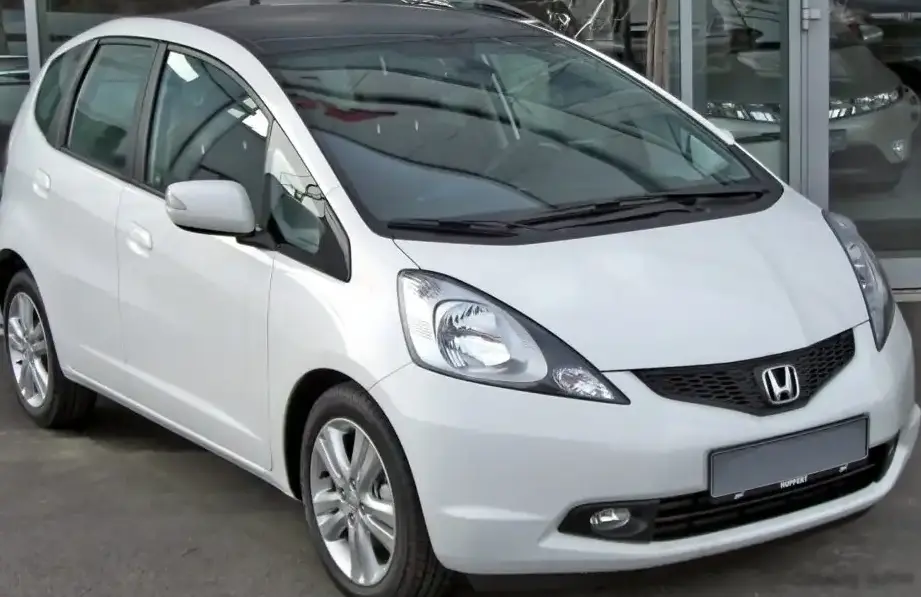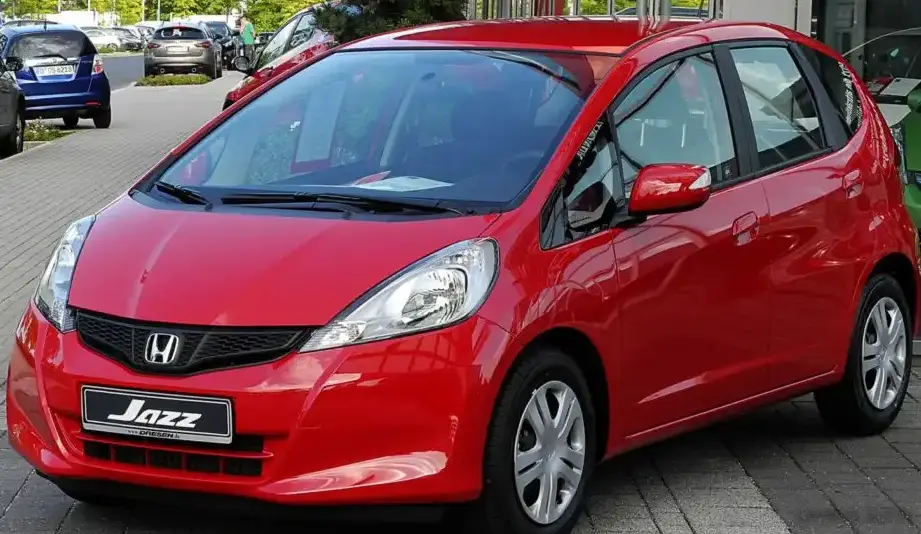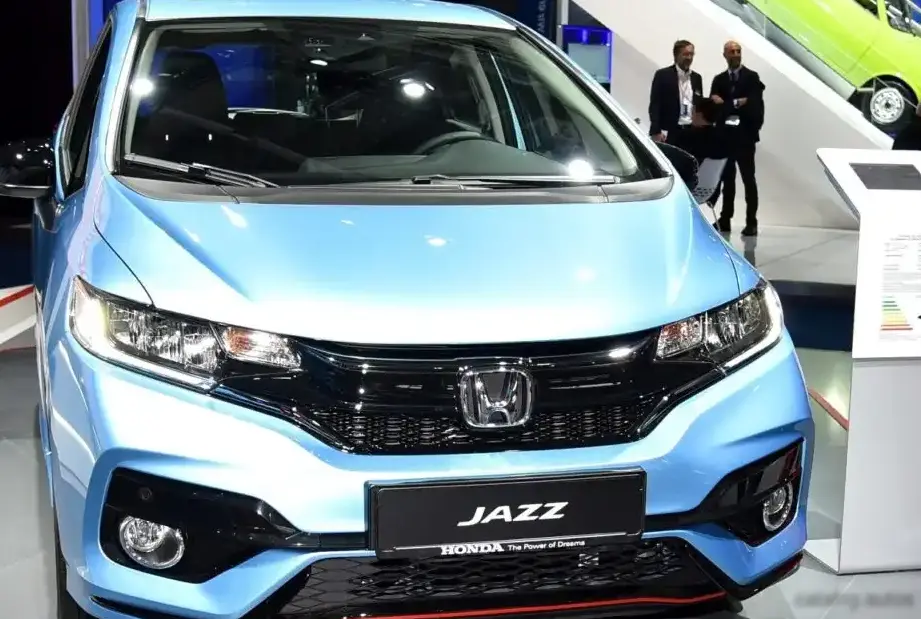
The Honda Jazz III (facelift, 2017) 1.5 i-DTEC (100 hp) represents a significant iteration within the third generation of Honda’s globally successful subcompact hatchback. Introduced in 2018 and continuing through 2020, this variant was primarily aimed at the European market, where fuel efficiency and low running costs were highly valued. It occupied a mid-range position within the Jazz III lineup, offering a balance between economy and practicality. The facelift brought subtle styling revisions and improvements to interior refinement, building upon the already well-regarded foundation of the third-generation Jazz, known internally as the GE platform.
Technical Specifications
| Brand | Honda |
| Model | Jazz |
| Generation | Jazz III (facelift 2017) |
| Type (Engine) | 1.5 i-DTEC (100 Hp) |
| Start of production | 2018 |
| End of production | 2020 |
| Powertrain Architecture | Internal Combustion engine |
| Body type | Hatchback |
| Seats | 5 |
| Doors | 5 |
| Fuel consumption (combined) | 3.6 l/100 km (65.3 US mpg, 78.5 UK mpg, 27.8 km/l) |
| Fuel Type | Diesel |
| Weight-to-power ratio | 11.6 kg/Hp, 86.6 Hp/tonne |
| Weight-to-torque ratio | 5.8 kg/Nm, 173.2 Nm/tonne |
| Power | 100 Hp @ 3600 rpm |
| Power per litre | 66.8 Hp/l |
| Torque | 200 Nm @ 1750 rpm (147.51 lb.-ft. @ 1750 rpm) |
| Engine layout | Front, Transverse |
| Engine Model/Code | N15A1 |
| Engine displacement | 1498 cm3 (91.41 cu. in.) |
| Number of cylinders | 4 |
| Engine configuration | Inline |
| Number of valves per cylinder | 4 |
| Fuel injection system | Diesel Commonrail |
| Engine aspiration | Turbocharger, Intercooler |
| Valvetrain | DOHC |
| Kerb Weight | 1155 kg (2546.34 lbs.) |
| Trunk (boot) space – minimum | 354 l (12.5 cu. ft.) |
| Trunk (boot) space – maximum | 1314 l (46.4 cu. ft.) |
| Fuel tank capacity | 40 l (10.57 US gal | 8.8 UK gal) |
| Max. roof load | 35 kg (77.16 lbs.) |
| Permitted towbar download | 95 kg (209.44 lbs.) |
| Length | 3955 mm (155.71 in.) |
| Width | 1694 mm (66.69 in.) |
| Height | 1544 mm (60.79 in.) |
| Wheelbase | 2530 mm (99.61 in.) |
| Minimum turning circle | 10.2 m (33.46 ft.) |
| Drivetrain Architecture | Front wheel drive, Internal Combustion engine (ICE) |
| Number of gears and type of gearbox | 6 gears, manual transmission |
| Front suspension | Independent type McPherson |
| Rear suspension | Semi-independent, coil spring |
| Front brakes | Ventilated discs |
| Rear brakes | Drum |
| Assisting systems | ABS (Anti-lock braking system) |
| Steering type | Steering rack and pinion |
| Power steering | Electric Steering |
| Tires size | 175/70 R14; 175/65 R15 |
| Wheel rims size | 14; 15 |
Powertrain & Engine Architecture
The heart of the Jazz III 1.5 i-DTEC is the N15A1 engine, a 1.5-liter inline-four cylinder diesel. This engine is a member of Honda’s Earth Dreams Technology series, designed for high efficiency and reduced emissions. It features a turbocharger with an intercooler to boost power output, and a common-rail direct injection system for precise fuel delivery. The engine utilizes a double overhead camshaft (DOHC) valvetrain with four valves per cylinder, optimizing airflow for improved performance. The 100 hp output is achieved at 3600 rpm, while peak torque of 200 Nm (147.51 lb-ft) is available from just 1750 rpm, providing strong low-end pulling power. This engine was paired exclusively with a six-speed manual transmission in most markets, prioritizing fuel economy over outright performance. The transmission’s gear ratios were tuned to maximize efficiency and keep the engine operating within its optimal torque band.
Driving Characteristics
The 1.5 i-DTEC with the manual transmission delivers a practical and economical driving experience. While not particularly sporty, the engine provides sufficient power for everyday driving situations. The strong low-end torque makes it easy to navigate city streets and maintain comfortable cruising speeds on the highway. The six-speed gearbox allows for precise gear selection and helps to keep the engine in its sweet spot. Compared to the 1.3-liter petrol engine offered in some markets, the 1.5 i-DTEC provides significantly more torque and better fuel economy. However, it lacks the responsiveness and higher revving nature of the petrol engine. Against higher-powered Jazz variants, the 1.5 i-DTEC offers a more relaxed and fuel-conscious driving experience, sacrificing some performance for efficiency.
Equipment & Trim Levels
The 1.5 i-DTEC trim typically included standard features such as air conditioning, power windows, central locking, and a basic audio system. Higher trim levels, often denoted by designations like ‘SE’ or ‘EX’, added features like alloy wheels, a touchscreen infotainment system with Bluetooth connectivity, a reversing camera, and climate control. Interior upholstery was generally cloth, with higher trims offering upgraded fabric or partial leather options. Safety features included ABS, airbags, and stability control. Optional extras could include parking sensors, navigation systems, and premium audio upgrades.
Chassis & Braking
The Jazz III utilizes a front-wheel-drive layout with an independent McPherson strut suspension at the front and a semi-independent torsion beam suspension at the rear. This setup provides a comfortable ride quality and predictable handling. The front brakes are ventilated discs, offering good stopping power, while the rear brakes are drums, a cost-saving measure common in this segment. Electric power steering provides light and easy steering feel. The chassis was tuned to prioritize comfort and practicality over sporty handling, making it well-suited for everyday driving.
Market Reception & Comparison
The Honda Jazz III 1.5 i-DTEC was well-received by critics for its fuel efficiency, practicality, and reliability. It was praised for its spacious interior, versatile seating arrangements (Honda’s ‘Magic Seats’ were a key selling point), and low running costs. However, some reviewers noted that the engine could be somewhat noisy and lacked the refinement of some competitors. Compared to other diesel-powered subcompact hatchbacks, such as the Volkswagen Polo or Renault Clio, the Jazz offered a compelling combination of fuel economy, practicality, and Honda’s reputation for reliability. Its fuel economy of 3.6 l/100km was particularly competitive.
Legacy
The N15A1 1.5 i-DTEC engine has proven to be a robust and reliable unit, with many examples still in service today. While diesel engines have faced increasing scrutiny in recent years, the Jazz III 1.5 i-DTEC remains a popular choice in the used car market, particularly for those seeking a fuel-efficient and practical hatchback. Regular maintenance, including oil changes and filter replacements, is crucial for ensuring the long-term health of the engine. The Jazz III’s reputation for reliability and its versatile interior continue to make it a desirable option for budget-conscious buyers.