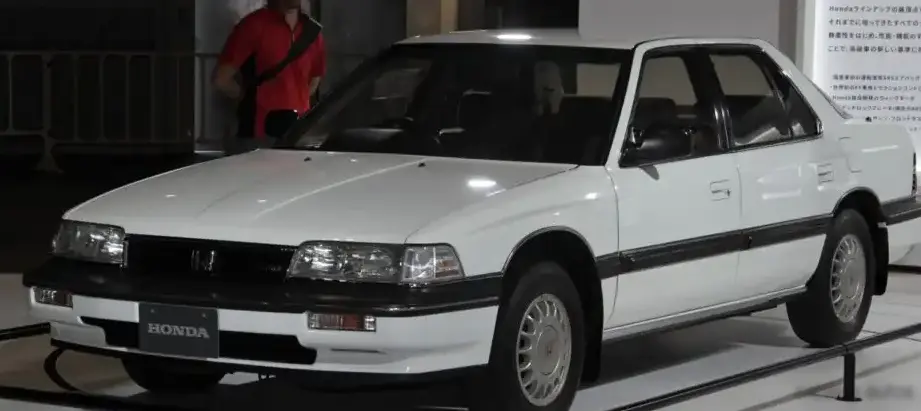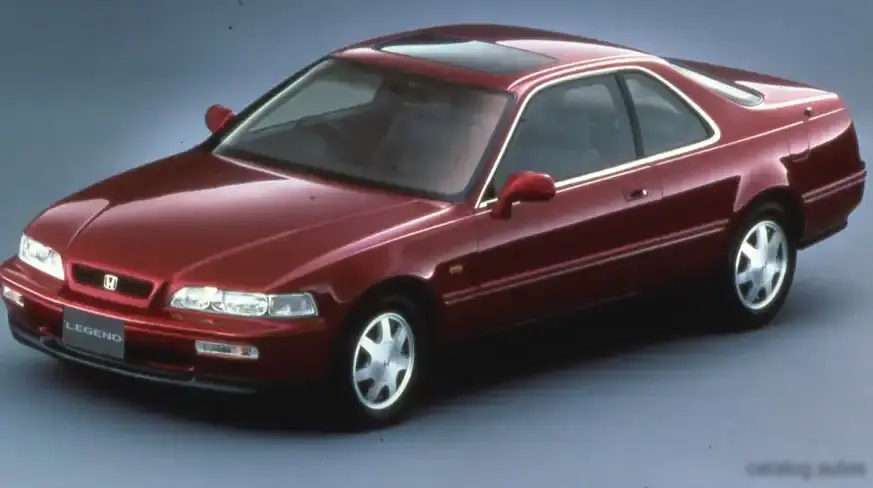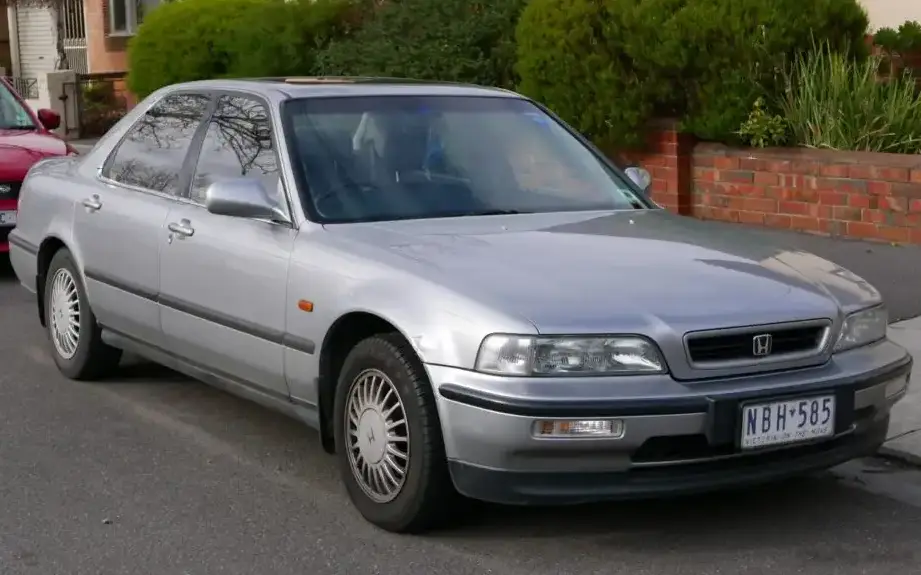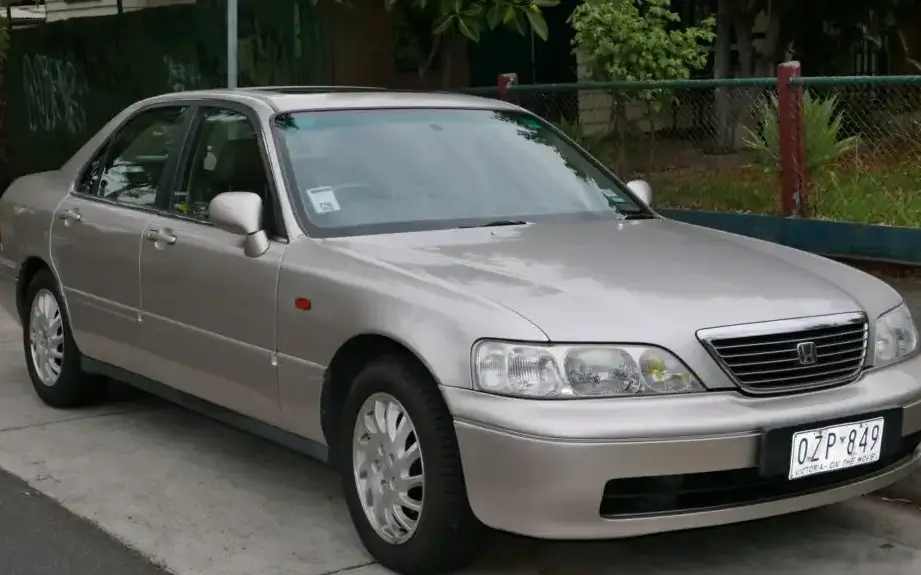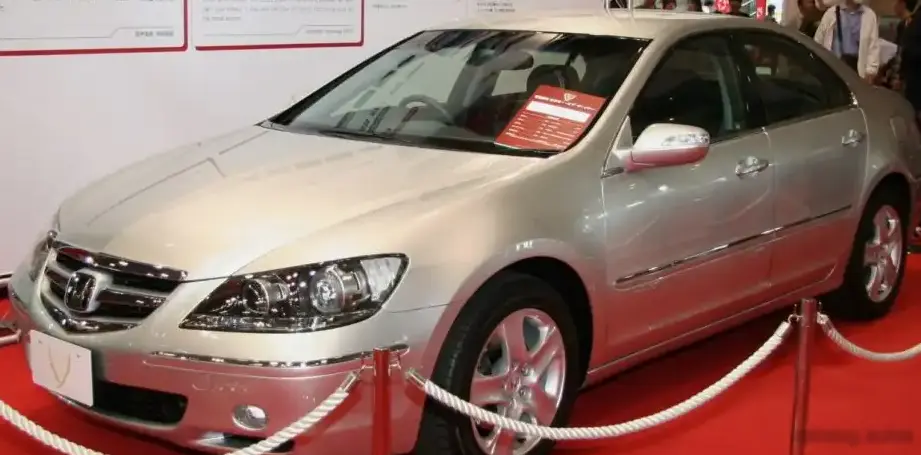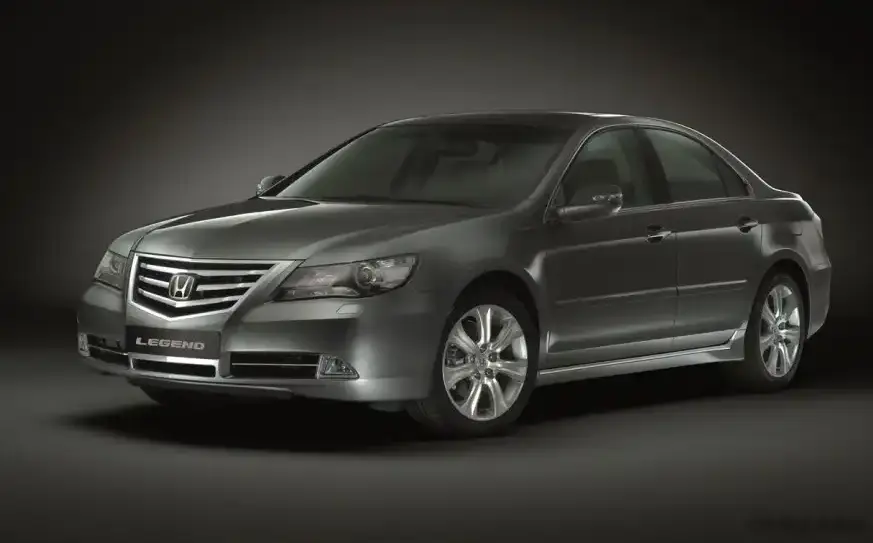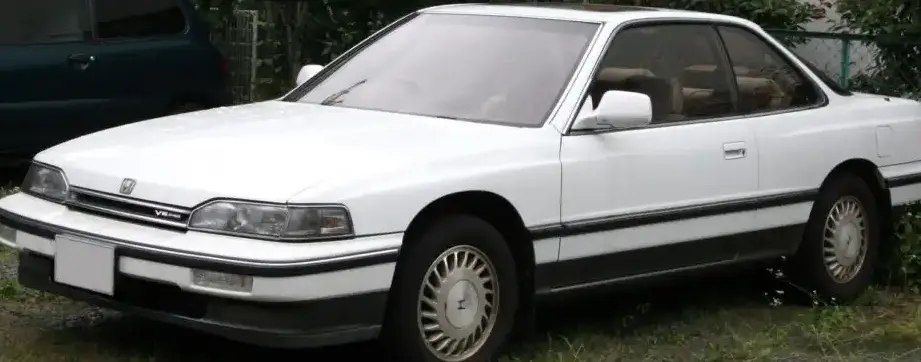
The Honda Legend I Coupe (KA3) 2.7 i 24V, produced between 1986 and 1990, represented Honda’s foray into the premium coupe market. Positioned as the more sporting derivative of the Legend sedan, the KA3 coupe aimed to blend luxury, performance, and Honda’s renowned engineering. It was part of the first generation Legend lineup, a vehicle designed to compete with established European grand tourers and American luxury coupes. The KA3 specifically offered a more driver-focused experience compared to its four-door counterpart, while still maintaining a high level of refinement. It was sold primarily in Japan and export markets, including the United States, where it was marketed as a sophisticated alternative to offerings from BMW and Mercedes-Benz.
Technical Specifications
| Brand | Honda |
| Model | Legend |
| Generation | Legend I Coupe (KA3) |
| Type (Engine) | 2.7 i 24V (169 Hp) |
| Start of production | 1986 |
| End of production | 1990 |
| Powertrain Architecture | Internal Combustion Engine |
| Body type | Coupe |
| Fuel Type | Petrol (Gasoline) |
| Power | 169 Hp |
| Engine Aspiration | Naturally Aspirated |
Powertrain & Engine Architecture
The heart of the KA3 coupe is the Honda C27A engine, a 2.7-liter, naturally aspirated inline-six cylinder powerplant. This engine is notable for its smooth operation and relatively high specific output for its time. The “24V” designation refers to the four valves per cylinder, contributing to improved breathing and power delivery. The C27A utilizes a single overhead camshaft (SOHC) design, a choice that prioritized smoothness and refinement over outright peak horsepower. Fuel delivery is managed by a multi-point fuel injection system, enhancing efficiency and responsiveness. The engine produces 169 horsepower at 5,800 rpm and 188 lb-ft of torque at 4,500 rpm.
The KA3 was exclusively offered with a four-speed automatic transmission. This transmission, while providing convenience, was a point of contention for some enthusiasts who preferred a manual option. The automatic transmission was electronically controlled, offering smooth shifts and adaptive learning capabilities. It was geared towards comfortable cruising rather than aggressive acceleration, aligning with the car’s grand touring character. The transmission’s ratios were optimized for highway driving, providing relaxed performance at typical interstate speeds.
Driving Characteristics
The driving experience in the KA3 2.7 i 24V coupe is characterized by smoothness and refinement. The inline-six engine delivers power linearly, without the abruptness sometimes found in turbocharged engines. While not a sports car in the modern sense, the KA3 offers respectable acceleration, capable of reaching 60 mph in around 8.5 seconds. The automatic transmission, while smooth, does detract slightly from the feeling of control, and downshifts can sometimes feel hesitant. The steering is light and precise, making the car easy to maneuver in city traffic. The suspension, tuned for comfort, absorbs bumps and imperfections in the road effectively, providing a comfortable ride even on less-than-perfect surfaces. Compared to a potential turbocharged or V8-powered competitor, the KA3 prioritizes a more relaxed and refined driving experience.
Equipment & Trim Levels
The Honda Legend I Coupe KA3 was well-equipped for its time, reflecting its positioning as a luxury vehicle. Standard features included power windows, power locks, power steering, air conditioning, and a high-quality sound system. The interior featured comfortable leather seats, woodgrain trim, and a well-designed dashboard. Optional extras included a sunroof, upgraded audio systems, and a premium leather package. The KA3’s interior was designed to create a sense of spaciousness and luxury, with attention paid to detail and material quality. The instrument panel was comprehensive, providing the driver with all necessary information, including speed, engine temperature, fuel level, and clock.
Chassis & Braking
The KA3 coupe utilizes a front-engine, rear-wheel-drive layout, contributing to its balanced handling characteristics. The suspension consists of independent double wishbones at the front and a semi-independent torsion beam setup at the rear. This configuration provides a good balance between ride comfort and handling precision. Braking duties are handled by ventilated disc brakes at the front and drum brakes at the rear. While the front discs provide ample stopping power, the rear drums were a cost-saving measure that some critics noted. Power-assisted steering was standard, making the car easy to maneuver at low speeds. The chassis was designed to be rigid, minimizing body roll and enhancing stability.
Market Reception & Comparison
The Honda Legend I Coupe KA3 received generally positive reviews from automotive critics. It was praised for its smooth engine, comfortable ride, and luxurious interior. However, some critics noted the lack of a manual transmission option and the relatively modest performance compared to some of its European rivals. Compared to the Legend sedan, the coupe offered a more sporting appearance and a slightly more engaging driving experience. In terms of fuel economy, the KA3 achieved around 18 mpg city and 24 mpg highway, which was competitive for a vehicle of its size and class. Reliability was a strong point for the KA3, as with most Hondas of this era. Maintenance costs were generally reasonable, although sourcing parts for older models can sometimes be challenging today.
Legacy
The Honda Legend I Coupe KA3, while not a high-volume seller, established Honda as a serious contender in the luxury coupe segment. It demonstrated Honda’s ability to produce vehicles that could compete with established European brands in terms of refinement and engineering. Today, the KA3 is a sought-after classic car, particularly among Honda enthusiasts. The C27A engine is known for its durability and longevity, and well-maintained examples can still provide reliable transportation. The KA3’s relatively simple mechanical design makes it easier to maintain and repair compared to more complex modern vehicles. Its classic styling and comfortable driving experience continue to appeal to collectors and enthusiasts alike, ensuring its place in automotive history. Finding one in excellent condition is becoming increasingly difficult, driving up values among collectors who appreciate its unique blend of Japanese engineering and grand touring sensibilities.