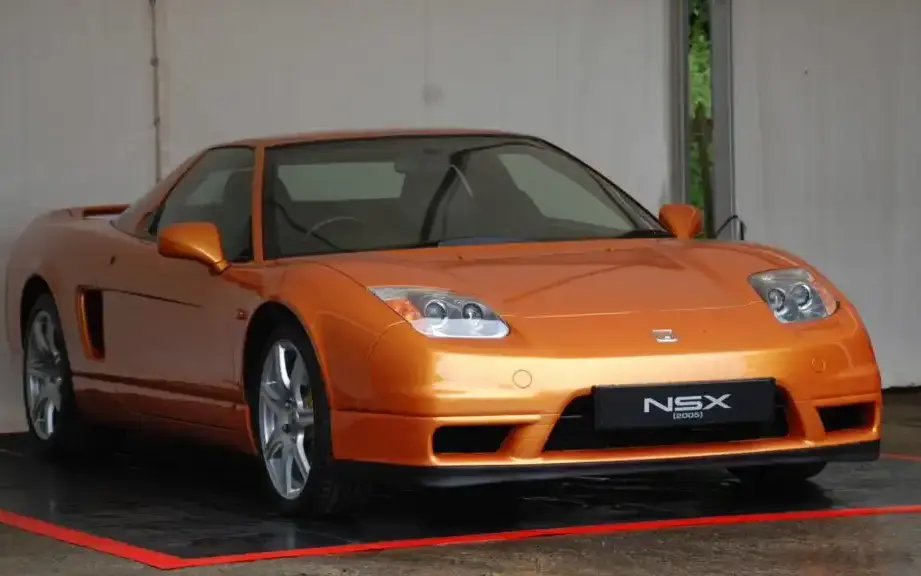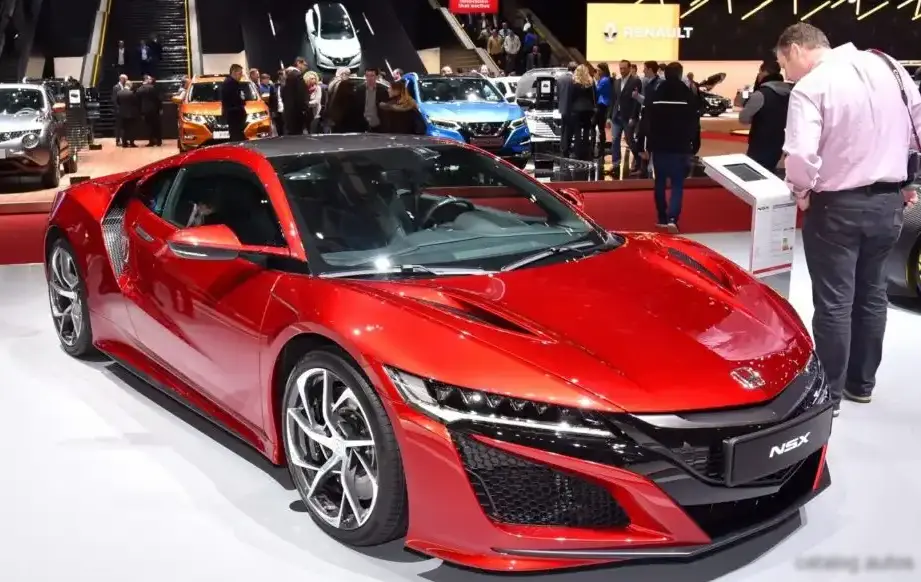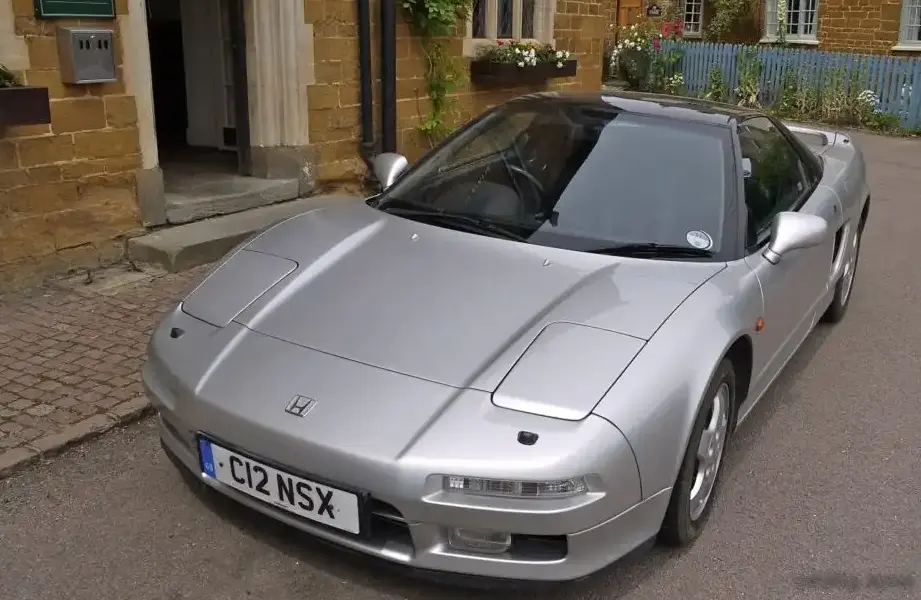
The Honda NSX (New Sportscar eXperimental) of the NA2 generation, produced from 1997 to 2002, represents the final evolution of Honda’s groundbreaking mid-engine sports car. This iteration, specifically the 3.2-liter V6 model, marked a significant departure from the original NA1, offering increased displacement, refined aerodynamics, and enhanced performance. The NA2 was primarily sold in the Japanese domestic market, North America, and Europe, establishing itself as a formidable competitor to established European sports cars like the Porsche 911 and Ferrari 348. It aimed to deliver a blend of Japanese reliability, advanced technology, and exhilarating driving dynamics.
Technical Specifications
| Brand | Honda |
| Model | NSX |
| Generation | NSX I Coupe |
| Type (Engine) | 3.2 24V Vtec (NA2) (280 Hp) |
| Start of production | 1997 |
| End of production | 2002 |
| Powertrain Architecture | Internal Combustion engine |
| Body type | Coupe |
| Seats | 2 |
| Doors | 2 |
| Fuel consumption (urban) | 16.8 l/100 km (14 US mpg, 16.8 UK mpg, 6 km/l) |
| Fuel consumption (extra urban) | 9.1 l/100 km (25.8 US mpg, 31 UK mpg, 11 km/l) |
| Fuel consumption (combined) | 11.9 l/100 km (19.8 US mpg, 23.7 UK mpg, 8.4 km/l) |
| Fuel Type | Petrol (Gasoline) |
| Acceleration 0 – 100 km/h | 5.7 sec |
| Acceleration 0 – 62 mph | 5.7 sec |
| Acceleration 0 – 60 mph | 5.4 sec |
| Maximum speed | 274 km/h (170.26 mph) |
| Weight-to-power ratio | 5 kg/Hp, 198.6 Hp/tonne |
| Weight-to-torque ratio | 4.7 kg/Nm, 211.3 Nm/tonne |
| Power | 280 Hp @ 7300 rpm |
| Power per litre | 88.1 Hp/l |
| Torque | 298 Nm @ 5300 rpm (219.79 lb.-ft. @ 5300 rpm) |
| Engine layout | Middle, Transverse |
| Engine Model/Code | C32B2 |
| Engine displacement | 3179 cm3 (193.99 cu. in.) |
| Number of cylinders | 6 |
| Engine configuration | V-engine |
| Cylinder Bore | 93 mm (3.66 in.) |
| Piston Stroke | 78 mm (3.07 in.) |
| Compression ratio | 10:1 |
| Number of valves per cylinder | 4 |
| Fuel injection system | Multi-port manifold injection |
| Engine aspiration | Naturally aspirated engine |
| Valvetrain | DOHC |
| Engine oil capacity | 5 l (5.28 US qt | 4.4 UK qt) |
| Coolant capacity | 16 l (16.91 US qt | 14.08 UK qt) |
| Kerb Weight | 1410 kg (3108.52 lbs.) |
| Max. weight | 1610 kg (3549.44 lbs.) |
| Max load | 200 kg (440.92 lbs.) |
| Trunk (boot) space – minimum | 154 l (5.44 cu. ft.) |
| Fuel tank capacity | 70 l (18.49 US gal | 15.4 UK gal) |
| Length | 4425 mm (174.21 in.) |
| Width | 1810 mm (71.26 in.) |
| Height | 1170 mm (46.06 in.) |
| Wheelbase | 2530 mm (99.61 in.) |
| Front track | 1510 mm (59.45 in.) |
| Rear (Back) track | 1530 mm (60.24 in.) |
| Drivetrain Architecture | Rear wheel drive |
| Number of gears and type of gearbox | 6 gears, manual transmission |
| Front suspension | Double wishbone |
| Rear suspension | Double wishbone |
| Front brakes | Ventilated discs |
| Rear brakes | Ventilated discs |
| Assisting systems | ABS (Anti-lock braking system) |
| Steering type | Steering rack and pinion |
| Power steering | Hydraulic Steering |
| Tires size | 215/45 R17; 245/40 R17 |
Powertrain & Engine Architecture
The heart of the NA2 NSX is the C32B2, a 3.2-liter naturally aspirated V6 engine. This engine represented a significant upgrade over the 3.0-liter C30A found in the NA1. The increased displacement was achieved through a larger bore and longer stroke. The C32B2 utilizes Honda’s VTEC (Variable Valve Timing and Lift Electronic Control) technology, allowing for optimized valve timing for both low-end torque and high-RPM power. The engine features a multi-port fuel injection system and a compression ratio of 10:1. The engine’s all-aluminum construction contributed to its relatively lightweight design. The NA2 exclusively came with a six-speed manual transmission, offering precise and engaging gear changes. The transmission’s ratios were carefully tuned to complement the engine’s power delivery, providing strong acceleration throughout the rev range.
Driving Characteristics
The 3.2-liter NSX delivers a refined and engaging driving experience. While not as brutally fast as some contemporary supercars, the NA2 offers a balanced and predictable handling characteristic. The mid-engine layout provides excellent weight distribution, contributing to its nimble cornering ability. The six-speed manual transmission allows for precise control, and the VTEC system provides a noticeable surge of power as the engine approaches its 7300 rpm redline. Compared to the NA1, the NA2 felt more responsive and offered a broader powerband. The increased displacement and refined engine management system resulted in improved acceleration and overall performance. The NA2’s suspension, featuring double wishbones at all four corners, provides a comfortable yet firm ride, effectively absorbing road imperfections while maintaining excellent body control.
Equipment & Trim Levels
The NA2 NSX was generally well-equipped, reflecting its positioning as a premium sports car. Standard features included leather upholstery, power windows and locks, air conditioning, and a high-quality audio system. Optional extras included a premium sound system, navigation system (in some markets), and various cosmetic enhancements. Interior trim options were relatively limited, typically featuring black or tan leather. The dashboard layout was driver-focused, with clearly arranged gauges and controls. The NSX’s interior prioritized functionality and ergonomics over outright luxury, maintaining a sporty and purposeful ambiance.
Chassis & Braking
The NSX’s chassis is a masterpiece of engineering, utilizing an all-aluminum monocoque construction – a first for a mass-produced car. This lightweight yet incredibly rigid structure contributed significantly to the car’s handling prowess. The suspension system, featuring double wishbones at all four corners, was meticulously tuned to provide a balance between comfort and performance. Braking duties were handled by ventilated disc brakes on all four wheels, providing ample stopping power. An Anti-lock Braking System (ABS) was standard, enhancing safety and control. The NA2 retained the same chassis and braking setup as the NA1, but with minor refinements to optimize performance with the more powerful engine.
Market Reception & Comparison
The NA2 NSX was generally well-received by automotive critics, who praised its balanced handling, refined engine, and overall build quality. However, some critics noted that it lacked the raw emotional appeal of some of its European rivals. Compared to the NA1, the NA2 was seen as a more mature and refined sports car. Against competitors like the Porsche 911, the NSX offered a unique blend of Japanese reliability and advanced technology. Fuel economy was respectable for a sports car of its caliber, averaging around 19.8 US mpg in combined driving. Reliability was a strong point for the NSX, with many examples still running strong today with proper maintenance.
Legacy
The Honda NSX, particularly the NA2, remains a highly sought-after sports car among enthusiasts. Its innovative design, advanced technology, and engaging driving dynamics have cemented its place in automotive history. The NA2’s 3.2-liter engine is considered by many to be the sweet spot in the NSX lineup, offering a compelling balance of power and refinement. While maintenance can be relatively expensive due to the car’s complexity and age, the NSX’s inherent reliability and strong parts availability make it a viable option for those seeking a classic Japanese sports car. Today, well-maintained NA2 NSXs command premium prices in the used car market, reflecting their enduring appeal and historical significance.