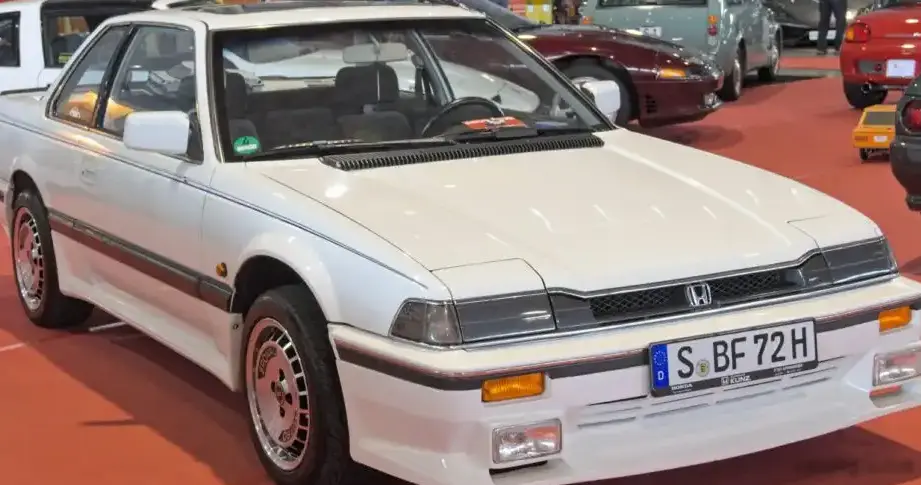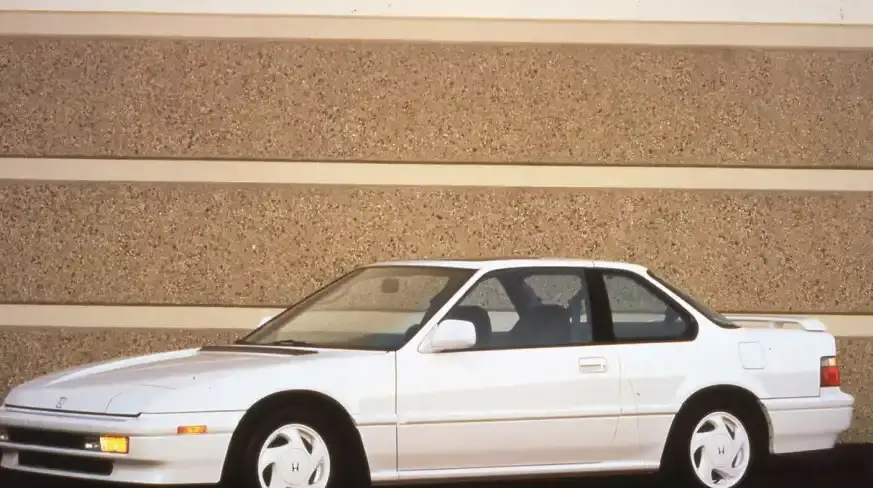
The Honda Prelude III (BA) 2.0i EX 16V, produced from 1986 to 1987, represents a significant evolution in Honda’s personal luxury coupe lineage. Falling within the third generation of the Prelude (BA chassis code), this variant occupied a mid-range position in the lineup, offering a balance between performance and refinement. It was positioned above the base 1.8L models and below the more performance-focused Si variants. The BA generation marked a departure from the angular styling of the second generation, adopting a more rounded, aerodynamic design that was characteristic of the mid-1980s. This model played a key role in establishing the Prelude as a competitor to other sporty coupes like the Toyota Celica and Nissan 240SX in the North American market, though its primary sales volume remained in Japan and Europe.
Technical Specifications
| Brand | Honda |
| Model | Prelude |
| Generation | Prelude III (BA) |
| Type (Engine) | 2.0 i EX 16V (137 Hp) |
| Start of production | 1986 |
| End of production | 1987 |
| Powertrain Architecture | Internal Combustion Engine |
| Body type | Coupe |
| Fuel Type | Petrol (Gasoline) |
| Power | 137 Hp |
| Engine Aspiration | Naturally Aspirated |
Powertrain & Engine Architecture
The 2.0i EX 16V variant is powered by Honda’s F20A engine, a 1997cc, naturally aspirated inline-four cylinder. This engine is notable for its use of a 16-valve cylinder head, featuring dual overhead camshafts (DOHC) driven by a timing belt. Fuel delivery is managed by Honda’s Programmed Fuel Injection (PGM-FI) system, a sophisticated electronic fuel injection system for its time. The F20A produces 137 horsepower at 6000 rpm and 133 lb-ft of torque at 4800 rpm. The engine block is constructed from cast iron, while the cylinder head is made of aluminum alloy, contributing to a relatively lightweight design. The transmission paired with this engine is a four-speed automatic, offering smooth shifts but sacrificing some of the performance potential available with the five-speed manual transmission found in other Prelude trims.
Driving Characteristics
The 2.0i EX 16V with the automatic transmission delivers a comfortable and refined driving experience. While not as overtly sporty as the manual-equipped Si models, it provides adequate acceleration for everyday driving. The automatic transmission’s gear ratios are tuned for fuel efficiency and smooth cruising, rather than aggressive acceleration. The 0-60 mph time is estimated to be around 9.5-10.5 seconds, depending on testing conditions and vehicle load. Compared to the five-speed manual version, the automatic results in a noticeable decrease in responsiveness. The automatic transmission does offer a “hold” function, allowing the driver to prevent upshifts and maintain engine speed for more spirited driving, but it doesn’t fully replicate the control offered by a manual gearbox. The suspension, tuned for comfort, provides a relatively smooth ride, absorbing bumps and imperfections in the road surface effectively.
Equipment & Trim Levels
The 2.0i EX 16V trim level offered a good level of standard equipment for the time. Interior features typically included cloth upholstery, power windows, power door locks, and an AM/FM stereo with a cassette player. Air conditioning was standard. The dashboard layout is driver-focused, with clearly marked gauges and easy-to-reach controls. Optional extras included a sunroof, upgraded sound system, and cruise control. The exterior featured body-colored bumpers and side moldings, and alloy wheels were often included as standard equipment or as an option. The overall interior ambiance was designed to be upscale and comfortable, reflecting the Prelude’s positioning as a personal luxury coupe.
Chassis & Braking
The Prelude III (BA) utilizes a front-engine, front-wheel-drive layout. The chassis features independent suspension all around, with MacPherson struts at the front and a double-wishbone suspension at the rear. This suspension setup contributes to the car’s comfortable ride and predictable handling. The braking system consists of ventilated disc brakes at the front and drum brakes at the rear. While the front discs provide adequate stopping power, the rear drums are a point of criticism, as they offer less consistent performance than disc brakes, particularly under heavy braking. Power steering is standard, making the car easy to maneuver at low speeds. Stabilizer bars are fitted to both the front and rear axles, helping to reduce body roll during cornering.
Market Reception & Comparison
The 2.0i EX 16V Prelude was generally well-received by automotive critics. It was praised for its comfortable ride, refined interior, and smooth engine. However, some reviewers noted that the automatic transmission diminished the car’s sporty potential. Compared to the 1.8L base models, the 2.0i EX 16V offered a significant performance upgrade, justifying its higher price tag. In contrast to the Si variants, which prioritized performance with a more powerful engine and manual transmission, the 2.0i EX 16V appealed to buyers who valued comfort and convenience. Fuel economy was respectable for the time, averaging around 22-26 mpg in combined driving. Reliability was also a strong point, with the F20A engine proving to be durable and long-lasting.
Legacy
The Honda Prelude III (BA) 2.0i EX 16V has maintained a respectable reputation among enthusiasts and collectors. The F20A engine is known for its reliability and relatively simple maintenance requirements. While not as sought-after as the Si models, well-maintained examples of the 2.0i EX 16V are becoming increasingly collectible. Common issues include wear and tear on the automatic transmission, as with any older automatic gearbox, and potential corrosion in areas prone to rust. The availability of spare parts is generally good, thanks to Honda’s extensive parts network. Today, these Preludes represent a piece of 1980s automotive history, offering a glimpse into Honda’s commitment to building reliable, comfortable, and stylish coupes. The car’s enduring appeal lies in its blend of practicality, refinement, and understated sporty character.