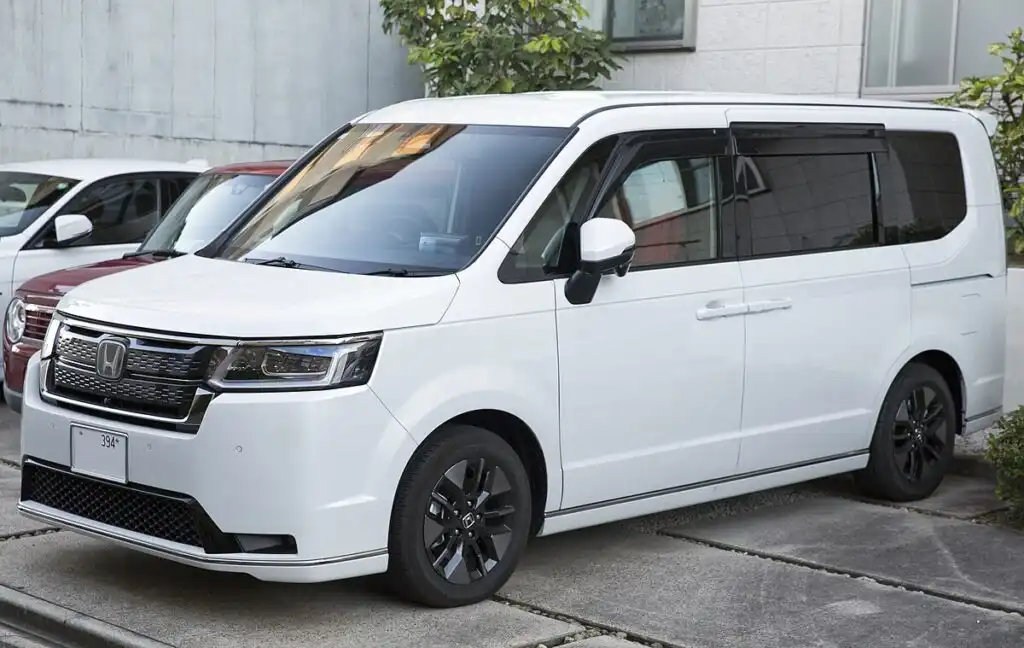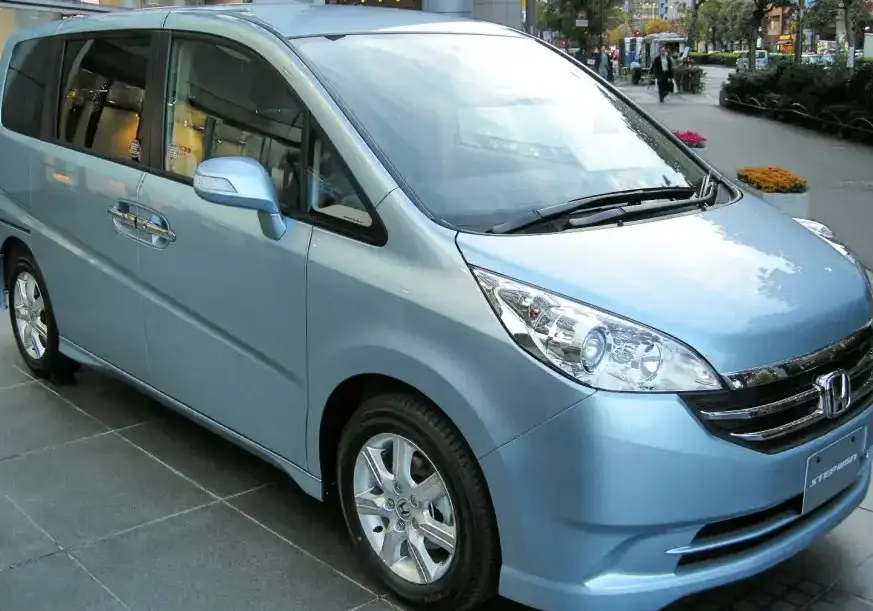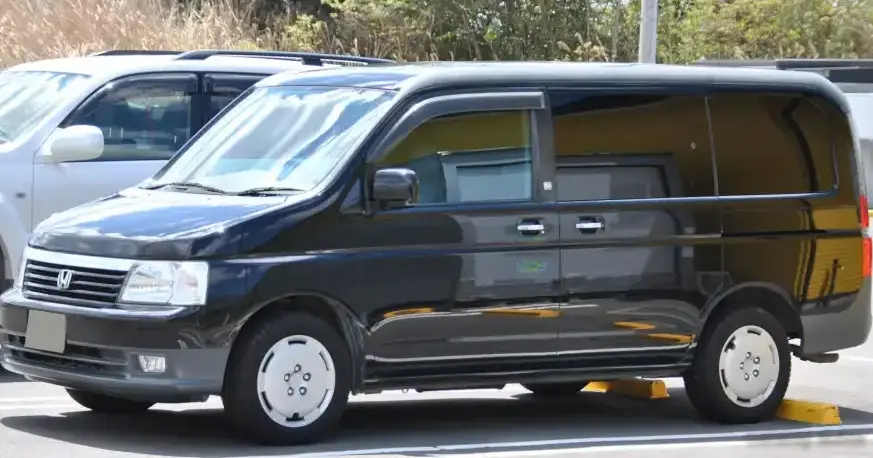
The Honda Stepwgn II 2.0 i 16V, produced between 2001 and 2005, represents the second generation of Honda’s popular multi-purpose vehicle (MPV), the Stepwgn. This variant, equipped with a 2.0-liter inline-four engine producing 160 horsepower, occupied a mid-range position within the Stepwgn II lineup, offering a balance between performance and practicality for families. The Stepwgn, initially launched in 1996, was specifically designed for the Japanese domestic market (JDM) to cater to the demand for spacious and versatile family transportation. The second generation, designated chassis code RF3/RF4, continued this trend, offering increased interior space and improved comfort compared to its predecessor. The 2.0 i 16V model was a key offering, providing a more powerful alternative to the base 1.8-liter engine while remaining more accessible than the later addition of all-wheel drive variants.
Technical Specifications
| Brand | Honda |
| Model | Stepwgn |
| Generation | Stepwgn II |
| Type (Engine) | 2.0 i 16V (160 Hp) |
| Start of production | 2001 |
| End of production | 2005 |
| Powertrain Architecture | Internal Combustion engine |
| Body type | Minivan |
| Seats | 8 |
| Doors | 4 |
| Fuel consumption (combined) | 7.6 l/100 km (30.9 US mpg, 37.2 UK mpg, 13.2 km/l) |
| Fuel Type | Petrol (Gasoline) |
| Maximum speed | 180 km/h (111.85 mph) |
| Weight-to-power ratio | 9.4 kg/Hp, 106.7 Hp/tonne |
| Weight-to-torque ratio | 7.9 kg/Nm, 127.3 Nm/tonne |
| Power | 160 Hp @ 6500 rpm |
| Power per litre | 80.1 Hp/l |
| Torque | 191 Nm @ 4000 rpm (140.87 lb.-ft. @ 4000 rpm) |
| Engine layout | Front, Transverse |
| Engine displacement | 1998 cm3 (121.93 cu. in.) |
| Number of cylinders | 4 |
| Engine configuration | Inline |
| Cylinder Bore | 86 mm (3.39 in.) |
| Piston Stroke | 86 mm (3.39 in.) |
| Compression ratio | 9.8:1 |
| Number of valves per cylinder | 4 |
| Fuel injection system | Multi-port manifold injection |
| Engine aspiration | Naturally aspirated engine |
| Valvetrain | DOHC |
| Kerb Weight | 1500 kg (3306.93 lbs.) |
| Fuel tank capacity | 60 l (15.85 US gal | 13.2 UK gal) |
| Length | 4670 mm (183.86 in.) |
| Width | 1695 mm (66.73 in.) |
| Height | 1845 mm (72.64 in.) |
| Wheelbase | 2805 mm (110.43 in.) |
| Front track | 1485 mm (58.46 in.) |
| Rear track | 1480 mm (58.27 in.) |
| Drivetrain Architecture | Front wheel drive, Internal Combustion engine (ICE) |
| Number of gears | 4 |
| Gearbox type | Automatic transmission |
| Front suspension | Spring Strut |
| Rear suspension | Wishbone |
| Front brakes | Ventilated discs |
| Rear brakes | Disc |
| Assisting systems | ABS (Anti-lock braking system) |
| Steering type | Steering rack and pinion |
| Power steering | Hydraulic Steering |
| Tires size | 195/65 R15 |
Powertrain & Engine Architecture
The heart of the Stepwgn II 2.0 i 16V is the Honda F20B engine, a 1998cc inline-four cylinder powerplant. This engine utilizes a naturally aspirated configuration with a multi-port fuel injection system, delivering a responsive and predictable power delivery. The ‘16V’ designation refers to the four valves per cylinder (Dual Overhead Camshaft or DOHC), enhancing volumetric efficiency and contributing to the engine’s respectable output. The F20B engine is known for its durability and relatively simple design, making it a reliable choice for everyday use. The engine is transversely mounted in the front of the vehicle, driving the front wheels. Paired with the F20B is a four-speed automatic transmission. While not offering the most modern gear count, this transmission was well-suited to the engine’s torque curve and provided smooth, comfortable shifts for typical driving conditions. The automatic transmission was a popular choice for Stepwgn buyers prioritizing ease of use over outright performance.
Driving Characteristics
The 160 hp and 191 Nm (140.87 lb-ft) of torque provided by the 2.0-liter engine and automatic transmission combination resulted in adequate, though not exhilarating, performance. Acceleration was sufficient for everyday driving and highway merging, but it wasn’t designed for sporty driving. The four-speed automatic transmission, while smooth, did result in slightly higher engine speeds at cruising speeds compared to a manual transmission or a more modern automatic with additional gears. This could impact fuel economy on longer journeys. Compared to the base 1.8-liter Stepwgn, the 2.0-liter offered a noticeable improvement in both acceleration and overall responsiveness. However, it didn’t match the performance of the later all-wheel-drive variants or potential aftermarket modifications.
Equipment & Trim Levels
The Stepwgn II 2.0 i 16V typically came equipped with a range of features designed to enhance comfort and convenience. Standard equipment generally included power windows, power door locks, air conditioning, and a basic audio system. Interior upholstery was typically cloth, with a focus on durability and practicality. Higher trim levels offered options such as upgraded audio systems, woodgrain interior trim, and more comfortable seating materials. The Stepwgn II was renowned for its flexible seating arrangements, with the ability to configure the interior to accommodate varying passenger and cargo needs. The second-row seats could be folded flat or even removed entirely, creating a large, open cargo area.
Chassis & Braking
The Stepwgn II utilized a relatively conventional chassis design, featuring a front strut suspension and a rear wishbone suspension. This setup provided a comfortable ride quality, well-suited to the vehicle’s intended purpose as a family MPV. The front brakes were ventilated discs, providing adequate stopping power, while the rear brakes were solid discs. Anti-lock Braking System (ABS) was standard, enhancing safety by preventing wheel lockup during hard braking. Steering was rack and pinion with hydraulic power assistance, offering light and easy steering feel.
Market Reception & Comparison
The Honda Stepwgn II 2.0 i 16V was well-received in the Japanese market as a practical and versatile family vehicle. Critics praised its spacious interior, comfortable ride, and reliable powertrain. Compared to other MPVs in its class, the Stepwgn II offered a compelling combination of features and value. The 2.0-liter engine provided a noticeable performance advantage over the base 1.8-liter model, making it a popular choice for buyers who frequently carried passengers or cargo. Fuel economy was generally considered acceptable for a vehicle of its size and type, averaging around 7.6 l/100 km (30.9 US mpg). Reliability was a strong point, with the F20B engine proving to be a durable and long-lasting unit.
Legacy
The Honda Stepwgn II 2.0 i 16V remains a popular choice in the used car market, particularly in Japan. Its reputation for reliability and practicality has ensured a steady demand. The F20B engine is known for its longevity, and with proper maintenance, it can provide many years of trouble-free service. While the four-speed automatic transmission is not as sophisticated as more modern units, it is generally reliable and relatively inexpensive to repair. Today, the Stepwgn II 2.0 i 16V represents a well-rounded and affordable option for those seeking a spacious and dependable family vehicle.