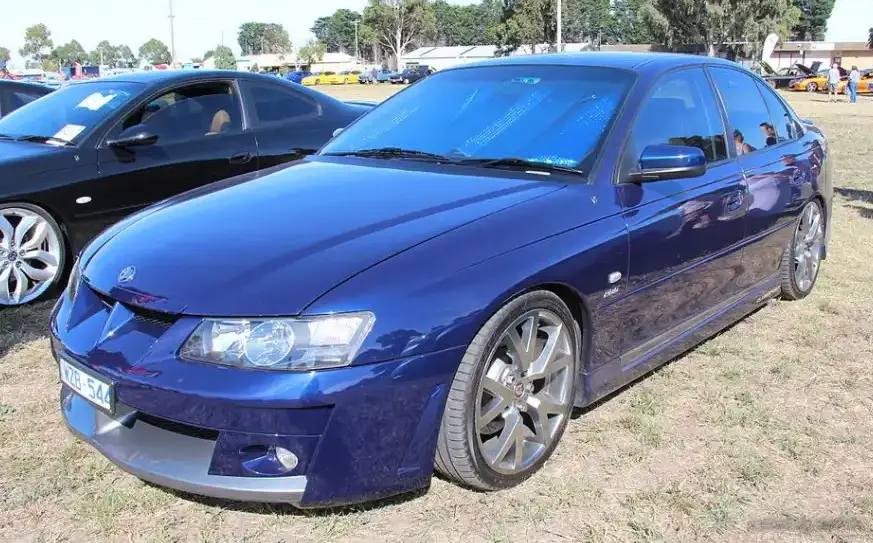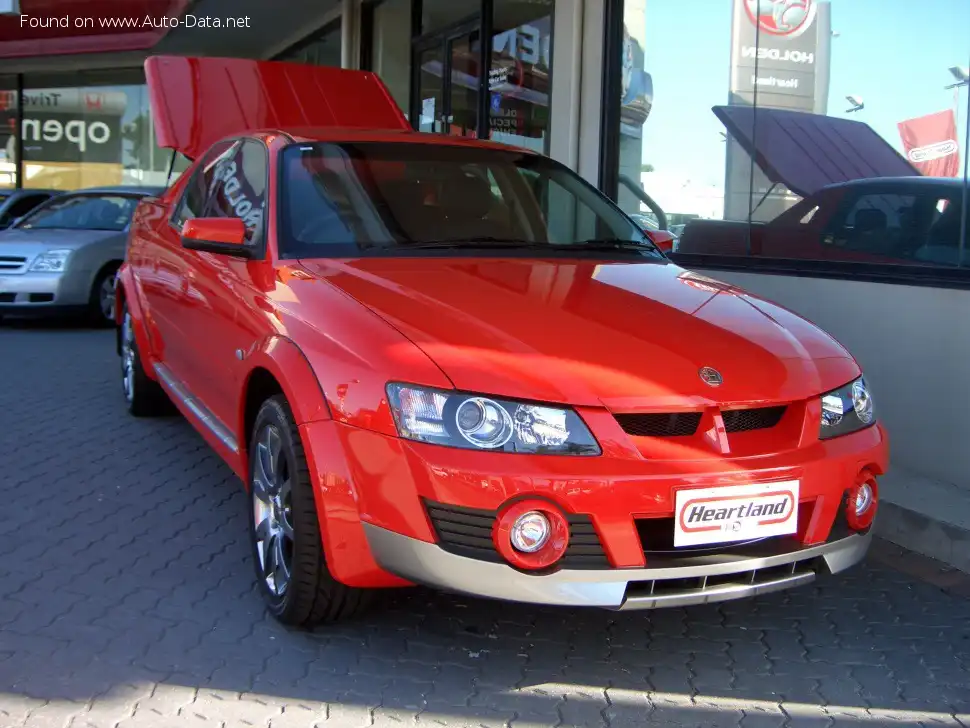
The HSV Avalanche XUV, produced between 2003 and 2005, represents a unique offering from the Australian performance vehicle manufacturer, Holden Special Vehicles (HSV). Based on the Holden Rodeo 4×4 crew cab chassis, the Avalanche XUV aimed to blend the practicality of a utility vehicle with the performance and luxury typically associated with HSV models. It was positioned as a premium, high-performance pickup truck, catering to buyers seeking a vehicle capable of both work and spirited driving. The XUV stood out due to its distinctive styling, upgraded suspension, and, most notably, its powerful 5.7-liter V8 engine paired with a four-speed automatic transmission.
Technical Specifications
| Brand | HSV |
| Model | Avalanche |
| Generation | Avalanche XUV |
| Type (Engine) | 5.7 V8 (367 Hp) 4WD Automatic |
| Start of production | 2003 |
| End of production | 2005 |
| Powertrain Architecture | Internal Combustion engine |
| Body type | Pick-up, SUV |
| Seats | 5 |
| Doors | 4 |
| Fuel consumption (combined) | 6.2 l/100 km (37.9 US mpg, 45.6 UK mpg, 16.1 km/l) |
| Fuel Type | Petrol (Gasoline) |
| Acceleration 0 – 100 km/h | 6.5 sec |
| Acceleration 0 – 62 mph | 6.5 sec |
| Acceleration 0 – 60 mph | 6.2 sec |
| Weight-to-power ratio | 5.4 kg/Hp, 184.9 Hp/tonne |
| Weight-to-torque ratio | 4.2 kg/Nm, 239.3 Nm/tonne |
| Power | 367 Hp |
| Power per litre | 64.8 Hp/l |
| Torque | 475 Nm @ 4000 rpm (350.34 lb.-ft. @ 4000 rpm) |
| Maximum engine speed | 6000 rpm |
| Engine layout | Front, Longitudinal |
| Engine displacement | 5665 cm3 (345.7 cu. in.) |
| Number of cylinders | 8 |
| Engine configuration | V-engine |
| Cylinder Bore | 99 mm (3.9 in.) |
| Piston Stroke | 92 mm (3.62 in.) |
| Compression ratio | 10.1:1 |
| Number of valves per cylinder | 2 |
| Fuel injection system | Multi-port manifold injection |
| Engine aspiration | Naturally aspirated engine |
| Kerb Weight | 1985 kg (4376.18 lbs.) |
| Fuel tank capacity | 68 l (17.96 US gal | 14.96 UK gal) |
| Permitted trailer load with brakes (12%) | 2100 kg (4629.71 lbs.) |
| Length | 5323 mm (209.57 in.) |
| Width including mirrors | 2046 mm (80.55 in.) |
| Height | 1542 mm (60.71 in.) |
| Wheelbase | 3207 mm (126.26 in.) |
| Front track | 1617 mm (63.66 in.) |
| Rear (Back) track | 1623 mm (63.9 in.) |
| Ride height (ground clearance) | 200 mm (7.87 in.) |
| Minimum turning circle (turning diameter) | 12.4 m (40.68 ft.) |
| Drive wheel | All wheel drive (4×4) |
| Number of gears and type of gearbox | 4 gears, automatic transmission |
| Front suspension | Independent, type McPherson with coil spring and anti-roll bar |
| Rear suspension | Independent coil spring |
| Front brakes | Ventilated discs |
| Rear brakes | Ventilated discs |
| Assisting systems | ABS (Anti-lock braking system) |
| Tires size | 245/45 R18 |
| Wheel rims size | 8J x 18 |
Powertrain & Engine Architecture
The heart of the Avalanche XUV is HSV’s version of the General Motors LS1 5.7-liter V8 engine. Producing 367 horsepower and 475 Nm (350 lb-ft) of torque, this engine was a significant upgrade over the standard Rodeo’s engine options. The LS1 utilizes a cast iron block with aluminum cylinder heads, featuring a two-valve per cylinder configuration and a multi-port fuel injection system. The engine’s longitudinal mounting and rear-wheel-drive bias, coupled with a robust four-speed automatic transmission (4L60-E), provided a solid foundation for performance. While the 4L60-E wasn’t known for its cutting-edge technology, it was a durable unit capable of handling the engine’s output, though some critics noted it could feel somewhat dated compared to more modern automatic transmissions.
Driving Characteristics
The Avalanche XUV’s driving experience was markedly different from typical pickup trucks. The V8 engine delivered strong acceleration, with 0-60 mph times consistently around 6.2 seconds. The automatic transmission, while not offering manual control, provided smooth shifts under normal driving conditions. However, the transmission’s programming prioritized comfort over outright performance, meaning it wasn’t always as responsive as some drivers might prefer. The four-wheel-drive system provided excellent traction in various conditions, making the Avalanche XUV a capable off-road vehicle. Compared to a manual transmission Rodeo, the Avalanche XUV traded some driver engagement for ease of use, appealing to a broader audience.
Equipment & Trim Levels
The Avalanche XUV came standard with a comprehensive list of features, reflecting its premium positioning. Interior appointments included leather upholstery, power-adjustable front seats, and a high-quality audio system. Exterior features included unique HSV body styling, including a distinctive front fascia, side skirts, and a rear spoiler. Standard safety equipment included ABS brakes and dual front airbags. Optional extras included a sunroof, upgraded audio systems, and a DVD player for rear-seat entertainment. The interior design, while functional, leaned towards a utilitarian aesthetic, reflecting the vehicle’s truck-based origins.
Chassis & Braking
HSV significantly upgraded the Rodeo’s chassis to handle the increased power of the V8 engine. The suspension was revised with stiffer springs and dampers, along with a larger diameter anti-roll bar, improving handling and reducing body roll. The braking system featured ventilated discs on all four wheels, providing ample stopping power. However, the rear brakes remained relatively small compared to the front, which could lead to some imbalance under hard braking. The XUV’s ride quality was firm but generally comfortable, striking a balance between performance and practicality.
Market Reception & Comparison
The HSV Avalanche XUV received generally positive reviews from automotive critics. Praise was directed towards its powerful engine, improved handling, and unique styling. However, some critics noted the automatic transmission’s lack of responsiveness and the relatively high price tag. Compared to other HSV models, such as the Commodore-based vehicles, the Avalanche XUV offered a different kind of performance experience, prioritizing capability and practicality over outright speed. Fuel economy, at 6.2 l/100km, was reasonable for a V8-powered pickup truck, but still higher than the more fuel-efficient Rodeo models.
Legacy
The HSV Avalanche XUV remains a relatively rare and sought-after vehicle in the Australian used car market. Its combination of performance, practicality, and exclusivity has made it a favorite among collectors and enthusiasts. The LS1 V8 engine is known for its reliability and durability, provided it is properly maintained. While the 4L60-E transmission can be prone to issues if neglected, it is generally a robust unit. Today, the Avalanche XUV represents a unique chapter in HSV’s history, showcasing the company’s ability to transform a utilitarian vehicle into a high-performance machine.