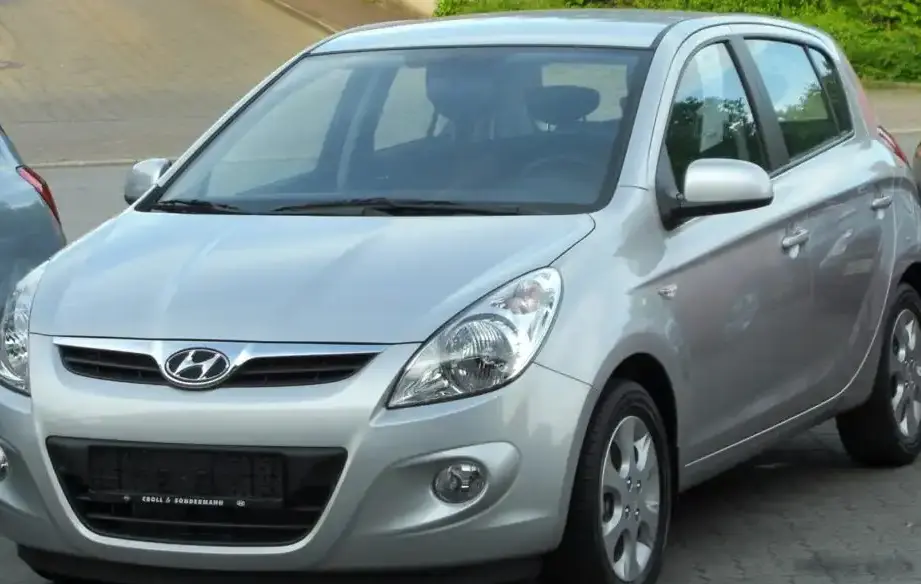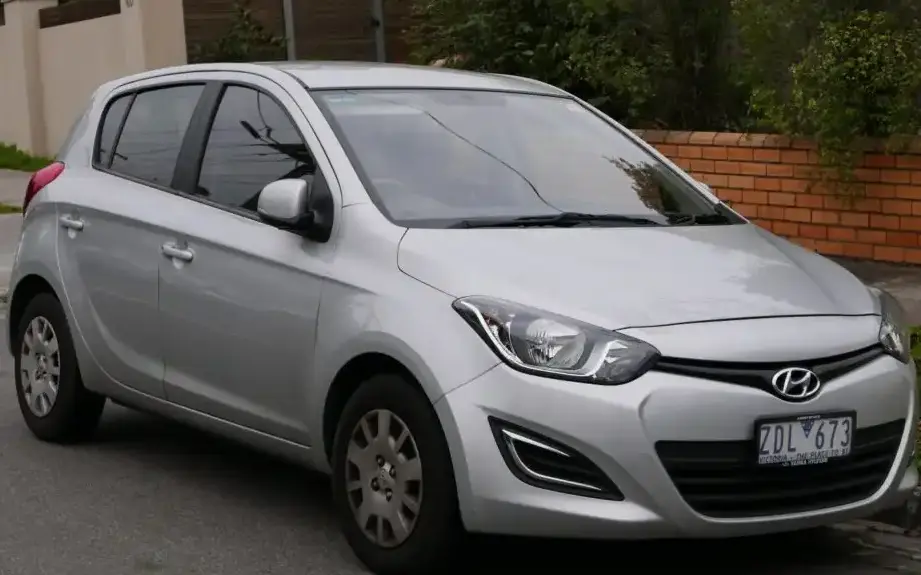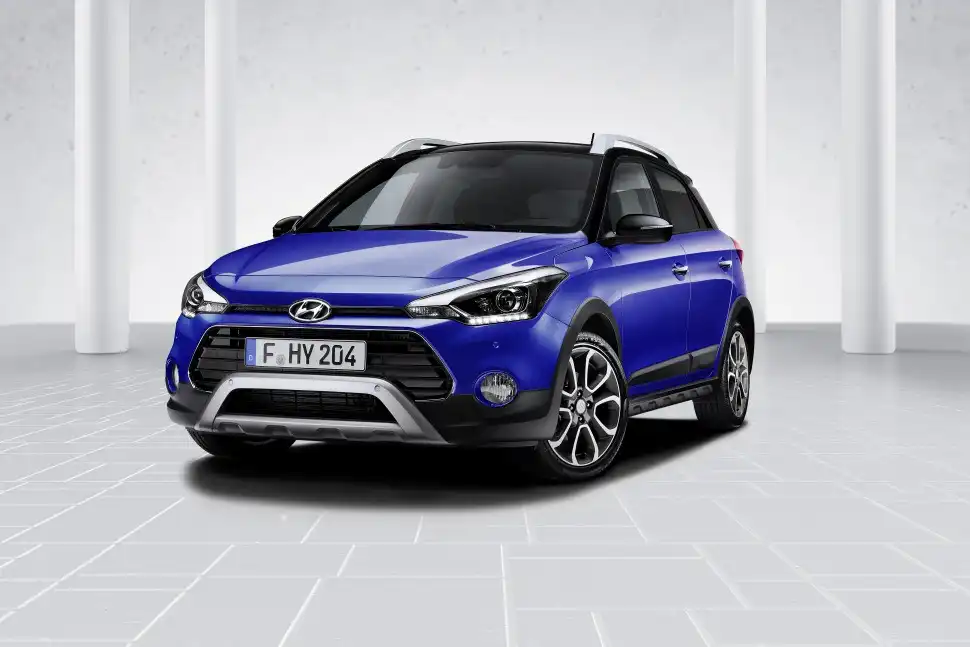
The Hyundai i20 II Active (facelift 2018) 1.0 T-GDi, producing 120 horsepower, represents a significant iteration within the second generation of Hyundai’s popular subcompact hatchback. Introduced in 2018 as part of a mid-cycle refresh, this variant aimed to blend fuel efficiency with a more engaging driving experience than the base engine options. Positioned as a mid-range offering, it slotted between the naturally aspirated 1.2-liter engine and the more performance-focused, though less common, variants. Production continued through 2020, catering primarily to the European market where demand for small, economical, and well-equipped hatchbacks is high. This model aimed to appeal to buyers seeking a stylish, practical, and relatively affordable vehicle for urban and occasional highway driving.
Technical Specifications
| Brand | Hyundai |
| Model | i20 |
| Generation | i20 II Active (facelift 2018) |
| Type (Engine) | 1.0 T-GDi (120 Hp) |
| Start of production | 2018 |
| End of production | 2020 |
| Powertrain Architecture | Internal Combustion engine |
| Body type | Hatchback, Crossover |
| Seats | 5 |
| Doors | 5 |
| Fuel consumption (combined) | 4.4 l/100 km (53.5 US mpg, 64.2 UK mpg, 22.7 km/l) |
| CO2 emissions | 107 g/km |
| Fuel Type | Petrol (Gasoline) |
| Acceleration 0 – 100 km/h | 10.2 sec |
| Acceleration 0 – 62 mph | 10.2 sec |
| Acceleration 0 – 60 mph | 9.7 sec |
| Maximum speed | 190 km/h (118.06 mph) |
| Emission standard | Euro 6d-Temp |
| Weight-to-power ratio | 8.9 kg/Hp, 112.1 Hp/tonne |
| Weight-to-torque ratio | 6.2 kg/Nm, 160.7 Nm/tonne |
| Power | 120 Hp @ 6000 rpm |
| Power per litre | 120.2 Hp/l |
| Torque | 172 Nm @ 1500-4000 rpm (126.86 lb.-ft. @ 1500-4000 rpm) |
| Engine layout | Front, Transverse |
| Engine Model/Code | Kappa II / G3LC |
| Engine displacement | 998 cm3 (60.9 cu. in.) |
| Number of cylinders | 3 |
| Engine configuration | Inline |
| Cylinder Bore | 71 mm (2.8 in.) |
| Piston Stroke | 84 mm (3.31 in.) |
| Compression ratio | 10:1 |
| Number of valves per cylinder | 4 |
| Fuel injection system | Direct injection |
| Engine aspiration | Turbocharger, Intercooler |
| Engine oil capacity | 3.6 l (3.8 US qt | 3.17 UK qt) |
| Coolant | 6.4 l (6.76 US qt | 5.63 UK qt) |
| Kerb Weight | 1070 kg (2358.95 lbs.) |
| Max. weight | 1640 kg (3615.58 lbs.) |
| Max load | 570 kg (1256.63 lbs.) |
| Trunk (boot) space – minimum | 301-326 l (10.63 – 11.51 cu. ft.) |
| Fuel tank capacity | 50 l (13.21 US gal | 11 UK gal) |
| Max. roof load | 70 kg (154.32 lbs.) |
| Permitted trailer load with brakes (12%) | 1110 kg (2447.13 lbs.) |
| Permitted trailer load without brakes | 450 kg (992.08 lbs.) |
| Length | 4065 mm (160.04 in.) |
| Width | 1760 mm (69.29 in.) |
| Height | 1529 mm (60.2 in.) |
| Wheelbase | 2570 mm (101.18 in.) |
| Front track | 1511-1517 mm (59.49 – 59.72 in.) |
| Rear (Back) track | 1512-1519 mm (59.53 – 59.8 in.) |
| Ride height (ground clearance) | 160 mm (6.3 in.) |
| Drivetrain Architecture | The Internal combustion engine (ICE) drives the front wheels of the vehicle. |
| Drive wheel | Front wheel drive |
| Number of gears and type of gearbox | 6 gears, manual transmission |
| Front suspension | Independent type McPherson |
| Rear suspension | Torsion |
| Front brakes | Ventilated discs |
| Rear brakes | Disc |
| Assisting systems | ABS (Anti-lock braking system) |
| Steering type | Steering rack and pinion |
| Power steering | Electric Steering |
| Tires size | 205/45 R17 |
| Wheel rims size | 6.5J x 17 |
Powertrain & Engine Architecture
The heart of this i20 Active is Hyundai’s Kappa II 1.0 T-GDi engine, designated G3LC. This is a three-cylinder, inline gasoline engine featuring direct fuel injection and a single scroll turbocharger with an intercooler. The engine’s compact size and lightweight construction contribute to the vehicle’s overall efficiency. The direct injection system allows for precise fuel delivery, optimizing combustion and reducing emissions. The turbocharger provides a boost in power, compensating for the relatively small displacement. The engine produces 120 horsepower at 6000 rpm and 172 Nm (126.86 lb-ft) of torque between 1500 and 4000 rpm. This torque curve provides good responsiveness in everyday driving situations. The engine is paired with a six-speed manual transmission, delivering power to the front wheels. While an automatic transmission was available on other i20 variants, the 1.0 T-GDi was primarily offered with the manual gearbox in many markets.
Driving Characteristics
The 1.0 T-GDi engine, coupled with the six-speed manual transmission, offers a surprisingly lively driving experience for a subcompact hatchback. While not a performance car, the turbocharger provides a noticeable boost in acceleration, making overtaking and merging onto highways relatively easy. The 0-60 mph time of around 9.7 seconds is respectable for this class of vehicle. The gear ratios are well-matched, allowing the engine to stay within its optimal torque band during normal driving. Compared to the base 1.2-liter engine, the 1.0 T-GDi offers significantly more power and torque, resulting in a more confident and enjoyable driving experience. However, it doesn’t quite match the punch of the more powerful (and less common) i20 variants. The steering is light and precise, making it easy to maneuver in urban environments. The suspension provides a comfortable ride, absorbing bumps and imperfections in the road surface reasonably well.
Equipment & Trim Levels
The i20 II Active (facelift 2018) 1.0 T-GDi typically came equipped with a good level of standard features. These included air conditioning, power windows, central locking, a touchscreen infotainment system with Bluetooth connectivity, and alloy wheels. The “Active” trim level added features such as roof rails, plastic body cladding, and raised ride height, giving it a more crossover-like appearance. Optional extras included a rearview camera, parking sensors, a navigation system, and automatic climate control. Interior upholstery was typically cloth, with a dark color scheme. The dashboard layout was functional and user-friendly, with logically placed controls.
Chassis & Braking
The i20 II Active features a McPherson strut front suspension and a torsion beam rear suspension. This setup provides a good balance between ride comfort and handling. The front brakes are ventilated discs, while the rear brakes are discs. ABS (Anti-lock Braking System) is standard, providing enhanced braking performance and stability. The steering is a rack and pinion system with electric power assistance. The tires are typically 205/45 R17, providing good grip and handling characteristics.
Market Reception & Comparison
The Hyundai i20 II Active 1.0 T-GDi was generally well-received by automotive critics. It was praised for its fuel efficiency, stylish design, and surprisingly engaging driving experience. The 1.0 T-GDi engine was considered a good compromise between performance and economy. Compared to other trims in the i20 lineup, the 1.0 T-GDi offered a more refined and enjoyable driving experience than the base 1.2-liter engine, while being more affordable than the higher-powered variants. Fuel economy was a strong point, with combined figures of around 4.4 l/100 km (53.5 US mpg) being achievable in real-world driving conditions.
Legacy
The Kappa II 1.0 T-GDi engine has proven to be a relatively reliable powertrain. While some early versions experienced minor issues with the turbocharger, these were largely addressed through software updates and revised components. The i20 II Active 1.0 T-GDi remains a popular choice in the used car market, offering a good balance of affordability, fuel efficiency, and practicality. Its compact size and easy-to-drive nature make it an ideal vehicle for urban commuters and first-time car buyers. Regular maintenance, including oil changes and timely replacement of wear items, is essential to ensure the long-term reliability of this powertrain.