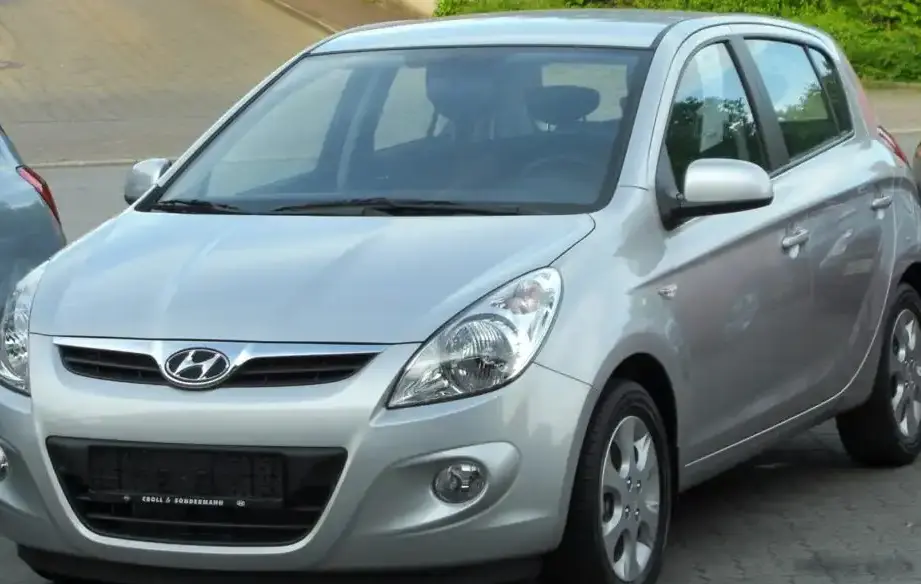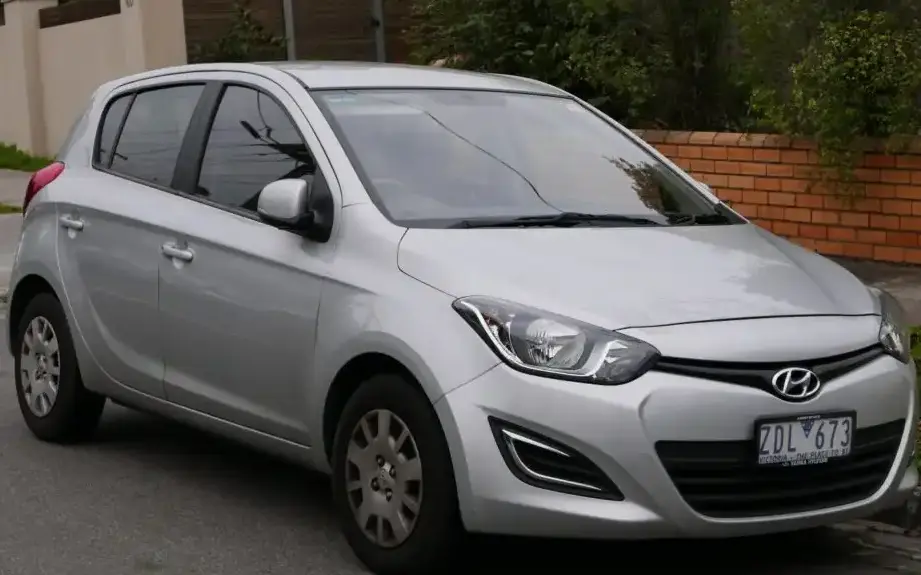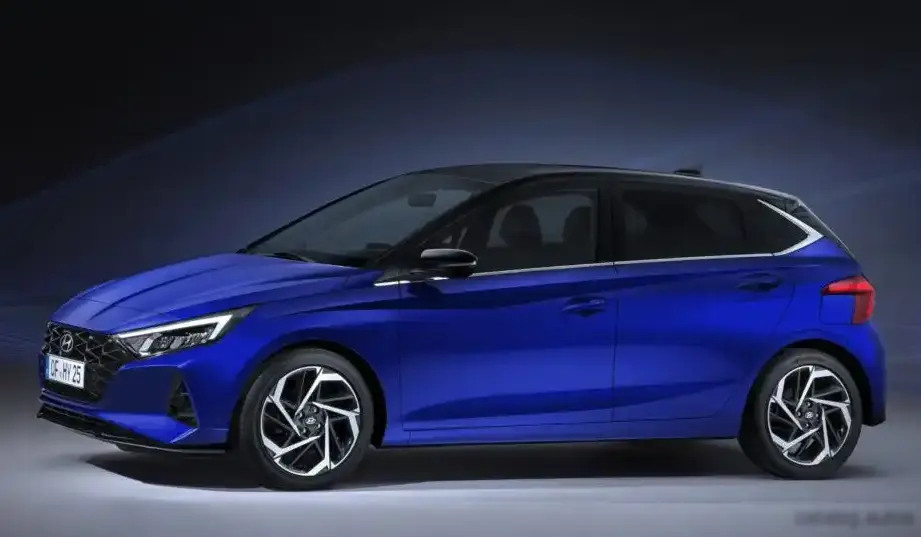
The Hyundai i20 III 1.0 T-GDi (100 hp) DCT represents a significant entry point into the third generation of Hyundai’s popular subcompact hatchback, produced from October 2020 through August 2023. Positioned as a fuel-efficient and technologically-equipped option, this variant aimed to appeal to buyers seeking a modern, practical, and affordable vehicle. It played a key role in Hyundai’s strategy to offer a diverse range of powertrain options within the i20 III lineup, catering to varying consumer preferences and driving needs. This model is primarily a European market vehicle, though it has seen limited availability in other regions.
Technical Specifications
| Brand | Hyundai |
| Model | i20 |
| Generation | i20 III |
| Type (Engine) | 1.0 T-GDi (100 Hp) DCT |
| Start of production | October, 2020 |
| End of production | August, 2023 |
| Powertrain Architecture | Internal Combustion engine |
| Body type | Hatchback |
| Seats | 5 |
| Doors | 5 |
| Fuel Type | Petrol (Gasoline) |
| Acceleration 0 – 100 km/h | 11.4 sec |
| Acceleration 0 – 62 mph | 11.4 sec |
| Acceleration 0 – 60 mph | 10.8 sec |
| Emission standard | Euro 6d |
| Power | 100 Hp @ 6000 rpm |
| Power per litre | 100.2 Hp/l |
| Torque | 172 Nm @ 1500 rpm (126.86 lb.-ft. @ 1500 rpm) |
| Engine Model/Code | G3LE |
| Engine displacement | 998 cm3 (60.9 cu. in.) |
| Number of cylinders | 3 |
| Engine configuration | Inline |
| Fuel injection system | Direct injection |
| Engine aspiration | Turbocharger, Intercooler |
| Engine oil capacity | 3.6 l (3.8 US qt | 3.17 UK qt) |
| Trunk (boot) space – minimum | 351 l (12.4 cu. ft.) |
| Length | 4040 mm (159.06 in.) |
| Width | 1750 mm (68.9 in.) |
| Height | 1450 mm (57.09 in.) |
| Wheelbase | 2580 mm (101.57 in.) |
| Drivetrain Architecture | Front wheel drive |
| Number of gears and type of gearbox | 7 gears, automatic transmission DCT |
| Assisting systems | ABS (Anti-lock braking system) |
| Wheel rims size | 17 |
Powertrain & Engine Architecture
The heart of the i20 III 1.0 T-GDi is Hyundai’s G3LE engine, a 998cc, three-cylinder turbocharged gasoline engine. This engine is part of Hyundai-Kia’s “Kappa” engine family, known for its compact size and efficiency. The G3LE utilizes direct fuel injection, a technology that improves combustion efficiency and power output. A single scroll turbocharger with an intercooler is employed to boost performance, delivering 100 horsepower at 6000 rpm and 172 Nm (126.86 lb-ft) of torque at a low 1500 rpm. This torque curve is a key characteristic, providing good responsiveness in everyday driving situations. The engine also incorporates a Start & Stop system to further enhance fuel economy.
Paired with the engine is a 7-speed Dual Clutch Transmission (DCT). This DCT provides quick and smooth gear changes, contributing to a more engaging driving experience than a traditional automatic transmission. The DCT’s programming is tuned for fuel efficiency and comfort, prioritizing smooth transitions over aggressive shifts.
Driving Characteristics
The 100 hp 1.0 T-GDi DCT powertrain delivers adequate performance for urban and highway driving. While not a particularly sporty setup, the turbocharger provides a noticeable boost in power when accelerating. The 0-60 mph time of around 10.8 seconds is typical for a vehicle in this class. The DCT transmission contributes to a refined driving experience, with minimal hesitation during gear changes. Compared to the higher-output 1.2-liter naturally aspirated engine option available in some markets, the 1.0 T-GDi offers more torque at lower engine speeds, making it feel more responsive in everyday traffic. However, it lacks the overall power of larger engine options. The DCT’s gear ratios are optimized for fuel economy, which can sometimes result in the engine feeling slightly strained during aggressive acceleration.
Equipment & Trim Levels
The i20 III 1.0 T-GDi DCT was typically offered in mid-range trim levels, such as SE, Comfort, or similar designations depending on the specific market. Standard equipment generally included air conditioning, a touchscreen infotainment system with Apple CarPlay and Android Auto compatibility, Bluetooth connectivity, and a suite of safety features including ABS, Electronic Stability Control (ESC), and multiple airbags. Higher trim levels added features like alloy wheels, a rear-view camera, parking sensors, and upgraded interior materials. Interior upholstery was typically cloth, with options for partial leather trim on higher-spec models. The dashboard layout was modern and functional, with a focus on ease of use.
Chassis & Braking
The i20 III utilizes a front-wheel-drive platform with a MacPherson strut front suspension and a torsion beam rear suspension. This setup provides a good balance between ride comfort and handling. The torsion beam rear suspension is a cost-effective solution commonly found in vehicles of this class. Braking systems typically consisted of disc brakes on the front wheels and drum brakes on the rear wheels, although some higher trim levels featured rear disc brakes. ABS (Anti-lock Braking System) was standard across all trim levels. Stabilizer bars were fitted to both the front and rear axles to reduce body roll during cornering.
Market Reception & Comparison
The Hyundai i20 III 1.0 T-GDi DCT was generally well-received by automotive critics for its fuel efficiency, comfortable ride, and well-equipped interior. It was often praised as a strong competitor in the subcompact hatchback segment, offering a compelling alternative to rivals like the Volkswagen Polo, Ford Fiesta, and Renault Clio. Fuel economy figures typically ranged from 45 to 55 mpg (combined cycle), depending on driving conditions and trim level. Compared to the naturally aspirated engine options, the 1.0 T-GDi offered better performance and fuel economy, but at a slightly higher price point. Reliability reports have been generally positive, with few major issues reported with the powertrain.
Legacy
The Hyundai i20 III 1.0 T-GDi DCT has established itself as a reliable and economical choice in the used car market. The G3LE engine has proven to be relatively durable, with proper maintenance. The DCT transmission, while more complex than a traditional automatic, has also demonstrated good long-term reliability. As a result, these models continue to hold their value reasonably well. The combination of fuel efficiency, practicality, and modern features makes the i20 III 1.0 T-GDi DCT a popular option for buyers seeking an affordable and dependable subcompact hatchback.