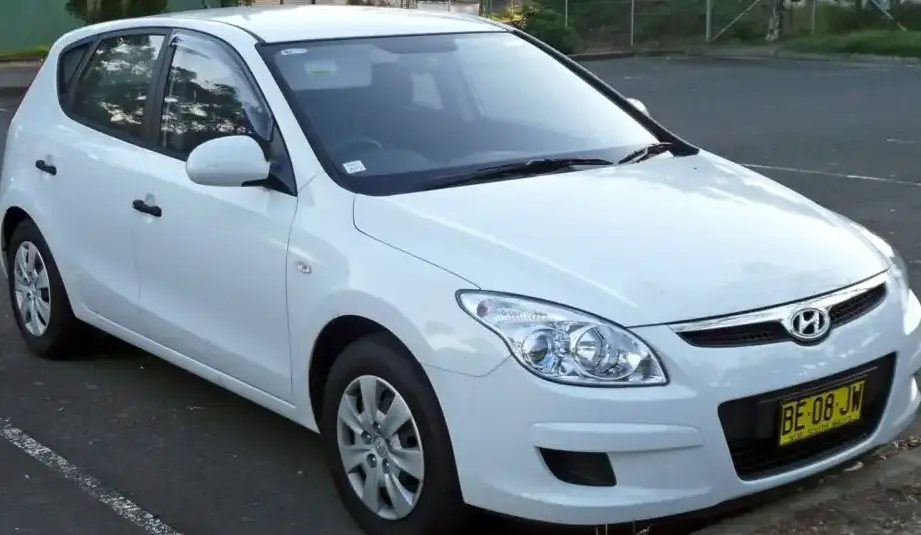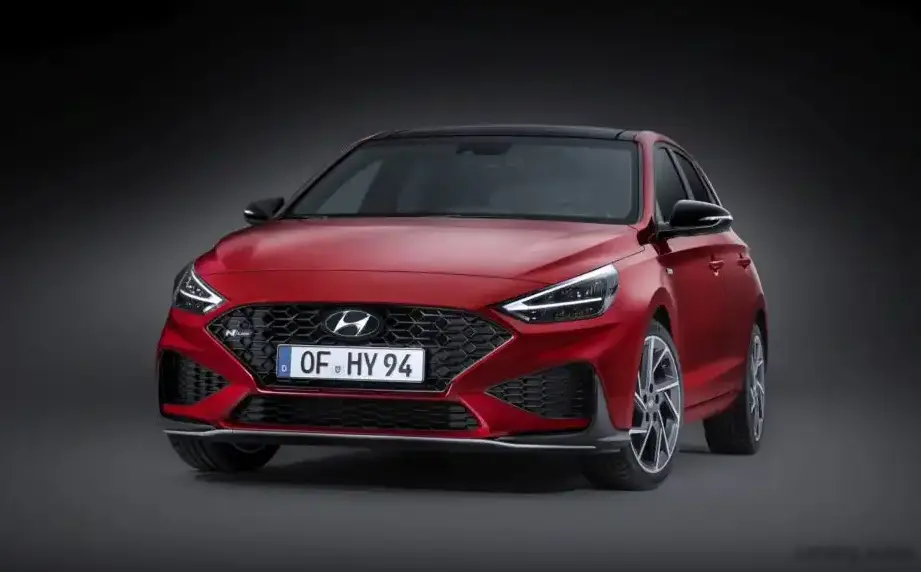
The Hyundai i30 III (facelift, released in September 2020 and produced through January 2022) 1.6 CRDi 136 horsepower Mild Hybrid represents a significant iteration within the third generation of Hyundai’s globally successful compact hatchback. Positioned as a mid-range offering in the i30 lineup, this variant aimed to balance fuel efficiency with respectable performance, leveraging mild hybrid technology to meet increasingly stringent emissions standards. It was primarily marketed in Europe, where the demand for diesel-powered, fuel-efficient vehicles remained strong. This model built upon the foundation of the PD platform (internally known as the i30 III), offering a practical and well-equipped package for everyday driving.
Technical Specifications
| Brand | Hyundai |
| Model | i30 |
| Generation | i30 III (facelift 2020) |
| Type (Engine) | 1.6 CRDi (136 Hp) Mild Hybrid |
| Start of production | September, 2020 |
| End of production | January, 2022 |
| Powertrain Architecture | MHEV (Mild Hybrid Electric Vehicle) |
| Body type | Hatchback |
| Seats | 5 |
| Doors | 5 |
| Fuel Type | Diesel |
| Acceleration 0 – 100 km/h | 10.2 sec |
| Acceleration 0 – 62 mph | 10.2 sec |
| Acceleration 0 – 60 mph | 9.7 sec |
| Maximum speed | 200 km/h (124.27 mph) |
| Emission standard | EURO 6d TEMP |
| Weight-to-power ratio | 9.7 kg/Hp |
| Weight-to-torque ratio | 4.7 kg/Nm |
| Power | 136 Hp @ 4000 rpm |
| Power per litre | 85.1 Hp/l |
| Torque | 280 Nm @ 1500-3000 rpm (206.52 lb.-ft.) |
| Engine layout | Front, Transverse |
| Engine Model/Code | D4FE |
| Engine displacement | 1598 cm3 (97.52 cu. in.) |
| Number of cylinders | 4 |
| Engine configuration | Inline |
| Number of valves per cylinder | 4 |
| Fuel injection system | Diesel Commonrail |
| Engine aspiration | Turbocharger, Intercooler |
| Engine oil capacity | 4.4 l (4.65 US qt | 3.87 UK qt) |
| Coolant capacity | 6.2 l (6.55 US qt | 5.46 UK qt) |
| Kerb Weight | 1313 kg (2894.67 lbs.) |
| Max. weight | 1890 kg (4166.74 lbs.) |
| Max load | 577 kg (1272.07 lbs.) |
| Trunk (boot) space – minimum | 395 l (13.95 cu. ft.) |
| Trunk (boot) space – maximum | 1301 l (45.94 cu. ft.) |
| Max. roof load | 80 kg (176.37 lbs.) |
| Permitted trailer load with brakes (12%) | 1500 kg (3306.93 lbs.) |
| Permitted trailer load without brakes | 650 kg (1433 lbs.) |
| Length | 4340 mm (170.87 in.) |
| Width | 1795 mm (70.67 in.) |
| Height | 1455 mm (57.28 in.) |
| Wheelbase | 2650 mm (104.33 in.) |
| Drivetrain Architecture | Front wheel drive, MHEV |
| Number of gears | 6 |
| Gearbox type | Manual transmission |
| Front suspension | Independent, McPherson with coil spring and anti-roll bar |
| Rear suspension | Independent multi-link suspension |
| Assisting systems | ABS (Anti-lock braking system) |
| Steering type | Steering rack and pinion |
Powertrain & Engine Architecture
The heart of the i30 1.6 CRDi Mild Hybrid is the D4FE engine, a 1.6-liter inline-four cylinder diesel engine. This engine utilizes a second-generation common-rail direct injection system, delivering fuel at extremely high pressures for optimized combustion. A turbocharger with an intercooler further enhances performance, providing increased air intake for greater power output. The engine produces 136 horsepower at 4000 rpm and a substantial 280 Nm (206.52 lb-ft) of torque between 1500 and 3000 rpm. The “Mild Hybrid” aspect comes from a 48V integrated starter generator (ISG) which assists the engine during acceleration and allows for regenerative braking, capturing energy normally lost during deceleration to recharge a small battery. This system doesn’t allow for fully electric driving, but it improves fuel economy and reduces emissions. The engine is paired with a six-speed manual transmission, chosen for its efficiency and driver engagement.
Driving Characteristics
The 1.6 CRDi Mild Hybrid i30 offers a balanced driving experience. While not a performance-oriented model, the 136 hp engine and 280 Nm of torque provide adequate power for everyday driving situations. Acceleration from 0 to 60 mph takes approximately 9.7 seconds, and top speed is rated at 124.27 mph. The six-speed manual transmission allows for precise gear selection, and the engine’s torque curve provides good responsiveness in most driving scenarios. Compared to the more powerful gasoline engines available in the i30 range, this diesel variant prioritizes fuel economy and low-end torque. It feels less eager to rev, but offers a more relaxed and efficient cruising experience. Compared to the 1.9 TDI variants found in some competing models, the Hyundai offers a more refined and quieter driving experience, though with slightly less outright power.
Equipment & Trim Levels
The 1.6 CRDi Mild Hybrid trim typically fell into the mid-range of the i30 lineup. Standard equipment generally included air conditioning, a touchscreen infotainment system with Apple CarPlay and Android Auto compatibility, Bluetooth connectivity, and a suite of safety features such as ABS, ESC (Electronic Stability Control), and multiple airbags. Higher trim levels added features like automatic climate control, a larger touchscreen display, navigation system, rear parking sensors, and a reversing camera. Interior upholstery was typically cloth, with options for leather upgrades. Exterior features included alloy wheels, body-colored door handles and mirrors, and LED daytime running lights.
Chassis & Braking
The i30 III utilizes a McPherson strut front suspension and a multi-link rear suspension, providing a comfortable and controlled ride. The suspension is tuned to balance handling and ride comfort, making it suitable for a variety of road conditions. The front brakes are ventilated discs, while the rear brakes are typically solid discs on higher trims, and drums on lower trims. The steering is a rack and pinion system, providing precise and responsive steering feel. The chassis is designed to be lightweight yet rigid, contributing to improved handling and fuel efficiency.
Market Reception & Comparison
The Hyundai i30 1.6 CRDi Mild Hybrid was generally well-received by automotive critics. It was praised for its fuel efficiency, comfortable ride, and well-equipped interior. However, some critics noted that the engine could feel a bit underpowered, especially when fully loaded or driving uphill. Compared to other diesel-powered hatchbacks in its class, such as the Volkswagen Golf and Ford Focus, the i30 offered a competitive level of equipment and value for money. Its fuel economy figures were comparable to its rivals, and the mild hybrid system provided a small but noticeable improvement in efficiency. Reliability reports have generally been positive, with the D4FE engine proving to be a durable and dependable unit.
Legacy
The Hyundai i30 1.6 CRDi Mild Hybrid represents an important step in Hyundai’s development of fuel-efficient and environmentally friendly vehicles. The introduction of mild hybrid technology demonstrated Hyundai’s commitment to reducing emissions and improving fuel economy. In the used car market, these models are generally considered to be a good value, offering a reliable and economical option for buyers seeking a practical and well-equipped hatchback. The D4FE engine, while not known for being particularly exciting, has proven to be a robust and long-lasting unit, making these i30s a sensible choice for those prioritizing reliability and running costs.