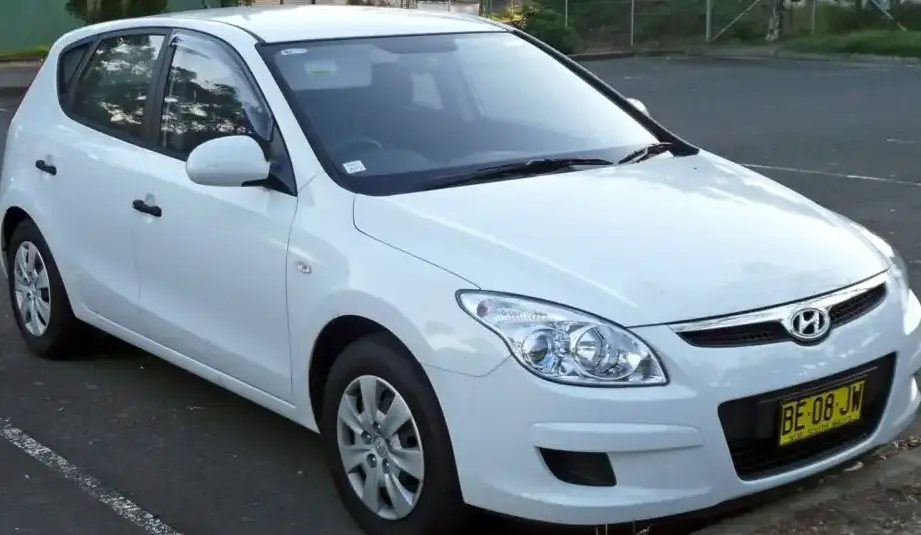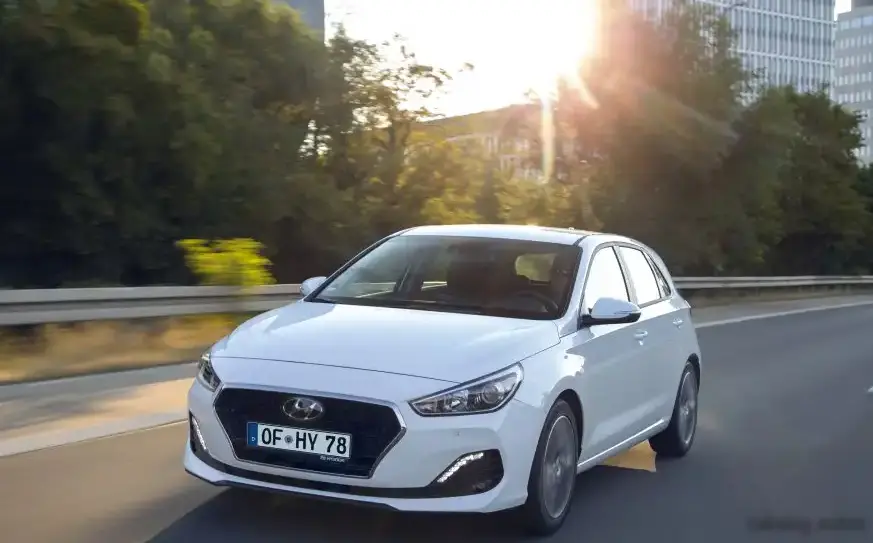
The Hyundai i30 III (facelift, introduced in 2019) N 2.0 T-GDI, producing 250 horsepower, represents the high-performance variant of the third-generation i30. Positioned as the flagship model within the i30 range, it was designed to compete with established hot hatches like the Volkswagen Golf GTI and Ford Focus ST. Production of this specific configuration ran from 2019 to 2020. The “N” designation signifies Hyundai’s burgeoning performance division, developed with expertise gained from motorsport. This model aimed to deliver a more engaging driving experience than the standard i30, focusing on track capability alongside everyday usability.
Technical Specifications
| Brand | Hyundai |
| Model | i30 |
| Generation | i30 III (facelift 2019) |
| Type (Engine) | N 2.0 T-GDI (250 Hp) |
| Start of production | 2019 |
| End of production | 2020 |
| Powertrain Architecture | Internal Combustion engine |
| Body type | Hatchback |
| Seats | 5 |
| Doors | 5 |
| Fuel consumption (urban) | 10.7 l/100 km (22 US mpg, 26.4 UK mpg, 9.3 km/l) |
| Fuel consumption (extra urban) | 5.9 l/100 km (39.9 US mpg, 47.9 UK mpg, 16.9 km/l) |
| Fuel consumption (combined) | 7.7 l/100 km (30.5 US mpg, 36.7 UK mpg, 13 km/l) |
| CO2 emissions | 176 g/km |
| Fuel Type | Petrol (Gasoline) |
| Maximum speed | 250 km/h (155.34 mph) |
| Emission standard | Euro 6d – TEMP |
| Weight-to-power ratio | 5.6 kg/Hp, 178.6 Hp/tonne |
| Weight-to-torque ratio | 4 kg/Nm, 252.1 Nm/tonne |
| Power | 250 Hp @ 6000 rpm |
| Power per litre | 125.1 Hp/l |
| Torque | 353 Nm @ 1450-4500 rpm (260.36 lb.-ft. @ 1450-4500 rpm) |
| Engine layout | Front, Transverse |
| Engine Model/Code | G4KH |
| Engine displacement | 1998 cm3 (121.93 cu. in.) |
| Number of cylinders | 4 |
| Engine configuration | Inline |
| Cylinder Bore | 86 mm (3.39 in.) |
| Piston Stroke | 86 mm (3.39 in.) |
| Number of valves per cylinder | 4 |
| Fuel injection system | Direct injection |
| Engine aspiration | Turbocharger, Intercooler |
| Engine oil capacity | 4.8 l (5.07 US qt, 4.22 UK qt) |
| Coolant capacity | 8.5 l (8.98 US qt, 7.48 UK qt) |
| Kerb Weight | 1400-1480 kg (3086.47 – 3262.84 lbs.) |
| Max. weight | 1950 kg (4299.01 lbs.) |
| Max load | 470-550 kg (1036.17 – 1212.54 lbs.) |
| Trunk (boot) space – minimum | 395 l (13.95 cu. ft.) |
| Trunk (boot) space – maximum | 1301 l (45.94 cu. ft.) |
| Fuel tank capacity | 50 l (13.21 US gal, 11 UK gal) |
| Max. roof load | 80 kg (176.37 lbs.) |
| Permitted trailer load with brakes (12%) | 1600 kg (3527.4 lbs.) |
| Permitted trailer load without brakes | 700 kg (1543.24 lbs.) |
| Permitted towbar download | 80 kg (176.37 lbs.) |
| Length | 4335 mm (170.67 in.) |
| Width | 1795 mm (70.67 in.) |
| Height | 1451 mm (57.13 in.) |
| Wheelbase | 2650 mm (104.33 in.) |
| Front track | 1557 mm (61.3 in.) |
| Rear track | 1566 mm (61.65 in.) |
| Front overhang | 905 mm (35.63 in.) |
| Rear overhang | 780 mm (30.71 in.) |
| Ride height (ground clearance) | 136 mm (5.35 in.) |
| Drivetrain Architecture | Front wheel drive, Internal Combustion engine |
| Drive wheel | Front wheel drive |
| Number of gears and type of gearbox | 6 gears, manual transmission |
| Front brakes | Ventilated discs, 330 mm |
| Rear brakes | Disc, 300 mm |
| Assisting systems | ABS (Anti-lock braking system) |
| Steering type | Steering rack and pinion |
| Power steering | Electric Steering |
Powertrain & Engine Architecture
The heart of the i30 N is the G4KH 2.0-liter turbocharged inline-four cylinder engine. This engine is a significant departure from the standard i30 powertrains, featuring direct injection and a twin-scroll turbocharger. The twin-scroll design minimizes turbo lag, providing quicker throttle response. The engine utilizes a reinforced crankshaft, connecting rods, and pistons to handle the increased power output. The fuel injection system is a multi-point direct injection system, optimizing fuel delivery for both power and efficiency. The engine is transversely mounted, driving the front wheels. The 6-speed manual transmission was specifically tuned for the N model, with closer gear ratios to maximize performance.
Driving Characteristics
The i30 N 2.0 T-GDI delivers a noticeably more aggressive driving experience compared to other i30 variants. The 250 horsepower and 353 Nm (260 lb-ft) of torque provide brisk acceleration. The manual transmission allows for precise gear changes, and the shorter gear ratios keep the engine within its optimal power band. The suspension is significantly stiffer than the standard i30, with adaptive dampers available as an option, offering a more controlled ride. The steering is also weighted heavier, providing more feedback to the driver. While comfortable enough for daily driving, the i30 N truly shines on winding roads or track days. Compared to lower-powered i30 models, the N offers a much more engaging and sporty experience, sacrificing some ride comfort for enhanced performance.
Equipment & Trim Levels
The i30 N came well-equipped as standard, focusing on performance-oriented features. Standard equipment included sport seats with enhanced bolstering, a leather-wrapped steering wheel, and unique N-branded interior trim. Exterior features included a more aggressive body kit, larger exhaust outlets, and distinctive alloy wheels. Optional extras included adaptive dampers, a performance exhaust system, and a panoramic sunroof. The interior dashboard configuration was similar to other i30 models, but with unique N-specific graphics and displays. Upholstery was typically a combination of cloth and leather, with options for full leather seats.
Chassis & Braking
The i30 N features a reinforced chassis compared to the standard i30, improving rigidity and handling. The suspension utilizes MacPherson struts at the front and a multi-link setup at the rear. Brakes are upgraded to ventilated discs on all four wheels, with the front discs measuring 330mm. ABS (Anti-lock Braking System) is standard. The steering system is a rack and pinion type with electric power assistance. The suspension tuning is firmer, designed to minimize body roll and maximize grip.
Market Reception & Comparison
The Hyundai i30 N was generally well-received by automotive critics. It was praised for its engaging driving dynamics, strong performance, and competitive price point. Compared to rivals like the Volkswagen Golf GTI, the i30 N offered a more raw and visceral driving experience, while the GTI prioritized refinement and comfort. Fuel economy was respectable for a performance hatchback, averaging around 30.5 US mpg in combined driving. Reliability reports have been generally positive, with few major issues reported. The i30 N represented a significant step forward for Hyundai’s performance division, establishing the brand as a serious contender in the hot hatch segment.
Legacy
The i30 N 2.0 T-GDI has proven to be a relatively reliable powertrain. The G4KH engine, while turbocharged, has demonstrated good durability with regular maintenance. On the used car market, these models hold their value reasonably well, particularly those with lower mileage and a full service history. The i30 N paved the way for further N models from Hyundai, solidifying the brand’s commitment to performance vehicles. It remains a popular choice for enthusiasts seeking an affordable and engaging hot hatch.