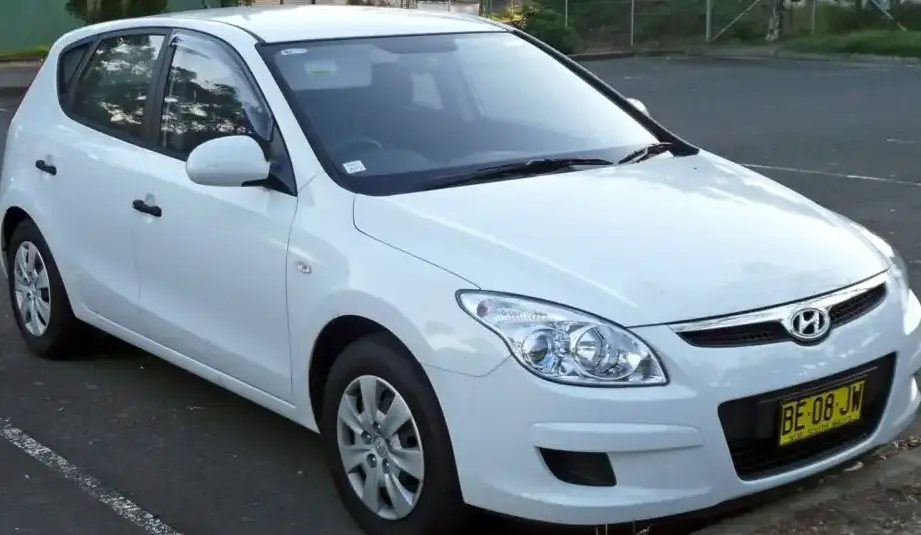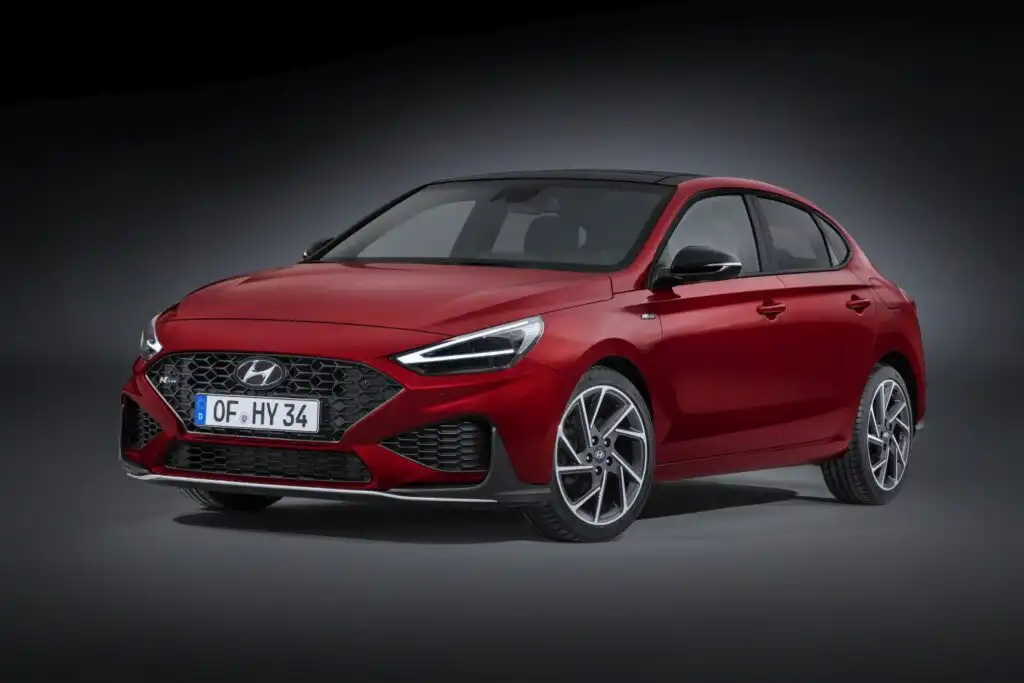
The Hyundai i30 III Fastback, specifically the 1.6 CRDi variant producing 115 horsepower, was a key model in Hyundai’s European lineup from September 2020 to January 2022. This version of the i30, part of the PD generation (internally designated as the i30 III), aimed to offer a blend of practicality, fuel efficiency, and a more stylish fastback body style compared to the traditional hatchback. Positioned as a mid-range offering, it slotted between the lower-powered gasoline engines and the more potent diesel options within the i30 range. The facelifted 2020 model brought updated styling and technology to the i30 family.
Technical Specifications
| Brand | Hyundai |
| Model | i30 |
| Generation | i30 III Fastback (facelift 2020) |
| Type (Engine) | 1.6 CRDi (115 Hp) |
| Start of production | September, 2020 |
| End of production | January, 2022 |
| Powertrain Architecture | Internal Combustion engine |
| Body type | Fastback |
| Seats | 5 |
| Doors | 5 |
| Fuel Type | Diesel |
| Acceleration 0 – 100 km/h | 10.9 sec |
| Acceleration 0 – 62 mph | 10.9 sec |
| Acceleration 0 – 60 mph | 10.4 sec |
| Maximum speed | 192 km/h (119.3 mph) |
| Emission standard | EURO 6d TEMP |
| Weight-to-power ratio | 11.6 kg/Hp, 86.1 Hp/tonne |
| Weight-to-torque ratio | 4.8 kg/Nm, 209.7 Nm/tonne |
| Power | 115 Hp @ 4000 rpm |
| Power per litre | 72 Hp/l |
| Torque | 280 Nm @ 1500-2750 rpm (206.52 lb.-ft. @ 1500-2750 rpm) |
| Engine layout | Front, Transverse |
| Engine Model/Code | D4FE |
| Engine displacement | 1598 cm3 (97.52 cu. in.) |
| Number of cylinders | 4 |
| Engine configuration | Inline |
| Number of valves per cylinder | 4 |
| Fuel injection system | Diesel Commonrail |
| Engine aspiration | Turbocharger, Intercooler |
| Engine oil capacity | 4.4 l (4.65 US qt | 3.87 UK qt) |
| Coolant | 7.3 l (7.71 US qt | 6.42 UK qt) |
| Kerb Weight | 1335 kg (2943.17 lbs) |
| Max. weight | 1900 kg (4188.78 lbs) |
| Max load | 565 kg (1245.61 lbs) |
| Trunk (boot) space – minimum | 450 l (15.89 cu. ft.) |
| Trunk (boot) space – maximum | 1351 l (47.71 cu. ft.) |
| Max. roof load | 80 kg (176.37 lbs) |
| Permitted trailer load with brakes (12%) | 1500 kg (3306.93 lbs) |
| Permitted trailer load without brakes | 650 kg (1433 lbs) |
| Length | 4455 mm (175.39 in) |
| Width | 1795 mm (70.67 in) |
| Height | 1425 mm (56.1 in) |
| Wheelbase | 2650 mm (104.33 in) |
| Drivetrain Architecture | The Internal combustion engine (ICE) drives the front wheels of the vehicle. |
| Drive wheel | Front wheel drive |
| Number of gears and type of gearbox | 6 gears, manual transmission |
| Front suspension | Independent, type McPherson with coil spring and anti-roll bar |
| Rear suspension | Independent multi-link suspension |
| Assisting systems | ABS (Anti-lock braking system) |
| Steering type | Steering rack and pinion |
Powertrain & Engine Architecture
The heart of the i30 III Fastback 1.6 CRDi is the D4FE engine, a 1.6-liter inline-four cylinder diesel. This engine utilizes a second-generation common-rail direct injection system, delivering fuel at extremely high pressures for optimized combustion. A turbocharger with an intercooler is employed to boost power and torque, providing a broader powerband. The engine produces 115 horsepower at 4000 rpm and a respectable 280 Nm (206.52 lb-ft) of torque between 1500 and 2750 rpm. This torque output is a key characteristic of diesel engines, providing strong pulling power at lower engine speeds. The engine also incorporates a diesel particulate filter (DPF) to meet stringent Euro 6d TEMP emissions standards. The 6-speed manual transmission was the standard offering for this variant, chosen for its efficiency and driver engagement.
Driving Characteristics
The 1.6 CRDi 115 hp i30 Fastback offered a comfortable and economical driving experience. Acceleration from 0 to 60 mph took around 10.4 seconds, and top speed was rated at 119.3 mph. While not a performance-oriented model, the engine’s torque delivery made it feel responsive in everyday driving situations. The manual transmission allowed for precise gear selection, and the gear ratios were tuned for fuel efficiency. Compared to the higher-output 1.6 CRDi variants, this version felt less eager to rev, but it provided a more relaxed and refined driving experience. The manual gearbox also offered better control than the optional automatic transmission available on other i30 trims.
Equipment & Trim Levels
The 1.6 CRDi 115 hp i30 Fastback typically came equipped with a solid base level of features. Standard equipment included air conditioning, a touchscreen infotainment system with Apple CarPlay and Android Auto compatibility, Bluetooth connectivity, and a suite of safety features such as ABS, ESC (Electronic Stability Control), and multiple airbags. Higher trim levels, such as SE Nav or Premium, added features like navigation, a larger touchscreen display, automatic climate control, parking sensors, and alloy wheels. Interior upholstery was typically cloth, with options for leather upgrades on higher trims. The dashboard layout was modern and functional, with a focus on ergonomics.
Chassis & Braking
The i30 III Fastback utilized a McPherson strut front suspension and a multi-link rear suspension, providing a good balance between ride comfort and handling. The suspension was tuned to prioritize comfort, but it still offered decent body control in corners. The braking system consisted of disc brakes on the front wheels and drum brakes on the rear wheels. ABS (Anti-lock Braking System) was standard, enhancing braking performance and stability. The steering was a rack and pinion system, providing precise and responsive steering feel.
Market Reception & Comparison
The Hyundai i30 III Fastback 1.6 CRDi 115 hp was generally well-received by automotive critics. It was praised for its fuel efficiency, comfortable ride, and spacious interior. However, some critics noted that the engine could feel underpowered when fully loaded or when tackling steep hills. Compared to the more powerful diesel variants, this version offered a lower price point and better fuel economy. It also provided a more accessible entry point into the i30 range for budget-conscious buyers. Against competitors like the Volkswagen Golf, Ford Focus, and Opel Astra, the i30 offered a compelling value proposition with its generous standard equipment and long warranty.
Legacy
The 1.6 CRDi engine, in various iterations, proved to be a reliable and durable powertrain in the Hyundai i30 range. While diesel engines have faced increasing scrutiny in recent years, the D4FE engine generally enjoys a good reputation for longevity. On the used car market, the i30 III Fastback 1.6 CRDi 115 hp represents a practical and affordable option for buyers seeking a fuel-efficient and comfortable compact car. Regular maintenance, including timely oil changes and DPF servicing, is crucial for ensuring the long-term reliability of this powertrain. The i30 Fastback, with its distinctive styling, continues to be a popular choice among those looking for a versatile and well-equipped vehicle.