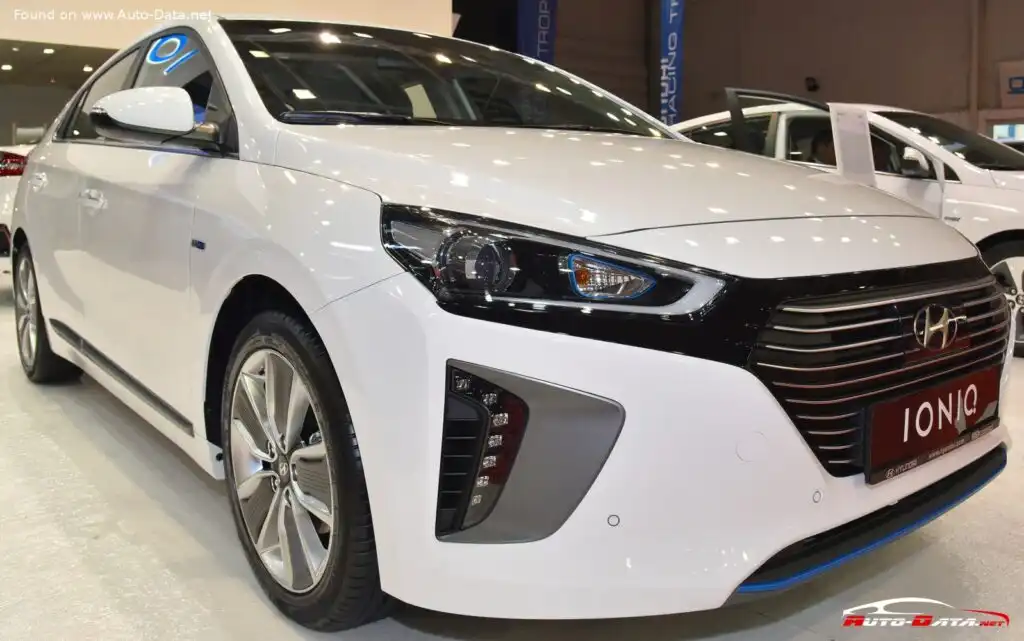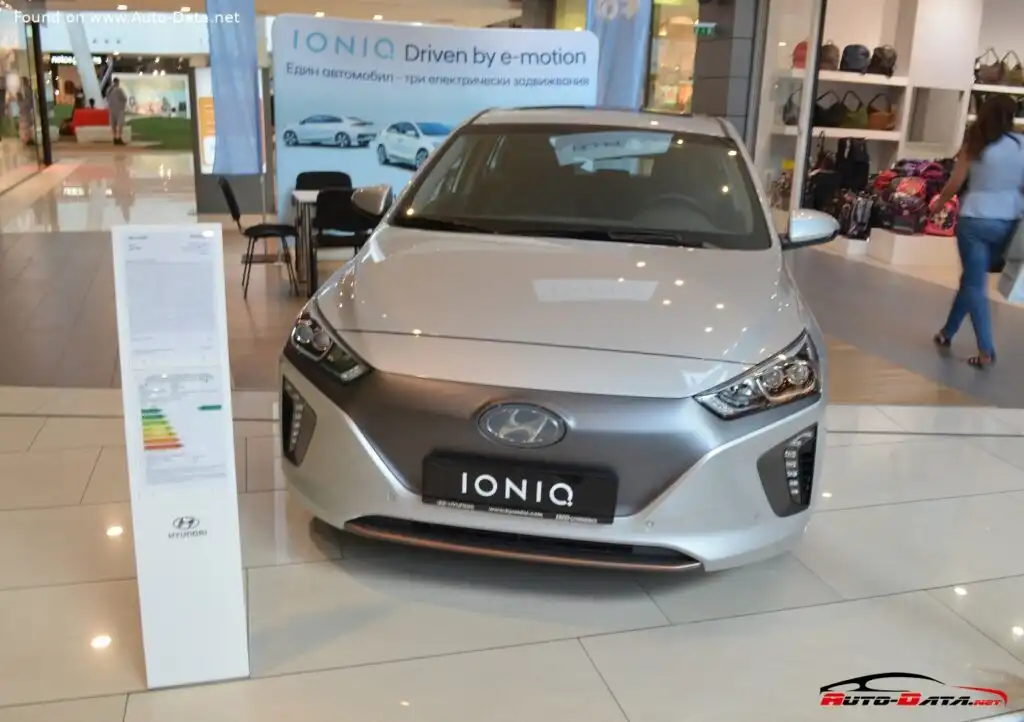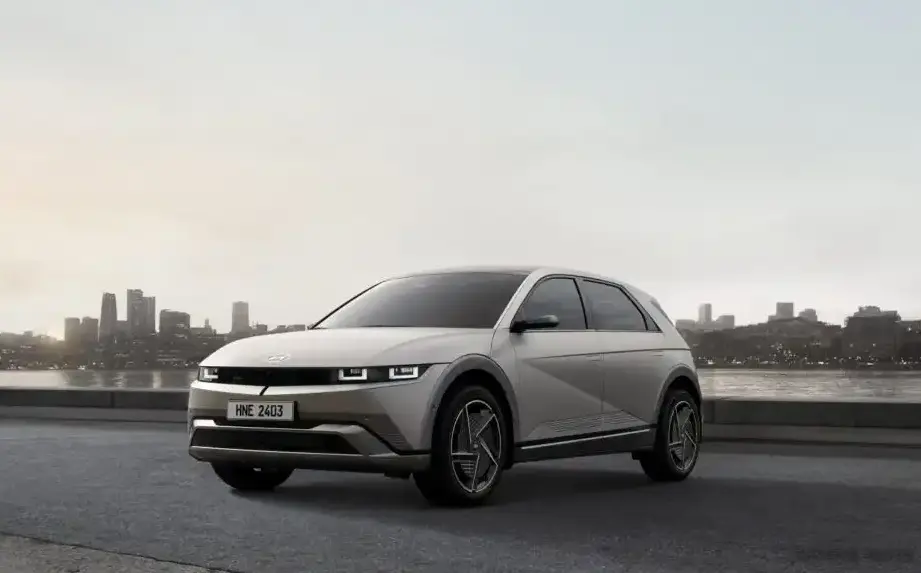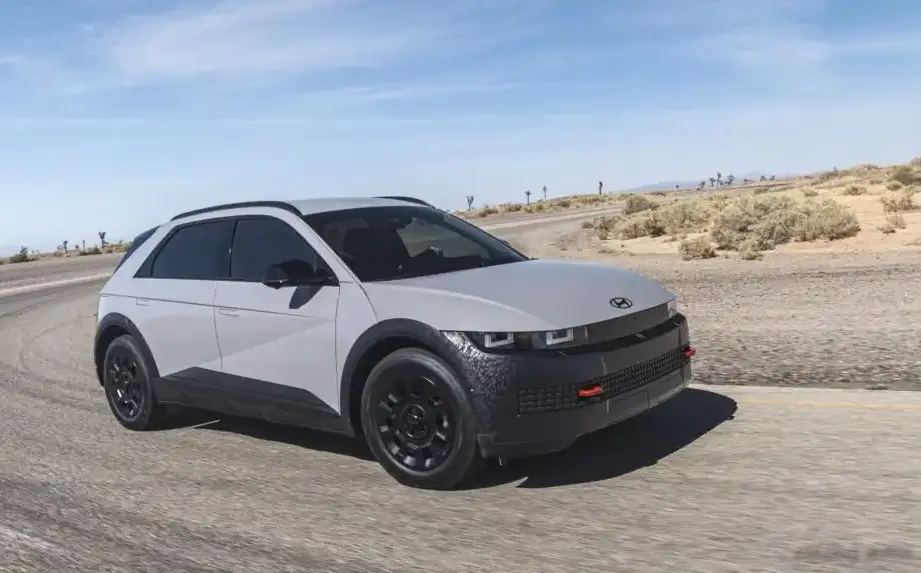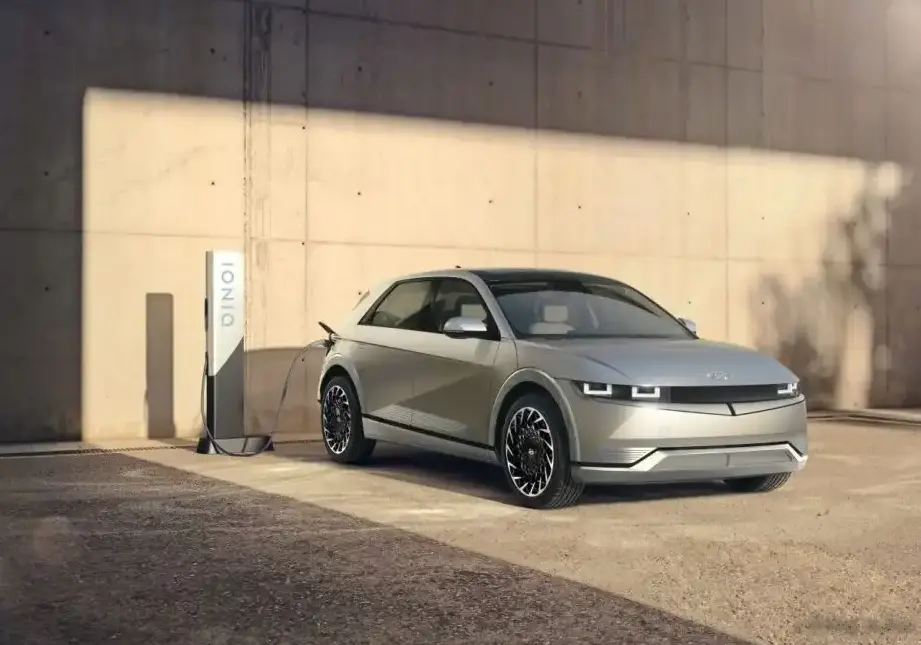
The Hyundai IONIQ 5, specifically the 77.4 kWh (325 Hp) Electric All-Wheel Drive variant, represents a significant step forward in Hyundai’s commitment to electric vehicle technology. Introduced in December 2021 and continuing through the 2024 model year, this version of the IONIQ 5 quickly became a popular choice in the burgeoning EV market, particularly for buyers seeking a blend of range, performance, and innovative features. It’s built on Hyundai’s Electric Global Modular Platform (E-GMP), a dedicated EV architecture designed to maximize interior space and efficiency. This particular trim level sits at the higher end of the IONIQ 5 lineup, offering the largest battery pack and dual-motor all-wheel drive capability.
Technical Specifications
| Brand | Hyundai |
| Model | IONIQ 5 |
| Generation | IONIQ 5 |
| Type (Engine) | 77.4 kWh (325 Hp) Electric AWD |
| Start of production | December, 2021 |
| End of production | 2024 |
| Powertrain Architecture | BEV (Electric Vehicle) |
| Body type | SUV |
| Seats | 5 |
| Doors | 5 |
| Fuel Type | Electricity |
| Maximum speed | 185 km/h (114.95 mph) |
| Weight-to-power ratio | 6.2 kg/Hp (160.5 Hp/tonne) |
| Weight-to-torque ratio | 3.3 kg/Nm (298.8 Nm/tonne) |
| Gross battery capacity | 77.4 kWh |
| All-electric range | 402.3-432.9 km (249.98 – 268.99 mi) |
| Electric motor 1 power | 101 Hp |
| Electric motor 1 location | Front, Transverse |
| Electric motor 2 power | 224 Hp |
| Electric motor 2 location | Rear, Transverse |
| System power | 325 Hp |
| System torque | 605 Nm (446.23 lb.-ft.) |
| Kerb Weight | 2025-2115 kg (4464.36 – 4662.78 lbs.) |
| Max. weight | 2540 kg (5599.74 lbs.) |
| Max load | 425-515 kg (936.96 – 1135.38 lbs.) |
| Trunk (boot) space – minimum | 770 l (27.19 cu. ft.) |
| Trunk (boot) space – maximum | 1679 l (59.29 cu. ft.) |
| Permitted trailer load with brakes (12%) | 907 kg (1999.59 lbs.) |
| Permitted trailer load without brakes | 748 kg (1649.06 lbs.) |
| Length | 4636 mm (182.52 in.) |
| Width | 1890 mm (74.41 in.) |
| Height | 1600 mm (62.99 in.) |
| Wheelbase | 3000 mm (118.11 in.) |
| Front track | 1631-1641 mm (64.21 – 64.61 in.) |
| Rear (Back) track | 1641-1651 mm (64.61 – 65 in.) |
| Front overhang | 846 mm (33.31 in.) |
| Rear overhang | 790 mm (31.1 in.) |
| Ride height (ground clearance) | 155 mm (6.1 in.) |
| Drag coefficient (Cd) | 0.288 |
| Minimum turning circle (turning diameter) | 12 m (39.37 ft.) |
| Drivetrain Architecture | One electric motor drives the front wheels, one electric motor drives the rear wheels. |
| Drive wheel | All wheel drive (4×4) |
| Number of gears and type of gearbox | 1 gears, automatic transmission |
| Front suspension | Independent type McPherson |
| Rear suspension | Independent multi-link suspension |
| Front brakes | Ventilated discs, 325×30 mm |
| Rear brakes | Disc, 325×12 mm |
| Assisting systems | ABS (Anti-lock braking system) |
| Steering type | Steering rack and pinion |
| Power steering | Electric Steering |
| Tires size | 235/55 R19 101H; 255/45 R20 105V |
| Wheel rims size | 7.5J x 19 ET49.5; 8.5J x 20 ET54.5 |
Powertrain & Engine Architecture
The IONIQ 5 77.4 kWh AWD utilizes a dual-motor, all-electric powertrain. The front motor produces 101 horsepower, while the rear motor delivers a more substantial 224 horsepower, combining for a total system output of 325 horsepower and 605 Nm (446.23 lb.-ft.) of torque. Both motors are permanent magnet synchronous motors, known for their efficiency and power density. The 77.4 kWh battery pack is a lithium-ion unit, utilizing a sophisticated thermal management system to maintain optimal operating temperatures and prolong battery life. The E-GMP platform allows for 800V charging capability, enabling exceptionally fast charging times – capable of adding significant range with just a short charging session at a compatible DC fast-charging station. The single-speed automatic transmission is a direct-drive system, typical of electric vehicles, providing seamless acceleration.
Driving Characteristics
The dual-motor AWD configuration of the IONIQ 5 delivers brisk acceleration and confident handling. The instant torque characteristic of electric motors provides responsive performance in all driving situations. Compared to rear-wheel drive IONIQ 5 models, the AWD version offers enhanced traction, particularly in inclement weather. While not as overtly sporty as some performance-focused EVs, the IONIQ 5 provides a comfortable and composed driving experience. The single-speed transmission means there are no traditional gear changes, resulting in smooth and linear power delivery. The relatively high weight of the vehicle (2025-2115 kg) is noticeable, but the powerful motors compensate effectively.
Equipment & Trim Levels
The 77.4 kWh AWD trim of the IONIQ 5 typically came well-equipped with standard features including a large dual 12.3-inch display screen encompassing the instrument cluster and infotainment system, Hyundai SmartSense suite of advanced driver-assistance systems (ADAS), including adaptive cruise control, lane keeping assist, and automatic emergency braking, heated and ventilated front seats, and a premium sound system. Interior upholstery was typically a combination of synthetic leather and cloth, with higher trims offering full leather options. Optional extras included a heads-up display, a panoramic sunroof, and various exterior styling packages.
Chassis & Braking
The IONIQ 5 features an independent suspension setup, with a McPherson strut design at the front and a multi-link suspension at the rear. This configuration provides a good balance of ride comfort and handling precision. The vehicle utilizes ventilated disc brakes at the front (325×30 mm) and solid disc brakes at the rear (325×12 mm). ABS (Anti-lock Braking System) is standard, along with electronic stability control and traction control. The steering system is an electric power-assisted rack and pinion setup, offering precise and responsive steering feel.
Market Reception & Comparison
The Hyundai IONIQ 5 was widely praised by automotive critics for its innovative design, spacious interior, fast charging capabilities, and competitive range. Compared to other EVs in its class, such as the Tesla Model Y and the Ford Mustang Mach-E, the IONIQ 5 offered a compelling value proposition, often undercutting its rivals in price while delivering comparable performance and features. Fuel economy, expressed as MPGe (miles per gallon equivalent), was consistently high, making it an attractive option for environmentally conscious buyers. Reliability reports have been generally positive, although, as with any new technology, some early adopters experienced minor software glitches.
Legacy
The Hyundai IONIQ 5 has established itself as a significant player in the electric vehicle market. The 77.4 kWh AWD variant, in particular, has proven to be a popular choice for buyers seeking a well-rounded EV with ample range and performance. The E-GMP platform has been instrumental in the IONIQ 5’s success, and it continues to underpin other Hyundai and Kia electric models. On the used car market, these models hold their value relatively well, reflecting the ongoing demand for electric vehicles and the IONIQ 5’s reputation for quality and innovation. The powertrain is expected to be durable, with the battery pack being the most significant long-term maintenance consideration.