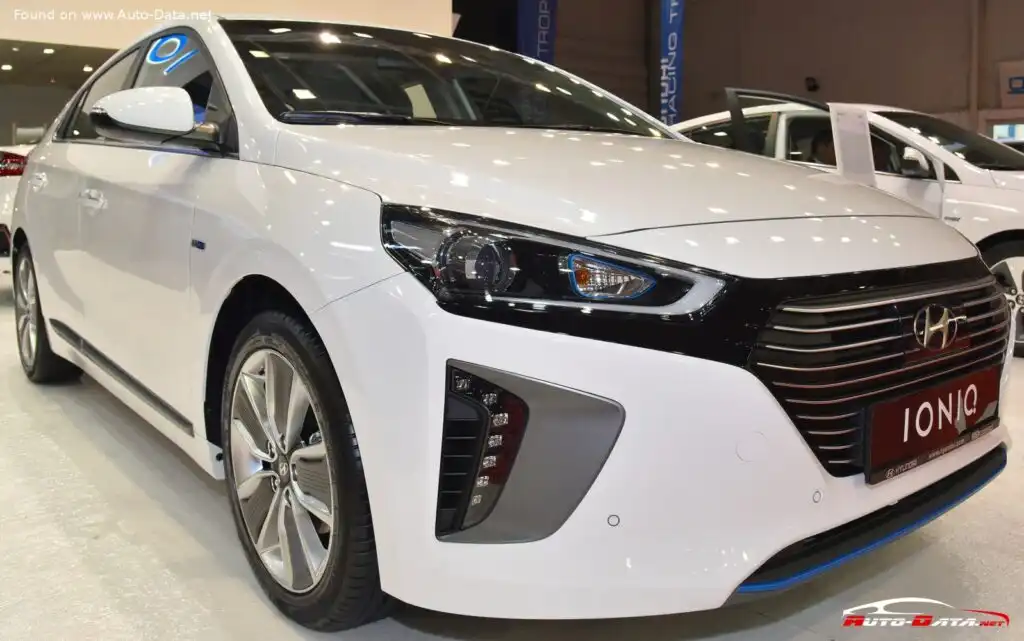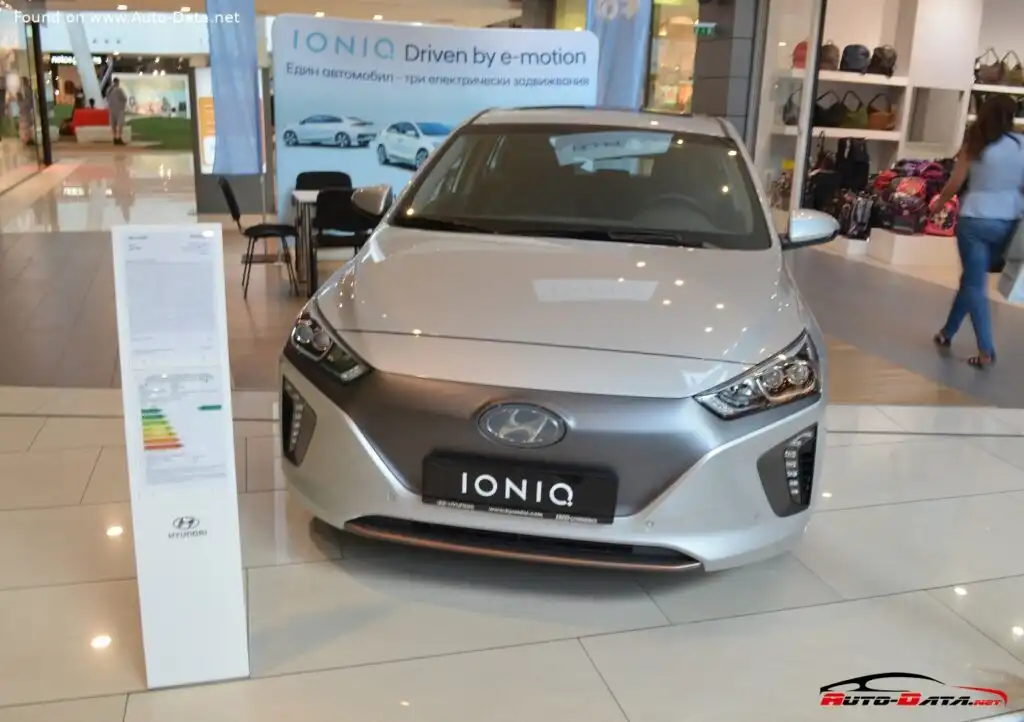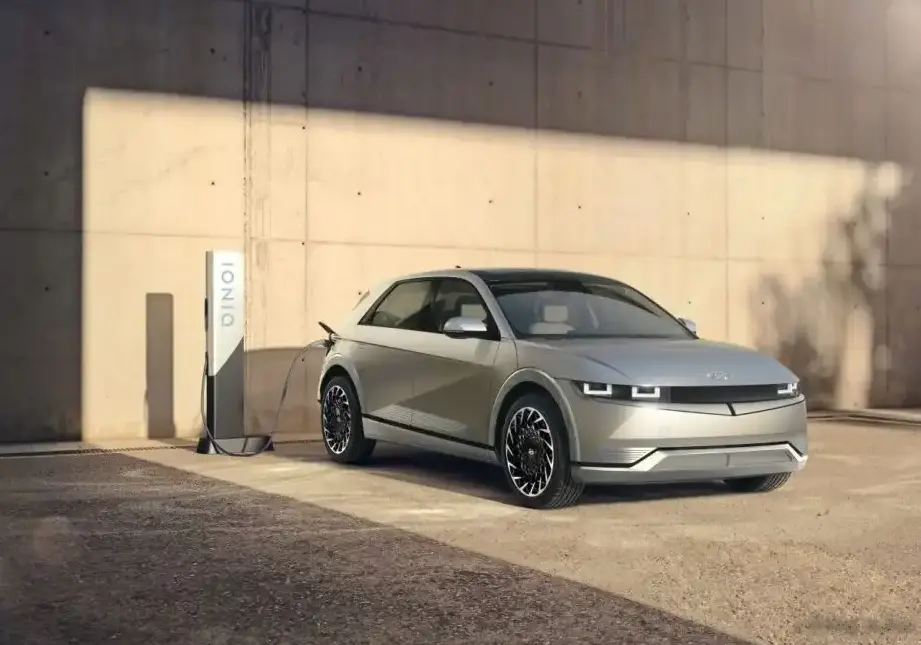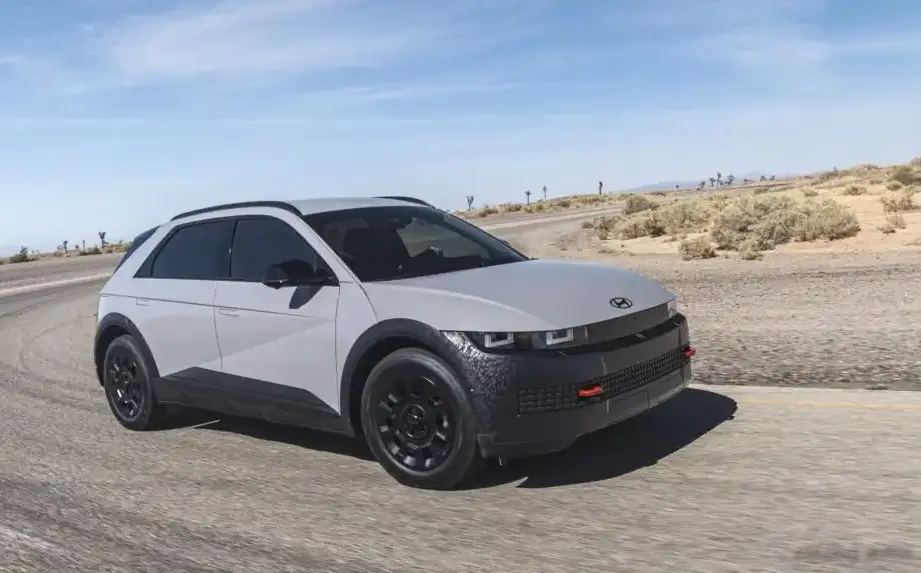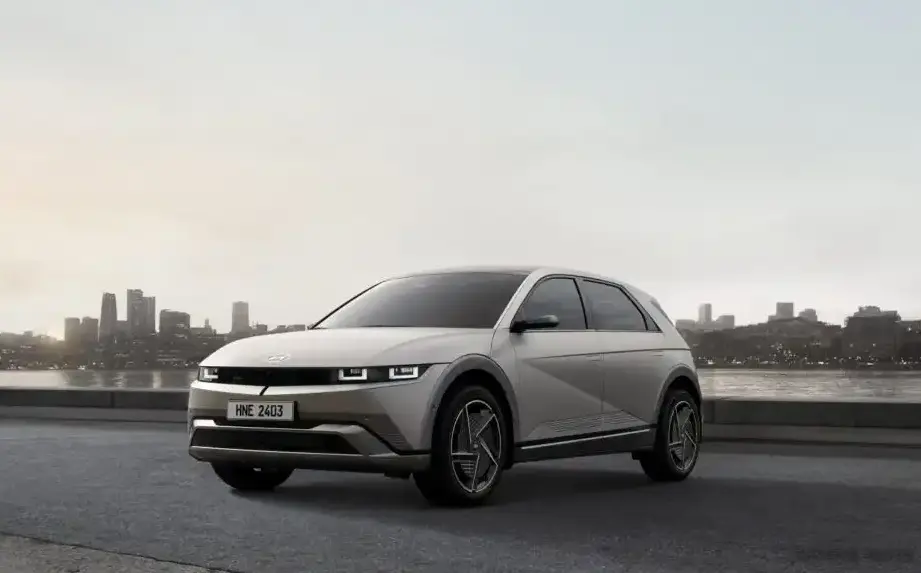
The Hyundai IONIQ 5, launched in 2021, represented a significant step forward for the Korean automaker in the burgeoning electric vehicle market. The 2024 facelift brought styling updates and technological enhancements, solidifying its position as a competitive offering. This article focuses on the Standard Range variant, equipped with a 63 kWh battery pack and a single electric motor producing 170 horsepower. Introduced in July 2024, this trim level serves as the entry point to the IONIQ 5 lineup, prioritizing affordability and efficiency while still delivering the core benefits of the EV platform. It’s built on the Electric Global Modular Platform (E-GMP), shared with the Kia EV6 and Genesis GV60.
Technical Specifications
| Brand | Hyundai |
| Model | IONIQ 5 |
| Generation | IONIQ 5 (facelift 2024) |
| Type (Engine) | Standard Range 63 kWh (170 Hp) Electric |
| Start of production | July, 2024 |
| Powertrain Architecture | BEV (Electric Vehicle) |
| Body type | SUV |
| Seats | 5 |
| Doors | 5 |
| Fuel Type | Electricity |
| Acceleration 0 – 100 km/h | 8.5 sec |
| Acceleration 0 – 62 mph | 8.5 sec |
| Acceleration 0 – 60 mph | 8.1 sec |
| Maximum speed | 183 km/h (113.71 mph) |
| Weight-to-power ratio | 11.1 kg/Hp, 90.4 Hp/tonne |
| Weight-to-torque ratio | 5.4 kg/Nm, 186.2 Nm/tonne |
| Net (usable) battery capacity | 63 kWh |
| Battery technology | Lithium-ion (Li-Ion) |
| Battery location | Below the floor |
| All-electric range | 440 km (273.4 mi) |
| Electric motor power | 170 Hp |
| Electric motor Torque | 350 Nm (258.15 lb.-ft.) |
| Electric motor location | Rear axle, Transverse |
| Electric motor type | Synchronous |
| System power | 170 Hp |
| System torque | 350 Nm (258.15 lb.-ft.) |
| Kerb Weight | 1880-1960 kg (4144.69 – 4321.06 lbs.) |
| Max. weight | 2470 kg (5445.42 lbs.) |
| Max load | 510-590 kg (1124.36 – 1300.73 lbs.) |
| Trunk (boot) space – minimum | 520 l (18.36 cu. ft.) |
| Trunk (boot) space – maximum | 1580 l (55.8 cu. ft.) |
| Max. roof load | 80 kg (176.37 lbs.) |
| Permitted trailer load with brakes (12%) | 750 kg (1653.47 lbs.) |
| Permitted trailer load without brakes | 750 kg (1653.47 lbs.) |
| Permitted towbar download | 100 kg (220.46 lbs.) |
| Length | 4655 mm (183.27 in.) |
| Width | 1890 mm (74.41 in.) |
| Height | 1605 mm (63.19 in.) |
| Wheelbase | 3000 mm (118.11 in.) |
| Front track | 1638 mm (64.49 in.) |
| Rear (Back) track | 1647 mm (64.84 in.) |
| Minimum turning circle | 11.98 m (39.3 ft.) |
| Drivetrain Architecture | One electric motor drives the rear wheels. |
| Drive wheel | Rear wheel drive |
| Number of gears and type of gearbox | 1 gears, automatic transmission |
| Front suspension | Independent type McPherson |
| Rear suspension | Independent multi-link suspension |
| Front brakes | Ventilated discs, 325 mm |
| Rear brakes | Disc, 325 mm |
| Assisting systems | ABS (Anti-lock braking system) |
| Steering type | Steering rack and pinion |
| Power steering | Electric Steering |
| Tires size | 235/55 R19 |
| Wheel rims size | 7.5J x 19 |
Powertrain & Engine Architecture
The Standard Range IONIQ 5 utilizes a single permanent magnet synchronous motor (PMSM) located on the rear axle. This motor produces 170 horsepower and 350 Nm (258 lb-ft) of torque. Power is delivered through a single-speed automatic transmission. The 63 kWh lithium-ion battery pack is positioned under the floor, contributing to a low center of gravity and maximizing interior space. The battery supports 800V ultra-fast charging, allowing for a significant charge in a short amount of time when connected to a compatible DC fast charger. The vehicle employs a sophisticated battery management system (BMS) to optimize performance, longevity, and safety. The motor and battery are integrated into the E-GMP platform, designed specifically for electric vehicles, allowing for efficient packaging and optimized weight distribution.
Driving Characteristics
The 170 hp Standard Range IONIQ 5 offers a comfortable and efficient driving experience. Acceleration from 0-60 mph takes approximately 8.1 seconds, which is adequate for everyday driving but noticeably slower than the higher-powered dual-motor variants. The single-speed transmission provides smooth, linear acceleration. The rear-wheel-drive configuration contributes to balanced handling, although it may require some adjustment for drivers accustomed to front-wheel-drive vehicles, especially in slippery conditions. The regenerative braking system allows for one-pedal driving, enhancing efficiency and convenience. While not a performance-oriented trim, the Standard Range model provides sufficient power for merging onto highways and navigating city streets.
Equipment & Trim Levels
The Standard Range IONIQ 5 typically comes standard with features such as a 12.3-inch touchscreen infotainment system, a digital instrument cluster, Hyundai SmartSense suite of safety features (including forward collision avoidance assist, lane keeping assist, and blind-spot monitoring), and cloth upholstery. Optional extras often include a panoramic sunroof, leather upholstery, heated and ventilated front seats, a premium sound system, and advanced driver-assistance features like Highway Driving Assist. The interior design emphasizes a minimalist aesthetic with a focus on sustainable materials.
Chassis & Braking
The IONIQ 5 features an independent McPherson strut suspension in the front and a multi-link suspension in the rear, providing a comfortable ride and good handling characteristics. The suspension is tuned to prioritize comfort over sporty handling. The braking system consists of ventilated discs at the front and solid discs at the rear. Anti-lock braking system (ABS) is standard, along with electronic stability control (ESC) and traction control. The vehicle’s relatively low center of gravity, thanks to the underfloor battery pack, contributes to its stability and cornering ability.
Market Reception & Comparison
The IONIQ 5, including the Standard Range variant, has been well-received by critics and consumers alike. It’s praised for its spacious interior, fast charging capabilities, and distinctive styling. Compared to other entry-level EVs, the IONIQ 5 offers a compelling combination of range, features, and value. The Standard Range model provides a more affordable entry point into the IONIQ 5 lineup, making it accessible to a wider range of buyers. However, some reviewers note that the acceleration is not as brisk as that of higher-powered trims. Fuel economy, expressed as MPGe (miles per gallon equivalent), is competitive within the EV segment, typically exceeding 110 MPGe combined.
Legacy
The Hyundai IONIQ 5 has quickly established itself as a significant player in the electric vehicle market. The 63 kWh Standard Range variant, while not the most powerful or longest-range model, offers a practical and affordable option for those seeking to transition to electric mobility. The E-GMP platform and the vehicle’s innovative features have set a new benchmark for EVs. As the used car market matures, the IONIQ 5 is expected to hold its value well, thanks to its reliability, advanced technology, and growing demand for electric vehicles. The longevity of the battery pack and the availability of replacement parts will be key factors in its long-term appeal.