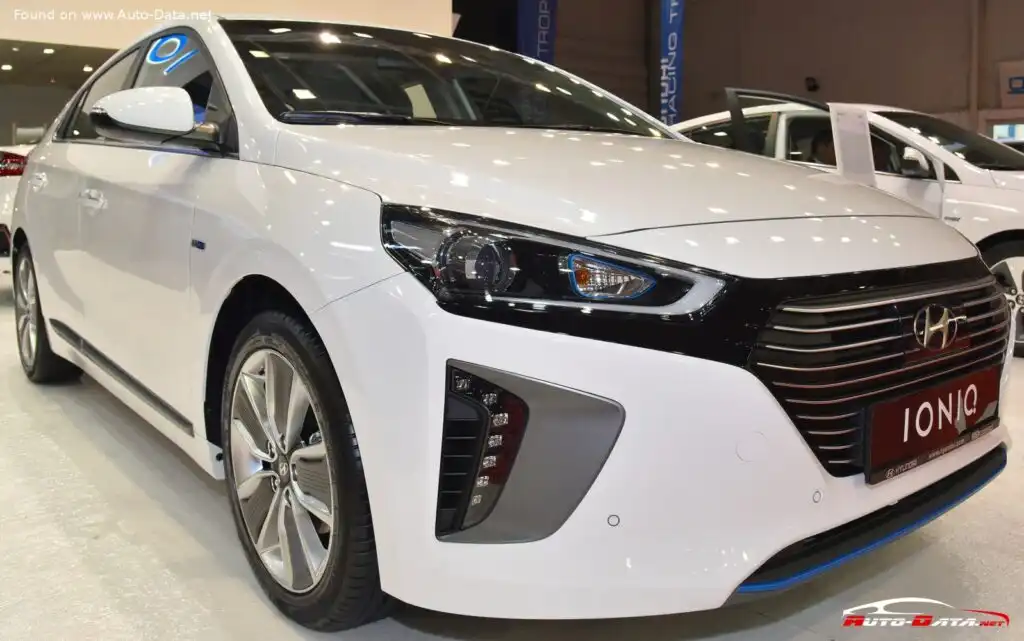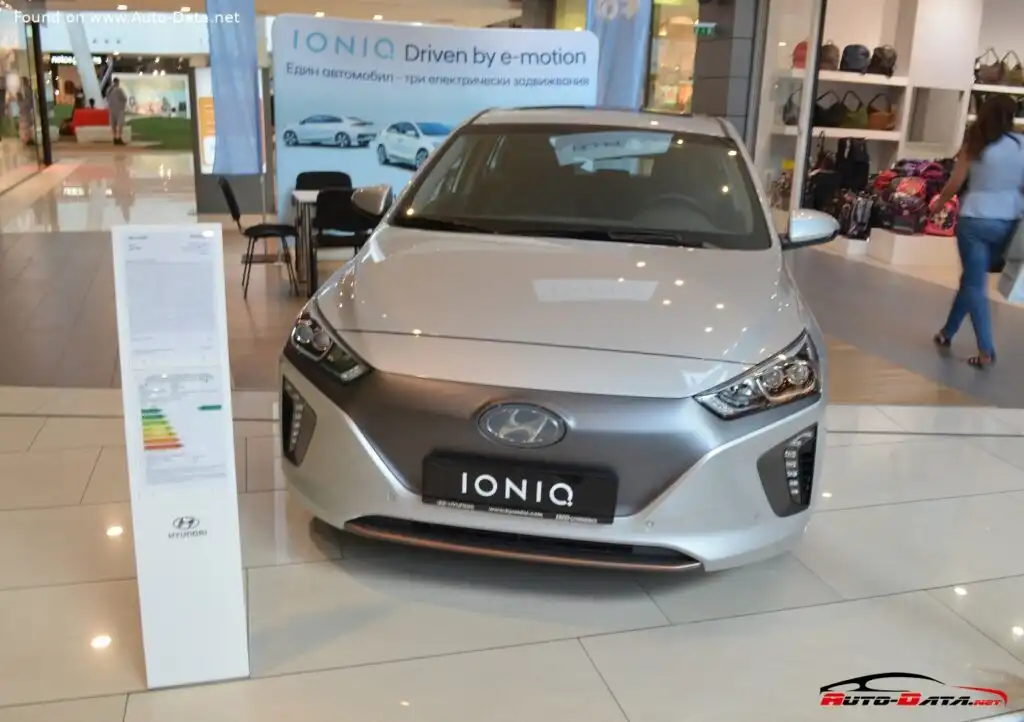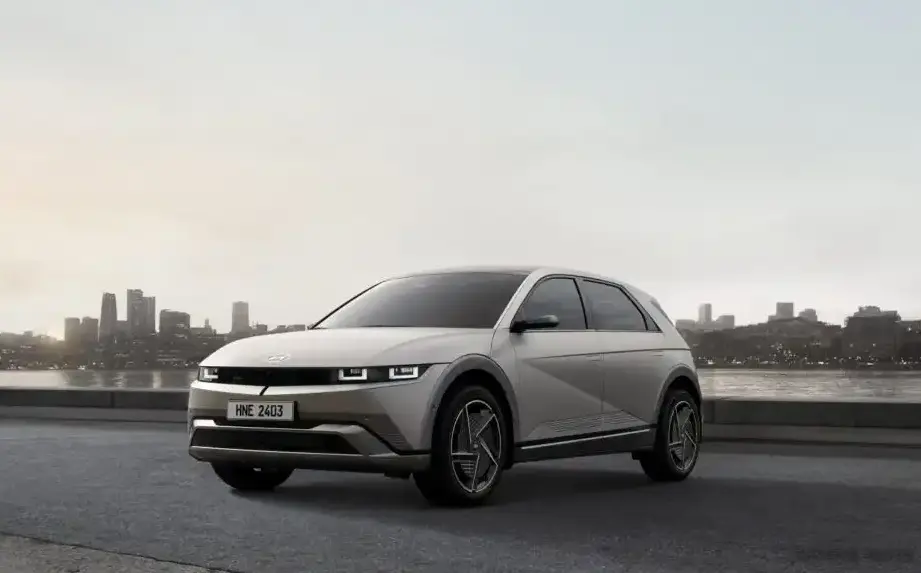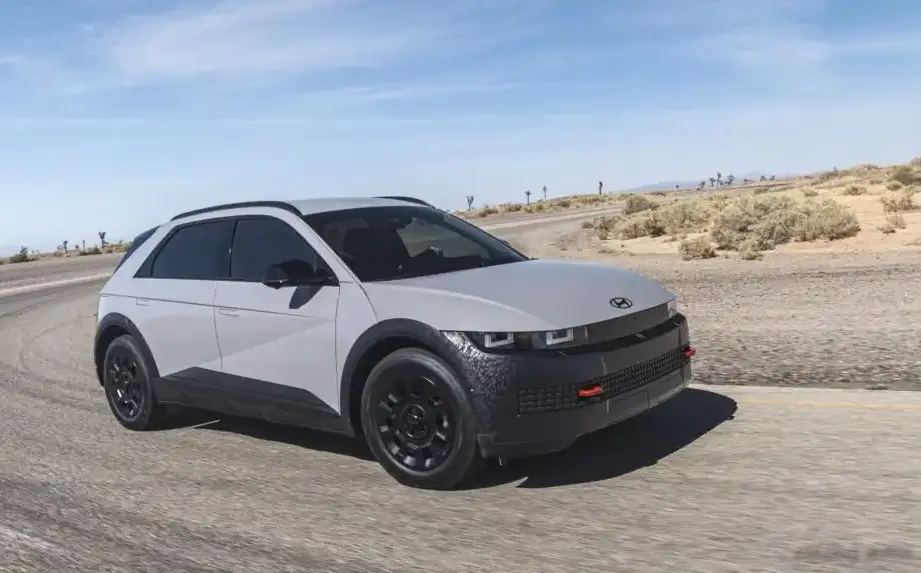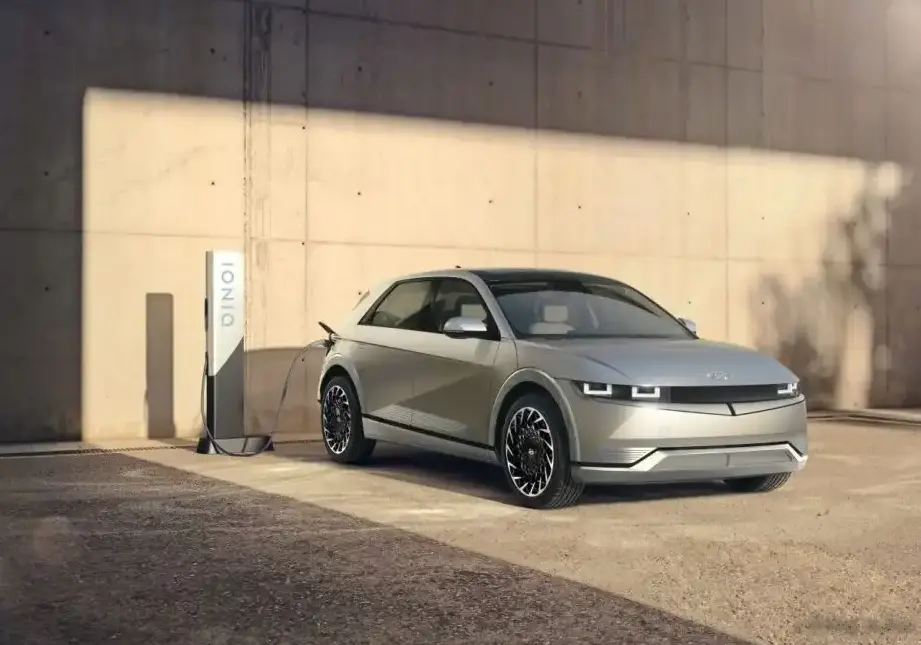
The Hyundai IONIQ 5 Standard Range, equipped with a 58 kWh battery and dual-motor all-wheel drive (AWD) producing 235 horsepower, represents the entry point into Hyundai’s dedicated electric vehicle (EV) lineup. Introduced in February 2021 and continuing through the 2024 model year, this variant played a crucial role in establishing the IONIQ 5 as a competitive force in the rapidly expanding EV market, particularly appealing to buyers seeking a balance of range, performance, and affordability. It’s built on Hyundai’s Electric Global Modular Platform (E-GMP), shared with the Kia EV6 and Genesis GV60, allowing for a flat floor and spacious interior. The Standard Range model aimed to broaden the IONIQ 5’s appeal beyond those prioritizing maximum range, offering a more accessible price point.
Technical Specifications
| Brand | Hyundai |
| Model | IONIQ 5 |
| Generation | IONIQ 5 |
| Type (Engine) | Standard Range 58 kWh (235 Hp) Electric AWD |
| Start of production | February, 2021 |
| End of production | 2024 |
| Powertrain Architecture | BEV (Electric Vehicle) |
| Body type | SUV |
| Seats | 5 |
| Doors | 5 |
| Fuel Type | Electricity |
| Acceleration 0 – 100 km/h | 6.1 sec |
| Acceleration 0 – 62 mph | 6.1 sec |
| Acceleration 0 – 60 mph | 5.8 sec |
| Maximum speed | 185 km/h (114.95 mph) |
| Weight-to-power ratio | 8.3 kg/Hp, 121.1 Hp/tonne |
| Weight-to-torque ratio | 3.2 kg/Nm, 311.9 Nm/tonne |
| Gross battery capacity | 58 kWh |
| Net (usable) battery capacity | 54 kWh |
| Battery voltage | 522.7 V |
| Battery technology | Lithium-polymer (LiPo) |
| Battery location | Below the floor |
| All-electric range (WLTP) | 360 km (223.69 mi) |
| Average Energy consumption (WLTP) | 18.1 kWh/100 km (29.13 kWh/100 mi) |
| MPGe | 116 |
| km/kWh | 5.5 |
| mi/kWh | 3.4 |
| Electric motor 1 power | 72 Hp |
| Electric motor 1 Torque | 255 Nm (188.08 lb.-ft.) |
| Electric motor 1 model/code | EM07 |
| Electric motor 1 location | Front axle, Transverse |
| Electric motor 2 power | 163 Hp |
| Electric motor 2 Torque | 350 Nm (258.15 lb.-ft.) |
| Electric motor 2 model/code | EM17 |
| Electric motor 2 location | Rear axle, Transverse |
| System power | 235 Hp |
| System torque | 605 Nm (446.23 lb.-ft.) |
| Kerb Weight | 1940-2020 kg (4276.97 – 4453.34 lbs.) |
| Max. weight | 2480 kg (5467.46 lbs.) |
| Max load | 460-540 kg (1014.13 – 1190.5 lbs.) |
| Trunk (boot) space – minimum | 527 l (18.61 cu. ft.) |
| Trunk (boot) space – maximum | 1587 l (56.04 cu. ft.) |
| Max. roof load | 80 kg (176.37 lbs.) |
| Permitted trailer load with brakes (12%) | 750 kg (1653.47 lbs.) |
| Permitted trailer load without brakes | 750 kg (1653.47 lbs.) |
| Permitted towbar download | 100 kg (220.46 lbs.) |
| Length | 4635 mm (182.48 in.) |
| Width | 1890 mm (74.41 in.) |
| Height | 1605 mm (63.19 in.) |
| Wheelbase | 3000 mm (118.11 in.) |
| Front track | 1638 mm (64.49 in.) |
| Rear (Back) track | 1647 mm (64.84 in.) |
| Ride height (ground clearance) | 160 mm (6.3 in.) |
| Minimum turning circle (turning diameter) | 11.98 m (39.3 ft.) |
| Drivetrain Architecture | One electric motor drives the front wheels, one electric motor drives the rear wheels. |
| Drive wheel | All wheel drive (4×4) |
| Number of gears and type of gearbox | 1 gears, automatic transmission |
| Front suspension | Independent type McPherson |
| Rear suspension | Independent multi-link suspension |
| Front brakes | Ventilated discs, 325×30 mm |
| Rear brakes | Disc, 325×12 mm |
| Assisting systems | ABS (Anti-lock braking system) |
| Steering type | Steering rack and pinion |
| Power steering | Electric Steering |
| Tires size | 235/55 R19 |
| Wheel rims size | 7.5J x 19 |
Powertrain & Engine Architecture
The IONIQ 5 Standard Range utilizes a dual-motor, all-wheel drive (AWD) powertrain. The front motor (EM07) produces 72 horsepower and 255 Nm of torque, while the rear motor (EM17) generates 163 horsepower and 350 Nm of torque, resulting in a combined system output of 235 horsepower and 605 Nm of torque. Both motors are permanent magnet synchronous motors. The 58 kWh lithium-polymer battery pack is positioned under the floor, contributing to a low center of gravity and maximizing interior space. The E-GMP platform allows for 800V charging capability, enabling exceptionally fast DC fast charging times – capable of adding significant range in just minutes. The single-speed automatic transmission is inherent to electric vehicle drivetrains, providing seamless acceleration. The battery management system (BMS) is crucial for optimizing battery life, performance, and safety.
Driving Characteristics
The 235 hp AWD Standard Range IONIQ 5 delivers brisk acceleration, achieving 0-60 mph in approximately 5.8 seconds. While not as quick as the Long Range or N versions, it provides ample power for everyday driving and highway merging. The dual-motor setup offers confident traction in various weather conditions. The single-speed transmission provides linear power delivery, and the instant torque characteristic of electric motors makes for responsive acceleration. Compared to the rear-wheel drive Standard Range model, the AWD version offers enhanced stability and grip. The relatively lower power output compared to higher trims results in slightly less dramatic acceleration, but also contributes to improved efficiency.
Equipment & Trim Levels
The IONIQ 5 Standard Range typically came standard with features such as a 12.3-inch touchscreen infotainment system, a digital instrument cluster, Hyundai SmartSense safety suite (including forward collision avoidance assist, lane keeping assist, and blind-spot monitoring), and LED headlights. Interior upholstery was generally cloth, with options for leatherette available. Higher trim levels within the Standard Range offered features like heated front seats, a power driver’s seat, and a premium audio system. Optional extras included a panoramic sunroof, ventilated front seats, and advanced driver-assistance systems like Highway Driving Assist.
Chassis & Braking
The IONIQ 5 features an independent McPherson strut front suspension and an independent multi-link rear suspension, providing a comfortable and controlled ride. The Standard Range models typically utilized ventilated discs on the front axle and solid discs on the rear axle. The braking system is equipped with ABS (Anti-lock Braking System), Electronic Stability Control (ESC), and Brake Assist. Steering is electric power-assisted, offering a light and precise feel. The relatively lower weight of the Standard Range model, compared to the Long Range, contributes to slightly more agile handling.
Market Reception & Comparison
The IONIQ 5 Standard Range was generally well-received by critics, praised for its spacious interior, fast charging capabilities, and comfortable ride. However, some reviewers noted that the range was less competitive than some rivals. Compared to the Long Range version, the Standard Range offered a more affordable entry point but sacrificed range and ultimate performance. Against competitors like the Tesla Model Y and Ford Mustang Mach-E, the IONIQ 5 Standard Range offered a compelling value proposition, particularly considering its fast charging and spaciousness. Fuel economy, expressed as MPGe, was rated at 116, and energy consumption at 18.1 kWh/100km.
Legacy
The Hyundai IONIQ 5 Standard Range has proven to be a reliable and durable EV, with few widespread reports of major mechanical issues. The E-GMP platform has demonstrated its robustness, and the battery pack is covered by a generous warranty. On the used car market, the IONIQ 5 Standard Range holds its value relatively well, reflecting its popularity and positive reputation. As battery technology continues to improve, the 58 kWh battery pack may eventually become a limiting factor, but the IONIQ 5 remains a compelling option for buyers seeking an affordable and practical electric SUV.