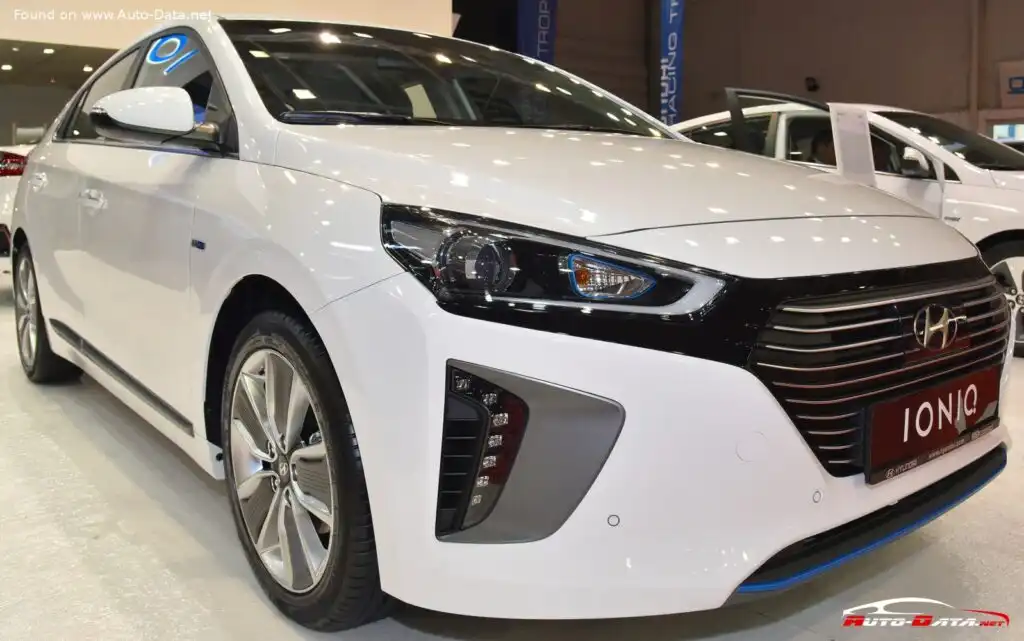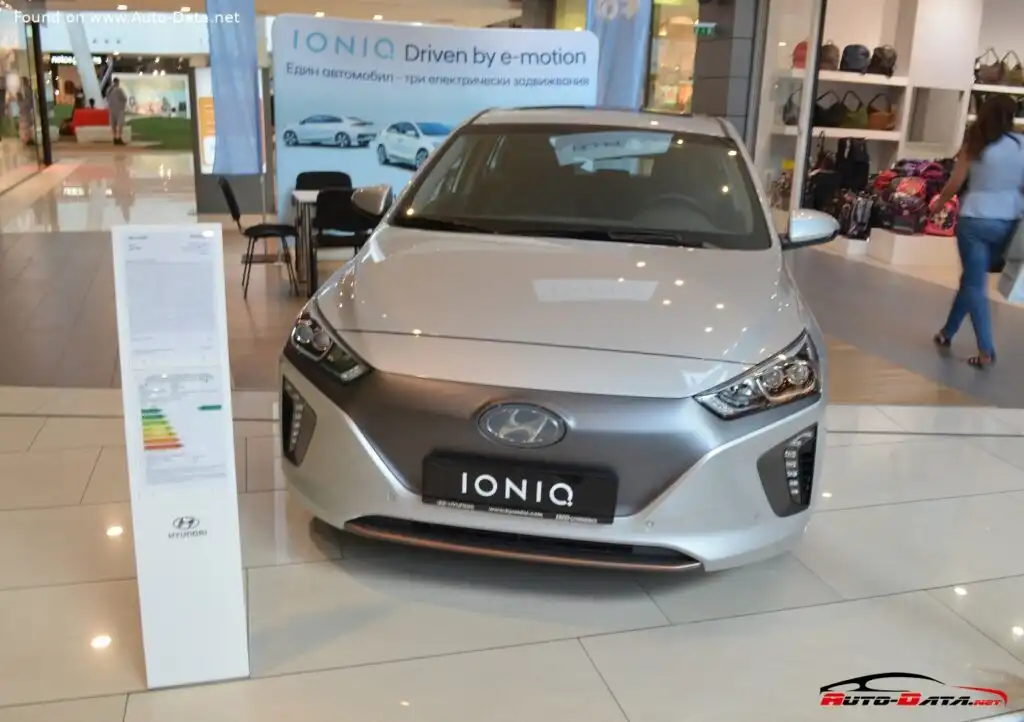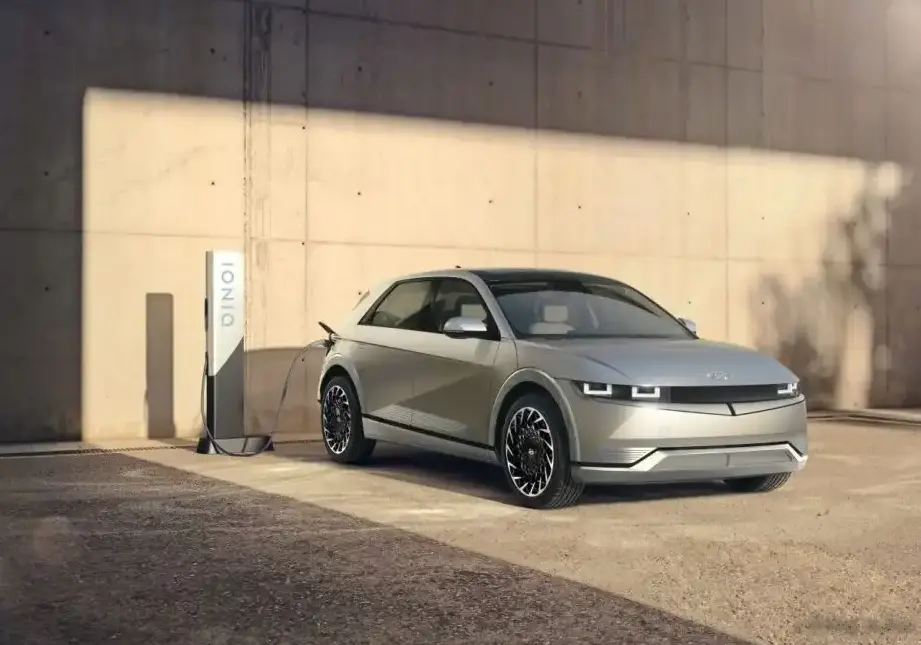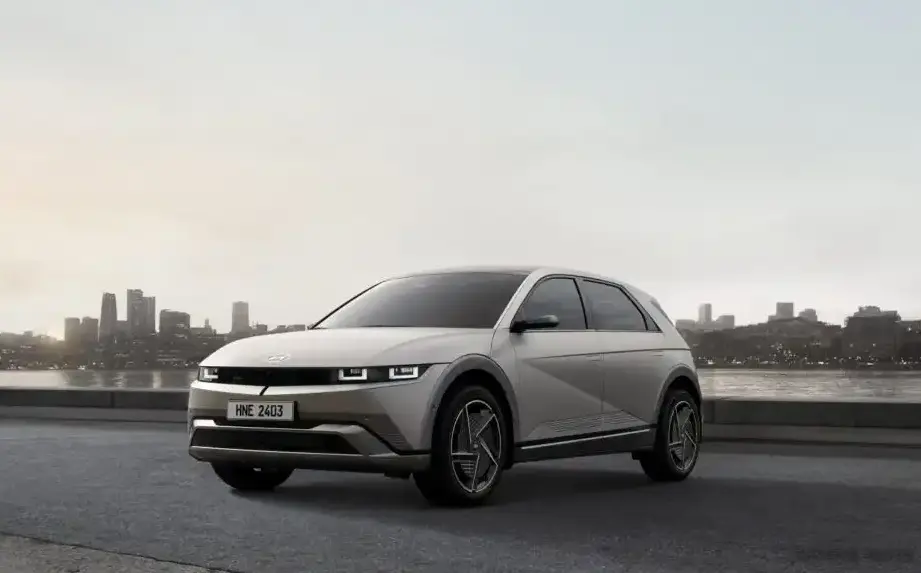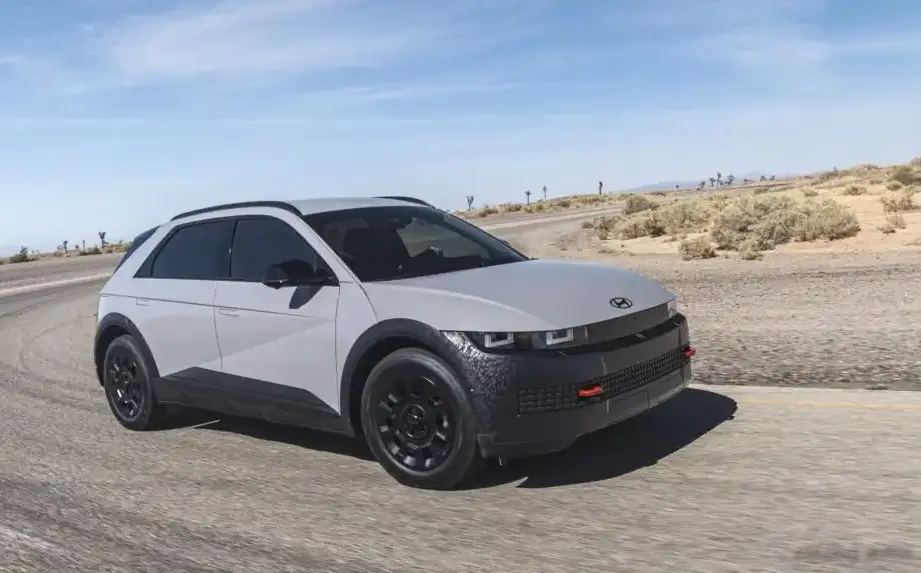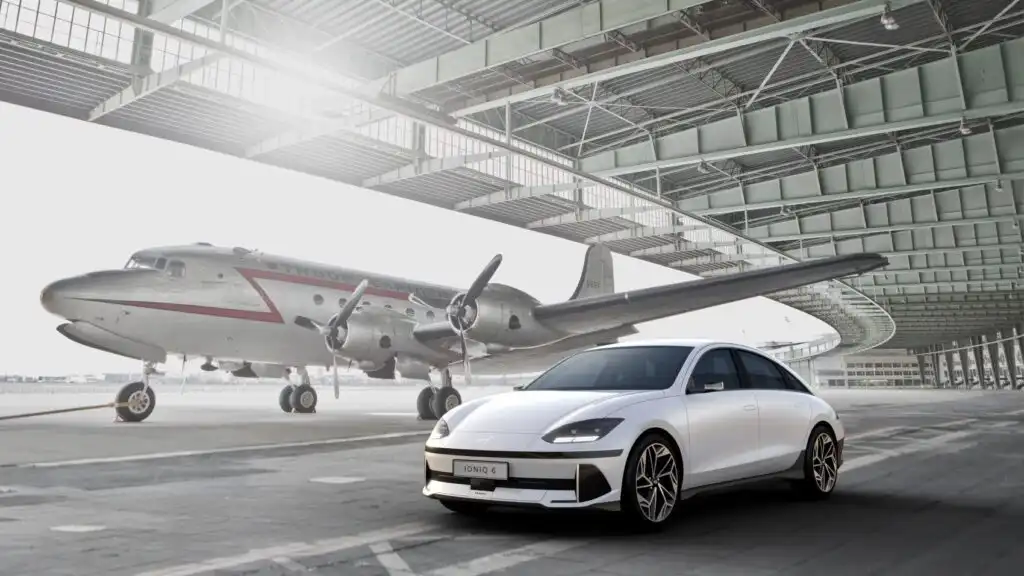
The Hyundai IONIQ 6 Standard, equipped with a 53 kWh battery and a 151 horsepower electric motor, represents the entry point into the IONIQ 6 model range. Introduced in July 2022 and slated for production through January 2026, this variant is a key component of Hyundai’s strategy to expand its presence in the rapidly growing electric vehicle (EV) market. Built on the Electric Global Modular Platform (E-GMP), shared with the IONIQ 5 and Kia EV6, the IONIQ 6 prioritizes aerodynamic efficiency and range. The Standard trim is positioned as an accessible EV option, balancing affordability with the core technological features of the IONIQ 6.
Technical Specifications
| Brand | Hyundai |
| Model | IONIQ 6 |
| Generation | IONIQ 6 |
| Type (Engine) | Standard 53 kWh (151 Hp) BEV |
| Start of production | July, 2022 |
| End of production | January, 2026 |
| Powertrain Architecture | BEV (Electric Vehicle) |
| Body type | Sedan, Fastback |
| Seats | 5 |
| Doors | 4 |
| Fuel Type | Electricity |
| Acceleration 0 – 100 km/h | 8.8 sec |
| Acceleration 0 – 62 mph | 8.8 sec |
| Acceleration 0 – 60 mph | 8.4 sec |
| Maximum speed | 185 km/h (114.95 mph) |
| Weight-to-power ratio | 11.8 kg/Hp, 85.1 Hp/tonne |
| Weight-to-torque ratio | 5.1 kg/Nm, 197.2 Nm/tonne |
| Gross battery capacity | 53 kWh |
| Battery voltage | 480 V |
| Battery technology | Lithium-polymer (LiPo) |
| Battery location | Below the floor |
| All-electric range (WLTP) | 429 km (266.57 mi) |
| All-electric range | 367 km (228.04 mi) |
| Average Energy consumption (WLTP) | 13.9 kWh/100 km (22.37 kWh/100 mi, 151 MPGe, 7.2 km/kWh, 4.5 mi/kWh) |
| Average Energy consumption | 16.1 kWh/100 km (25.91 kWh/100 mi, 130 MPGe, 6.2 km/kWh, 3.9 mi/kWh) |
| Electric motor power | 151 Hp |
| Electric motor Torque | 350 Nm (258.15 lb.-ft.) |
| Electric motor model/code | EM17 |
| Electric motor location | Rear axle, Transverse |
| Electric motor type | Synchronous |
| System power | 151 Hp |
| System torque | 350 Nm (258.15 lb.-ft.) |
| Kerb Weight | 1775-1833 kg (3913.21 – 4041.07 lbs.) |
| Max. weight | 2280 kg (5026.54 lbs.) |
| Max load | 447-505 kg (985.47 – 1113.33 lbs.) |
| Trunk (boot) space – minimum | 401 l (14.16 cu. ft.) |
| Max. roof load | 80 kg (176.37 lbs.) |
| Permitted trailer load with brakes (12%) | 750 kg (1653.47 lbs.) |
| Permitted trailer load without brakes | 750 kg (1653.47 lbs.) |
| Permitted towbar download | 100 kg (220.46 lbs.) |
| Length | 4855 mm (191.14 in.) |
| Width | 1880 mm (74.02 in.) |
| Height | 1495 mm (58.86 in.) |
| Wheelbase | 2950 mm (116.14 in.) |
| Front track | 1635 mm (64.37 in.) |
| Rear (Back) track | 1644 mm (64.72 in.) |
| Front overhang | 850 mm (33.46 in.) |
| Rear overhang | 1055 mm (41.54 in.) |
| Ride height (ground clearance) | 141 mm (5.55 in.) |
| Drag coefficient (Cd) | 0.21 |
| Drivetrain Architecture | One electric motor drives the rear wheels. |
| Drive wheel | Rear wheel drive |
| Number of gears and type of gearbox | 1 gears, automatic transmission |
| Front suspension | Independent, type McPherson with coil spring and anti-roll bar |
| Rear suspension | Independent multi-link spring suspension with stabilizer |
| Front brakes | Ventilated discs |
| Rear brakes | Ventilated discs |
| Assisting systems | ABS (Anti-lock braking system) |
| Steering type | Steering rack and pinion |
| Power steering | Electric Steering |
| Tires size | 225/50 R18 |
| Wheel rims size | 7.5J x 18 |
Powertrain & Engine Architecture
The IONIQ 6 Standard utilizes a single rear-mounted synchronous electric motor producing 151 horsepower and 350 Nm (258 lb-ft) of torque. This motor, designated EM17, is powered by a 53 kWh lithium-polymer battery pack located under the vehicle floor. The battery operates at 480V. Hyundai opted for a lithium-polymer chemistry for its balance of energy density, safety, and cost. The single-speed automatic transmission is a standard feature of all E-GMP based vehicles, providing seamless acceleration. The powertrain is designed for efficiency, prioritizing range over outright performance. The vehicle employs regenerative braking, allowing for energy recapture during deceleration, further extending its range.
Driving Characteristics
The 151 hp and 350 Nm of torque provide adequate, though not exhilarating, performance. Acceleration from 0-60 mph takes approximately 8.4 seconds, and 0-100 km/h is achieved in 8.8 seconds. The single-speed transmission delivers smooth, linear power delivery. Compared to higher-output versions of the IONIQ 6 (like those with larger battery packs and dual-motor setups), the Standard trim feels noticeably less responsive, particularly during overtaking maneuvers. However, the rear-wheel-drive configuration contributes to a balanced feel, and the low center of gravity (due to the underfloor battery pack) enhances handling stability. The focus is on comfortable and efficient daily commuting rather than sporty driving dynamics.
Equipment & Trim Levels
The IONIQ 6 Standard trim typically includes standard features such as a 12.3-inch touchscreen infotainment system, a digital instrument cluster, and a suite of advanced driver-assistance systems (ADAS) including forward collision avoidance assist, lane keeping assist, and smart cruise control. Interior upholstery is generally cloth, with options for upgraded materials available. Standard exterior features include LED headlights and taillights, and aerodynamic wheels designed to maximize range. Optional extras often include a sunroof, premium audio system, and ventilated front seats.
Chassis & Braking
The IONIQ 6 utilizes an independent suspension system – McPherson struts at the front and a multi-link setup at the rear – optimized for ride comfort and handling. Stabilizer bars are included on both axles to reduce body roll. The braking system consists of ventilated disc brakes on all four wheels, coupled with an Anti-lock Braking System (ABS). The relatively low curb weight (1775-1833 kg / 3913-4041 lbs) contributes to the vehicle’s agility. The suspension tuning is geared towards providing a smooth and compliant ride, prioritizing comfort over aggressive handling.
Market Reception & Comparison
The IONIQ 6 Standard has been generally well-received by critics as an affordable and efficient EV option. Its aerodynamic design and relatively low energy consumption (13.9 kWh/100km WLTP) are frequently praised. Compared to other trims in the IONIQ 6 lineup, the Standard offers a more accessible price point but sacrifices some performance and range. Against competitors like the Tesla Model 3 (Rear-Wheel Drive) and Chevrolet Bolt EUV, the IONIQ 6 Standard offers a compelling combination of features, range, and value. Some reviewers have noted that the interior materials in the Standard trim feel less premium than those in higher-spec models.
Legacy
The Hyundai IONIQ 6 Standard is expected to be a reliable and durable EV, benefiting from Hyundai’s established reputation for build quality and warranty coverage. The E-GMP platform is proving to be a robust foundation for electric vehicles, and the EM17 motor is a well-regarded unit. As the EV market matures, the IONIQ 6 Standard is likely to hold its value reasonably well, particularly as demand for affordable EVs continues to grow. The powertrain’s simplicity, with a single motor and single-speed transmission, should contribute to lower maintenance costs over the vehicle’s lifespan. The IONIQ 6 Standard represents a significant step forward in making electric mobility accessible to a wider range of consumers.