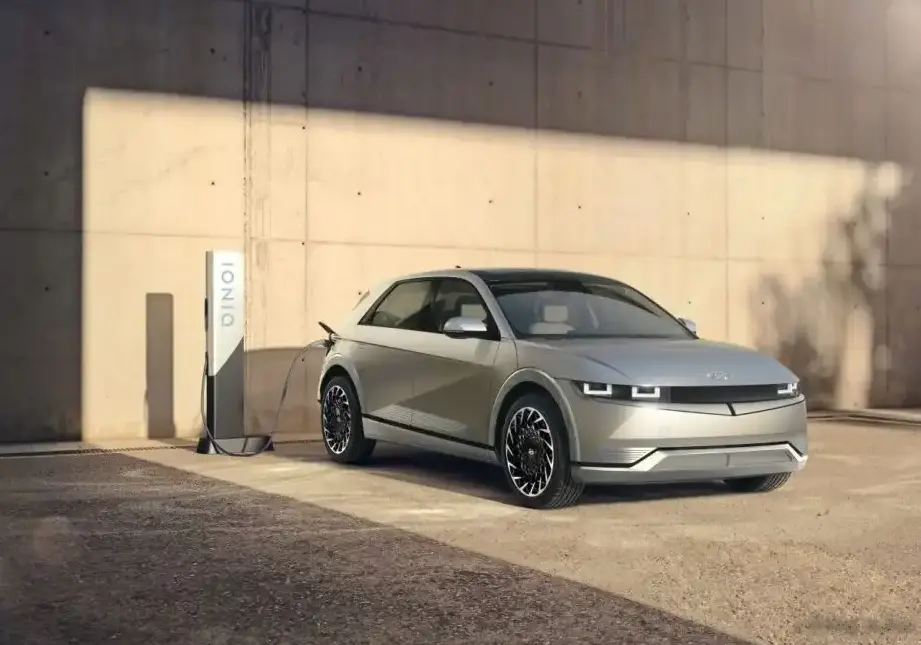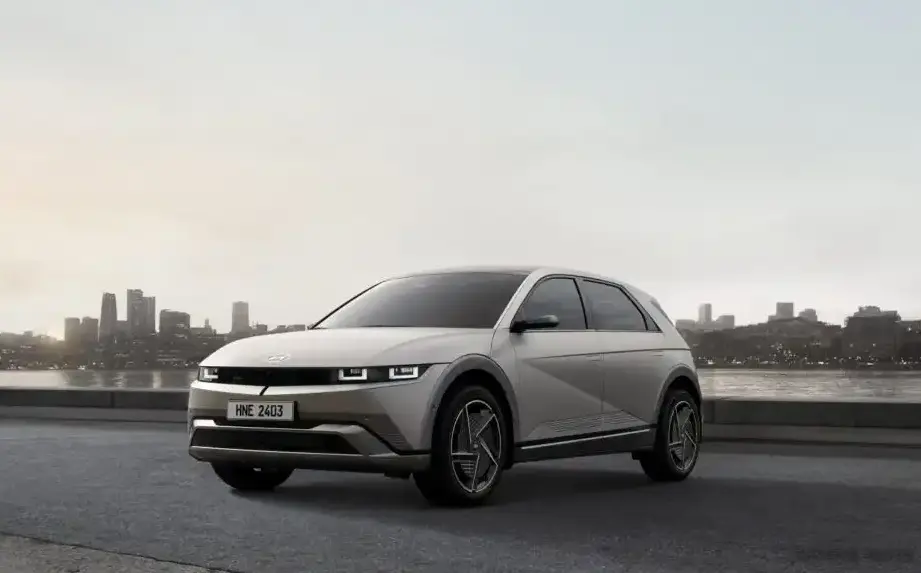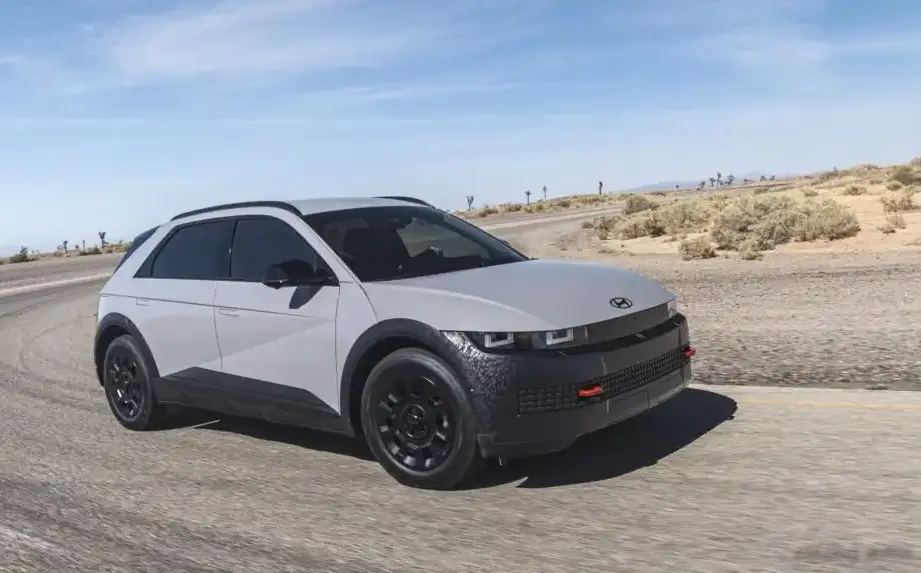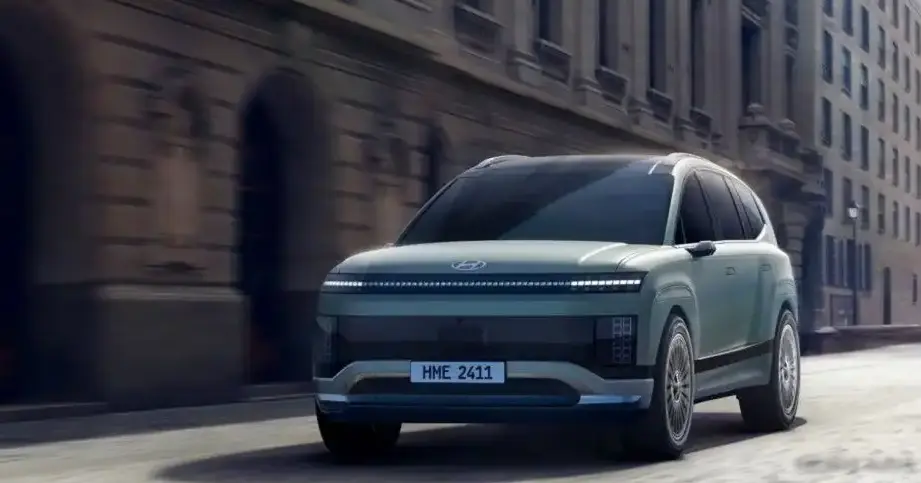
The Hyundai IONIQ 9 Performance, launched in 2025, represents Hyundai’s foray into the large, all-electric SUV segment. This variant, boasting a substantial 110.3 kWh battery and dual-motor all-wheel drive, is positioned as the flagship performance model within the IONIQ 9 lineup. It aims to compete with established electric SUVs like the Tesla Model X and Rivian R1S, offering a blend of spaciousness, long range, and impressive acceleration. The IONIQ 9 is built upon Hyundai’s Electric Global Modular Platform (E-GMP), shared with models like the IONIQ 5 and Kia EV6, but significantly scaled up in size to accommodate up to seven passengers and a larger battery pack.
Technical Specifications
| Brand | Hyundai |
| Model | IONIQ 9 |
| Generation | IONIQ 9 |
| Type | Performance 110.3 kWh (435 Hp) Dual Motor AWD |
| Start of Production | 2025 |
| Powertrain Architecture | BEV (Electric Vehicle) |
| Body Type | SUV |
| Seats | 6-7 |
| Doors | 5 |
| Fuel Type | Electricity |
| 0-100 km/h | 5.2 sec |
| 0-62 mph | 5.2 sec |
| 0-60 mph | 4.9 sec |
| Maximum Speed | 200 km/h (124.27 mph) |
| Gross Battery Capacity | 110.3 kWh |
| Battery Voltage | 800 V |
| Battery Technology | Lithium nickel manganese cobalt oxides (Li-NMC) |
| Battery Location | Below the floor |
| Electric Motor Power (Each) | 218 Hp |
| Electric Motor Torque (Each) | 350 Nm (258.15 lb.-ft.) |
| System Power | 435 Hp |
| System Torque | 700 Nm (516.29 lb.-ft.) |
| Trunk Space (Minimum) | 620 l (21.9 cu. ft.) |
| Trunk Space (Maximum) | 2461 l (86.91 cu. ft.) |
| Permitted Trailer Load (12%) | 2500 kg (5511.56 lbs.) |
| Length | 5060 mm (199.21 in.) |
| Width | 1980 mm (77.95 in.) |
| Height | 1790 mm (70.47 in.) |
| Wheelbase | 3130 mm (123.23 in.) |
| Front Track | 1692-1702 mm (66.61 – 67.01 in.) |
| Rear Track | 1704-1715 mm (67.09 – 67.52 in.) |
| Front Overhang | 880 mm (34.65 in.) |
| Rear Overhang | 1050 mm (41.34 in.) |
| Ride Height | 175 mm (6.89 in.) |
| Drag Coefficient (Cd) | 0.259-0.269 |
| Minimum Turning Circle | 12.5 m (41.01 ft.) |
| Approach Angle | 20.1° |
| Departure Angle | 22.9° |
| Drivetrain Architecture | One electric motor drives the front wheels, one electric motor drives the rear wheels. |
| Drive Wheel | All wheel drive (4×4) |
| Number of Gears | 1 |
| Gearbox Type | Automatic Transmission |
| Front Suspension | Independent, McPherson with coil spring and anti-roll bar |
| Rear Suspension | Independent multi-link spring suspension with stabilizer |
| Front Brakes | Ventilated discs, 360×30 mm |
| Rear Brakes | Disc, 345×20 mm |
| Steering Type | Steering rack and pinion |
| Power Steering | Electric |
| Tire Size | 255/60 R19; 275/50 R20; 285/45 R21 |
| Wheel Rim Size | 19; 20; 21 |
Powertrain & Engine Architecture
The IONIQ 9 Performance utilizes a dual-motor, all-wheel drive (AWD) powertrain. Each motor delivers 218 horsepower and 350 Nm (258 lb-ft) of torque, resulting in a combined system output of 435 horsepower and 700 Nm (516 lb-ft) of torque. The motors are permanent magnet synchronous motors, known for their efficiency and power density. The 110.3 kWh battery pack employs Lithium Nickel Manganese Cobalt Oxide (Li-NMC) chemistry, offering a balance of energy density, thermal stability, and cost. The 800V architecture allows for ultra-fast charging, capable of adding significant range in a short amount of time when connected to a compatible DC fast charger. The single-speed automatic transmission is a standard feature for electric vehicles, providing seamless acceleration and eliminating the need for gear changes.
Driving Characteristics
The IONIQ 9 Performance delivers brisk acceleration, achieving 0-60 mph in approximately 4.9 seconds. The dual-motor AWD system provides excellent traction and stability, particularly in adverse weather conditions. The instant torque characteristic of electric motors results in responsive acceleration at any speed. While the large size and weight of the vehicle are noticeable, the low center of gravity, thanks to the underfloor battery pack, contributes to relatively stable handling. Compared to lower-trim IONIQ 9 models with a single motor and rear-wheel drive, the Performance variant offers a significantly more engaging and dynamic driving experience. The single-speed transmission provides smooth, linear power delivery, although some drivers may miss the tactile feedback of a traditional multi-gear transmission.
Equipment & Trim Levels
The IONIQ 9 Performance trim comes standard with a comprehensive suite of features, including a large touchscreen infotainment system with navigation, a premium sound system, heated and ventilated front seats, a panoramic sunroof, and a suite of advanced driver-assistance systems (ADAS) such as adaptive cruise control, lane keeping assist, and automatic emergency braking. Interior upholstery typically consists of premium leather or sustainable alternatives. Optional extras include a third-row seat configuration (increasing seating capacity to seven), a head-up display, and a digital rearview mirror. The exterior features unique styling cues, such as a distinctive front grille and performance-oriented wheels, to differentiate it from other IONIQ 9 trims.
Chassis & Braking
The IONIQ 9 utilizes an independent suspension system at all four corners. The front suspension employs a McPherson strut design with coil springs and an anti-roll bar, while the rear suspension features a multi-link setup with a stabilizer bar. This configuration provides a comfortable ride quality while maintaining good handling characteristics. The braking system consists of ventilated discs at the front (360x30mm) and solid discs at the rear (345x20mm). ABS (Anti-lock Braking System) is standard, along with electronic stability control and traction control. Regenerative braking is also incorporated into the system, allowing the vehicle to recapture energy during deceleration and extend its range.
Market Reception & Comparison
Initial reviews of the IONIQ 9 Performance have been largely positive, with critics praising its spacious interior, long range, and impressive acceleration. The 800V charging architecture has also been highlighted as a significant advantage. Compared to other trims in the IONIQ 9 lineup, the Performance variant commands a higher price but offers a substantial performance upgrade. Fuel economy, measured in MPGe (miles per gallon equivalent), is competitive with other electric SUVs in its class. Reliability data is still emerging, but Hyundai has a generally good reputation for build quality and dependability. The IONIQ 9 Performance aims to offer a compelling alternative to established players in the electric SUV market, providing a blend of practicality, performance, and technology.
Legacy
The long-term reliability of the IONIQ 9 Performance powertrain remains to be seen, but Hyundai’s extensive warranty coverage provides some peace of mind for early adopters. The E-GMP platform, upon which the IONIQ 9 is based, is expected to underpin a range of future Hyundai and Kia electric vehicles. The success of the IONIQ 9 Performance will likely influence Hyundai’s future product strategy and its commitment to the electric vehicle market. As the used car market matures, the IONIQ 9 Performance is expected to hold its value relatively well, particularly among buyers seeking a spacious, capable, and technologically advanced electric SUV.