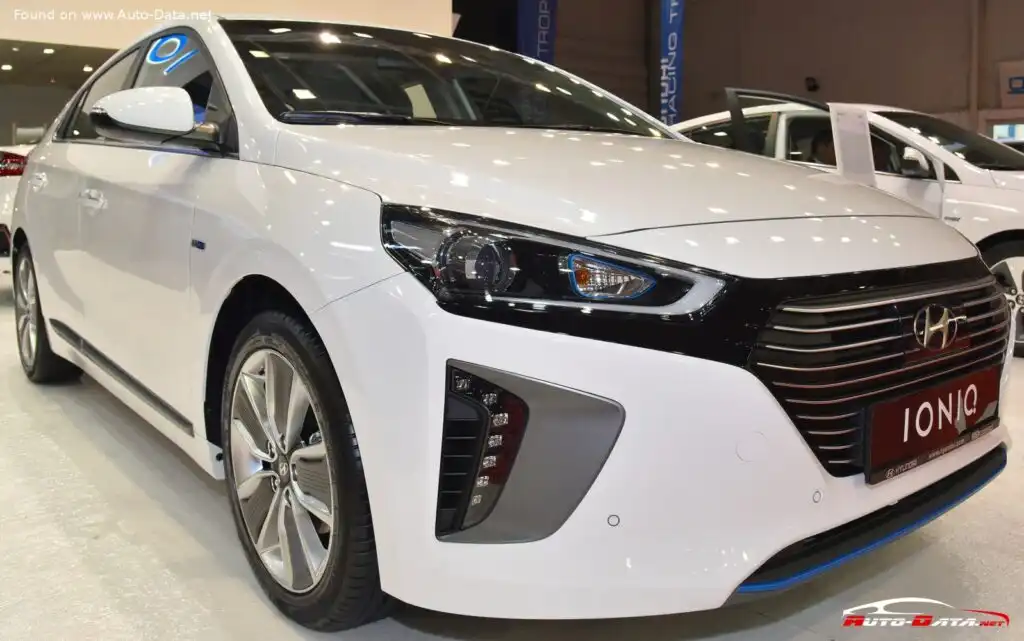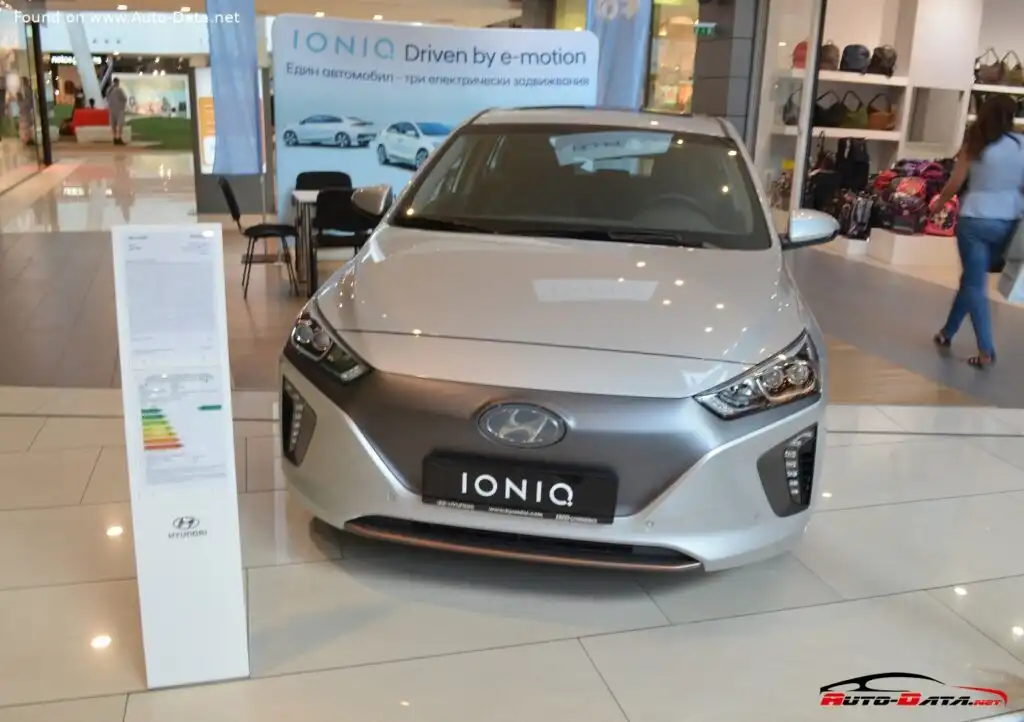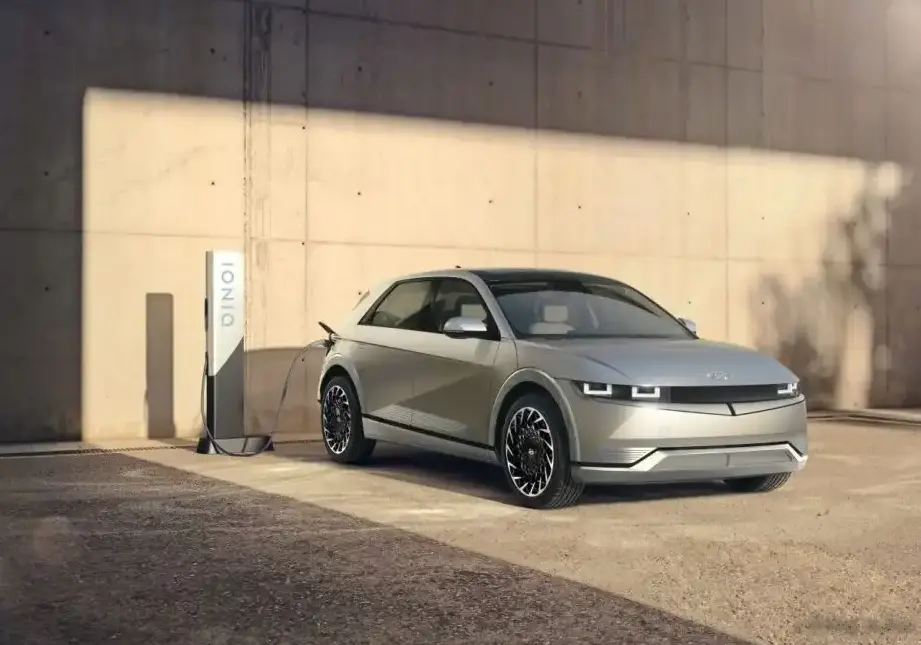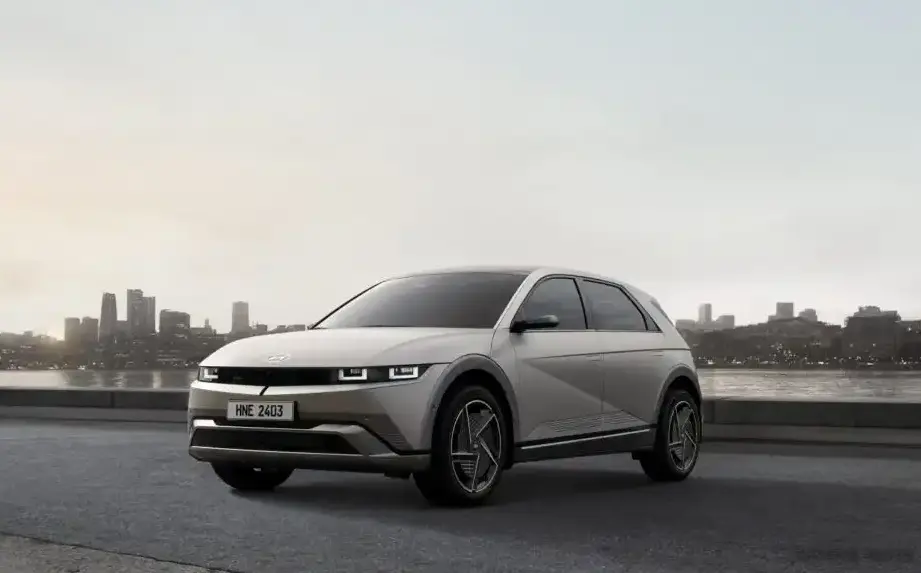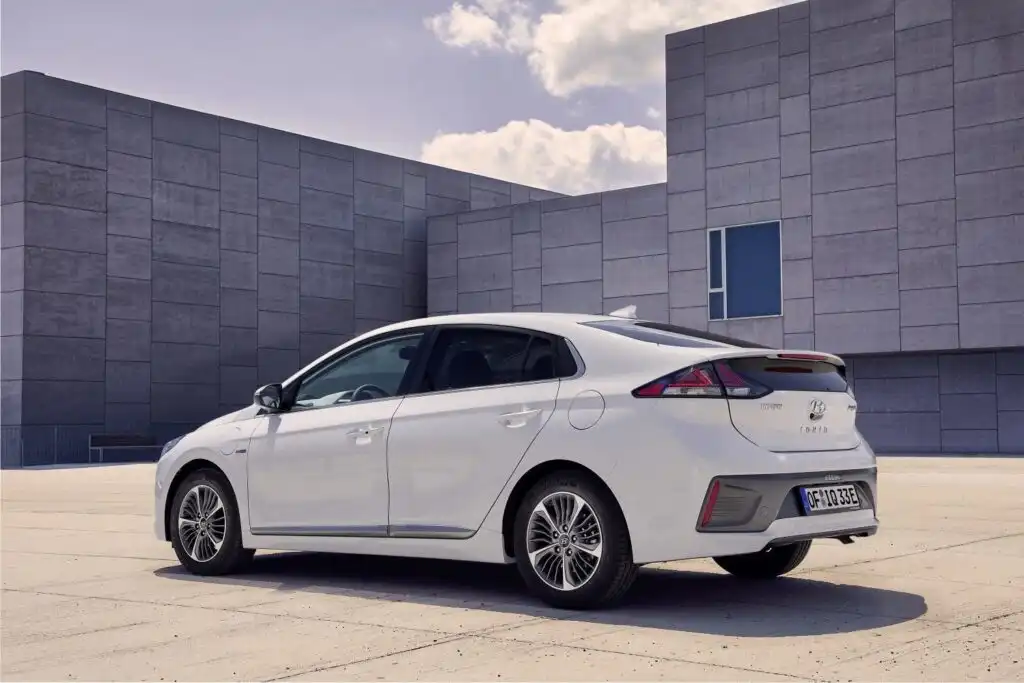
The Hyundai Ioniq Plug-in Hybrid, specifically the 1.6 GDI variant producing 141 horsepower, represents a significant step in Hyundai’s foray into electrified vehicles. Introduced with the facelift in 2019, this model year marked a refinement of the first-generation Ioniq (codenamed AE/PD) which debuted in 2016. Positioned as a mid-range offering within the Ioniq lineup – which also included hybrid and fully electric versions – the Plug-in Hybrid aimed to bridge the gap between conventional hybrid efficiency and the zero-emission capability of a full EV. It competed directly with vehicles like the Toyota Prius Prime and Kia Niro Plug-in Hybrid, offering a compelling combination of fuel economy, practicality, and affordability.
Technical Specifications
| Brand | Hyundai |
| Model | IONIQ |
| Generation | IONIQ (facelift 2019) |
| Type (Engine) | 1.6 GDI (141 Hp) Plug-in Hybrid DCT |
| Start of production | 2019 |
| Powertrain Architecture | PHEV (Plug-in Hybrid Electric Vehicle) |
| Body type | Liftback |
| Seats | 5 |
| Doors | 5 |
| Fuel consumption (combined) | 1.1 l/100 km (213.8 US mpg) |
| CO2 emissions | 26 g/km |
| Fuel Type | Petrol / electricity |
| Acceleration 0 – 100 km/h | 10.6 sec |
| Acceleration 0 – 62 mph | 10.6 sec |
| Acceleration 0 – 60 mph | 10.1 sec |
| Maximum speed | 178 km/h (110.6 mph) |
| Emission standard | Euro 6d-TEMP |
| Gross battery capacity | 8.9 kWh |
| Net (usable) battery capacity | 7.1 kWh |
| Battery voltage | 360 V |
| Battery technology | Lithium-polymer (LiPo) |
| All-electric range | 52 km (32.31 mi) |
| Average Energy consumption | 11.7 kWh/100 km (18.83 kWh/100 mi) |
| Electric motor power | 61 Hp |
| Electric motor Torque | 170 Nm (125.39 lb.-ft.) |
| System power | 141 Hp |
| System torque | 265 Nm (195.45 lb.-ft.) |
| Engine Power | 105 Hp @ 5700 rpm |
| Engine Torque | 147 Nm @ 4000 rpm (108.42 lb.-ft. @ 4000 rpm) |
| Engine displacement | 1580 cm3 (96.42 cu. in.) |
| Number of cylinders | 4 |
| Compression ratio | 13:1 |
| Fuel injection system | Direct injection |
| Engine oil capacity | 3.8 l (4.02 US qt | 3.34 UK qt) |
| Kerb Weight | 1495-1551 kg (3295.91 – 3419.37 lbs.) |
| Max. weight | 1970 kg (4343.11 lbs.) |
| Trunk (boot) space – minimum | 341 l (12.04 cu. ft.) |
| Trunk (boot) space – maximum | 1401 l (49.48 cu. ft.) |
| Fuel tank capacity | 43 l (11.36 US gal | 9.46 UK gal) |
| Number of gears and type of gearbox | 6 gears, automatic transmission DCT |
| Front suspension | Independent type McPherson |
| Rear suspension | Independent multi-link suspension |
Powertrain & Engine Architecture
At the heart of the Ioniq Plug-in Hybrid is Hyundai’s Smartstream 1.6-liter GDI (Gasoline Direct Injection) four-cylinder engine, designated the G4LE. This engine produces 105 horsepower at 5700 rpm and 147 Nm (108 lb-ft) of torque at 4000 rpm. The direct injection system optimizes combustion efficiency and contributes to reduced emissions. The engine utilizes a dual-port fuel injection system, combining direct injection with multi-point injection for improved cold-start performance and reduced particulate matter. Paired with the engine is a 61 horsepower electric motor, drawing power from an 8.9 kWh (7.1 kWh usable) lithium-polymer battery pack located under the rear seats. The combined system output reaches 141 horsepower and 265 Nm (195 lb-ft) of torque. Power is delivered to the front wheels via a six-speed dual-clutch transmission (DCT), chosen for its quick shifts and efficiency. The DCT allows for seamless transitions between electric and gasoline power, and offers a more engaging driving experience than a traditional continuously variable transmission (CVT) often found in hybrids.
Driving Characteristics
The 1.6 GDI Plug-in Hybrid offers a refined driving experience, particularly in electric mode. With a usable electric range of 52 km (32.3 miles), many daily commutes can be completed solely on electric power, resulting in zero tailpipe emissions. When the battery is depleted, the gasoline engine seamlessly kicks in, providing a smooth and relatively quiet ride. The DCT transmission provides responsive shifts, although it can occasionally exhibit some hesitation at low speeds. Compared to the standard Ioniq Hybrid, the Plug-in Hybrid feels slightly heavier due to the larger battery pack, impacting acceleration marginally. The 0-60 mph time is around 10.1 seconds. However, the added torque from the electric motor provides a noticeable boost in off-the-line acceleration. Compared to the higher-output trims, this variant prioritizes efficiency over outright performance, making it ideal for drivers seeking maximum fuel economy.
Equipment & Trim Levels
The 2019 Ioniq Plug-in Hybrid typically came well-equipped, even in its base trim. Standard features included a 7-inch touchscreen infotainment system with Apple CarPlay and Android Auto compatibility, a rearview camera, automatic emergency braking, lane departure warning, and a suite of driver-assistance technologies. Higher trims added features such as a larger 10.25-inch touchscreen, blind-spot monitoring, rear cross-traffic alert, leather upholstery, and a premium audio system. Interior upholstery was typically cloth in the base models, with leather options available on higher trims. The dashboard layout was clean and modern, with a focus on usability. Optional extras included a sunroof, heated and ventilated front seats, and a heads-up display.
Chassis & Braking
The Ioniq Plug-in Hybrid utilizes a front-wheel-drive layout with an independent McPherson strut suspension in the front and an independent multi-link suspension in the rear. This suspension setup provides a comfortable ride and good handling characteristics. Braking duties are handled by disc brakes on all four wheels, with ABS (Anti-lock Braking System) as standard. The regenerative braking system captures energy during deceleration, helping to recharge the battery and further improve fuel efficiency. The weight distribution is relatively balanced, contributing to stable handling. Stabilizer bars are included both front and rear to minimize body roll during cornering.
Market Reception & Comparison
The Hyundai Ioniq Plug-in Hybrid was generally well-received by automotive critics, praised for its fuel efficiency, comfortable ride, and generous standard features. It was often compared favorably to the Toyota Prius Prime and Kia Niro Plug-in Hybrid. The Ioniq offered a more conventional driving experience than the Prius, while the Niro provided a slightly more spacious interior. Fuel economy was a major selling point, with the Ioniq achieving an impressive 1.1 l/100 km (213.8 mpg) on the combined cycle. Reliability reports have been generally positive, although some owners have reported minor issues with the infotainment system. Compared to the standard Ioniq Hybrid, the Plug-in Hybrid offered the added benefit of all-electric driving capability, but at a higher price point.
Legacy
The Hyundai Ioniq Plug-in Hybrid, particularly the 1.6 GDI variant, has proven to be a reliable and efficient vehicle in the used car market. The powertrain has demonstrated good long-term durability, with many examples exceeding 100,000 miles without major issues. The battery pack has also shown to hold its charge well over time, although some degradation is to be expected. As the demand for electric and hybrid vehicles continues to grow, the Ioniq Plug-in Hybrid remains a popular choice for buyers seeking an affordable and practical plug-in hybrid option. It paved the way for Hyundai’s future electric vehicle offerings, including the fully electric Ioniq 5 and Ioniq 6.