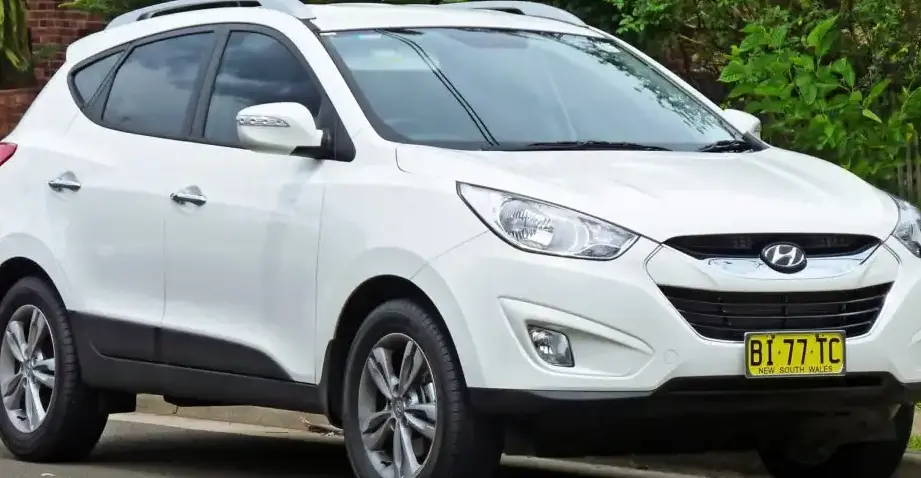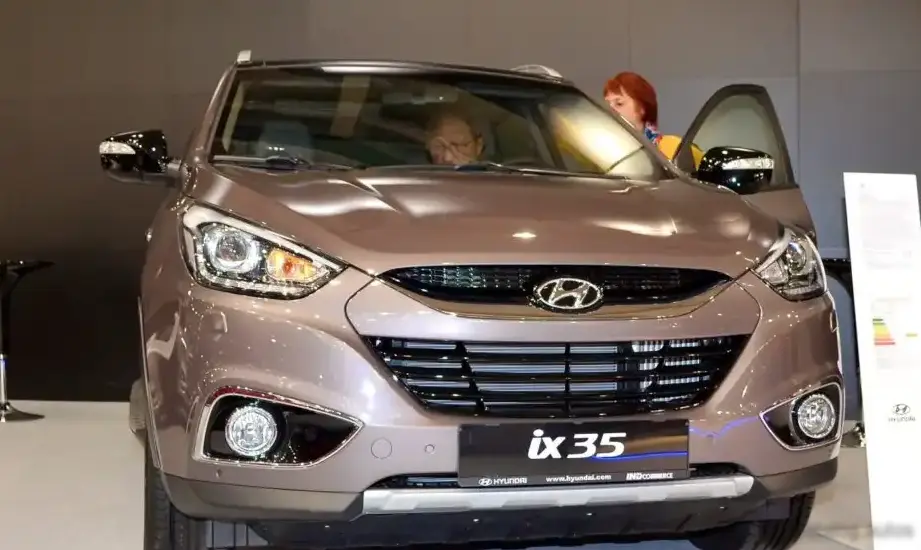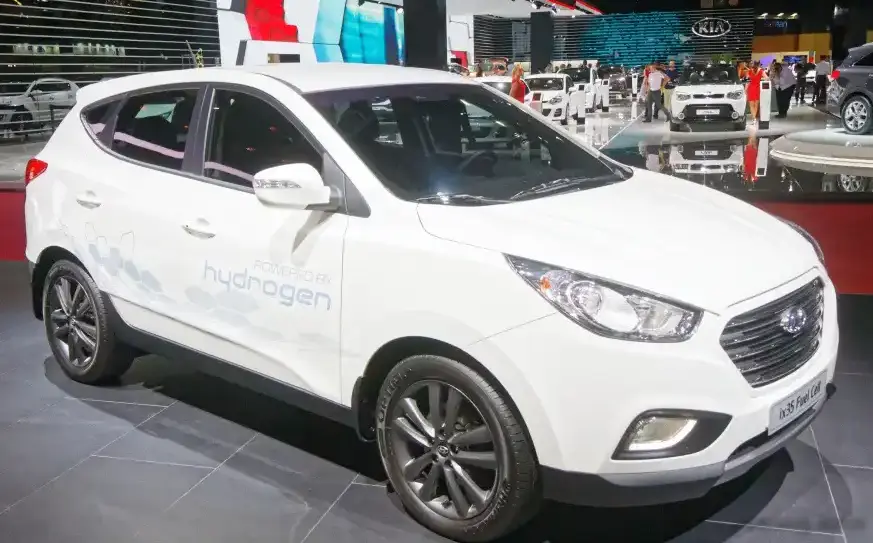
The Hyundai ix35 FCEV (Fuel Cell Electric Vehicle) represents a significant step in Hyundai’s commitment to alternative fuel technologies. Introduced in 2013, this variant of the popular ix35 (also known as the Tucson in some markets) was a limited-production model primarily aimed at demonstrating the viability of hydrogen fuel cell technology. It served as a crucial stepping stone towards Hyundai’s later, more widely available fuel cell vehicles like the Nexo. The ix35 FCEV was largely focused on the European and Korean markets, where hydrogen infrastructure was beginning to develop, and served as a testbed for real-world hydrogen vehicle operation. It was positioned as a technologically advanced, environmentally conscious option, though its limited availability and hydrogen refueling requirements restricted its broader appeal.
Technical Specifications
| Brand | Hyundai |
| Model | ix35 |
| Generation | ix35 FCEV |
| Type (Engine) | (136 Hp) Fuel Cell Automatic |
| Start of production | 2013 |
| Powertrain Architecture | FCEV (Fuel Cell Electric Vehicle) |
| Body type | SUV |
| Seats | 5 |
| Doors | 5 |
| Fuel Type | Hydrogen |
| Acceleration 0 – 100 km/h | 12.5 sec |
| Acceleration 0 – 62 mph | 12.5 sec |
| Acceleration 0 – 60 mph | 11.9 sec |
| Maximum speed | 160 km/h (99.42 mph) |
| Weight-to-power ratio | 13.6 kg/Hp, 73.7 Hp/tonne |
| All-electric range | 594 km (369.09 mi) |
| Electric motor power | 136 Hp @ 5000 rpm |
| Electric motor Torque | 300 Nm @ 1000 rpm (221.27 lb.-ft. @ 1000 rpm) |
| System power | 136 Hp @ 5000 rpm |
| Kerb Weight | 1846 kg (4069.73 lbs) |
| Max. weight | 2250 kg (4960.4 lbs) |
| Max load | 404 kg (890.67 lbs) |
| Trunk (boot) space – minimum | 465 l (16.42 cu. ft) |
| Trunk (boot) space – maximum | 1436 l (50.71 cu. ft) |
| Length | 4410 mm (173.62 in) |
| Width | 1820 mm (71.65 in) |
| Height | 1650 mm (64.96 in) |
| Wheelbase | 2640 mm (103.94 in) |
| Front track | 1585 mm (62.4 in) |
| Rear (Back) track | 1586 mm (62.44 in) |
| Front overhang | 880 mm (34.65 in) |
| Rear overhang | 890 mm (35.04 in) |
| Ride height (ground clearance) | 170 mm (6.69 in) |
| Drag coefficient (Cd) | 0.35 |
| Minimum turning circle | 10.58 m (34.71 ft) |
| Approach angle | 24.2° |
| Departure angle | 26.9° |
| Ramp-over angle | 17° |
| Drive wheel | Front wheel drive |
| Number of gears | 1 |
| Gearbox type | Automatic transmission |
| Front brakes | Ventilated discs |
| Rear brakes | Disc |
| Assisting systems | ABS (Anti-lock braking system) |
| Tires size | 225/60 R17 |
| Wheel rims size | 6.5J x 17 |
Powertrain & Engine Architecture
The ix35 FCEV doesn’t utilize a conventional internal combustion engine. Instead, it employs a fuel cell stack that combines hydrogen with oxygen from the air to generate electricity. This electricity then powers an electric motor, which in turn drives the front wheels. The fuel cell stack itself is a complex assembly of individual fuel cells, each producing a small voltage. These are connected in series to achieve the necessary voltage and power output. The system operates at a relatively low temperature, and the primary byproduct of the process is water, making it a zero-emission vehicle at the point of use. The electric motor delivers 136 horsepower at 5000 rpm and 300 Nm (221 lb-ft) of torque at 1000 rpm. The single-speed automatic transmission is specifically designed to work with the characteristics of the electric motor, providing smooth and linear acceleration. The hydrogen is stored in a high-pressure tank, typically located under the rear seats and floor, requiring careful engineering to ensure safety and durability.
Driving Characteristics
The driving experience of the ix35 FCEV is markedly different from that of a gasoline-powered vehicle. The instant torque delivery of the electric motor provides brisk acceleration, especially at lower speeds. However, with 136 hp, it’s not a particularly sporty vehicle. The 0-60 mph time of around 11.9 seconds reflects this. The single-speed automatic transmission simplifies the driving experience, eliminating gear changes. The vehicle feels refined and quiet, with minimal engine noise (as there isn’t one!). The range of approximately 594 km (369 miles) on a full tank of hydrogen is comparable to many gasoline-powered vehicles, but the availability of hydrogen refueling stations remains a significant limitation. Compared to a standard 1.6L or 2.0L gasoline ix35, the FCEV offers a smoother, quieter ride, but lacks the top-end power of the gasoline engines.
Equipment & Trim Levels
The ix35 FCEV was typically equipped with a relatively high level of standard equipment, reflecting its status as a technology demonstrator. Features included automatic climate control, a touchscreen infotainment system, parking sensors, and various safety systems like ABS and stability control. Interior upholstery was generally cloth or a combination of cloth and leather. While specific trim levels were limited due to the low production volume, options often included a panoramic sunroof, upgraded audio system, and navigation. The focus was less on luxurious appointments and more on showcasing the fuel cell technology and its integration into a practical SUV package.
Chassis & Braking
The chassis of the ix35 FCEV is largely similar to that of the standard ix35, utilizing a MacPherson strut front suspension and a multi-link rear suspension. However, modifications were made to accommodate the weight of the hydrogen tank and fuel cell stack. The braking system consists of ventilated discs at the front and solid discs at the rear, providing adequate stopping power. The ABS (Anti-lock Braking System) is standard, enhancing safety during emergency braking situations. The suspension tuning is geared towards comfort and stability, rather than sporty handling. The vehicle’s weight, at 1846 kg (4069.73 lbs), is noticeably higher than that of the gasoline-powered ix35, which impacts handling dynamics.
Market Reception & Comparison
The Hyundai ix35 FCEV received generally positive reviews from critics, who praised its innovative technology and zero-emission credentials. However, the limited availability of hydrogen refueling infrastructure was a major drawback. Compared to the gasoline-powered ix35 models, the FCEV offered a unique driving experience and environmental benefits, but at a significantly higher cost and with practical limitations. Fuel economy, expressed as hydrogen consumption, was competitive with other fuel cell vehicles of the time. Reliability was generally good, although the long-term durability of the fuel cell stack remained a concern. The FCEV was primarily targeted at environmentally conscious consumers and government fleets willing to invest in alternative fuel technology.
Legacy
The Hyundai ix35 FCEV played a vital role in advancing fuel cell technology and demonstrating its potential for mainstream adoption. It provided valuable real-world data on the performance, durability, and practicality of hydrogen vehicles. The lessons learned from the ix35 FCEV were instrumental in the development of Hyundai’s subsequent fuel cell vehicles, such as the Tucson FCEV and the Nexo. While the ix35 FCEV itself remains a relatively rare vehicle, its legacy as a pioneering hydrogen vehicle continues to influence the automotive industry’s pursuit of sustainable transportation solutions. In the used car market, these vehicles are highly sought after by collectors and enthusiasts interested in alternative fuel technology, though their value is heavily dependent on the condition of the fuel cell stack and the availability of hydrogen refueling options.